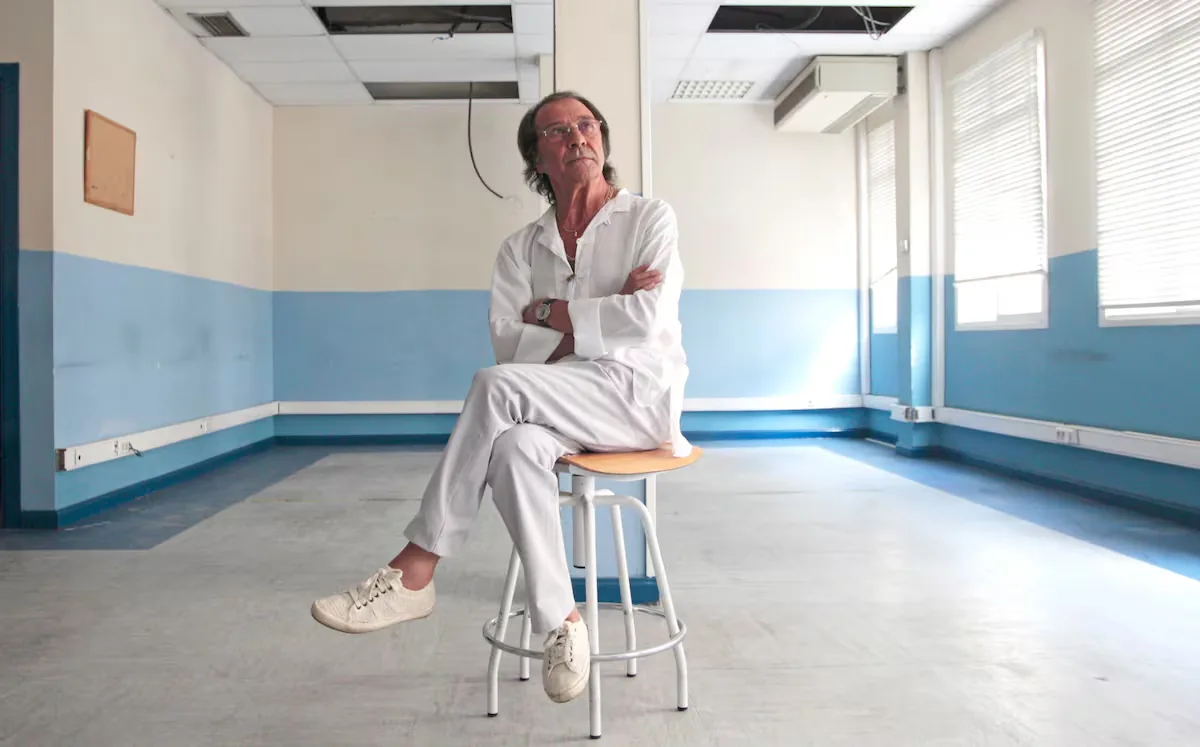
The flamenco guitarist Pepe Habichuela (José Antonio Carmona Carmona) has passed away at the age of 82 in Madrid, where he lived, after an illness that had kept him away from the stage since the summer of 2024, when he received his last recognitions: tributes at the Noches del Botánico in Madrid, at the Flamenco On Fire Festival in Pamplona, and the Castillete de Oro of the La Unión Festival, among others. In them, he received unanimous affection and respect that he had earned after a life fully dedicated to the art and the instrument he represented, the sonanta, of which he was a living legend. Medal of Merit in Fine Arts in 2018 and Grand Cross of the Civil Order of Alfonso X the Wise that same year, Habichuela’s career is rich in experiences and recordings: his playing spans more than half a century and is an exponent of the evolution of the six strings during this time, with significant technical and harmonic innovations.
Read more Messi donates 80,000 euros for the reconstruction of the Sierra Oeste of Madrid after the fire
Born in Granada in 1944, he was the third-generation heir of a lineage of guitarists started by his grandfather, continued by his father, and to be carried on and expanded by his brothers Juan (who passed away in 2016), Luis, and Carlos. Hardened in the Sacromonte Caves of his hometown, he always acknowledged that the strength of his strumming was a result of his eagerness to be heard among clapping, singing, and dancing, but that would be only one of the many contributions the discipline owes him. From Granada, he moved to Madrid in 1964 summoned by his older brother, Juan, already settled in the capital. He would never stop working, first in the tablaos of the forum and, over time, in recordings of the most relevant singers of the moment, Juanito Valderrama, Fosforito, or Fernanda and Bernarda de Utrera, among many others, so many that in a few years he had accumulated more than fifty collaborations on other artists’ albums.
The meeting and partnership with his fellow countryman Enrique Morente constitutes a true turning point not only in his career or that of the singer but in the history of contemporary flamenco. After many afternoons of conspiratorial and collaborative study, they published two works in the same year of 1977, with the novelty, for that time, that both appeared signed by both artists. Homenaje a Don Antonio Chacón and Despegando were two daring records, as they innovated and did not adhere to the dominant trend of the moment.
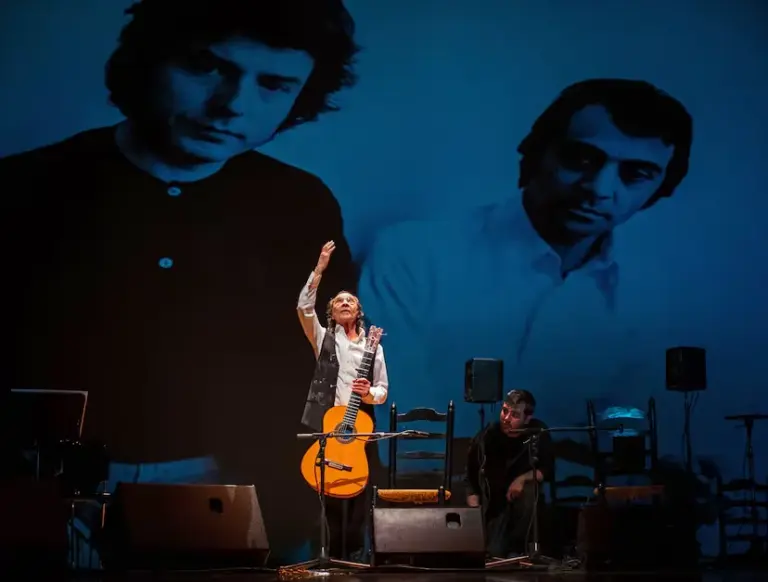
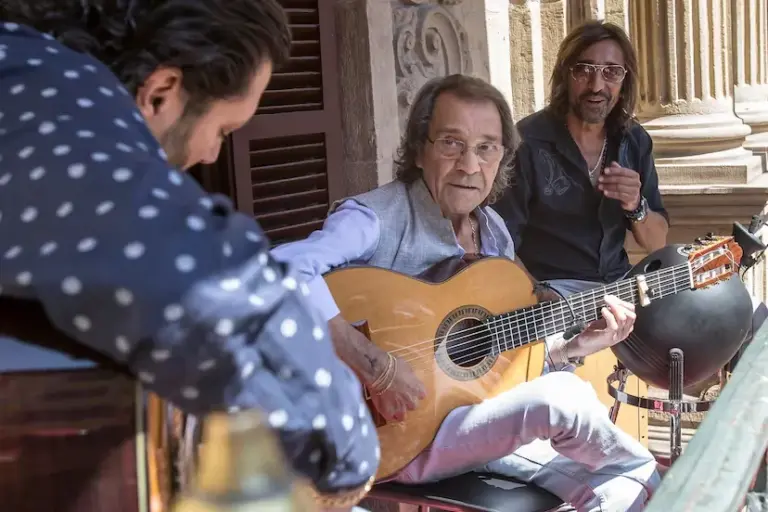
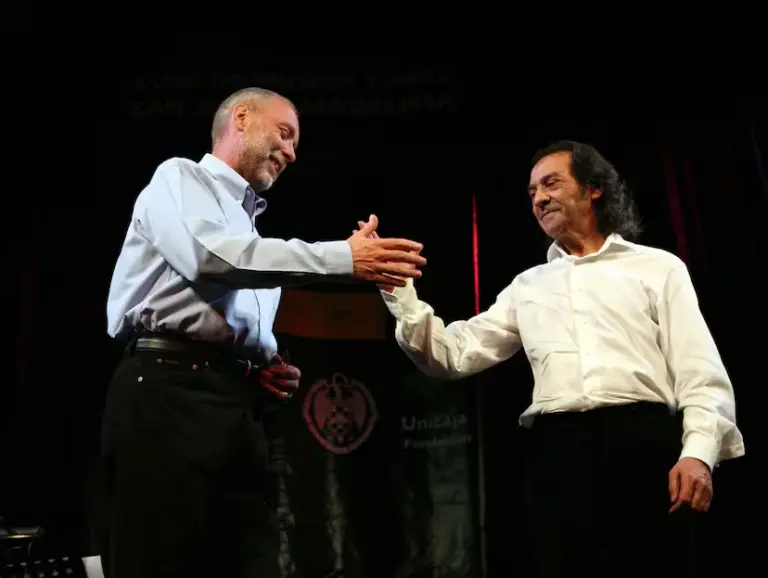
His solo career would take time to arrive, and not because he was not prepared for it. The moment came in 1983, coinciding with the creation of the Nuevos Medios (NN.MM) label by Mario Pacheco, who invited him to inaugurate the series Los jóvenes flamencos. Although the guitarist resisted, over time it proved poetic justice that he did, because, in a way, he, with his open mindset, would act as the involuntary patriarch of the flamenco that was to come and that this record label would spread, especially the group Ketama, in which his son, the guitarist Josemi Carmona, and his nephews Juan and Antonio played. His first work, A Mandeli, is a work that, besides maintaining its strength and freshness over the years, would collect, in solo format, part of the innovations he had been incorporating into the sonanta.
Read more The cemetery of the illustrious elephants
His second recording, Habichuela en rama (1997), is already presented produced by his son Josemi, with whom he would also record the successful Yerbagüena (NN.MM. 2001) and all the remaining ones. That work was the result of his encounter with the Bollywood Strings formation from India, which was not the first he had had with other music and cultures: in 1983 he had collaborated with the trumpet player and free jazz pioneer Don Cherry, who left the well-known statement: “Pepe’s guitar sounds like a crying tree.” In 1992, within the VII Biennial of Seville, he would play with the band of the drummer, also jazz, Max Roach, and, already in 2010, he would record the album Hands, alongside the English double bassist Dave Holland.
It is worth highlighting that, in all these experiences, as in all his work, Pepe Habichuela’s playing has always remained faithful to the root, in that difficult balance that means exercising freedom without losing the flamenco essence.
“I play as I want, by tientos in the minera chord or by soleá in the granaína chord, but the important thing is that it sounds like what you are playing, soleá, granaína, even if you do it in another key.” That statement of his belongs to the long conversation held about his playing with the guitarist, producer, and writer José Manuel Gamboa, who last year published the biography Pepe Habichuela. Now or Never. With Amparo Bengala and Josemi Carmona. His wife and son are also protagonists of that work, just as they are of his long creative career, which they have accompanied in a conspiratorial and loving way.
Read more Controlled the fire in the Sierra Oeste de Madrid after 14 days burning