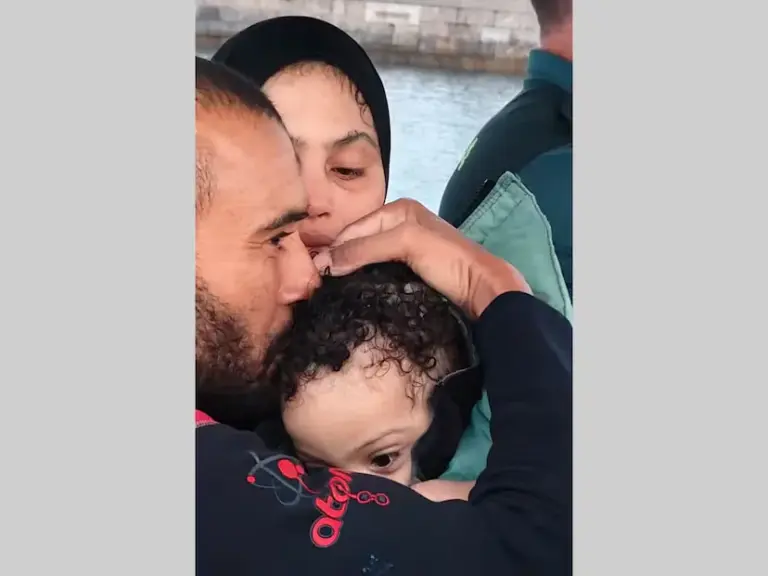
Alejandro wrapped the curly-haired baby they had just picked up from a float in Ceuta with his coat. The child, dressed in his baby clothes, was wrapped in cling film, like the one used to wrap sandwiches. “Only his little head was left free,” he recalls. “He was affected by the cold, unresponsive, and starting to foam at the mouth.” The mother was a bundle of nerves. The little boy, three years old, was rescued along with his pregnant mother and father at 7 a.m. last Thursday, just a few hours before the massive influx into Ceuta occurred.
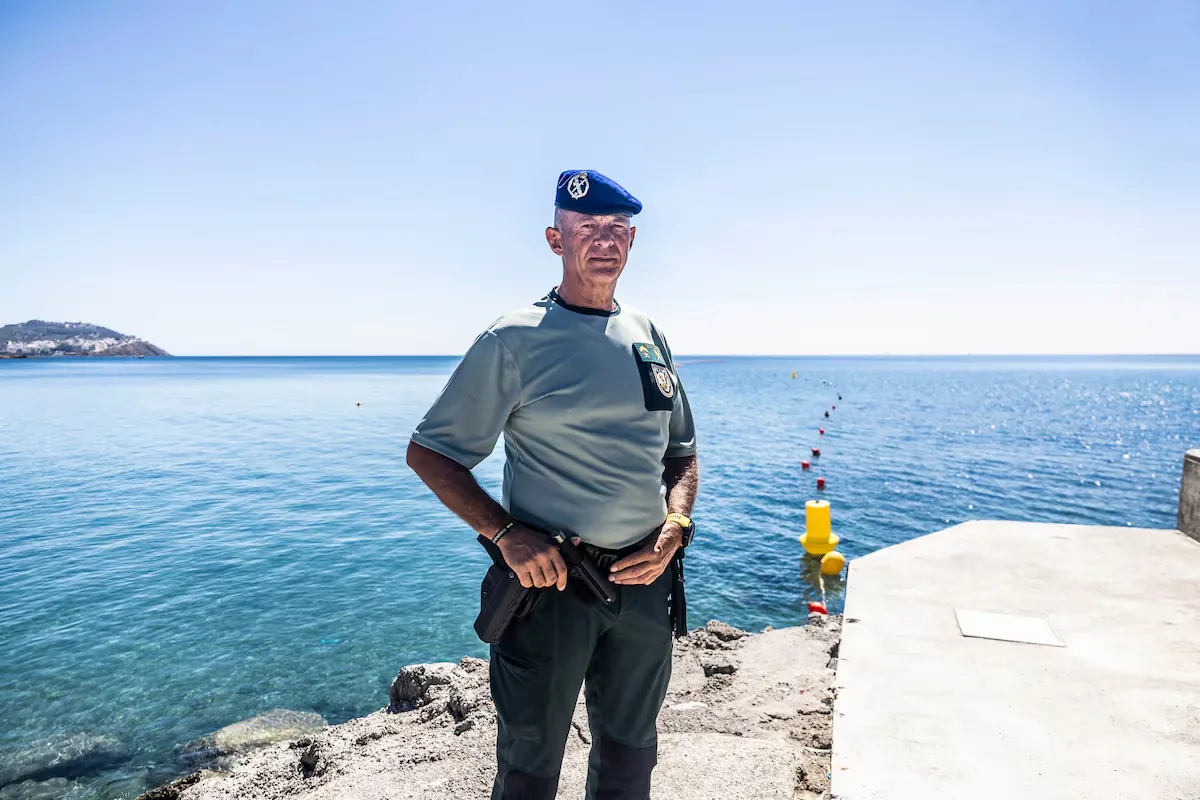
Sergeant Alejandro Palmero, skipper of the Maritime Service of the Civil Guard, used “the little Spanish he knows” to communicate with the woman, dressed in a wetsuit and visibly pregnant. “She made me understand that she was expecting a girl and was six months pregnant.” When the family found themselves on the boat, safe and sound and heading to shore, a scene full of joy, hugs, and kisses broke out among them. “It was a very emotional situation,” summarizes the 42-year-old officer. “All this is still a tragedy, but getting a baby, a family out is a joy,” he values.
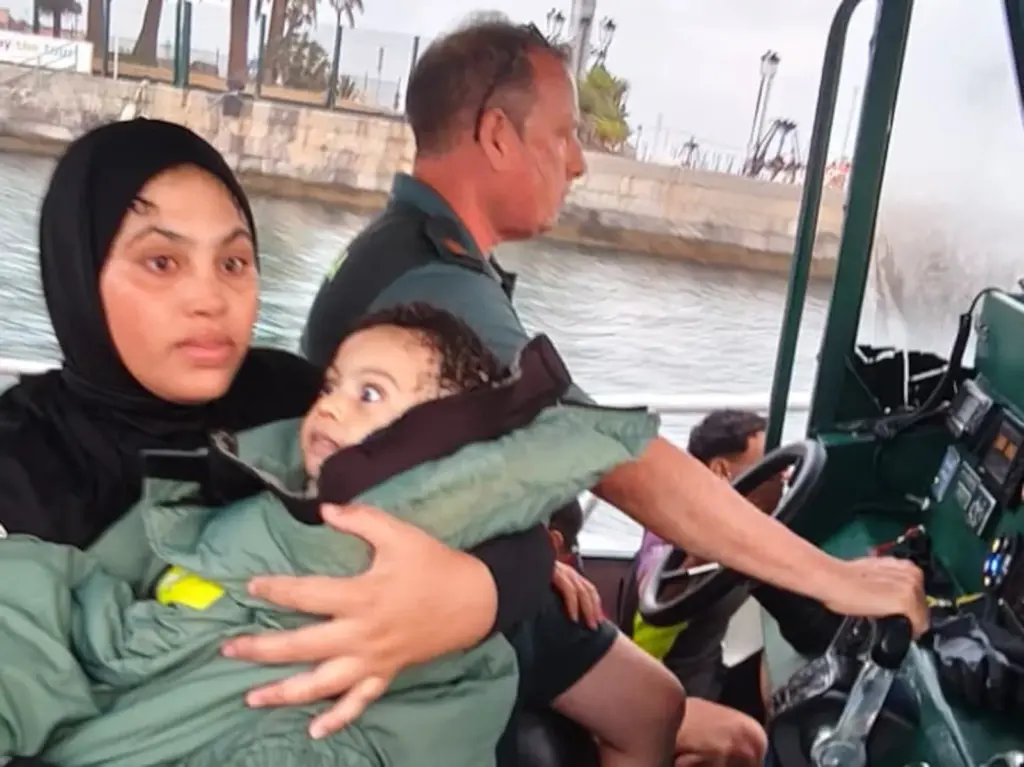
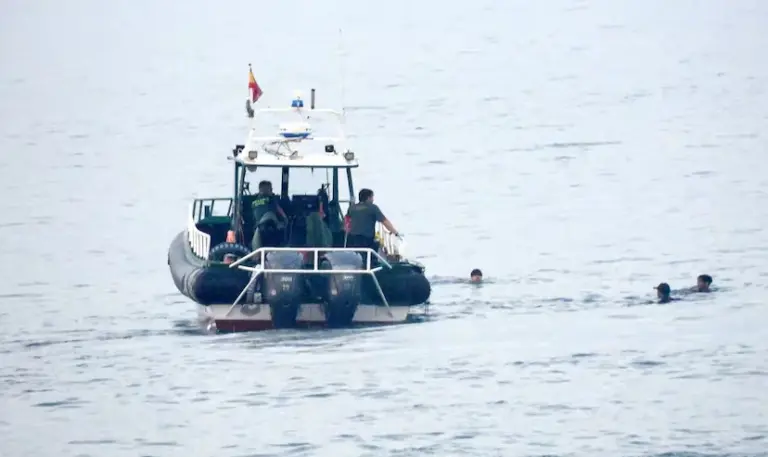
From the Tarajal breakwater, where they were rescued, to the Puntilla Dock, near where the ferries depart in the autonomous city, they rushed. It may have taken five minutes to get them ashore and place them in an ambulance. “I wasn’t alone. Everything was done as a team,” emphasizes the officer. Their boat, with three agents aboard, was responsible for getting them out of there. Before that, another team, with three other guards, had assisted them and alerted to hurry because it was a particularly sensitive case and their boat was full of people. They were overwhelmed.
That same day, the baby’s father, named Mohamed Mebjud, 32 years old, told El PAÍS that they came from Larache and had swum for four hours with a float. He was worried about his son, who had health difficulties, and his wife, named Fatna Lbidi, about whom he knew nothing since she had been taken to the hospital.
Rescues like those of Mohamed and Fatna demonstrate the fine line that separates survival in a migratory drama that ended up claiming 82 lives in just 48 hours. Without the arms that pulled them out of the water or threw them a float at moments when they thought they wouldn’t hold on, they could have ended up at the bottom of the sea. At least half a dozen agents who participated in those rescues recount how they experienced those hours when chaos and despair took over the Tarajal breakwater.
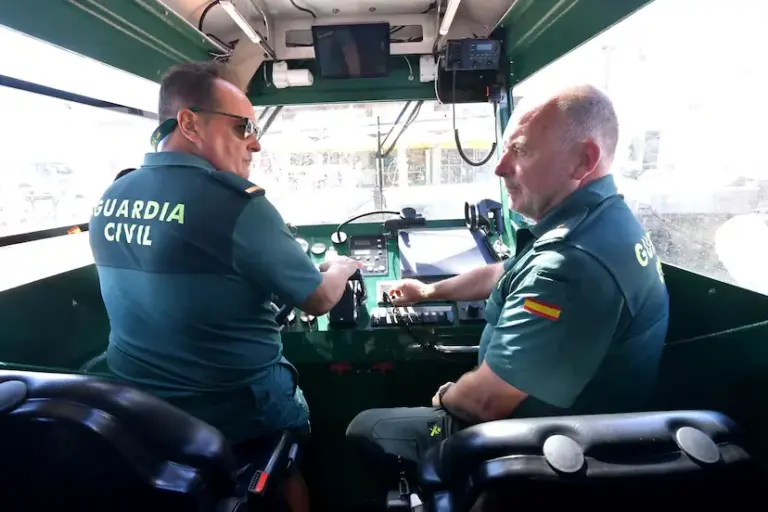
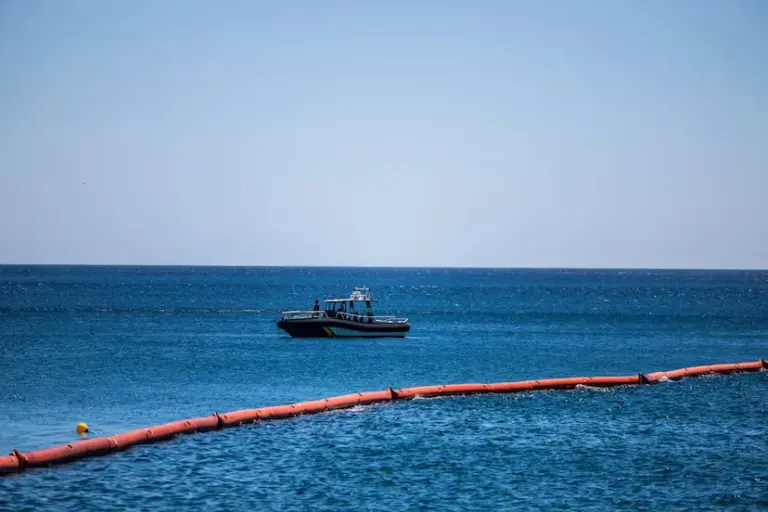
Since the pandemic, agents of the Maritime Service of the Civil Guard and the Special Group of Underwater Activities (GEAS) have been dedicated to people risking their lives by entering the water in Morocco to reach Spanish territory irregularly. Although they have other duties, this task occupies most of their efforts. Just last year, the Maritime Service rescued 10,000 people from the water, details its head, Captain Roberto García, leading a staff of 48 agents, including reinforcements.
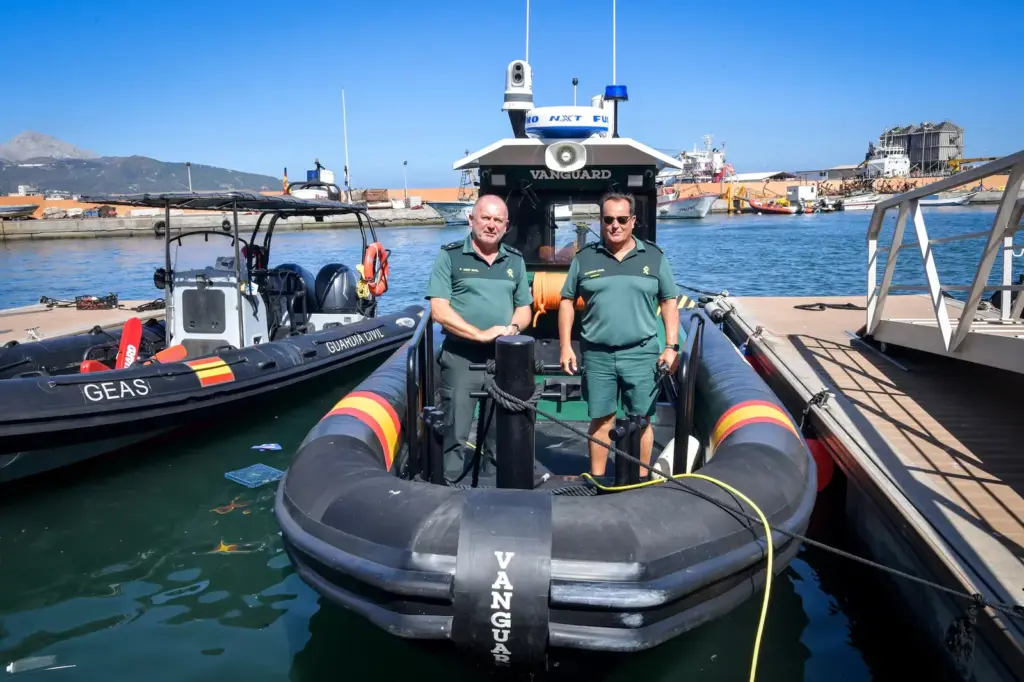
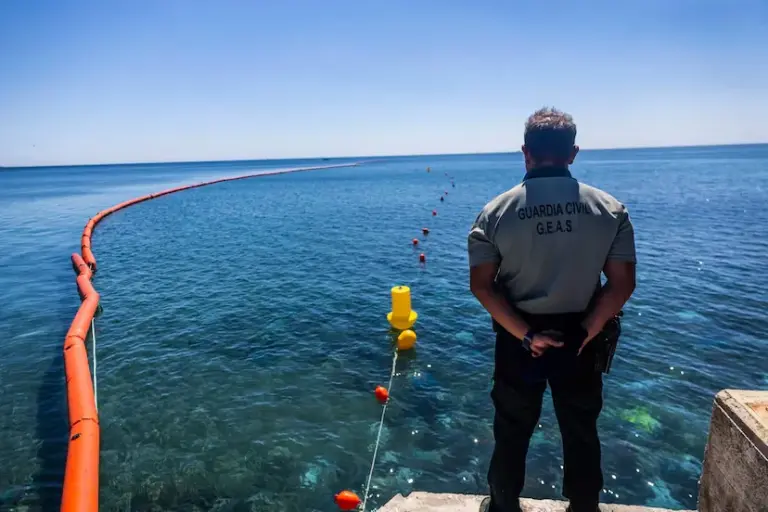
On the day when an irregular influx of 72,000 people entered from Morocco, the GEAS divers were also on the front line. Their 19 agents, also reinforced, reach places difficult for boats to access, such as rocks, and recover the bodies of migrants who die in the attempt. In 2025, they pulled 46 deceased from the water. “What affects us most are the rescues of people alive,” says Sub-Lieutenant Braulio Varela, head of the group in Ceuta. They have to weigh the dangers and struggle between fear and the need to save them. “There are so many people that they can grab you and drag you down. Sometimes you have to hit them to make them let go,” recounts Varela, 59 years old. “In 2021, we thought it was the biggest thing we were going to see, and we were wrong,” he says referring to the massive entry that year, about 12,000 people.
In the last week, hundreds of images have emerged reflecting the anguish of the moments when the largest number of migrants accumulated at the border breakwater. With hundreds of people trying to climb the rocks and the screams of those who didn’t know how to swim. In one of them, GEAS diver Oswaldo Tavío, 54 years old, is seen rescuing a baby who was about to be lost in a sea stained brown by the number of people kicking to avoid sinking. Those hours, starting at 12:00, the border breakwater filled with agents, including those assigned on land, ready to help. They formed a chain of arms so that no one ended up at the bottom of the sea.
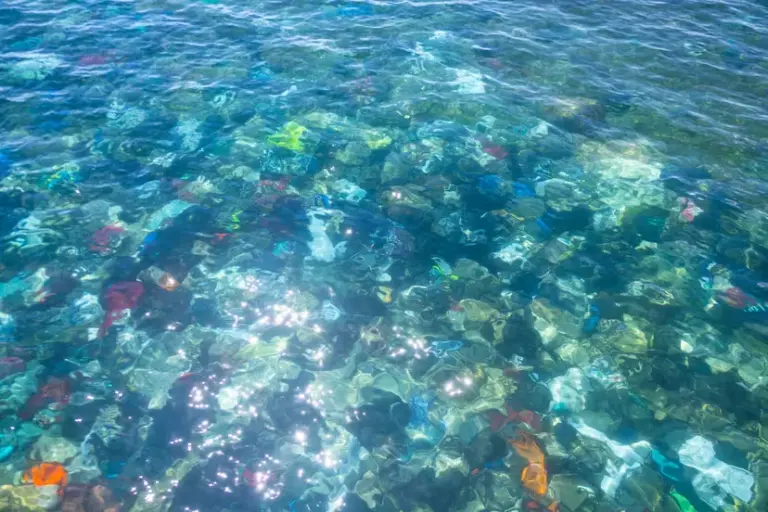
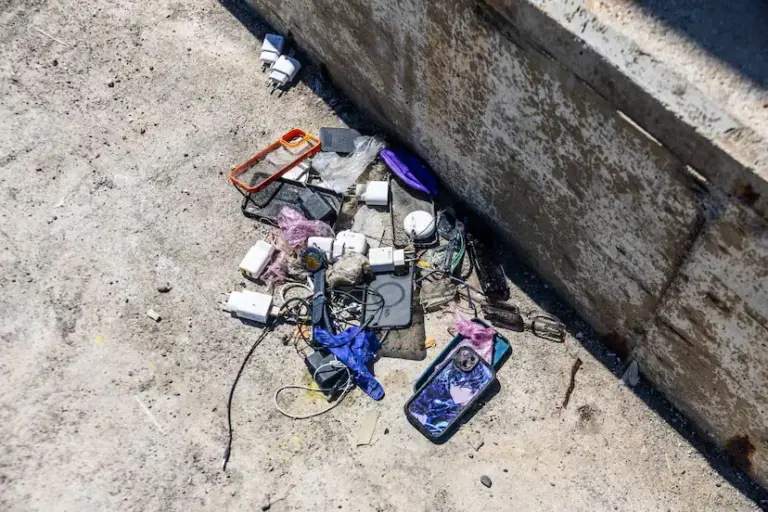
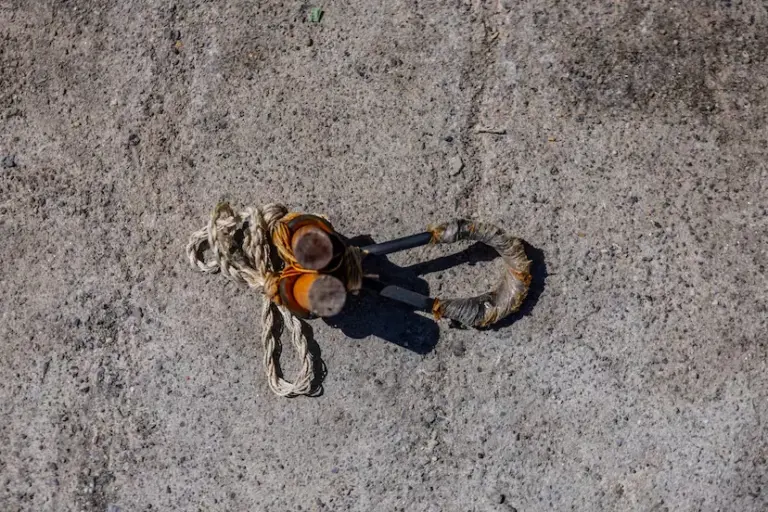
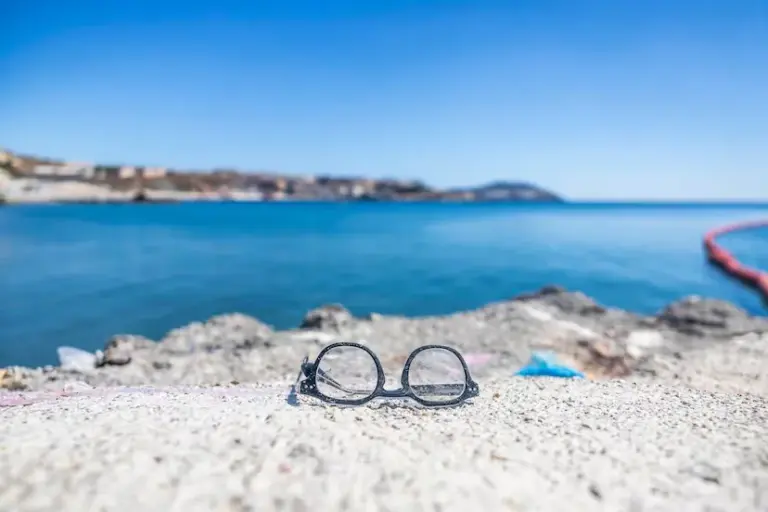
Tavío recalls when they jumped from the tip of the breakwater. They had the boat full of rescued people, and there came a time when they couldn’t use it because it was dangerous. They tried to get the parents with the babies on board. They were helped by the Red Cross, also by colleagues on the beach who approached halfway. “Everyone rolled up their sleeves, we are Civil Guards, it’s our job,” argues one of the agents who dropped what he had in his hands and did what he could. A week later, there are still piles of cables with chargers lying around the area. A path, formed by submerged clothes, marks the angle from which the people who crossed in that great influx came.
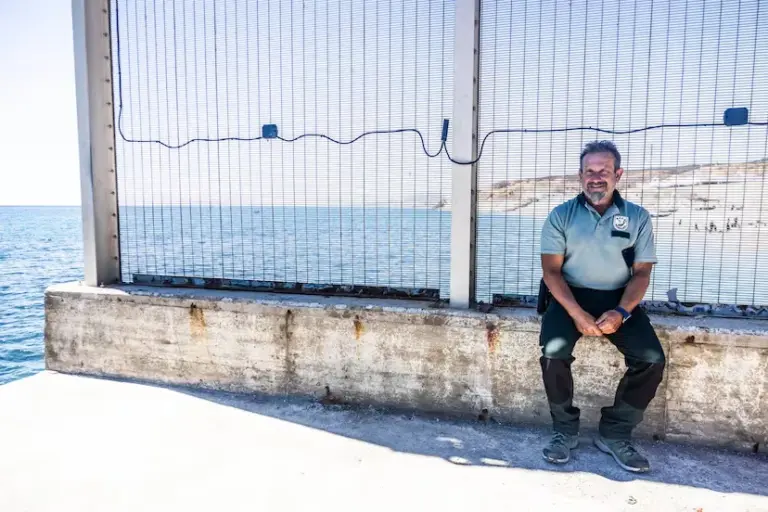
The presence of swimmers in border areas, especially in the El Tarajal area, but also in the northern bay, where the passage through Benzú is more dangerous, is constant and increases when there is fog or rough seas because migrants trust that Moroccan patrols will not come looking for them on their side. After the Supreme Court ruling that prohibited returning to Morocco those who crossed by swimming because there were no “border containment elements, such as fences,” their presence increased exponentially, several agents agree. In recent weeks, they had gone from assisting 50 migrants in one night to about 200. The rescue boats arrived full and could not be returned. The Government placed a 500-meter-long inflatable barrier next to the breakwater on Saturday to circumvent this legal impediment and be able to carry out pushbacks at the border.
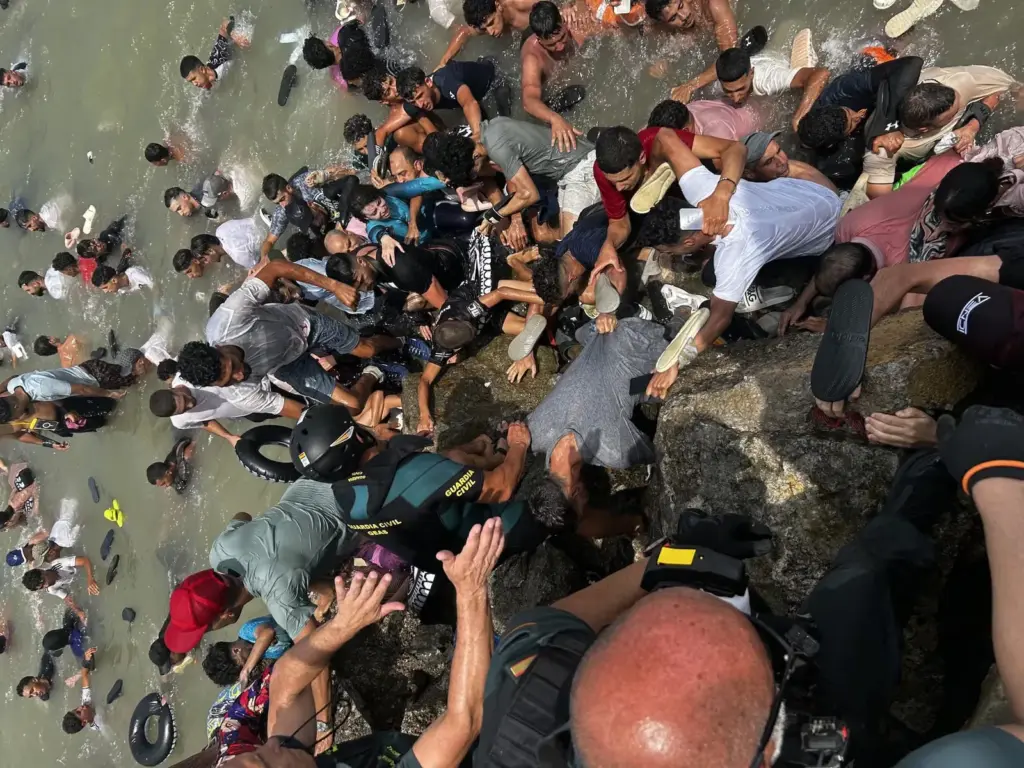
Both Maritime and GEAS agents see it as normal to become hardened in these types of situations, which are part of their work, and to stop being impressed by them. That same Thursday, Tavío participated in the rescue of 12 kids, including girls, on some rocks called Piedra Pineo. They had floats but were unable to swim. “There was a 10-year-old boy with his head bent forward, submerged in the water,” he recalls. One of them had hypoglycemic shock. Two Maritime agents, guard Claudio and First Corporal Marcos, say that many sub-Saharan immigrants don’t know how to stay afloat and can be lost in a blink. In the early hours of Saturday, Claudio attended to one of them who was pulseless and performed cardiopulmonary resuscitation. His intervention, according to doctors, saved his life.
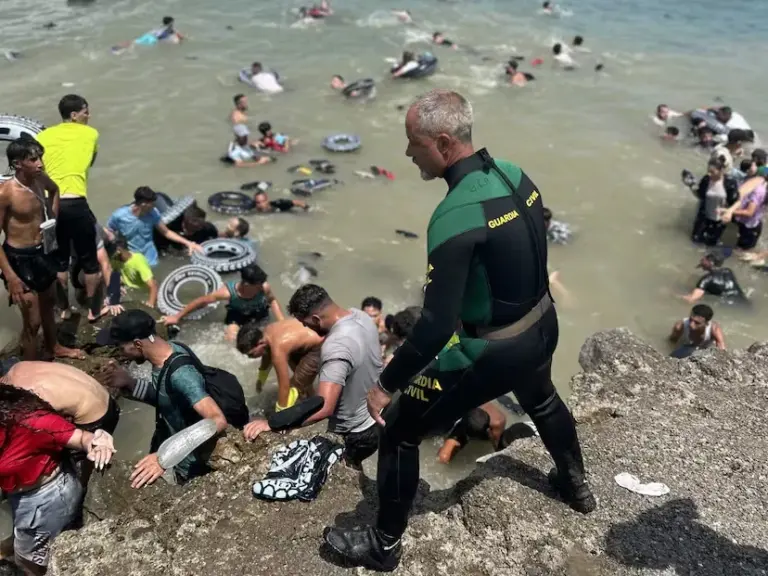
The bulk of those who have thrown themselves into the sea in recent weeks come from northern Morocco, and more and more entire families jump in, like Mohamed and Fatna. The agents describe dramatic rescues, such as that of a young man missing an arm who was applauded by the other immigrants when he managed to get on a boat. “The risk they take is tremendous, and we are just fulfilling our duty to assist. No one would stand still in such a situation,” values one of those consulted.