









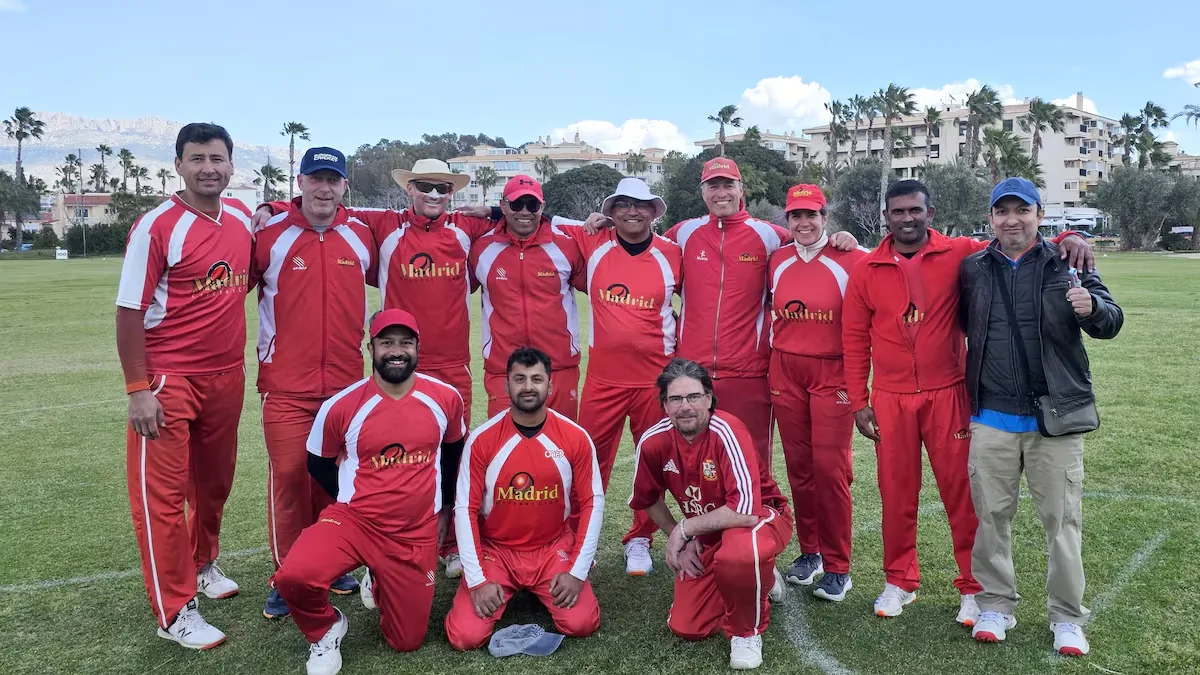
A quarter of a century ago, a small ad published in a free English newspaper brought together three cricket enthusiasts who did not know each other at Puerta del Sol. After chatting for a while, they decided to start playing on a basketball court near the Estrella Metro station (between the districts of Moratalaz and Retiro). Thus began the second life of the Madrid Cricket Club (MCC), the dean of this sport in Spain.
Read more Nothing will ever change, no one will ever die
25 years after that re-founding, the club brings together 60 members from 14 nationalities, has three teams (senior, female, and junior), and has seen several of its players wear the Spanish national team jersey in different categories. However, since joining a national league in 2003, it has played its home games away from home because the capital does not have a specific field for this sport. Currently, it does so in Alfaz del Pi (Alicante, 21,000 inhabitants), about 450 kilometers from Madrid.
“We started playing with a soft ball on a basketball court, and in four or five months we were already a dozen,” recalls its president John Woodward (Milton Keynes, 50 years old). Created in 1975 and disappeared in the early nineties, the MCC was reborn practically from scratch. The first training sessions were possible thanks to the old equipment kept by a former player of the original team: pads, a carpet for the bowling area, and part of the necessary equipment to start. New players, membership fees ―currently 100 euros annually or 60 for students and unemployed― and training sessions on a rented football field in Somosaguas soon arrived.
A couple of years after the re-founding, Lewis Clark (London, 63 years old) went to the British consulate to renew his passport and found a small poster looking for players. “I thought I would never play cricket again after moving to Spain,” recalls the current vice president, who has spent more than half his life in Madrid. Since then, he has been a key figure in creating a youth academy and has accompanied the club in its constant search for a place to train and grow: from Somosaguas to a rugby field in Alcorcón, then a polo field in San Fernando de Henares, a vacant lot in Sonseca, and, for the past four years, the municipal baseball field of La Elipa (Moratalaz).
Currently, the youngest members train on Friday afternoons at that municipal facility, while adults train on Wednesdays and Sundays in batting cages installed on a tennis court at the Complutense University, for which they pay around 2,000 euros a year. However, since this season, minors cannot access it due to university regulations. “We have been fighting to survive for 25 years, but having a field would change everything,” Woodward sums up.
The absence of this space forces the first team to travel hundreds of kilometers every time it plays at home. For years, it played in La Manga (Murcia, 5,200 inhabitants), before moving to the province of Alicante a couple of seasons ago. This translates into travel, hotels, and other expenses largely borne by the players themselves.
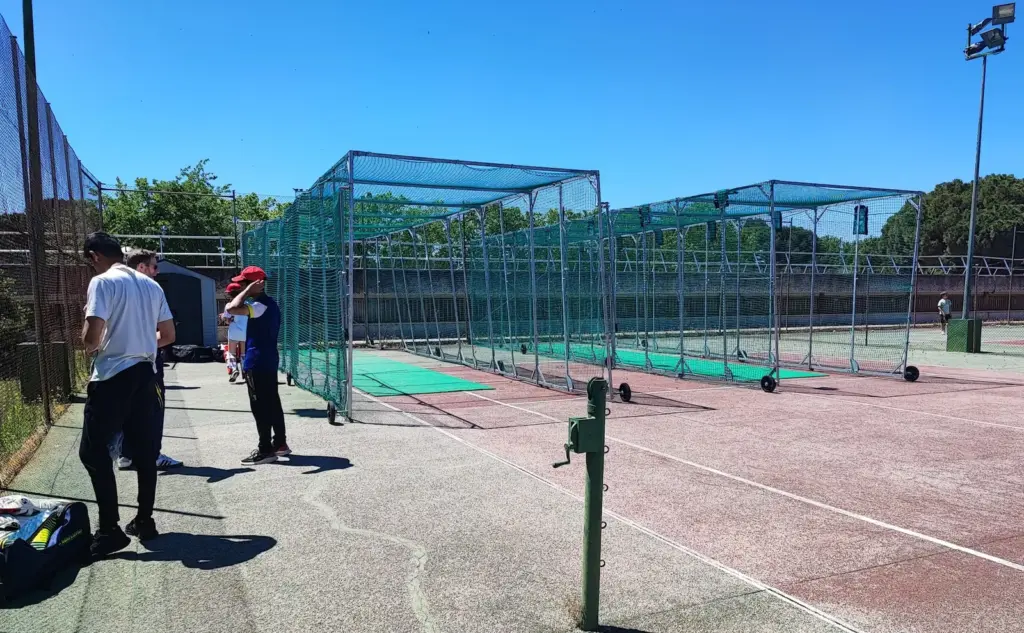
Woodward and Clark agree that having a specific field someday would allow consolidating the growth of cricket in Madrid. But they also argue that municipal batting cages would represent an almost equally important improvement and much easier to implement, as they require much less space. “When a player reaches a certain level, the only way to improve technique is by training in cages,” Clark explains. These facilities could also be used by the other Madrid teams.
Spanish international María Zamorano shares that assessment. This 18-year-old from Madrid answers the phone from Zurich, just a day before playing the final of an international tournament with the women’s national team against Brazil. “It is essential to have a place to train. Having a field would be ideal, but I understand it is much more complicated. At least some cages where we can train every day,” she says. She discovered cricket during a year of studies in England. Upon returning to Madrid, she looked for a place to continue playing and found the MCC. Since then, she has seen the team grow and stabilize. “At first, we didn’t have a fixed place. We have played in parks, schools… and now we have La Elipa,” she explains.
Read more Fergie Chambers, the millionaire activist arrested in Ibiza: “I am a human rights defender”
The young woman has committed to this discipline in which the batter tries to send a ball the size of a tennis ball, although considerably harder, as far as possible and prevent opponents from knocking down the wicket ―three vertical stumps― behind them. She debuted with the national team at just 15 years old and highlights that the differences with other countries are evident: “You compete against people who train every day, and I can only do it once a week.”
According to club officials, just over 200 people practice the official format in the capital, divided into six teams. In addition, about fifteen groups play adapted versions ―in parks and vacant lots― of the second most followed sport worldwide, which will enter the Olympic program in Los Angeles 2028. However, the MCC remains the only Madrid team competing in the national league.
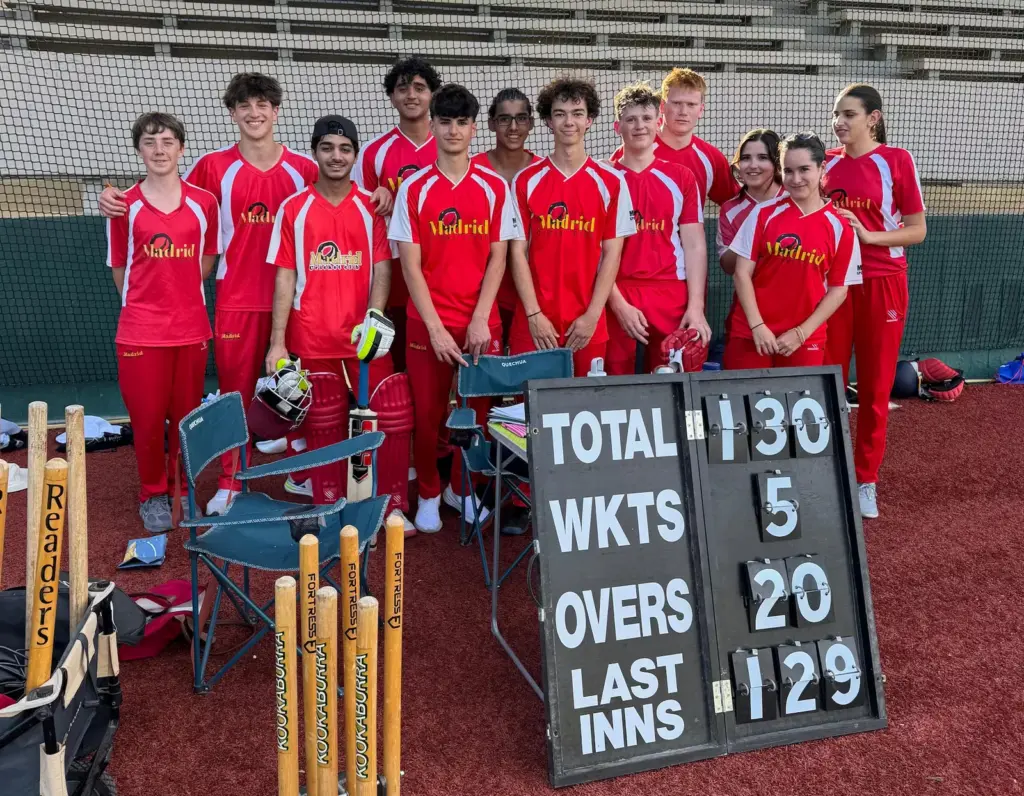
That growth has found institutional support. The agreement signed with the City Council allows the team to use the La Elipa field for two hours a week and receive an annual subsidy of just over 7,000 euros to support the youth academy and, to a lesser extent, the senior team. In addition, this fall it will be able to compete for the first time in a three-month Madrid league at those facilities, with six participating teams. Asked by this newspaper, the City Council’s Sports Area has scheduled a meeting with MCC officials in September to address their demands.
Beyond competition, the MCC has also become a meeting point for people from different parts of the world. Part of its budget is reserved to help players without resources pay the fee or acquire the necessary equipment. It also organizes charity tournaments to collaborate with social organizations.
One of those players is Adnan Shakib, a 20-year-old who arrived from Bangladesh two years ago. He barely speaks Spanish and also struggles to communicate in English, but on the field, he shares a common language with the rest of his teammates. After facing the MCC in a junior match, he was impressed by the club’s atmosphere and was able to join just a few weeks ago.
For María Zamorano, that ability to bring together people from very different backgrounds explains much of the identity. “It’s like a big family,” she sums up: “I value the friendships, the perseverance, and never giving up.”
25 years after three strangers came together thanks to a small ad in a free newspaper, the Madrid Cricket Club has managed to stay alive, train players who have reached the Spanish national team, and bring together dozens of people united by the same passion. Although, when the calendar marks a home game, the bus still heads to Alicante.
Read more The difficult mission of overthrowing Gianni Infantino