









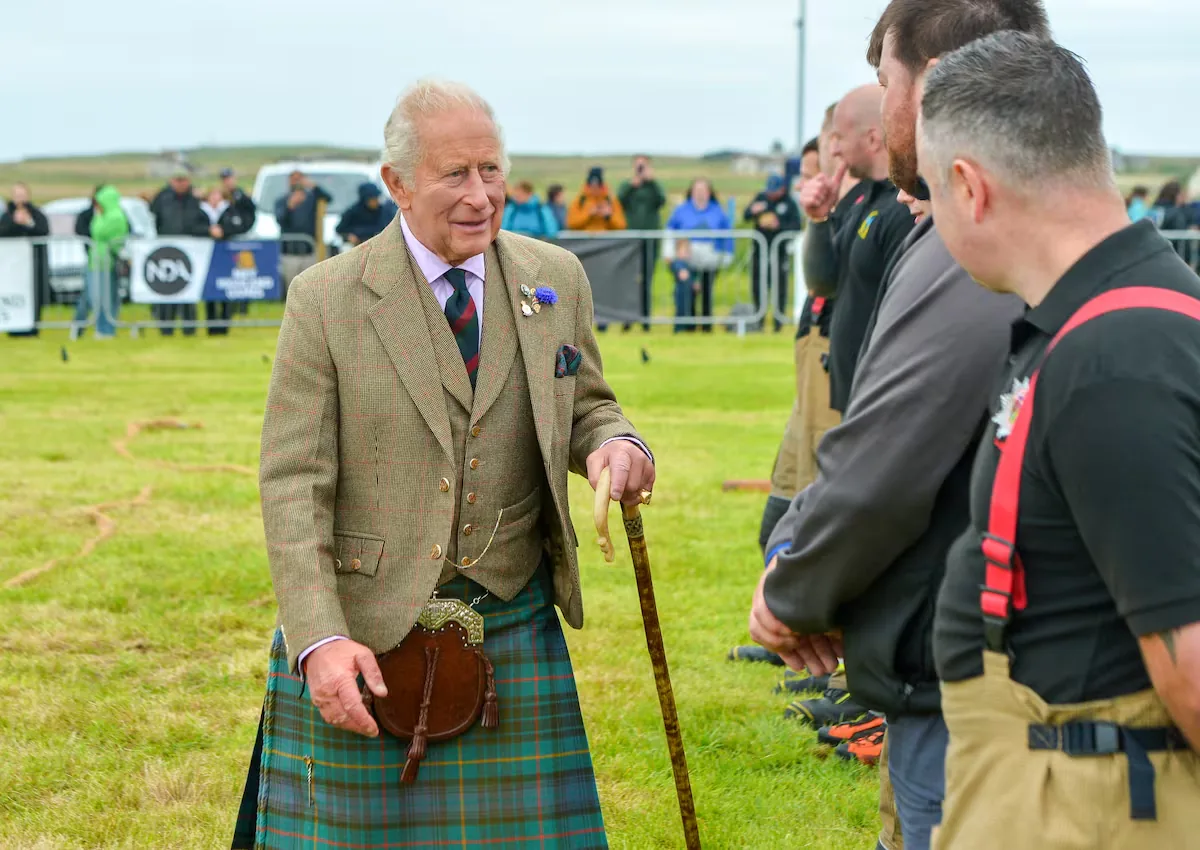
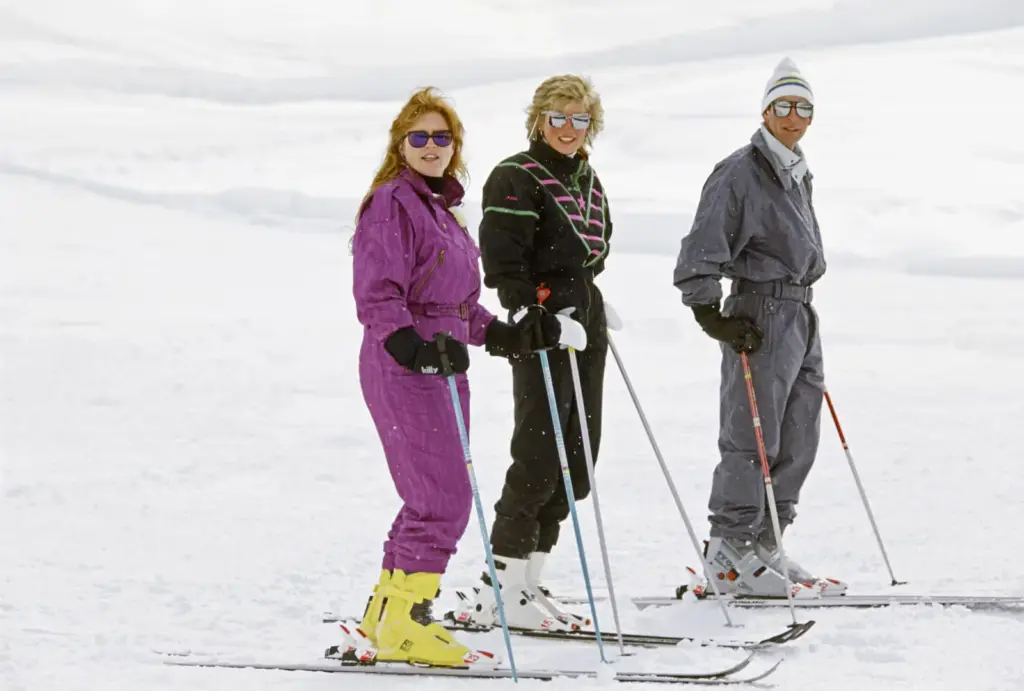
It was March 10, 1988, and the then Prince of Wales, along with the royal entourage, was skiing in one of the most challenging areas of the Swiss Alps. And that day King Charles III almost died in an avalanche. They were off-piste, near the Davos Klosters ski resort, when the mountain began to collapse and they had to evacuate the area quickly. But, although Charles of England managed to come out unscathed, on the way he lost one of his close friends: Commander Hugh Lindsay, former cavalry aide to Queen Elizabeth II. A tragic episode that marked the life of Charles III and even appeared in the Netflix series, The Crown. And an episode he recently recalled in a talk with mountain rescuers.
In the midst of the retreat, Lindsay fell 400 meters down the mountainside and Patti Palmer-Tomkinson, another member of the royal entourage, suffered serious injuries to her legs and lungs. When the rest of the team managed to get to safety, Charles of England, the group guide, and a Swiss police officer accompanying them returned to help the victims, a difficult process in which they had to dig through the snow with their hands to uncover them.
Finally, Lindsay and Palmer-Tomkinson were airlifted to the Davos hospital and, once there, the commander was declared dead. The monarch “was not injured,” according to Marie Griffiths, a witness to the events, who told the BBC at the time. “He looked very distressed, someone said he was crying, but he walked to the helicopter, so it seemed he came out unscathed,” Griffiths said. After the accident, the survivors returned to the chalet where they were staying, where Diana, Princess of Wales, and Sarah Ferguson, then Duchess of York, were waiting. That day they decided to stay calm and not go to the ski slopes.
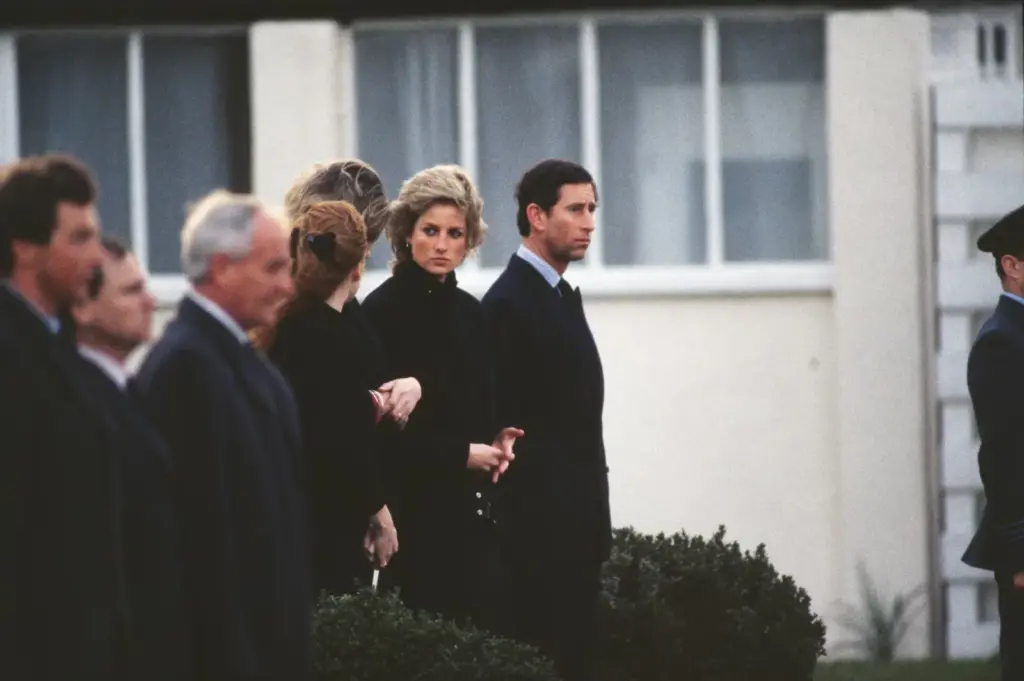
The next day they finished the trip and returned to England by plane. The wife of Commander Lindsay, who worked in the press office of Buckingham Palace and was six months pregnant, was notified. By May, two months after the death, Sarah Lindsay had her baby and Charles III became his godfather. A traumatic episode that he had to relive with the fourth season of The Crown, a series opposed by the widow. “I was horrified when I was informed of what happened and I was very worried about the impact it would have on my daughter. I am very upset and terrified that people will see it. I wrote to them asking them not to do it, not to use the accident. I suppose members of the royal family have to endure and smile, but for me it is a very personal tragedy,” Sarah Lindsay said at the time to The Times.
“The king told us how close he was to not coming out alive from that avalanche to illustrate the dangers of the mountain. He himself said: ‘It was very close,’” Ben Dyson, leader of a Scottish volunteer mountain rescue group, recently explained to The Times. Charles III met with the Assynt Mountain Rescue Team last Saturday, August 1, at an event at May Castle to commemorate the group’s 50th anniversary. “It is clear that, despite the years, he still keeps it very present, but that gave him a real perspective on the valuable work we do and the risks we face,” said the rescue leader. He added: “He was very grateful for our work and pointed out how important it is to keep up with technological advances, as we have done with the use of drones. There is no doubt that his own experience has helped him better understand the task we and other mountain rescue teams perform.”
The British monarch is the patron of the Braemar Mountain Rescue Team, which operates on his Balmoreal estate, where he spends the summers. A position he took after the death of his father, Prince Philip. Charles III learned to ski at 14 and has since frequently attended the Davos Klosters ski resort. A place he has also visited with his children, Princes William and Harry. Although at 77, the king has left his skiing days behind, one of the outdoor activities, like horseback riding, windsurfing, and polo, that were part of his hobbies when he was younger.
Read more The privacy screen for the garden that increases intimacy without sacrificing aesthetics