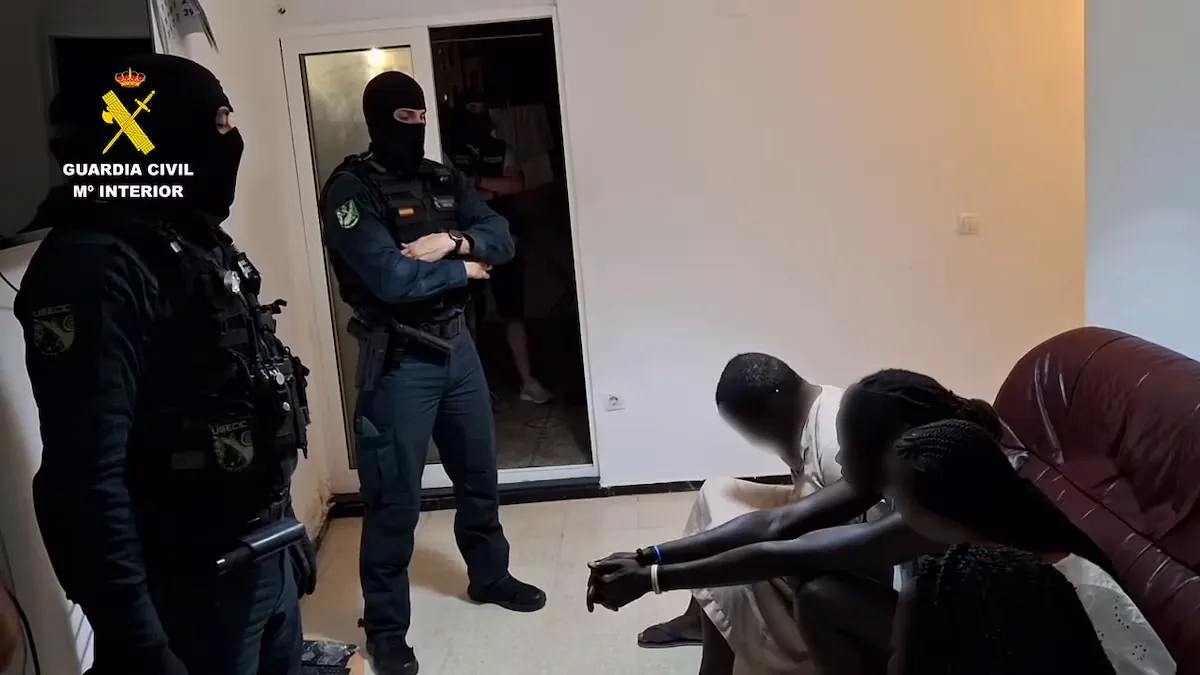
At the end of November 2024, a companion convinced her to escape from the migrant minors’ shelter center in Firgas (Gran Canaria, 7,700 inhabitants), where both, teenagers of sub-Saharan origin, had been under guardianship since they arrived in Spain by boat. Once outside, a man provided her with a fake passport stating she was of legal age and a plane ticket to fly to the mainland. Her final destination was Paris, where the other minor assured her they would get her a job and she could fulfill her greatest wish: to start sending money to her family in Africa. However, what the girl ultimately found upon arriving in the French capital was an apartment she was not allowed to leave and where she was sexually exploited. “Through the window, I could see the Eiffel Tower,” she said three months later, in February 2025, when she managed to escape and reach Bilbao by bus, from where she contacted one of the educators from the center she fled by phone.
Read more The Japanese garden: a microcosm that summarizes the world
She is now a protected witness, and her testimony has been a key piece in Operation Jabany, a Civil Guard operation that dismantled on July 29 the network that not only recruited her for prostitution but also at least five other victims, all minors and sub-Saharan, who have been located and returned to the center they fled from, according to the armed institute’s report this Tuesday. One of them, 16 years old, had escaped with her baby of a few months. Additionally, five people have been arrested for their alleged involvement in the criminal group, including the companion who convinced them and the man who led the scheme.
#OperacionesGC | A network dedicated to recruiting sub-Saharan minors under guardianship for sexual exploitation has been arrested in #GranCanaria
👩Two victims have been freed and the escape of four other minors prevented during the operation, and five people arrested, one of… pic.twitter.com/CYHCGgslZI
— Guardia Civil (@guardiacivil) August 11, 2026
The armed institute is now investigating whether another dozen minors who have fled the same shelter center in recent years also fell into the hands of the network and what their fate has been. The arrests come amid controversy over the PP governments’ reluctance to host the hundreds of unaccompanied migrant minors who arrived in Ceuta after the massive entry on July 30 and just one year after a similar situation occurred with those who had arrived by boat in the Canary Islands.
The investigation initiated after the minor’s testimony revealed that she and the other victims had been recruited at the same Canary shelter center and shared common characteristics: they were especially vulnerable due to their lack of family roots in Spain, had communication problems because they did not know Spanish well, and their main goal was to travel outside the Canary Islands to find work in another European country to send remittances to their families in their countries of origin. The scheme, through the minor collaborating with it, convinced them that the best way to do this was to escape and travel to France.
To do this, the also teenage girl put them in contact with the network, which asked for passport photos to prepare fake passports stating they were adults to bypass airport controls and allow them to fly to Madrid or Bilbao. There, a contact would be waiting to help them later reach Paris. Some of the girls were asked for small amounts—between 30 and 200 euros—for these initial procedures.
The investigation gained strong momentum last March when agents detected that four girls who had recently escaped from the center—sometimes taking advantage of a scheduled outing, other times a lapse by the educators to flee, and some jumping the walls—were located at Gran Canaria airport when they intended to fly to the mainland. All carried false documentation. After being intercepted, investigators confirmed that the scheme’s activity had momentarily stopped—“until then, a girl escaped every month or month and a half; at that moment, the escapes stopped,” sources close to the investigation detail—but also that it did not last long, as at the end of June another minor supposedly encouraged by the network escaped again.
By then, agents already had the testimony of a second protected witness and had verified that the network had a clear division of functions. On one side were B. S., the alleged leader, and his partner, both legally residing in Spain. Usually, he bought plane tickets paying in cash and with a false identity to avoid leaving a trace. He was also responsible for accompanying the minors to the airport to ensure they passed security checks and entered boarding areas. The minor still in the center was supposedly the one recruiting the victims but also the one putting them in contact with the former and the other two detainees, allegedly responsible for providing false documents to the girls to facilitate their escape from the Canary Islands. One of the latter worked in a restaurant in Las Palmas that served as a place to collect the documentation.
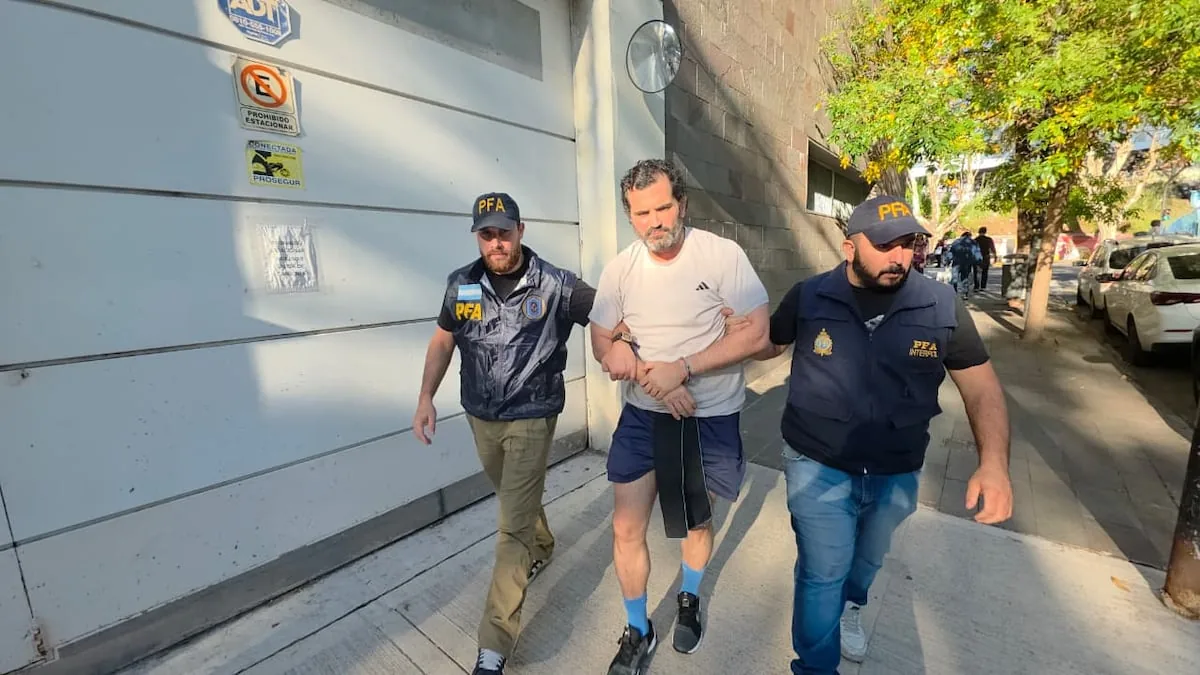
Finally, on July 29, agents from the Judicial Police Unit of the Las Palmas Command and the Organized Crime Team (ECO) based in the Canary Islands of the Central Operative Unit (UCO) proceeded to arrest the five alleged suspects and carried out as many searches. At the residence in the Gran Canaria town of Arucas (39,000 inhabitants) where the ringleader lived, the Civil Guard found abundant documentation, including a Mauritanian passport allegedly stolen whose data were copied to supposedly prepare false documents for one of the victims, as well as numerous passport photos of other minors suspected to be used to create fraudulent passports. More than 5,000 euros in cash were also seized, as well as mobile phones and other electronic devices, which are being analyzed to identify both other victims and more alleged suspects.
Read more The exact moment of the Colombia earthquake inside Pereira airport