









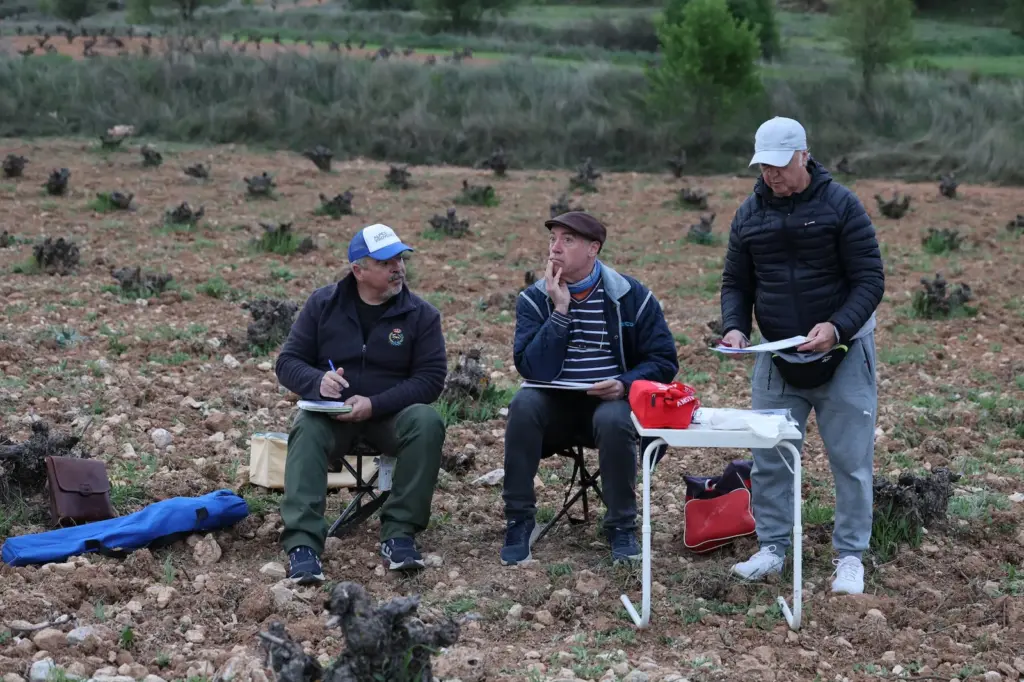
In an agricultural field 57 kilometers from Madrid, three people set up a table, sit on folding chairs, and start counting birds. “Team 34, doing sightings in Villarejo de Salvanés,” one of them sends a voice message with his mobile phone to announce the start of the count, at eight in the morning last Saturday. This sampling appointment is relevant because two of the participants are the main people responsible for the University of Alcalá studies for monitoring finches (a type of songbird) criticized for methodological and ethical issues by about thirty scientists in the journals Science and Ecological Indicators. “There we have two goldfinches, do we agree?” comments Cristóbal Vega, a retired healthcare worker who makes at least eight of these field outings per year to count songbirds, pointing to the sky. “Yes,” validates Pablo Luis López Espí, a Telecommunications engineer and director of this University of Alcalá project, alongside him. “Yes,” confirms the third member, Lorenzo Marazuela, a Forestry engineer from the Polytechnic University of Madrid who devised the methodology. Immediately after, each one writes on their papers.
Read more Teenagers enjoy the movies I schedule for them
Besides their professional specialties, the three are silvestrists, that is, enthusiasts of the captive care of finches (such as goldfinches, linnets, or greenfinches). There are many more like them in the country; according to hunting federations, there are nearly 40,000 silvestrism enthusiasts in Spain, some of whom also train their birds’ songs to compete in contests. “Some choose a dog or a cat, we choose goldfinches,” comments López Espí, whose mobile phone keeps receiving messages. This Saturday morning, there are 13 other active counting groups in the Community of Madrid and, as director, he receives notifications from all of them in the project’s app (called Sefricam). In turn, López Espí notifies the region’s forest agents. Additionally, he is responsible for similar studies being conducted in Andalusia, with support from the Junta.
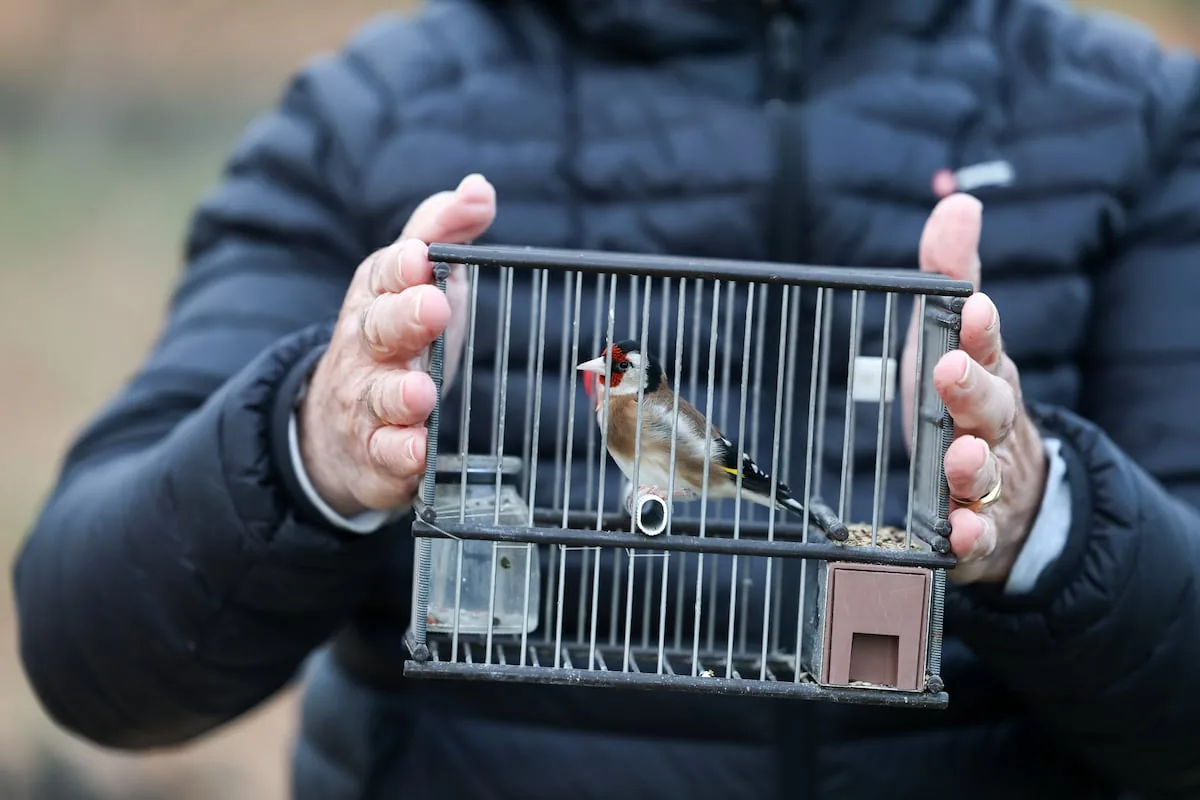
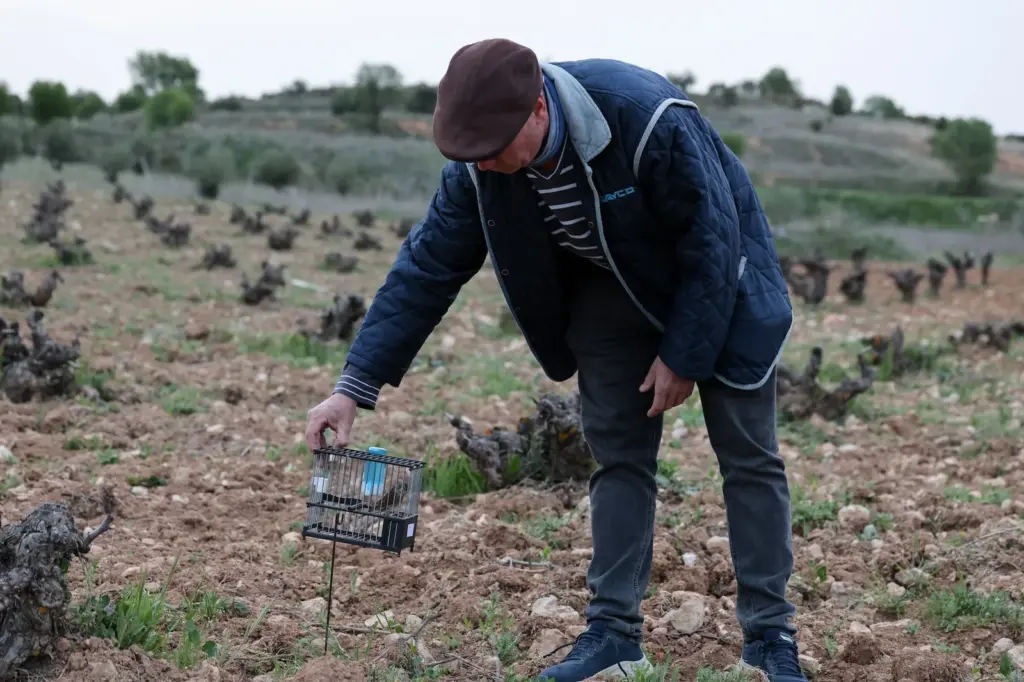
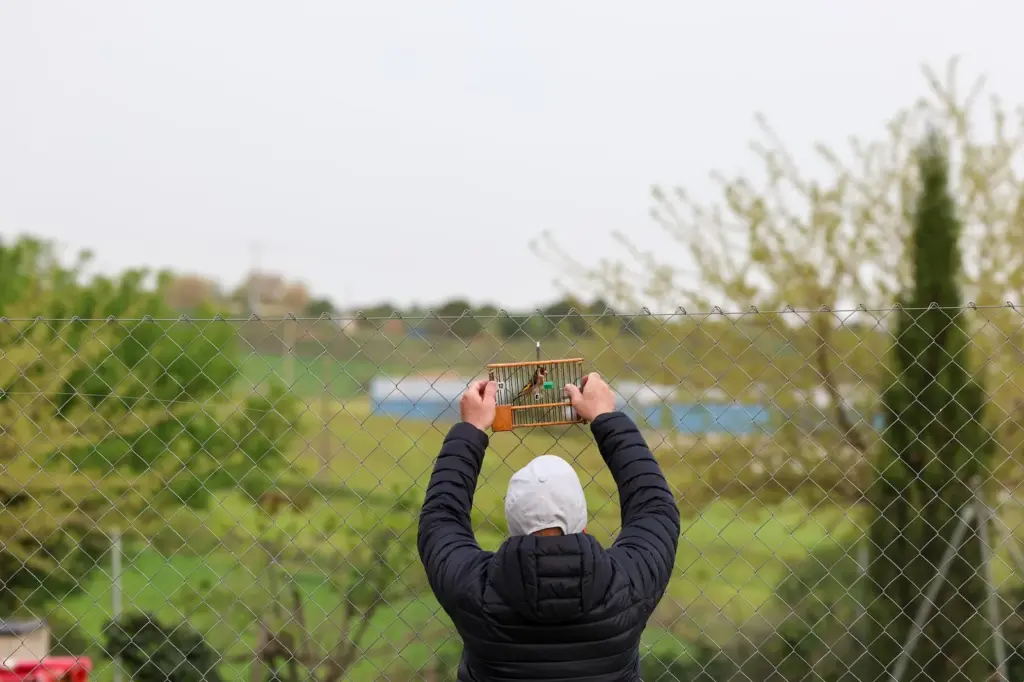
One of the main differences in this sampling method is that live decoys are used to attract the birds they want to count. Besides the table and folding chairs, the three silvestrists have placed eight small cages next to them with goldfinches, linnets, and greenfinches brought from their homes. Nowadays, seeing caged birds generates more rejection than in the past: “It’s a matter of how people relate to animals; 20 years ago I didn’t see a dog with a coat and now I do,” points out López Espí. Next to him, Vega emphasizes that these birds usually don’t live more than two or three years in the wild, due to predators and other dangers like pesticides. “However, one lasted 18 years at my house,” he adds.
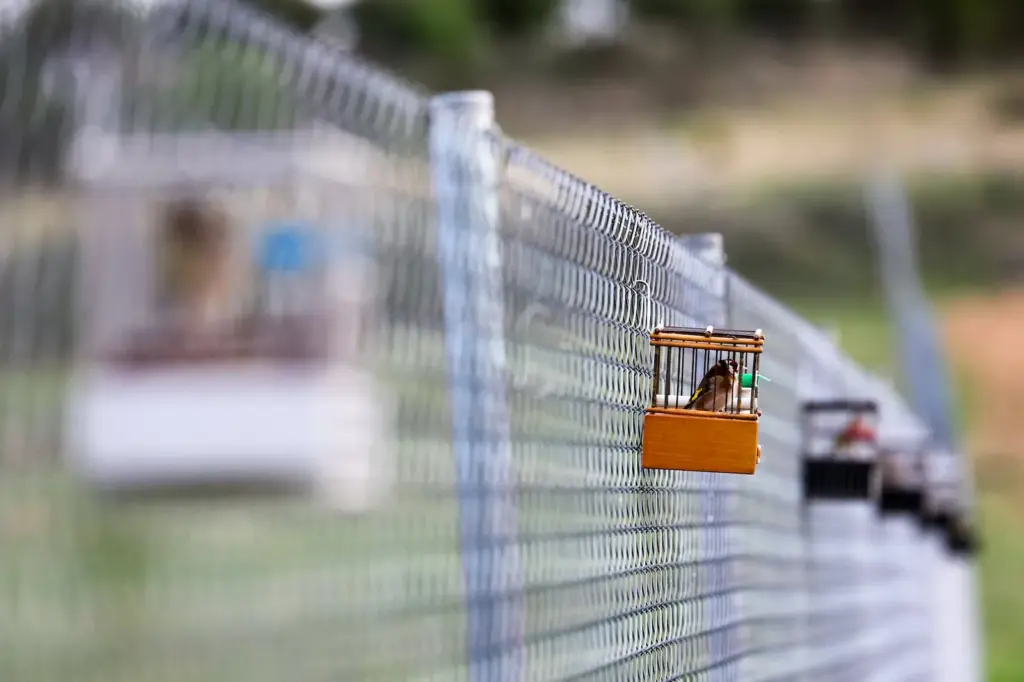
Despite harsh criticism of this counting methodology by ornithology specialists, they defend that their system is better for exhaustively censusing these songbirds. The usual way of counting birds, used by institutions like the Spanish Ornithological Society (SEO/BirdLife), is to go to a series of points and count the specimens of all species recognized there at that moment by sight or hearing. According to López Espí, this is interesting when repeated regularly in the same places to establish trends, to check if populations grow or decline, but he considers it too imprecise to determine the total number of specimens of these species across the territory. Instead, they have divided the entire Community of Madrid into 86 grids and have the help of between 500 and 700 volunteers linked to silvestrism and hunting who come to count at least six times a year with their decoy cages. In Andalusia, the same is being done, but also using another type of lure with live birds to capture specimens and release them. In Madrid, they no longer have special authorization to catch specimens since 2021, although this is unrelated to the counting itself and is done to obtain other types of information, such as the animals’ condition, sex, or if they have a ring indicating their origin…
Critical scientists argue that using live decoys in studies requires authorization from an ethics committee, another issue also under discussion. However, they disagree. “As far as I know, it is not necessary,” defends López Espí, who argues that the birds they use as decoys are the ones they have at home and not experimental animals.
How these birds are counted is more relevant than it seems. The underlying issue is precisely the captures, which are prohibited by the EU Birds Directive. According to the three, their only aim with these counts is to obtain the best possible information about songbird populations. “We like birds and want to know if our own hobby is sustainable,” says Marazuela, who is doing his doctoral thesis on the 11 finch species. However, they also acknowledge that their studies are being used by others to try to justify the recapture of songbirds for silvestrism, as demanded by the Andalusian Hunting Federation to the Junta. According to the Forestry engineer, they only provide the data, “the decision is made by politicians.”
Read more The double gaze of Montgomery Clift
“How much can a population grow? Infinitely?” wonders Marazuela, who suggests there may be too many specimens. As they point out, just in the Community of Madrid, their counts of goldfinches, linnets, and greenfinches tally about 900,000 birds in spring before breeding, which are those living year-round in the region; then after reproduction, they estimate the population doubles to about 1.8 million, and from October they find the maximum number, reaching about 2.5 million, due to the arrival of migratory specimens from other countries. With these counts, the Forestry engineer is clear that foreign populations must be “regulated.” “The birds from outside eat the food of the local ones,” he states.
Hunting federations and silvestrists demand that it be possible to recapture specimens in the wild to replenish their collections of caged birds. From their point of view, it is not possible to maintain populations in captivity by crossing the specimens they already have. “It’s not about whether it’s feasible to go to the Moon, but how many can go to the Moon,” says Marazuela, who states that their studies show a 50% drop in specimens bred in captivity in four years: if you start with 10 birds, they say that after that time only five survive.
For scientists critical of these counts, the problem is not only the method used and the use of live animals, but the conflict of interest posed by the silvestrists themselves conducting the studies. In the article with the sampling methodology published in February 2025 by Marazuela and López Espí in the scientific journal Ecological Indicators, they indicated that they had funding from the Community of Madrid and the Madrid Hunting Federation. However, the signatories of the reply published in the same journal in February 2026 criticize that neither of the two disclosed in the study’s declaration of interests their connection with Madrid hunters and silvestrism.
López Espí, Marazuela, and Vega downplay this and defend that the scientists who sign these opposing letters, from institutions such as the Doñana Biological Station, the National Museum of Natural Sciences, or the Max Planck Institute of Germany, also do not disclose their stance: “They don’t say they are anti-hunting either,” responds the Forestry engineer.
The silvestrists’ methodology stipulates that the count must last three hours. After that time, they put away the folding chairs and collect the birds in the cages. They have counted 66 goldfinches, 54 linnets, 30 greenfinches, 20 blue tits, and 11 chaffinches.
Read more The long road to restoring energy supply after the reopening of Hormuz