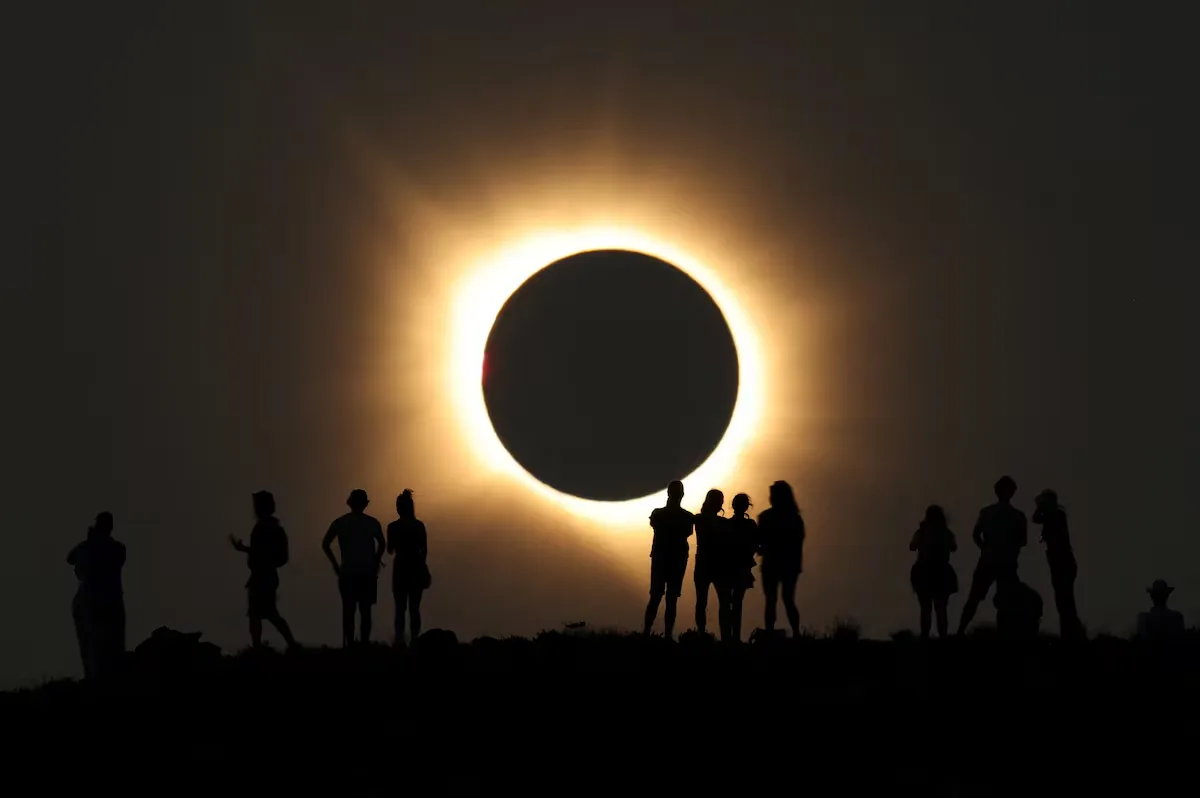
And the king star finally revealed its crown. It did so under a gigantic mantle of shadow that crossed from the north to the east of Spain at hypersonic speed, in just seven minutes, from when it entered through the Cantabrian coast at 20:26 until it exited through the Balearic Islands at 20:34 to merge with the night in the Mediterranean Sea. The first total eclipse to cross the peninsular territory since 1905 fulfilled the astronomical forecasts with precision; but at the same time, it overwhelmed a country that was waiting for it and did not remember anything similar. At half past eight, the entire country looked amazed towards the same horizon and more than one tear was shed down the cheeks of those who watched it, which then turned into a cascade, but of messages that fell nonstop in WhatsApp groups. “I’m seeing it too,” Spaniards told each other, in countless photos and videos shared on social media.
Read more A fire in Castellví de la Marca (Barcelona) forces the confinement of four residential areas
No one alive had seen that solar corona in these peninsular lands, a silky white veil surrounding a star that suddenly emerged black, almost an hour after the new Moon began to eclipse it. A brief and strange night passed for less than a minute over at least part of 31 Spanish provinces, which will not see anything like it again until November 17, 2180.
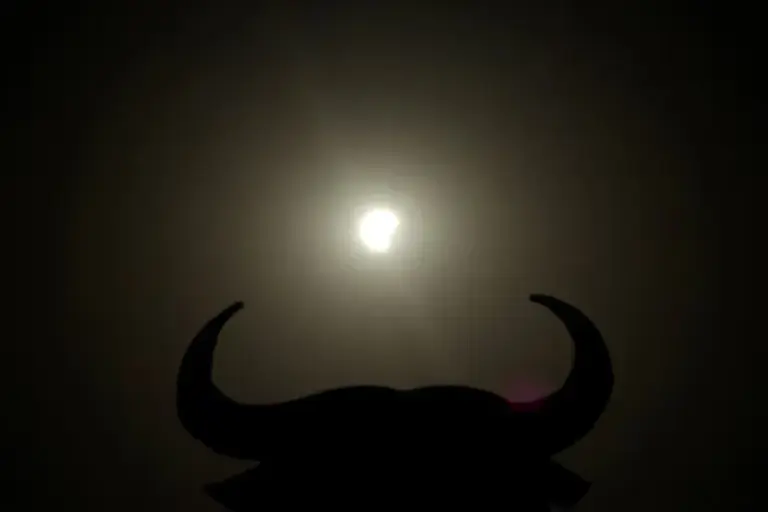
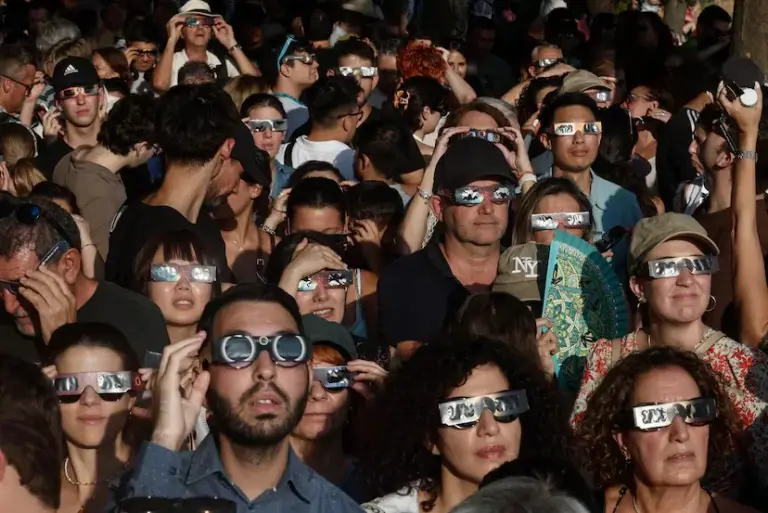
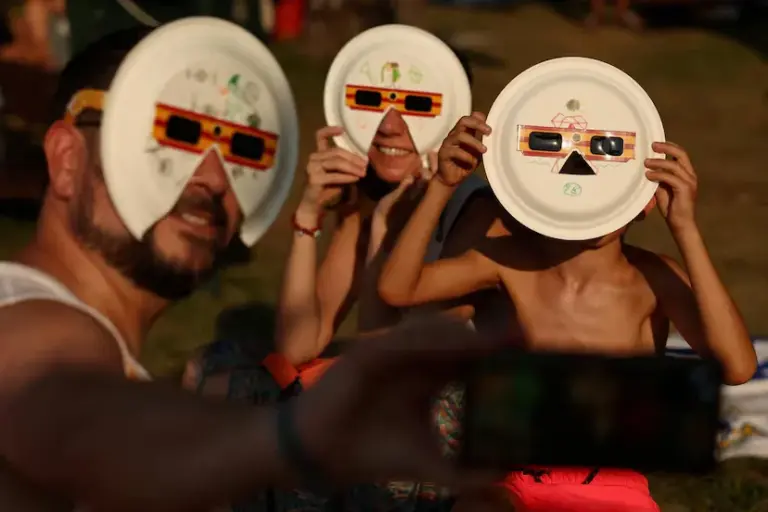
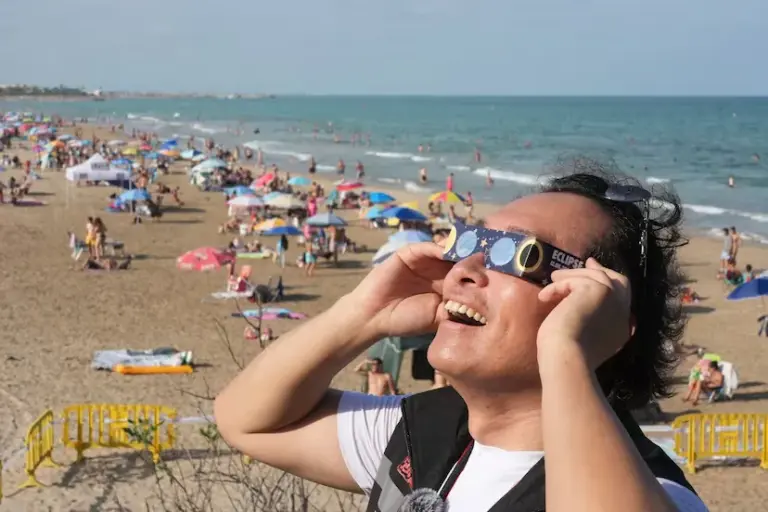
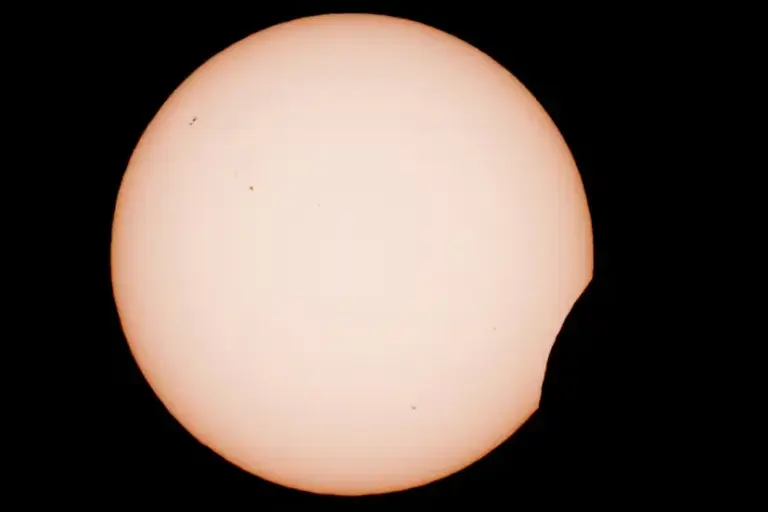
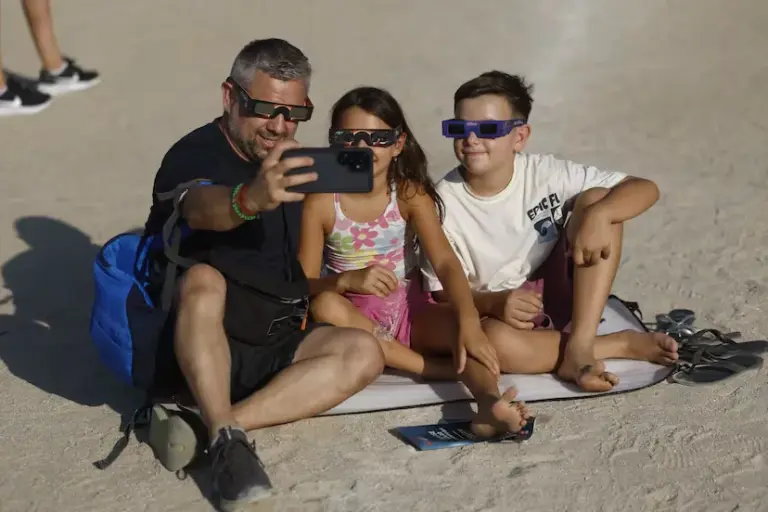
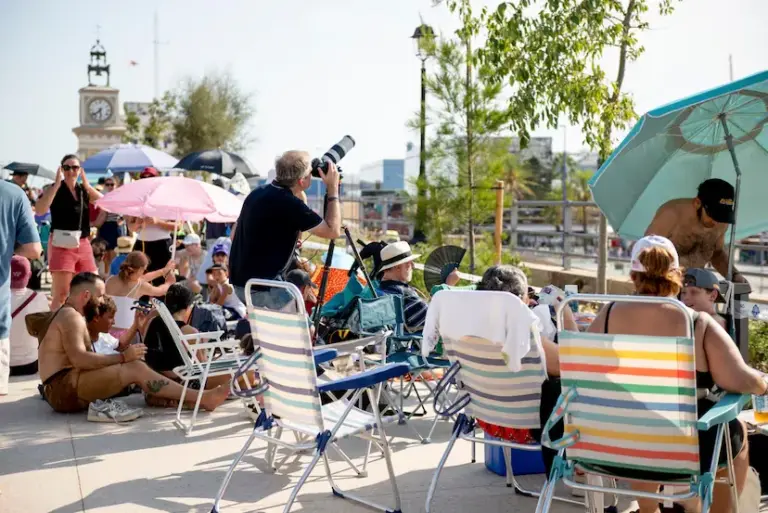
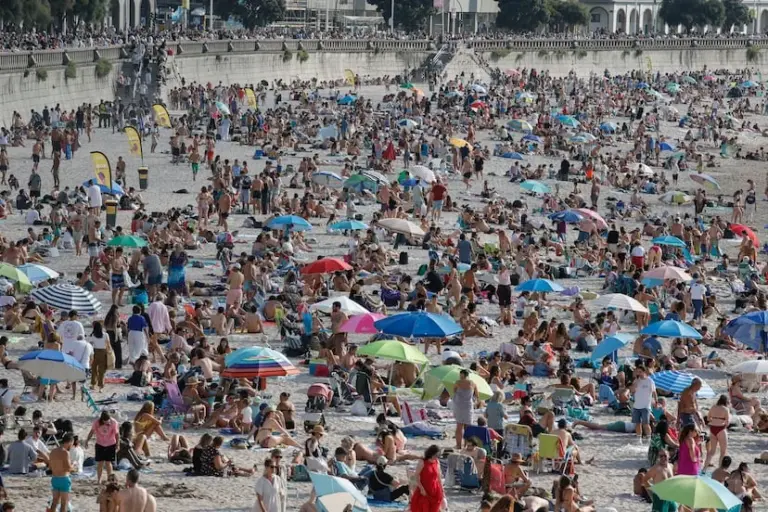
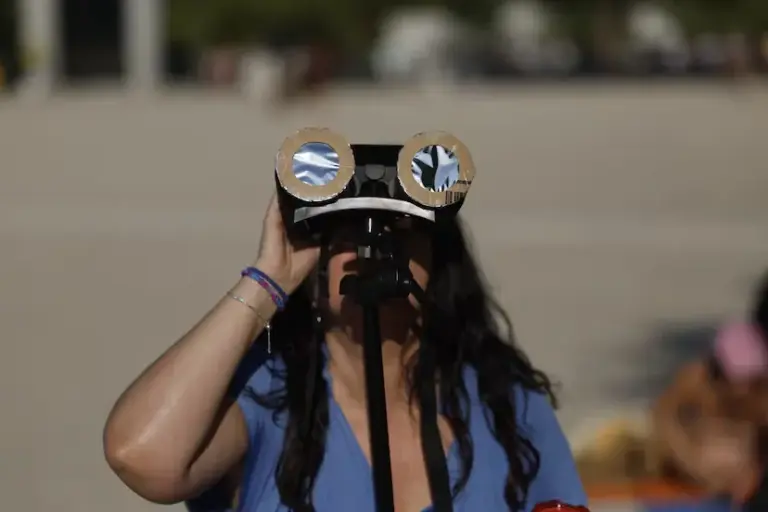
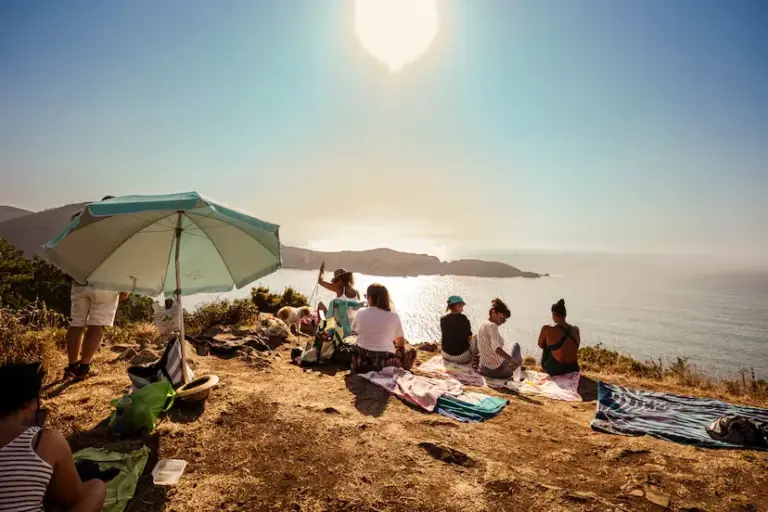
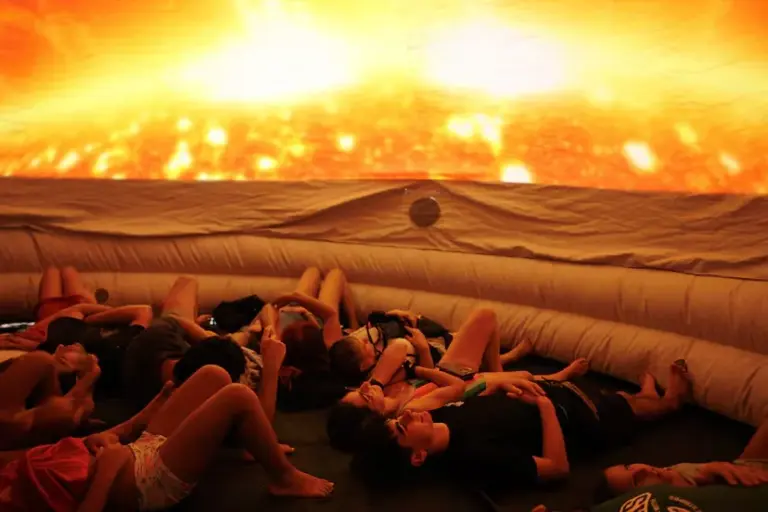
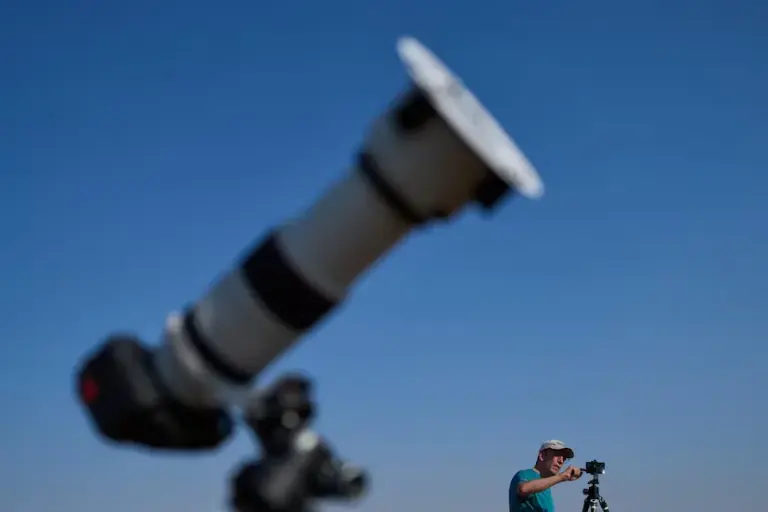
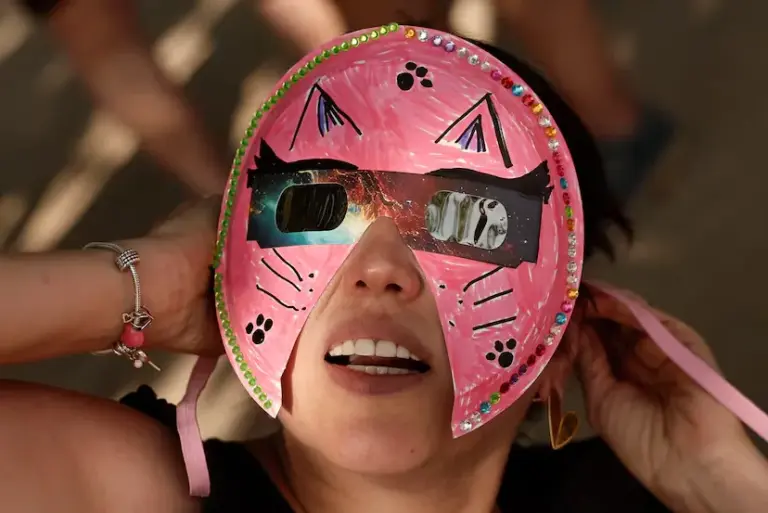
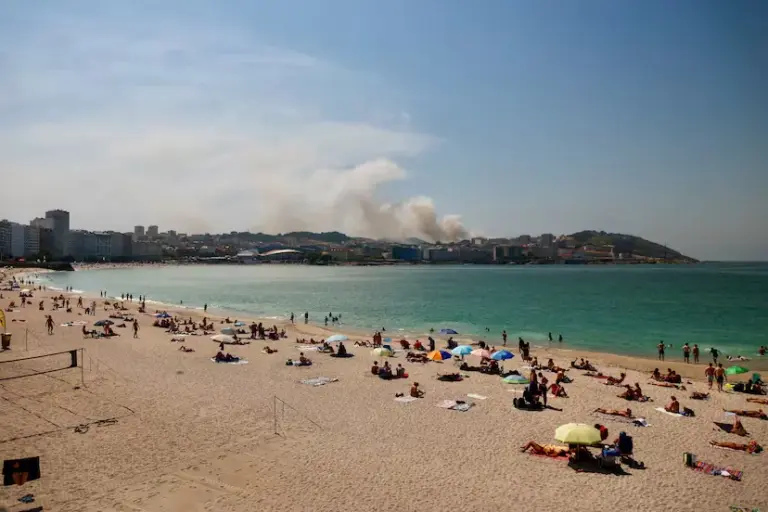
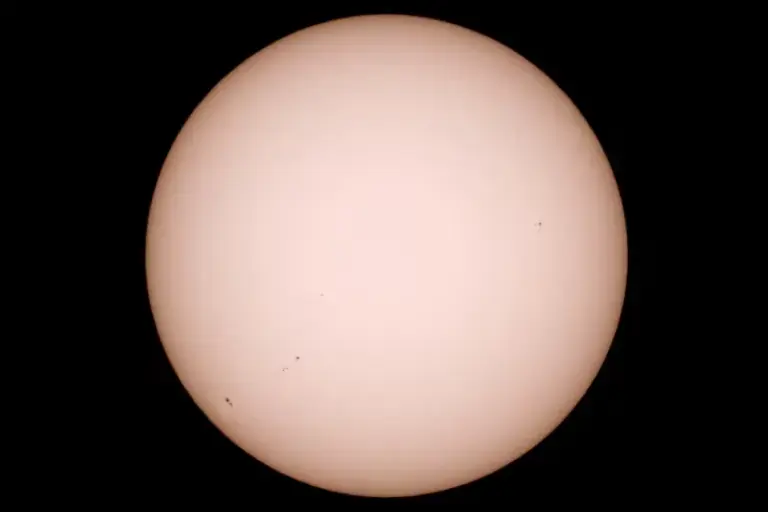
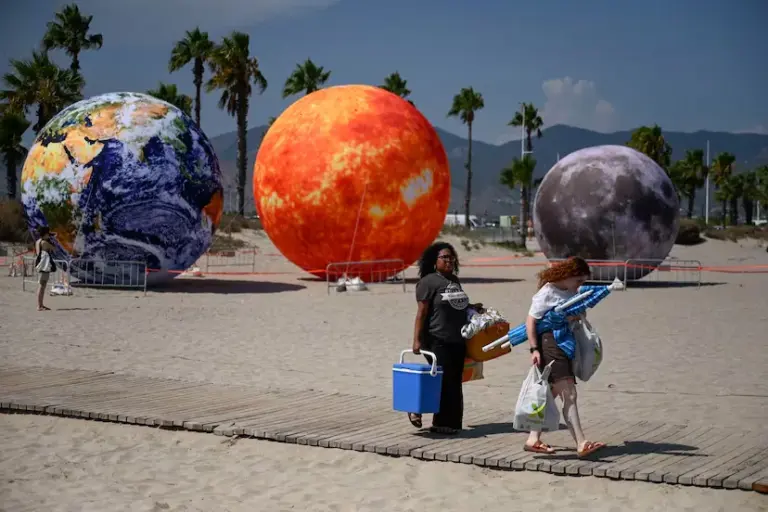
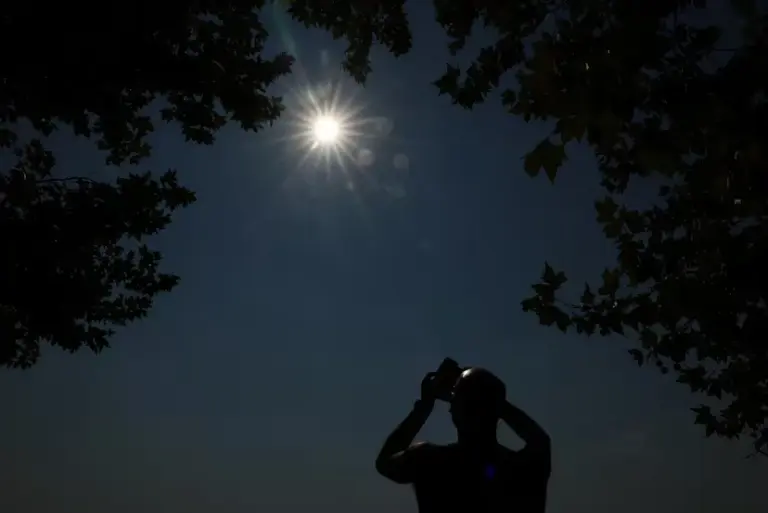
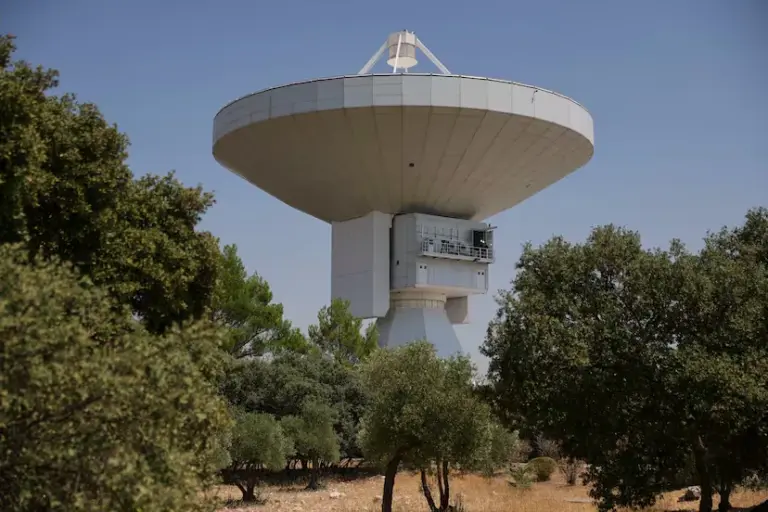
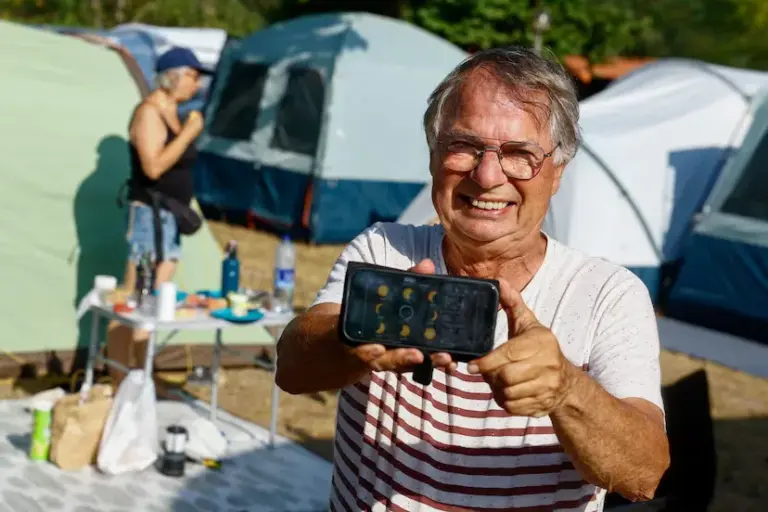
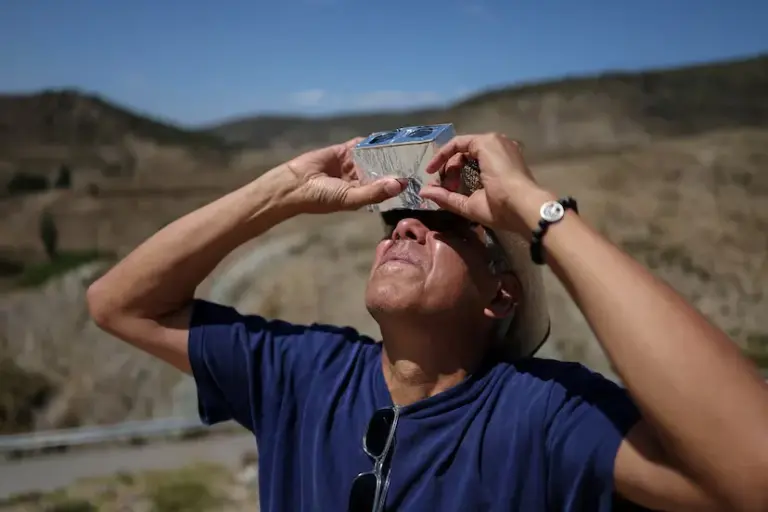
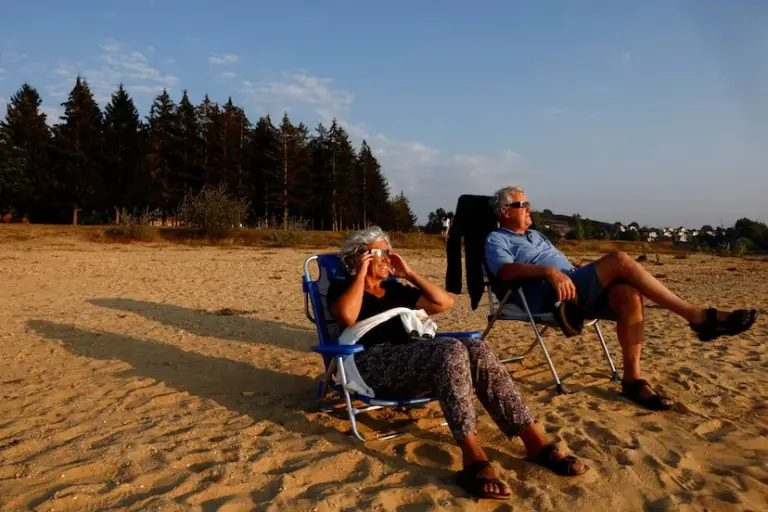
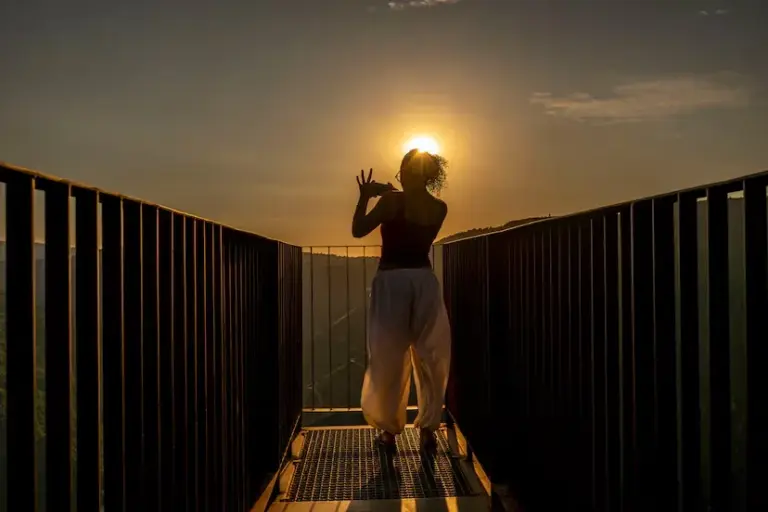
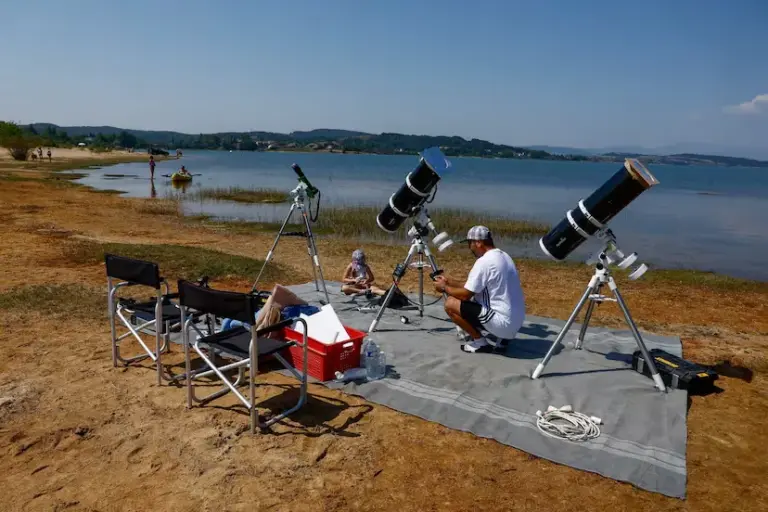
The weather also fulfilled its part this time in much of the path of totality. At least 15 million people located under that shadow about 300 kilometers wide, practically cloud-free for the occasion, had the chance to look directly at the natural spectacle of a perfect total eclipse, something that cannot be seen from any other point in the solar system. Only on Earth; and, this August 12, only in parts of Iceland and Spain, the only inhabited territories crossed by the path of totality of this eclipse. In statements to the media from the Yebes Observatory (Guadalajara), the official monitoring point of the eclipse, the president of the Interministerial Commission for the Trio of Eclipses and Secretary of State for Science, Innovation and Universities, Juan Cruz Cigudosa, assured that this event would turn Spain into “the World Cup of Astronomy.” “Today is the final. Spain is playing the final. It is leading the final,” he emphasized. And certainly Spain won that final, to the misfortune of the Icelanders, who could not see anything: clouds and rain obscured the passage of the eclipse over the western end of the island, where Björk had organized a solar “rave.”
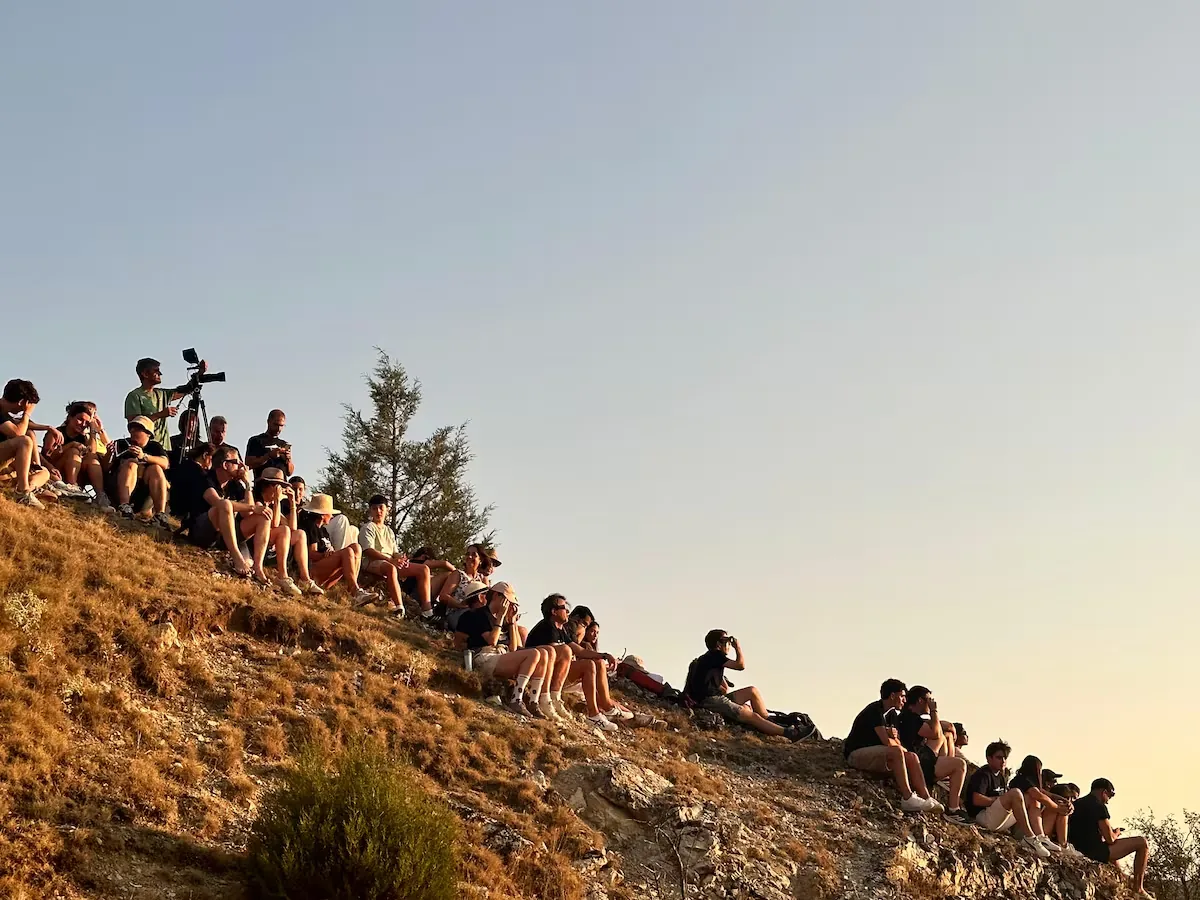
Empty Spain, where conditions were ideal to observe the phenomenon, awaited this eclipse with great expectation. Provinces almost always far from attention, such as Soria, Palencia, Teruel or León, concentrated the eyes of the whole world and hosted a unique celebration amid a summer full of pilgrimages. Massive music festivals gave way to popular parties in honor of the perfect alignment of the Sun and the Moon, carefully planned in towns like Castrillo de la Reina (Burgos), where the brass band began to roam its narrow streets at six in the afternoon, announcing the double night to come. This village, which in winter has only 121 inhabitants, was the base camp for more than a thousand people from all over Spain, who zealously kept the secret of this privileged location against the possibility of a massive influx. A delegation of journalists from the American newspaper The New York Times also arrived in Castrillo de la Reina, which would put this small town in the Sierra de la Demanda at the center of world attention. International journalists and a festival with enthusiasts from all over Spain to stir up a small town, a perfect illustration of what this astronomical phenomenon meant in much of the small municipalities that were sprinkled with the prize of the cosmic lottery. “It’s going to be like a sunset without a sunset,” say excited teenage girls from Castrillo, wearing eclipse glasses on their foreheads as if they were fashionable sunglasses.
The idea of being overwhelmed with massive gatherings, in the middle of a summer surfing one heat wave after another, was the great concern in that Spain that proudly showed privileged astronomical observatories like Javalambre (Teruel) or that felt recognized the beautiful darkness of its skies in provinces like Guadalajara, where summer nights that show thousands of stars invisible in cities, and reveal the Milky Way, have been a real breeding ground for vocations for dozens of top international astronomers. That Spain that builds a scientific bridge with Morocco —in such complicated times with the southern neighbor— to test in the city of Palencia a scientific experiment that will be completed on August 2, 2027, when another total eclipse crosses the southern end of the Peninsula and northern Africa.
If it is normal for almost 400 years to pass before a total eclipse passes again over the same place, the regions that experienced the day of two nights this Wednesday can be considered especially fortunate. Another eclipse with a very similar path passed over most of them in 1905, leaving a mark in the collective memory. In Castrillo de la Reina, the oldest locals remember how their elders told them about that time when the great shadow of the Moon caught them by surprise, 121 years ago and also in the mid-19th century. Although the entire country had been talking for months about the astronomical phenomenon, whose passage science had predicted to the second, when it really arrived it left a mixture of joy and astonishment that made us empathize with our ancestors who lived in fear of that sudden darkness, which always came as a surprise.
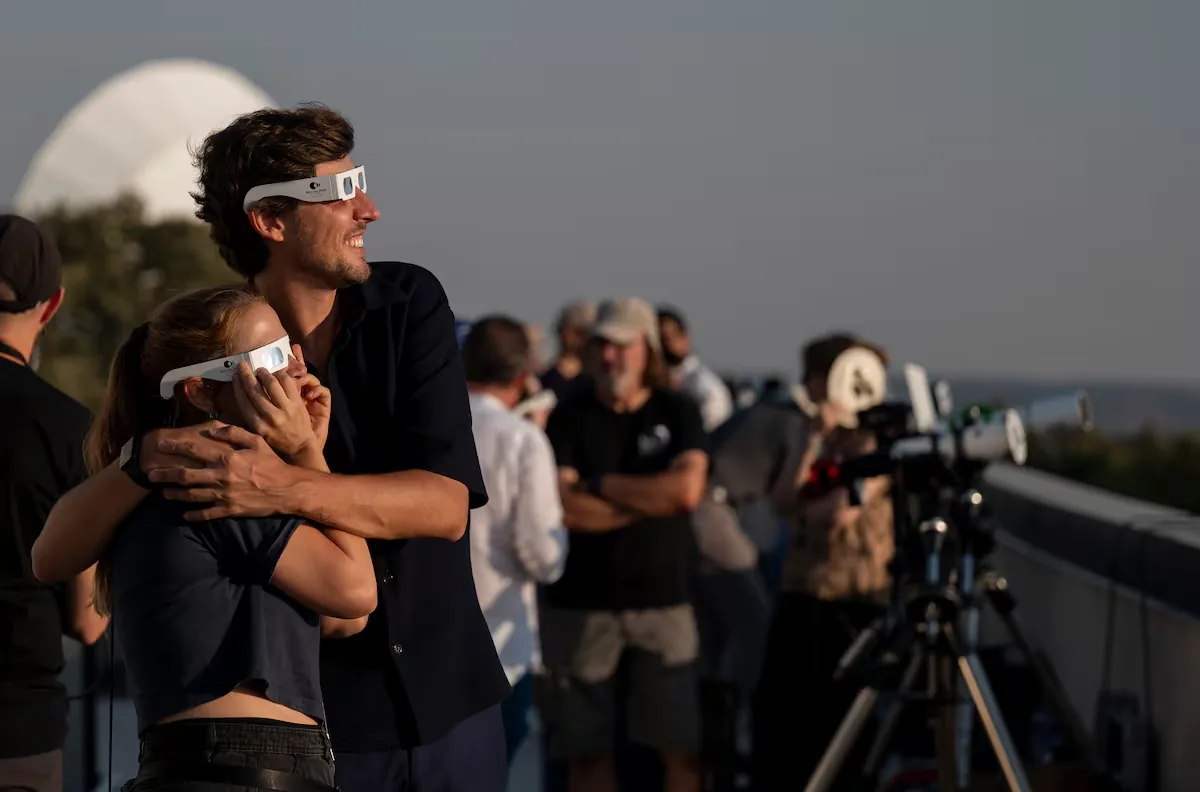
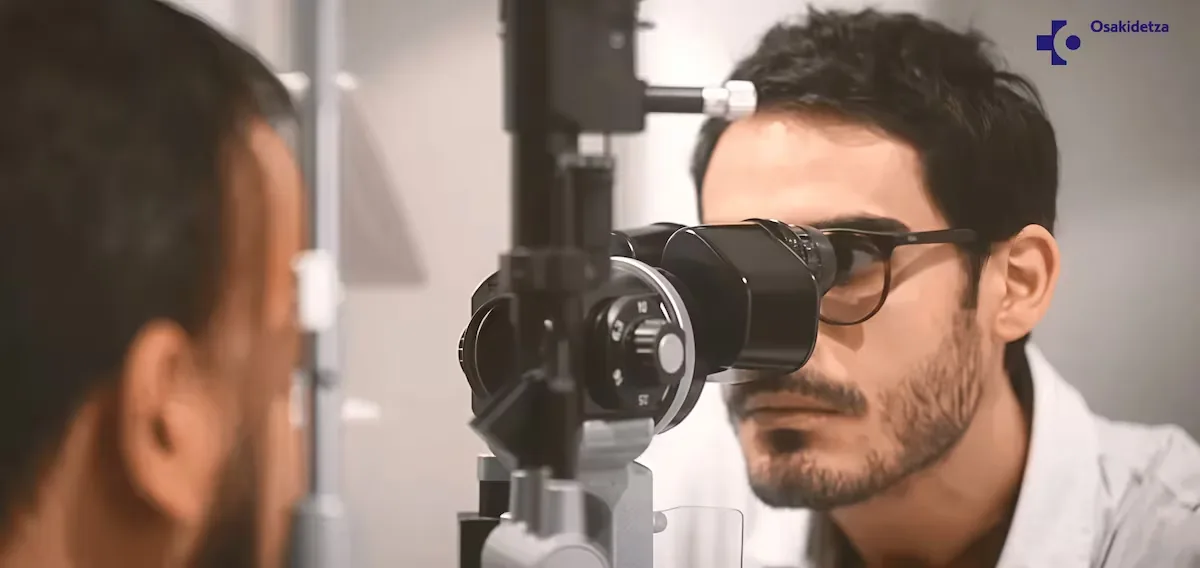
Eclipsemania passed through Spain for the first time since the entire population has free access to information about the details of the total solar occultation —and to the appropriate protective means to observe the phenomenon without risk to the eyes—, it revived concerns that connect with some of those ancestral fears. Ophthalmology colleges and ministerial departments recommended that the population observe the total eclipse with protective glasses on at all times, for fear of serious eye injuries from incorrect use. Meanwhile, small towns like Frómista (Palencia) preferred to organize public observations with masters of ceremonies like astrophotographer Ángel de Francisco, who gave precise instructions to his neighbors on when they had to take off their glasses to be able to, without risks, see what is always there but we had never been able to see: the solar corona.
Read more Chess analysis | The fullness of Carlsen (XIII)
A challenge for the country
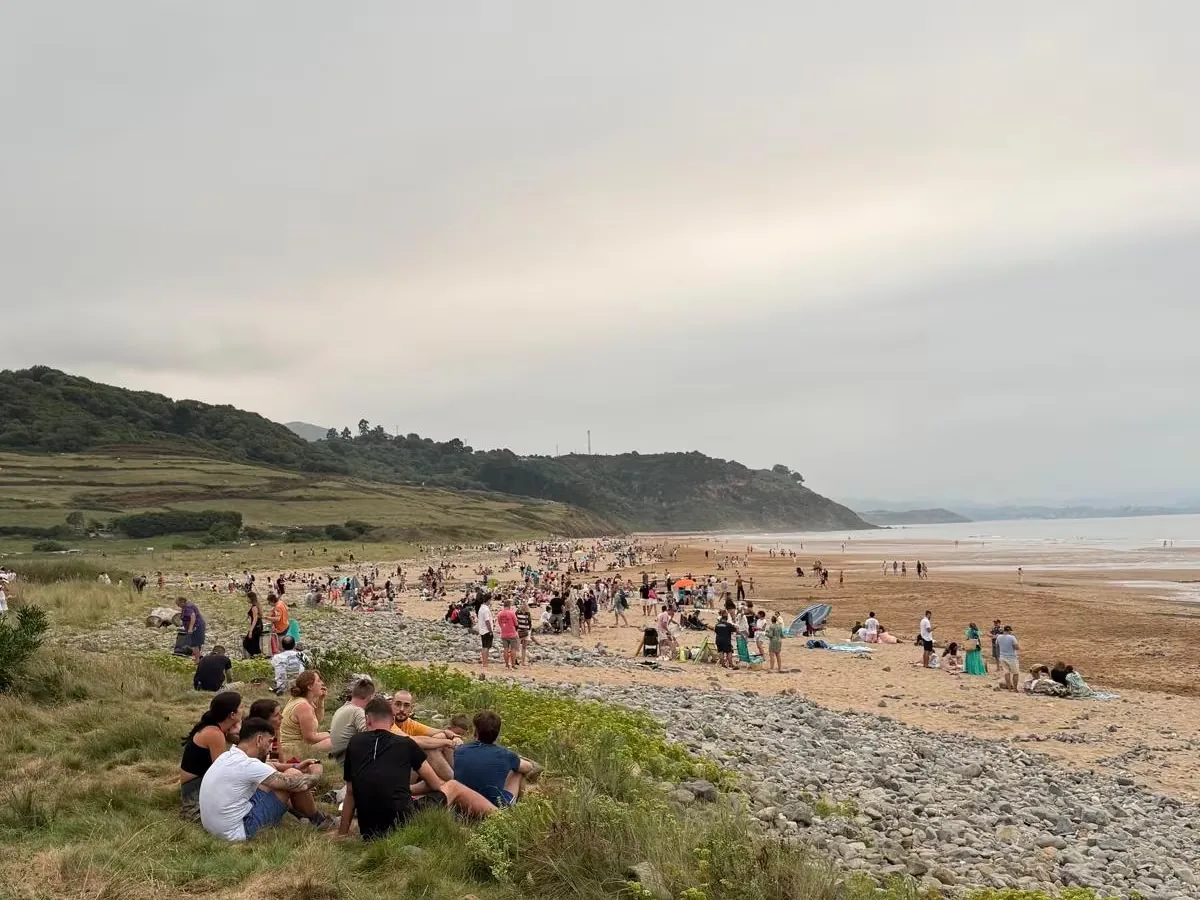
Just as the Moon began to bite the light of the Sun, the Minister of the Interior, Fernando Grande-Marlaska, reported in Yebes that the start of the operation —which had announced the deployment of almost 35,000 personnel, including police and civil guards— had gone ahead without too many incidents. Early in the afternoon, some traffic jams at the exits of Madrid and Barcelona, which had not won the jackpot of the total eclipse, showed the eagerness of the citizens to reach a unique event. Also on the Asturian coast, hit by clouds.
The Government installed its headquarters at the Yebes Astronomical Observatory, built in 1975 in this town of Guadalajara with more than 5,600 inhabitants due to its almost 1,000 meters of altitude, but despite rumors, denied from La Moncloa, Pedro Sánchez did not appear there, only enjoying a partial eclipse at the La Mareta residence, on the Canary Island of Lanzarote. Although the 100% totality hidden only darkened 40% of the Spanish territory, the whole country, up to the Canary Islands archipelago, enjoyed its piece of the eclipse.
The Government expected between 400,000 and 1.5 million additional trips to go to areas where the phenomenon could be observed in its entirety, so a special surveillance device of the Directorate General of Traffic had been deployed. There was also fear of a communications collapse due to saturation and, above all, there was fear of the risk of fires, as pointed out by the Minister for the Ecological Transition and the Demographic Challenge, Sara Aagesen: “No fires allowed, do not park on dry vegetation, keep access free for emergencies and check the fire danger level daily. The day of the total solar eclipse is a day to enjoy, but also a call for prudence and caution.”
The calculation of the benefits for the provinces lucky enough to win the astronomical lottery estimated half a million extra tourists thanks to astrotourism and between 350 and 400 million euros of added value. But science took the floor to assert itself in dark times, and not because of the shadow of the eclipse. The astronaut, former Minister of Science and president of Hispasat, Pedro Duque, expressed his wish that the eclipse “attracts people towards knowledge” and that it “remains in the conscience” of Spaniards. In statements to the media at the Ebro Observatory, in Roquetes (Tarragona), he insisted on fighting misinformation with the power of science: “There are people who pay more attention to a WhatsApp audio that comes from the neighbor on the fifth floor than to things that really work, like science.”
In the same vein, his successor, Diana Morant, defended on RNE that “a conversation between science and a charlatan is impossible.” “Humanity has always looked to the sky to explain things and when science did not exist it was thought that the gods were punishing,” said the minister. “Explanations were sought and now we have explanations in science and there is not one science that explains climate change and another science that says there is no climate change,” she insisted. Beyond political confrontation, a scientific event, a historic total eclipse, filled half of Spain with amazement, hypnotized by the beauty of the image engraved on their retinas.
Read more Inés López dances with the disc at the European Athletics Championships