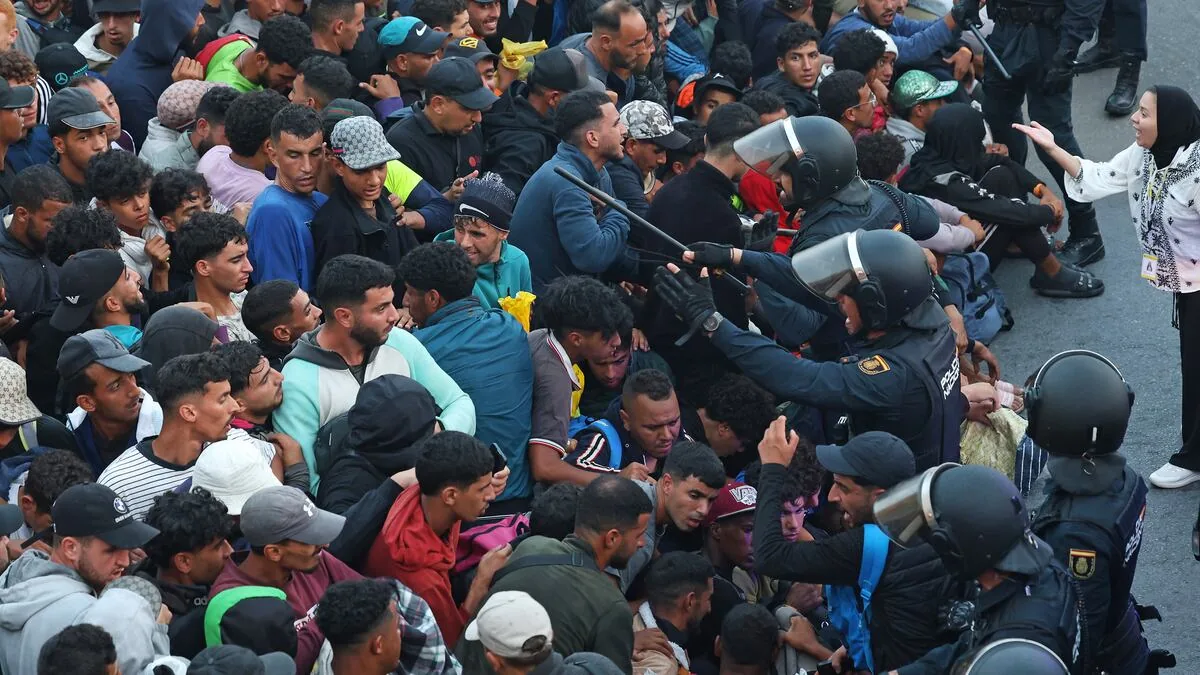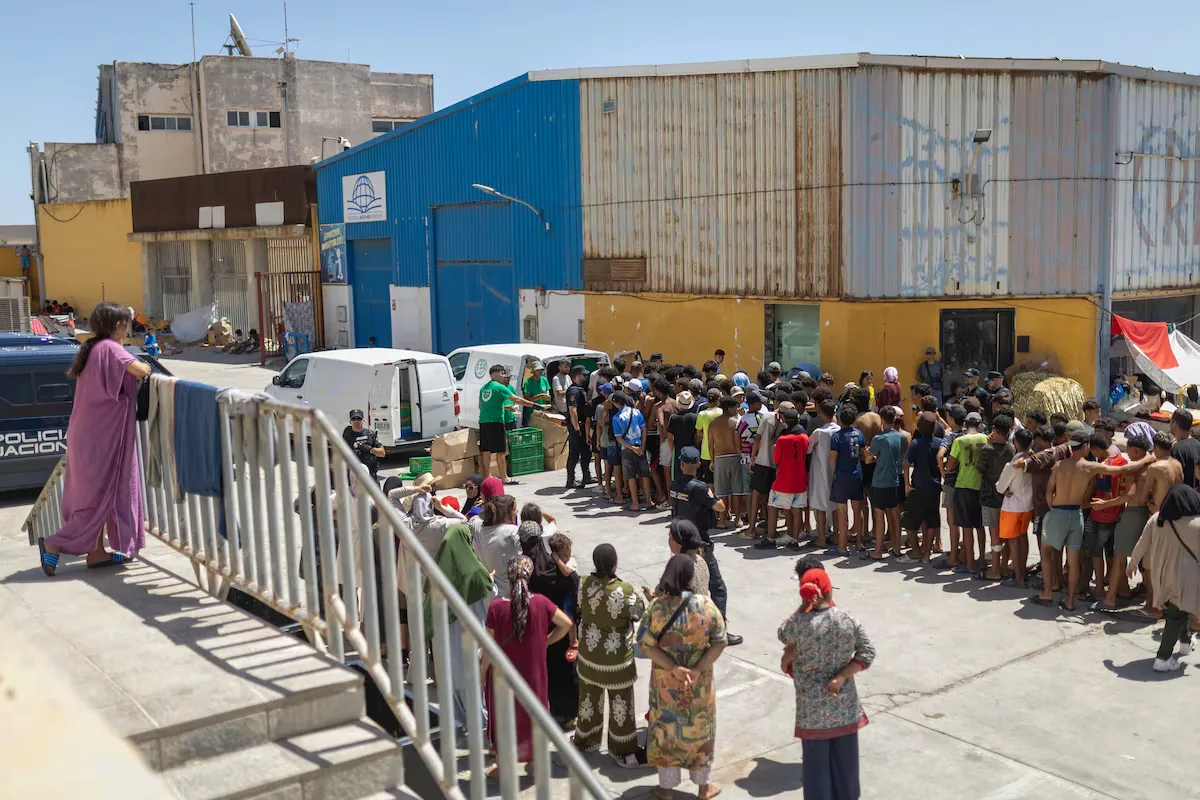
During the Ceuta crisis, about 80,000 people entered irregularly with the Moroccan authorities looking the other way. But only about 8,000 remain there. And the true scale of the crisis currently stands at 5,000 people: the sum of minors (about 2,500) and potential asylum seekers (another 2,500), according to estimates handled by the Government.
Read more Civilians in Ukraine and Russia are paying an increasingly high price in the war
The causes of the Ceuta crisis remain unclear: a socioeconomic and political mix that combines growing unrest and lack of prospects among Moroccan youth, misinformation on social networks, and that strange looking the other way by the Moroccan authorities amid the avalanche for reasons ranging from the need to avoid a massacre (there were 142 deaths, but there could have been many more) to Mohamed VI’s geopolitical agenda. Two weeks later, there are more conjectures than facts. But at least the numbers are starting to clarify and shed some light on that episode: the Government has raised the number of entries into the autonomous city in the final days of July to 80,000. The vast majority — about 90%, roughly speaking — have already returned to Morocco. But Ceuta, with a population of barely 83,000 inhabitants, still hosts about 8,000 people in its streets, in some precariously adapted infrastructures and on the beaches, a formidable jump of 10% in its demographics that causes all kinds of stress on the city’s services. The data handled by the Government points to a range to fit the margin of error, which would go from 7,000 to 9,000 migrants, somewhat below the estimates of the president of Ceuta, Juan Jesús Vivas (PP). But the key figure to manage the crisis is the migrants who can opt for reception: with those numbers in hand, the Executive estimates up to 5,000 people as the needs of the Spanish Administrations. Of these, up to 2,500 are minors (about 1,000 more than previously estimated), and another 2,500 are potential asylum seekers, according to sources consulted in the Executive, with several ministries involved in managing the crisis: Interior, Migrations, Foreign Affairs, and Youth.
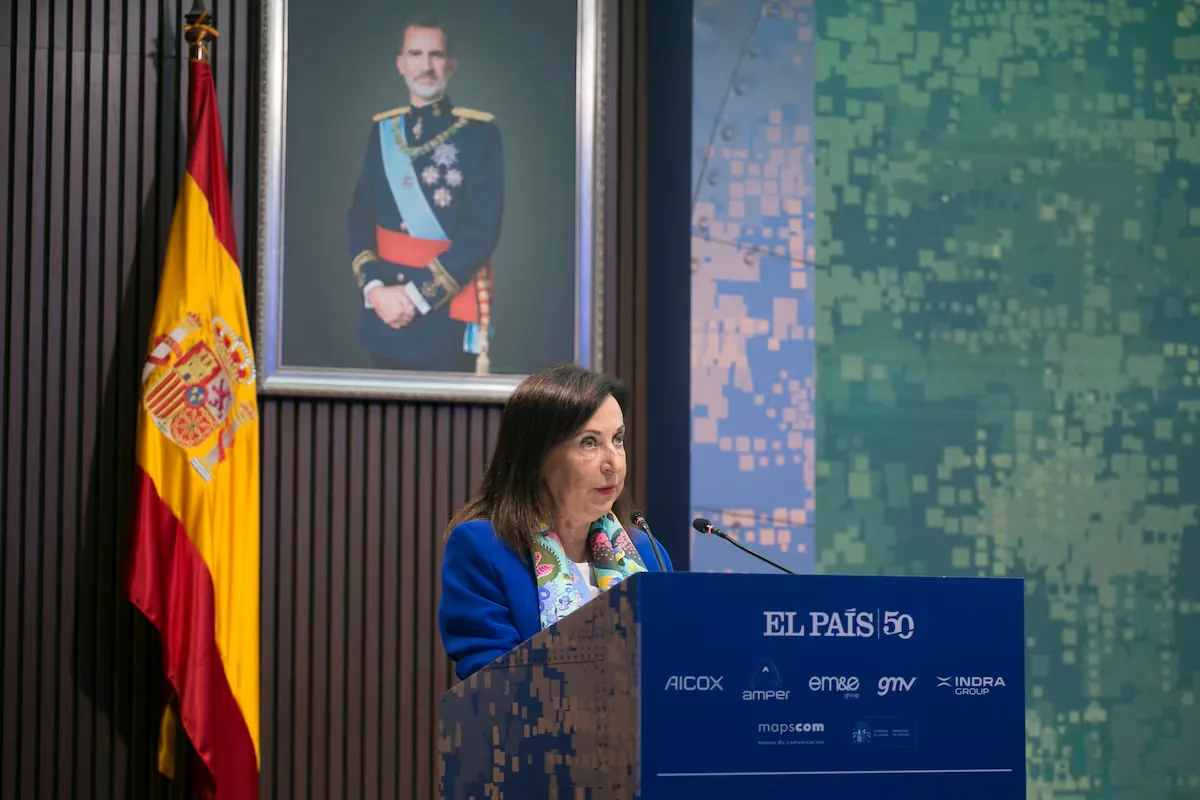
The different sensitivities within the Government itself regarding migration policy and the Ceuta crisis have been felt in recent days. “Ceuta is very Spanish,” explained the Defense Minister, Margarita Robles, on Wednesday during her visit to the Spanish enclave in North Africa in response to the proclamations of Moroccan nationalists, including the Minister of Justice, Abdellatif Uahbi. And yet the quid of the matter, at least in the short term, is another: how to manage the loose ends of the Ceuta crisis. “All those who entered Ceuta irregularly will be returned to Morocco,” explained the Foreign Minister, José Manuel Albares, on Tuesday. And yes, that is the key: the Interior Minister, former judge Fernando Grande-Marlaska, clarified on Wednesday that “more than 400 international protection files” are already underway and that people who have the right to asylum can obtain it if those files are approved; those who do not have it “will be expelled,” according to Grande-Marlaska.
In plain terms: of the 8,000 migrants who entered, about 3,000 according to the Government’s count, will be expelled: these are the so-called economic migrants, mostly adult Moroccans, but also from other countries who do not have the option to claim asylum. Spain does have the obligation to host the 2,500 minors, although if those minors want to return with their families and the families claim them, that will be their destination; only a minority of cases fit that profile. There are also about 2,500 sub-Saharan Africans, concentrated on Trampolín beach, who may be eligible to apply for asylum: the obligation of the Spanish authorities is to process those files “case by case,” government sources emphasize.
Spanish and international legislation makes it clear that those who suffer persecution, serious violence, or come from countries immersed in armed conflicts have the right to asylum. Committing any crime automatically suspends that right. The European Parliament considers Morocco a safe country; Syria, Afghanistan, Ukraine, Venezuela, or Mali are usually among the nationalities that opt for asylum. There are, for example, Palestinians in Tarajal, who would fall into that category.
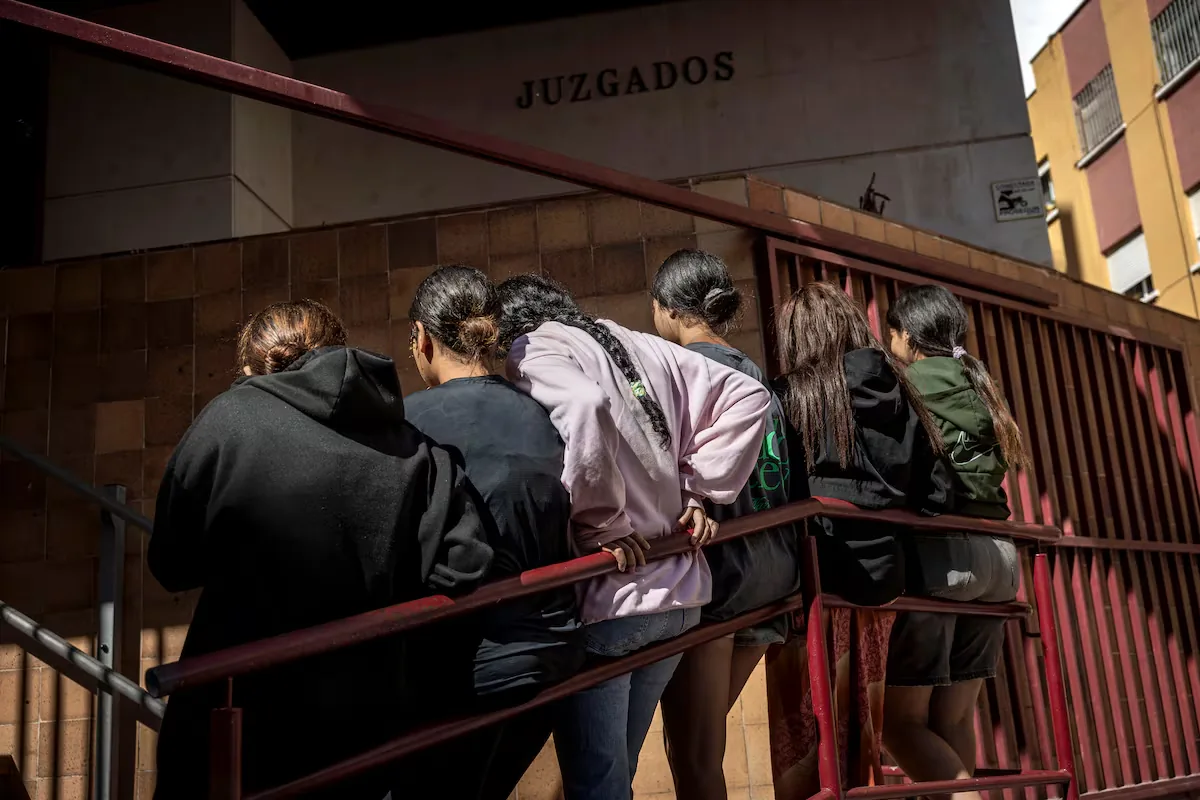
Among the 2,500 minors still in Morocco, there are around 600 girls, according to government sources to this newspaper. And there are also about 400 minors under 13 years old. The Ceuta crisis, in short, shows that the profile of irregular entries “is changing.” “There are increasingly more girls and minors of increasingly younger ages. Now it is time to accelerate efforts to provide reception for those who have the right given the risks that this emergency situation may be prolonged,” explains Minister Sira Rego to EL PAÍS. Other government sources add that the next steps are a Council of Ministers scheduled for August 25 to enable the allocation of 25 million euros committed by Minister Elma Saiz for the care of unaccompanied minors. The Government is considering increasing that amount depending on the needs associated with managing the crisis. In addition, a sectoral conference will be convened at the end of August for the distribution of minors in the autonomous communities (and among foster families who have approached the Government to care for them). The government sources consulted point out that there are also reception places for asylum seekers on the Peninsula, as happened when the war in Ukraine broke out, on that occasion with support from the entire EU.
Ceuta demands speed. The president of Ceuta, Juan Jesús Vivas, also fears a second avalanche around August 15. Vivas conveyed to Minister Margarita Robles that the situation in Ceuta is “unsustainable” and that citizens feel “deeply worried, outraged, and abandoned.” But in that scenario, there are many more actors. There are the different sensitivities within the Government, some interested in sending strong messages in the face of the rise of the far right. And the autonomous communities, which must collaborate in reception. Rabat continues to send messages. And also the European Union, with countries with upcoming elections, such as Sweden, joining the countries most hostile to Spanish positions, Denmark and especially Italy. Italy under Giorgia Meloni, despite anti-immigration messages, recorded almost 17,000 irregular entries by mid-year, approximately 50% more than Spain. Those figures will change radically when the thousands of irregular entries to Ceuta are added. But tensions are boiling almost everywhere: the fragile situation in Libya and especially recent events in Tunisia could bring surprises in the eastern Mediterranean, mainly on the Italian coasts, according to experts.
Read more Follow the Current, the campaign that seeks to protect the urban channels of the Metropolitan Region