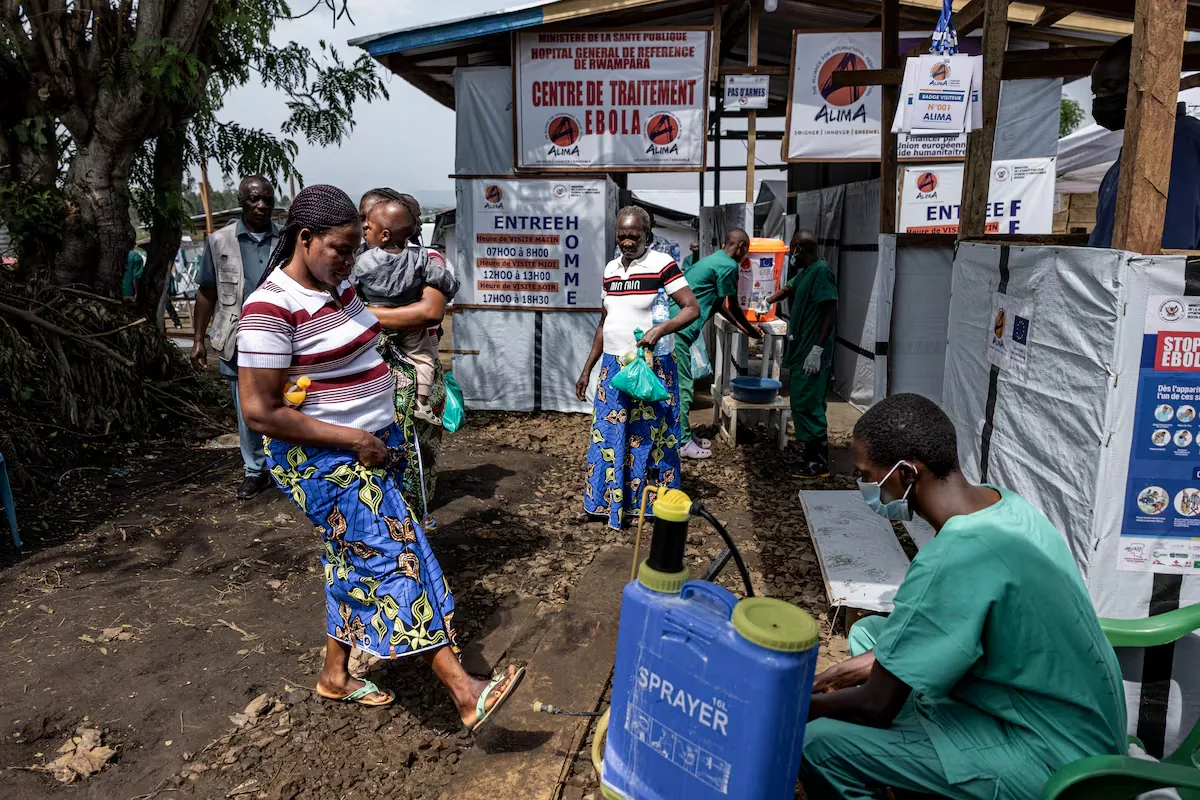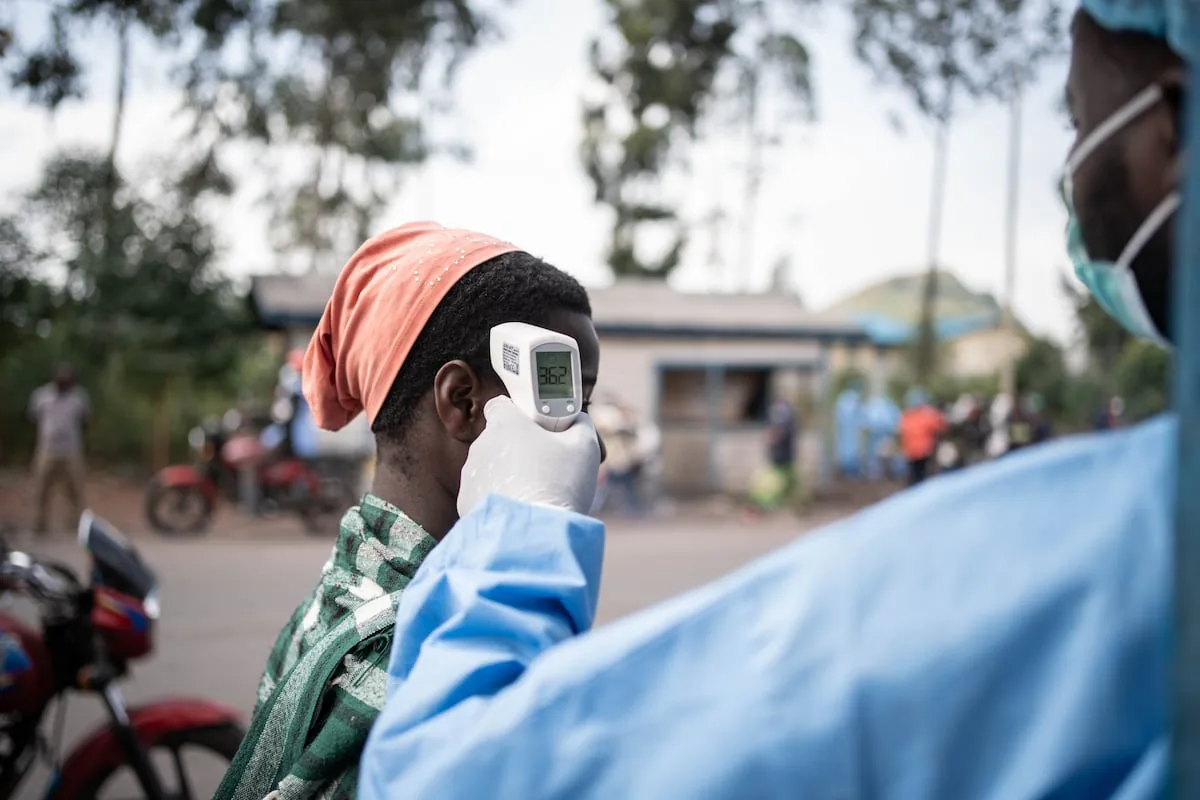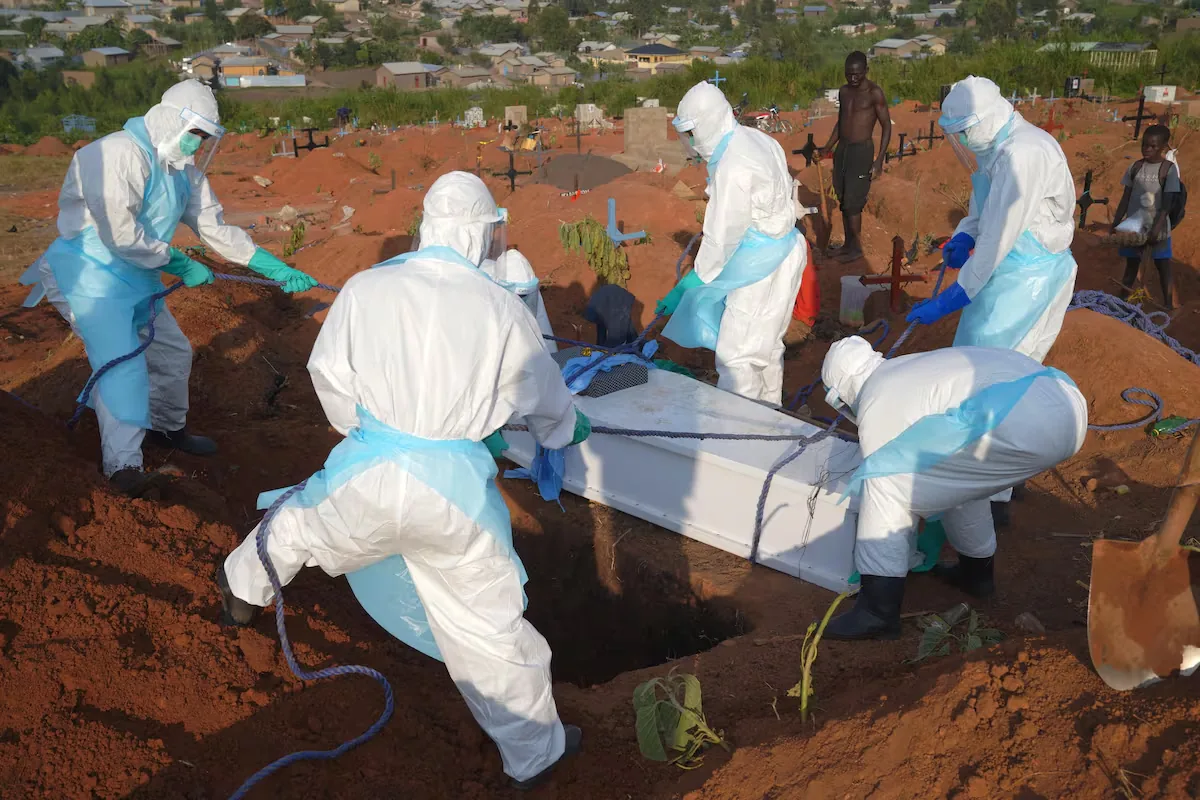
The Government of the Democratic Republic of the Congo (DRC) raised on Friday the number of deaths to 2,184 and confirmed cases of Ebola to 4,665 due to the outbreak declared in the east of the country on May 15. According to the latest bulletin published by the Congolese Ministry of Communication, with data collected up to August 12, the fatality rate currently stands at 46.8%.
Additionally, 634 patients are in “isolation or hospitalized” and 965 people have recovered from the disease, while the contact tracing rate is at 84.2%. Transmission now affects six Congolese provinces, after the African Union (AU) confirmed on Thursday a death in Bas-Uélé (north), of a person who left the previously affected containment zone and moved to Buta, the provincial capital.
This region thus joins the provinces of Ituri (epicenter of the outbreak), North Kivu, Haut-Uélé (east), and Tshopo (center-north), while in the also eastern South Kivu more than 70 days have passed without a new confirmed case. “Community outreach activities continue, along with strengthening logistics, monitoring, and patient care,” added the Ministry.
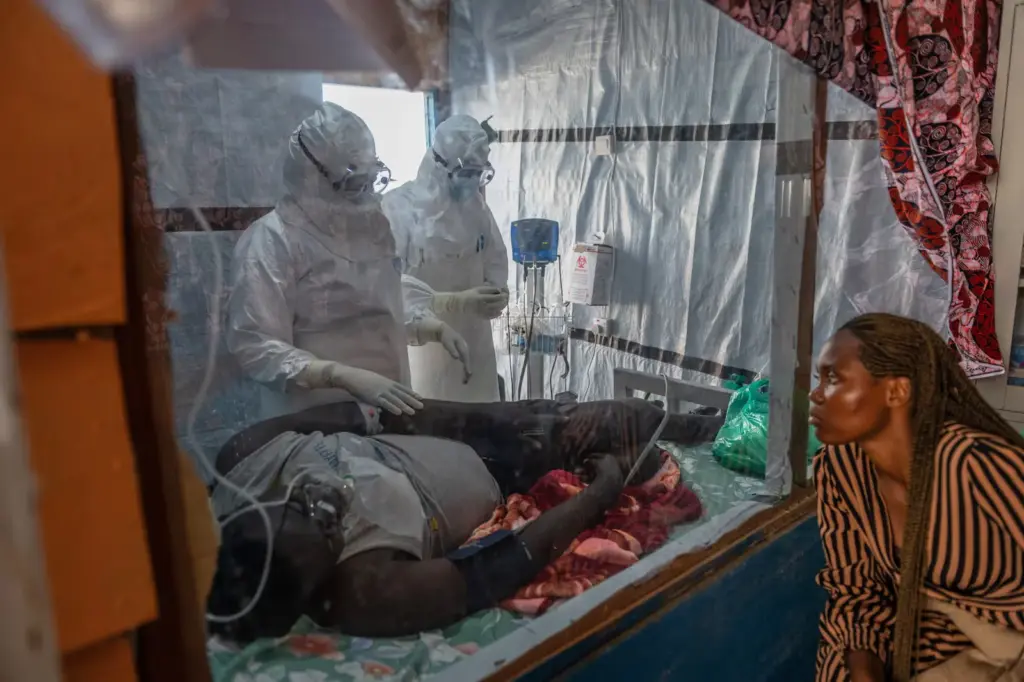
According to the World Health Organization (WHO) revealed this Monday, the virus began circulating in eastern Congo in February, although a study published in the journal Science at the end of July suggested that the first infections may have occurred even earlier, at least in January.
Read more The electric companies owning Almaraz suggest that the plant can reach a useful life of 80 years
Potential to be the worst outbreak in history
The current epidemic is already the second largest outbreak in terms of recorded infections in history and the largest in terms of infections in the DRC, surpassing the one that also occurred in the same region between 2018 and 2020, which caused 2,299 deaths and 3,481 cases. It is the seventeenth epidemic affecting the DRC and has the fastest growth of infections compared to any other outbreak since its declaration, according to the WHO.
The director-general of that organization, Tedros Adhanom Ghebreyesus, has warned that it has the potential to reach the figures of the worst Ebola epidemic in history, which affected West Africa between 2014 and 2016 and caused about 11,000 deaths and 28,000 infections. After the epidemic was declared in Ituri, the virus spread to neighboring Uganda, a country that declared itself “Ebola-free” on July 28 after recording 20 confirmed infections, including 15 cases considered imported from the DRC, among which there were two deaths.
The epidemic corresponds to the Bundibugyo strain, whose fatality rate ranges between 30% and 50% and for which there is no authorized vaccine or specific treatment, according to the WHO. The Ebola virus is transmitted through direct contact with bodily fluids of infected people or animals and causes severe hemorrhagic fever, vomiting, diarrhea, and internal bleeding.
Read more A driver damages Pampa del Leoncito, a natural jewel of northern Argentina