A steak is a steak. But that steak tastes better when, even if it is veal and third-rate, you are seven years old, you imagine it is mammoth meat, and that you hunted that mammoth yourself, with your bow and arrows, wearing some wonderful tiger skin boots. What a formidable piece of meat, then! All children know the importance of storytelling in matters of food. As adults, presbyopia makes us blind to the mechanisms, and we find ourselves, quite naturally, accepting as obvious that sandwiches for kids’ snacks are not made with communion bread, that it is not normal to have noodles for breakfast, and that a chef is a titan, not a man, capable of becoming the symbol of an entire era and country, even for those who have never tasted his dishes.
Read more Fascist squads against insecurity in Valencia
In the early eighties, Spain is buzzing with excitement over the unprecedented gastronomic revolution brought by the arrival of tricolor spiral pasta salad, snow-covered donettes, and crab drumsticks. We experience our first great romance with exotic dining in places with dragons at the door and luminous paintings of pandas and waterfalls on the walls. Three-flavor rice and almond chicken fall in this country like a slice of bologna in an anthill.
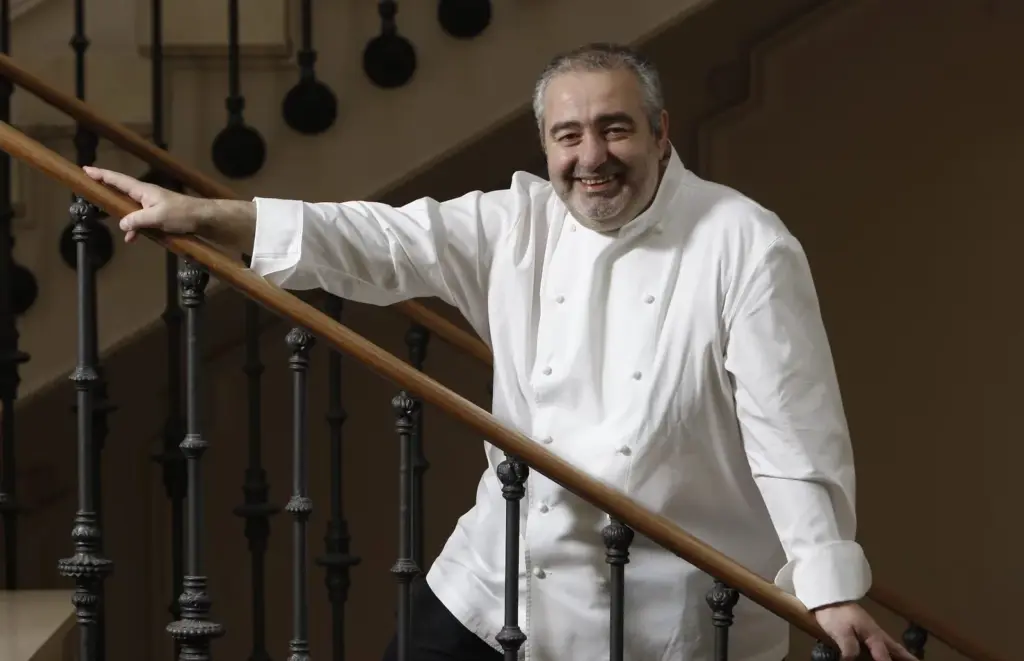
Meanwhile, in Sant Celoni, a village at the foot of Montseny, a young man empties the basement of the family farmhouse. His father’s illness has hastened his decision to leave his studies and his job as an industrial draftsman. He never seriously considered becoming a chef, but he is going to open a restaurant to keep money coming into the house.
Seventy kilometers away, an eighteen-year-old kid from L’Hospitalet de Llobregat scrapes pots in the kitchen of a coastal hotel in Castelldefels to pay for a vacation in Ibiza. He wants to be a footballer. He will end up landing after military service in a lost beach bar on the Costa Brava called elBulli.
They are ambitious and proud. They have talent. And they soon hear about each other. Over two decades, during which the country normalizes Bolognese macaroni, Modena substitutes, and 120-square-meter apartments, they become good friends. They visit each other on days off. They meet at fairs and congresses, and afterwards go for drinks and mock the mutual acquaintance of the moment.
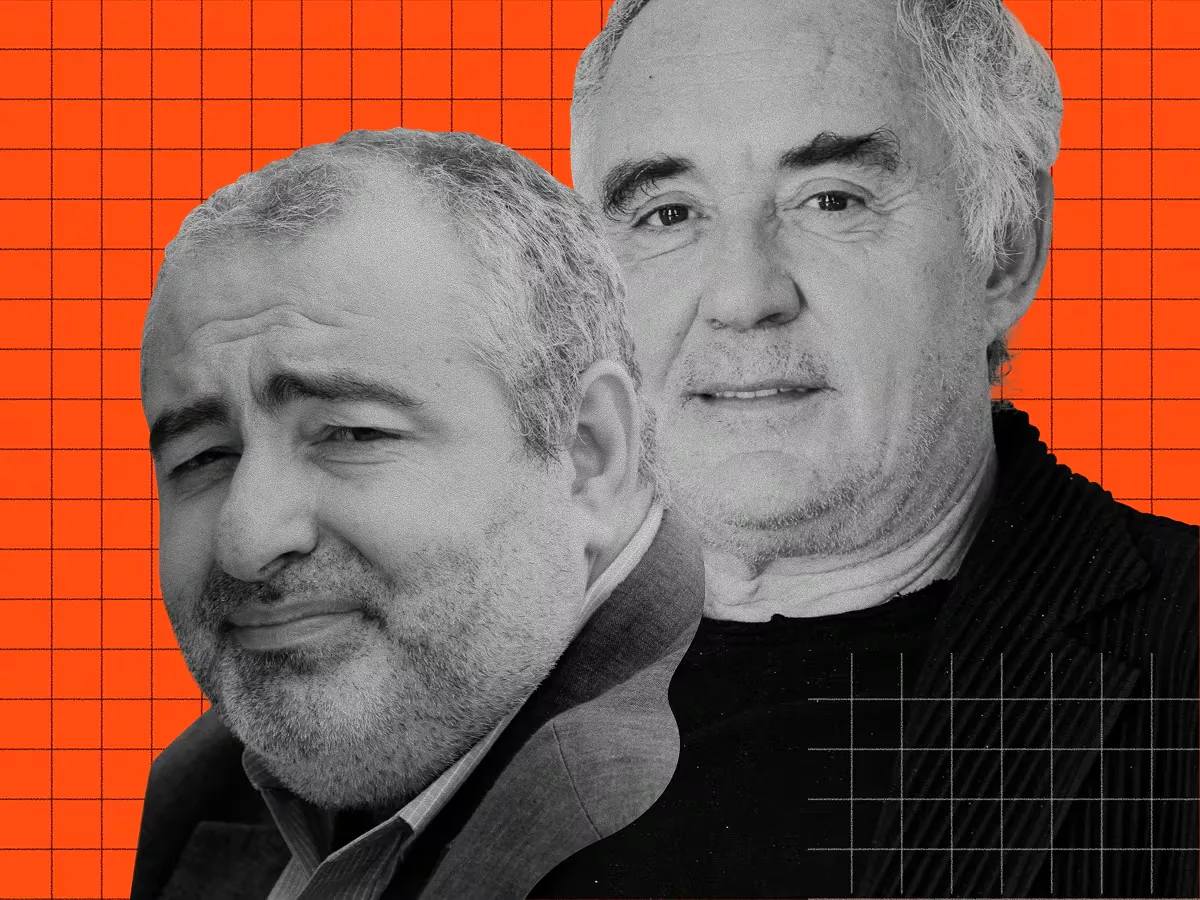
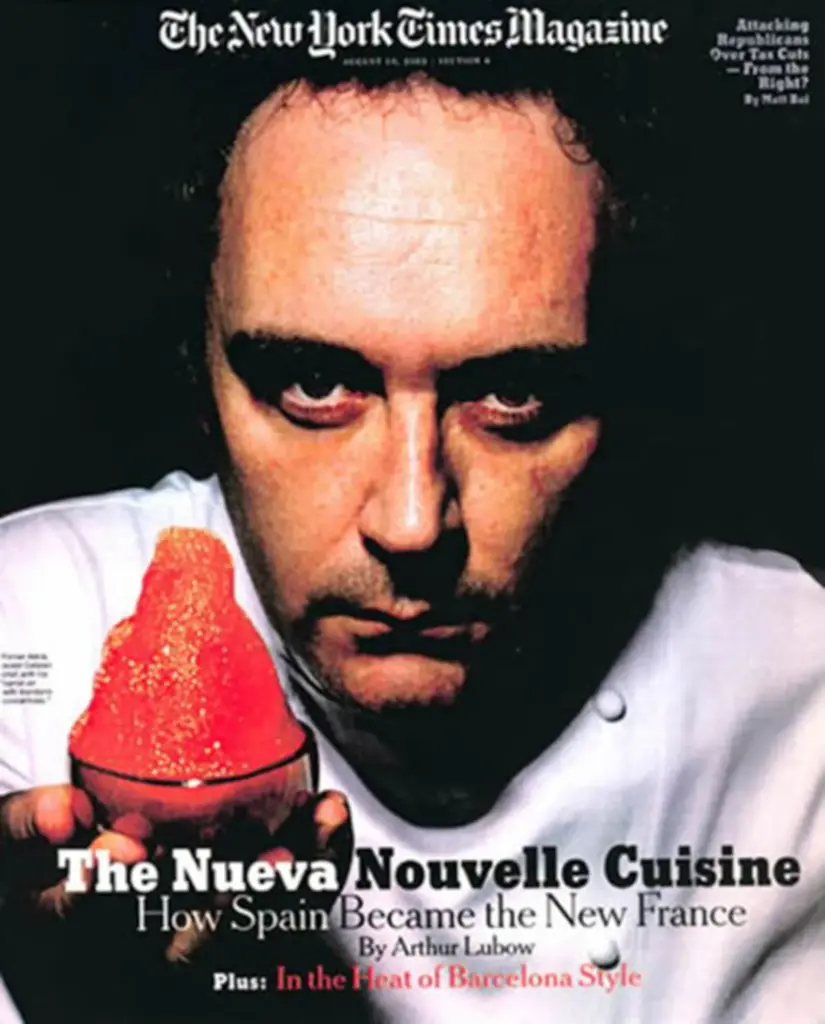
In 2008, Santi is the active Spanish chef with the most Michelin stars. He wears on his jacket all possible medals for the merit of the classic chef, and the emblems of tradition, rootedness, and product. Ferran, with three stars at elBulli and a cover on Time, is the genius who turns cooking into a laboratory, a cultural icon of worldwide reach.
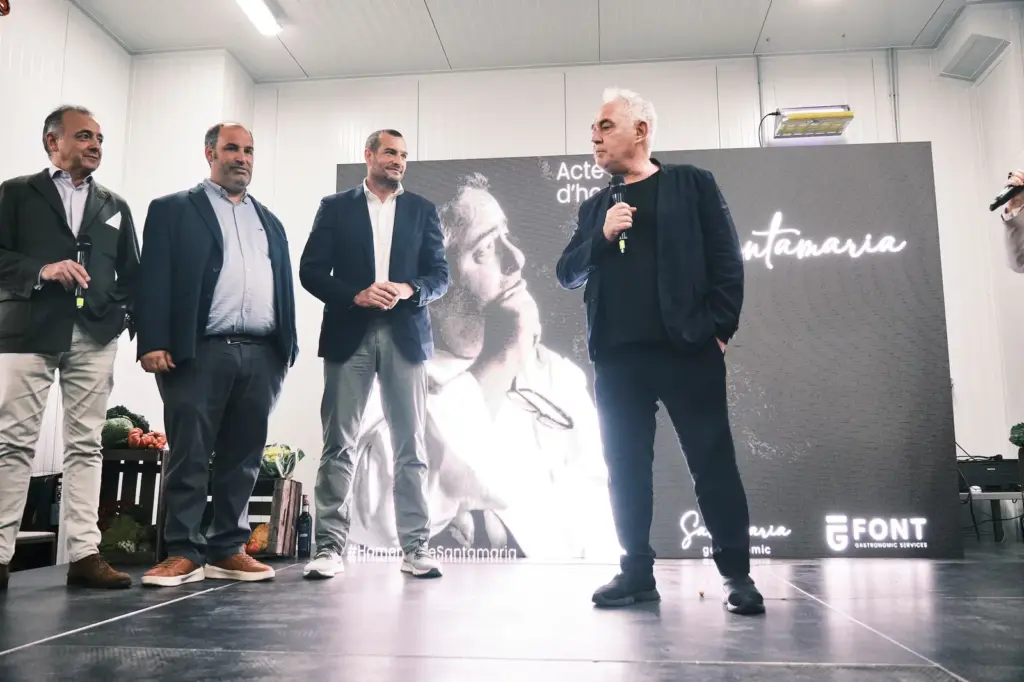
Guild, media, and agencies delight in the ideal hero of the story they need. Adrià is the perfect opportunity to definitively leave behind the tale of paella and castanets to project a modern and futuristic image to the world. And he is an extraordinary tourist attraction force.
Read more An earthquake of magnitude 5 shakes Granada: “We felt fear, great fear”
Santamaria is a fifty-year-old man who gave half his life to climbing the highest mountain to look up and discover that someone has kicked the game board and the summit is no longer the summit. He has to play the role of antagonist. He parades his expansive and theatrical personality at the most prestigious events, attacking foams and additives, the superstar circus, and the advertising alliances of some of his colleagues with fast food. The food industry devours us more than it feeds us, he warns. His eloquence fills articles, interviews, and columns. He is a headline-generating machine. The audience applauds. Adrià remains silent. And with each fiery statement, sponsors, journalists, colleagues, institutions, and millions of euros of accumulated prestige and brand tremble.
On May 14, 2008, four months before the Lehman Brothers collapse and the outbreak of the most important financial crisis since the crash of ’29, when Spanish gastronomy is experiencing the moment of greatest authority and international projection in its history, Santi announces the arrival of his book La cocina al desnudo (Cooking Naked). In the light of all possible spotlights, he delivers his most extreme statements and utters the two most feared words in a discussion among famous chefs: public health. Before the book hits the shelves, the scandal is already running through the main international headlines. Here the media machinery says enough and closes ranks around Adrià almost unanimously, to safeguard the prestige of one of the few engines of economic growth left to the country, while the real estate market collapses. Santamaria disappears from congresses and events. The spotlights go out for him. That day ends the war between giants.
In professional kitchens, an old law applies: what happens in the kitchen stays in the kitchen. No matter the fervor with which mothers have been mentioned, or the force with which the pan has flown against the trash bin, when the last customer leaves, you have a few beers with your colleague and everything is forgotten. Words regain their real dimension and the beasts return to their human form: tired people making a living by cooking. But when does the service end for two chefs who act as symbols in a gastronomic space not limited by four walls?
Santamaria died in his restaurant in Singapore on February 16, 2011, at 53 years old. He said, “I’m feeling a drop,” and collapsed.
Two beers remained pending between two friends who, gnawing on half-stale salted peanuts, laugh at someone who is not there and tease each other with “how your mouth gets heated, ghost. But you were sharp with that shrimp ravioli thing,” and “how much I’m going to laugh when someone gets tired of the two-hundred-euro powder soup joke and waits for you outside, chatterbox.”
Read more An ordinary day for a woman in Afghanistan: “I have lost my place in society”