We are experiencing a boom in horror cinema, perhaps because fictional fear is a release valve that helps process the anxiety of the real world. In Spain, a similar phenomenon occurred in the years before and immediately after Franco’s death, reflected in films like Who Can Kill a Child?, the masterpiece by Narciso Ibáñez Serrador (Montevideo, 1935-Madrid, 2019), which celebrates its 50th anniversary this year.
Read more This adjustable travel pillow helps prevent neck strain during the journey
Between the end of late Francoism and the beginning of the Transition, the film “shows themes rooted in Spanish tradition and the suffocating political climate of the moment,” highlights Guillermo González Hernández, author of the study Who Can Kill a Child? (1976): Horror Cinema as an Allegory of Post-Franco Uncertainty (University of Castilla-La Mancha, 2023).
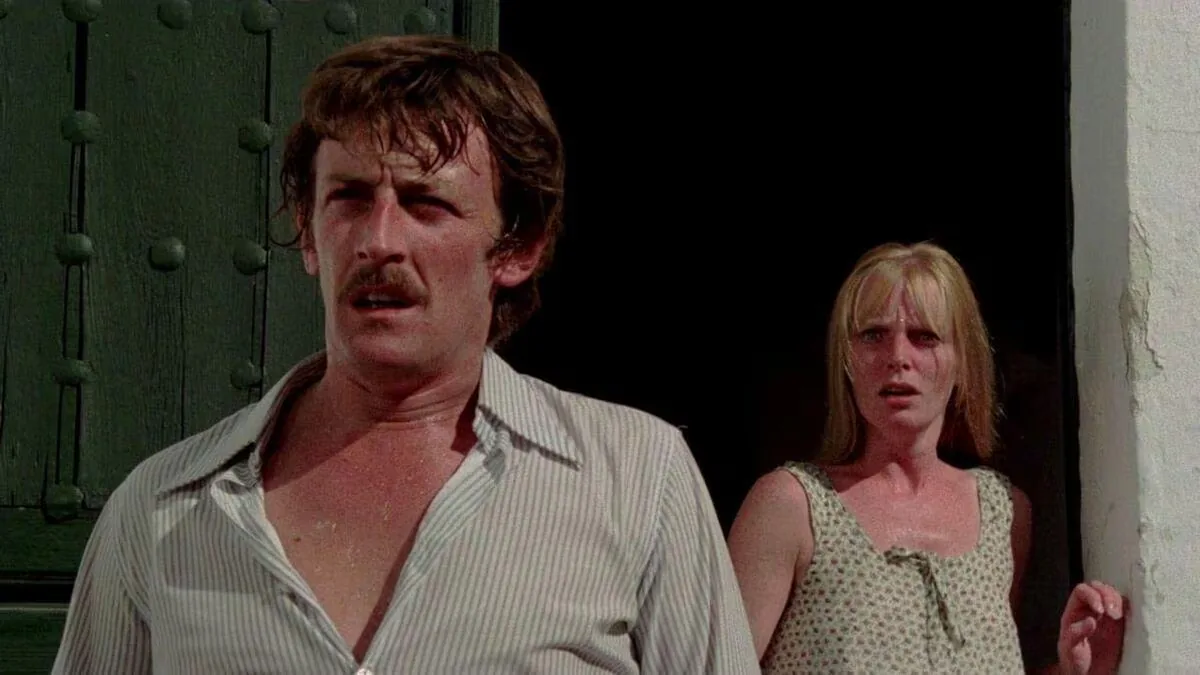
González, who follows the trail of analyses like Samuel Steinberg’s in Franco’s Kids: Geopolitics and Postdictatorship in Who Can Kill a Child?, interprets the film as an allegory about Francoist terror. “Ibáñez Serrador does something very difficult, and very different, which is to bring terror home,” González emphasizes. Filmed in Ciruelos (Toledo), Sitges (Barcelona), Almuñécar (Granada), and Menorca, Ibáñez Serrador’s work is a horror film in broad daylight, opposite to the gothic, dark, and foggy atmosphere of more classic genre films. “It is a very recognizable landscape and that impacts a lot. I remember when watching the film with my father, he said: ‘That could be my town!’” González underlines.
Released in 1976, Who Can Kill a Child? stars Tom (Lewis Fiander) and his wife, Evelyn (Prunella Ransome), who is pregnant. They are tourists on vacation along the Spanish coast. Faced with the summer bustle, they decide to look for a quieter place on a nearby island, but something dreadful is happening there. Waldo de los Ríos’s hypnotic music first accompanies the couple’s walks through a typical coastal town — with its bars and terraces full of families, crowded beaches, blue sky, and relentless sun — then stalks them in a setting of terror, with an air as everyday as a glass of red wine and a blood sausage sandwich.
The film, which had a mixed reception in Spain but surpassed Spielberg’s Jaws at the box office in Italy, portrays the contrast between the official image of the “postcard” Spain sold abroad and the brutal violence of real Spain, according to Steinberg. Although each viewer interprets each film in their own way, for Steinberg it is clear that Ibáñez Serrador’s work is a metaphorical reflection of a traumatic moment in Spain’s history, fluctuating between fear of a new wave of blood — in 1975, the idea of a peaceful political transitional process was only a distant possibility — and the possible arrival of democracy.
Blood and rough sex
Horror is a film genre that lends itself to play and dares to go further than all other genres, emphasizes Desirée de Fez, film critic, in her book Queen of the Scream (Blackie Books). Under that reading, Ibáñez Serrador’s film was the cherry on top of a boom of especially bloody Spanish films, which managed to carve out a place in theaters among traditional comedies ending in marriage and sentimental rural dramas.
Read more The portable fan that is a hit on Amazon: grows more than a meter and works without a plug
It was a time of explosion of guts, blood, and rough sex on the big screen, years in which the seams of suffocating Francoist repression were blown apart, releasing dreams and desires for revenge. “When you chopped off a head, what you were really doing was breaking a system that had caused you great unconscious frustration,” confessed actor and director Jacinto Molina, known as Paul Naschy — a symbol of that explosion par excellence — in Contracampo magazine in the 80s.
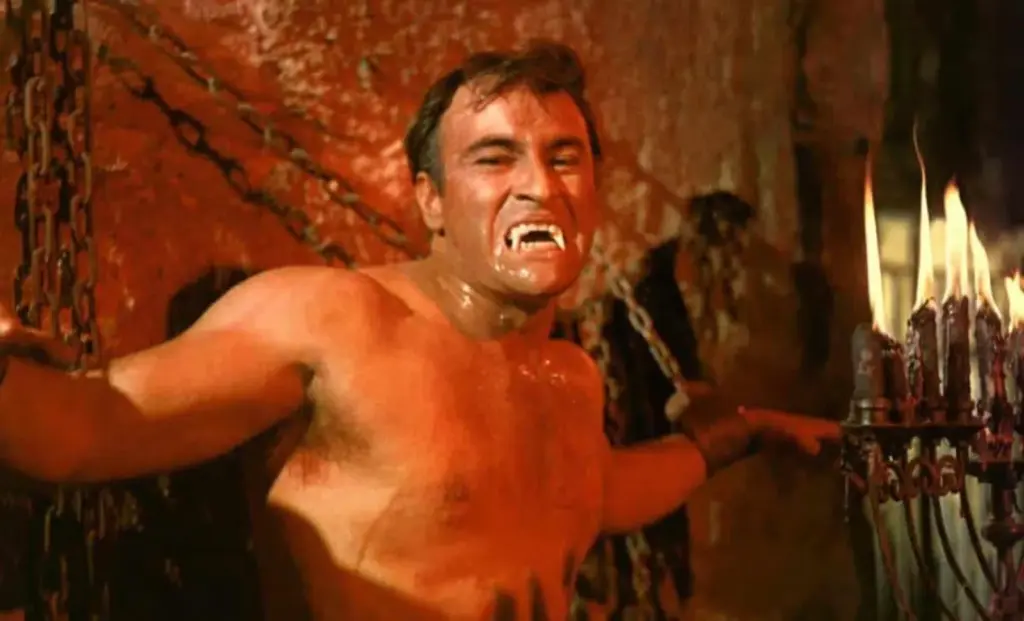
In those years, almost 200 horror films were made, most under the Profilmes brand, also known as the Spanish Hammer. It was a Barcelona-based production company that, after losing subsidies from the Banco de Crédito Industrial following the Matesa scandal, redirected its auteur cinema line — like Severed Heads by Glauber Rocha — and dedicated itself to producing horror films for the foreign market. Under the guidance of José Antonio Pérez Giner, the production company decided to increase its income by making an international version that included explicit nudity, and a more modest national version to comply with strict Francoist censorship.
The result was years of splendor for the Spanish horror genre, featuring actors like Carmen Sevilla, Bárbara Rey, Eusebio Poncela, Vicente Parra, Loreta Tovar, and also Peter Cushing, Christopher Lee, Klaus Kinski, or Anita Ekberg. These were films that projected the filmmakers’ frustrations “as a liberation mechanism, resulting in a bloody cocktail of violence and sex, celebrated and cheered by audiences,” says Javier Pulido, author of The Golden Decade of Spanish Horror Cinema 1967-1976.
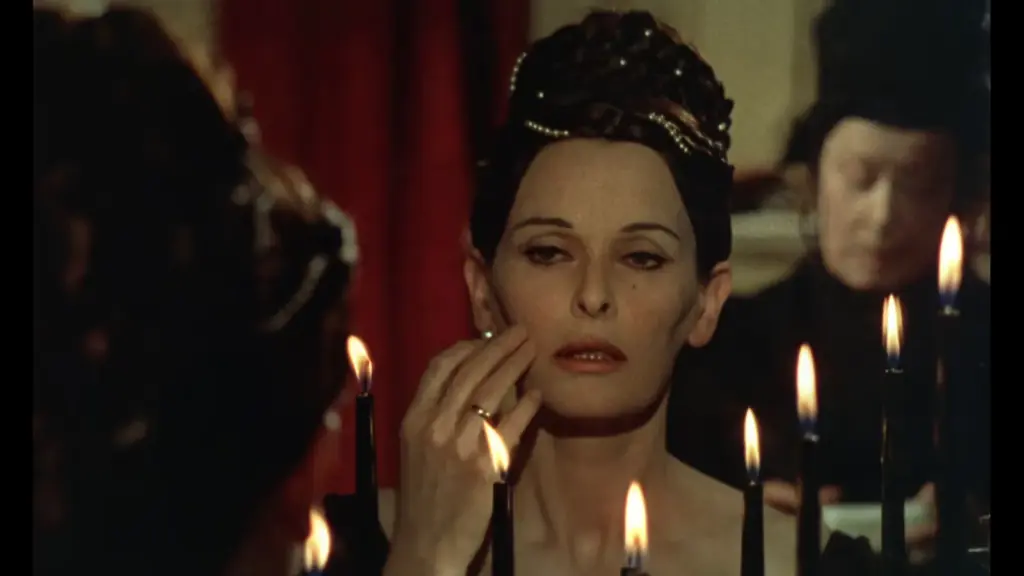
Inside or outside the Profilmes brand, those years can be considered the peak of fantaterror — a genre inaugurated in the early 60s by Jess Franco and his Screams in the Night — which grouped wild films, halfway between mocking smiles and the most abject horror. Now, from the perspective of time and considering that the reception of each book or film is personal, one can play with a political reinterpretation, so that Walpurgis Night (León Klimovsky, 1971) may reflect the weight of the authoritarian past; A Candle for the Devil (Eugenio Martín, 1973), the immobility of “eternal” Spain; Bloody Ceremony (Jorge Grau, 1973), the authoritarian elites who maintain their privileges at all costs by squeezing the people; The Refuge of Fear (José Ulloa, 1974), Francoist closed-mindedness. Invariably, these are films where women assume the role of either virginal victim or sinister sexual predator. “It was a time when filmmakers were very marked by a very macho education, there was fear towards the liberation of women,” Pulido explains over the phone.
Eloy de la Iglesia, better known later for his stage in quinqui cinema, was also the author of some psychological horror and suspense films that, in turn, can be read as metaphors about repression and the hidden impulses of late Francoist Spanish society, according to his biographer Eduardo Fuenbuena. Thus, in The Cannibal Man (1972), panic towards authority and the weight of guilt lead from one death to another, and in No One Heard the Scream (1973), the unbearable moral sordidness reaches horror. That same year, the Basque director signed A Drop of Blood to Keep Loving, which can be interpreted as a denunciation of distrust, fear, and violence among civil society fostered by hidden forces, a work so indebted to Stanley Kubrick’s A Clockwork Orange that some supporters nicknamed it The Mechanical Tangerine.