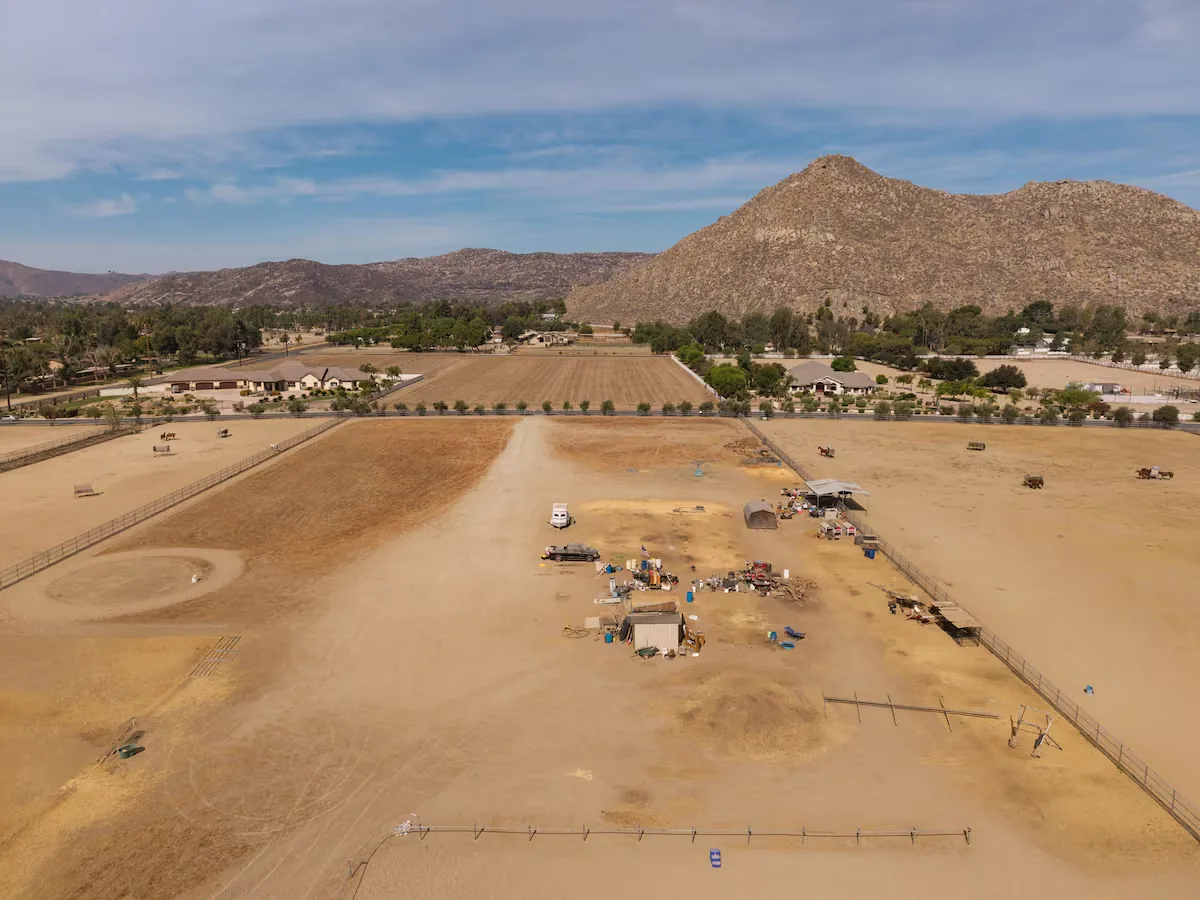
He only used his mother’s last name, González, when acquiring a ranch in California that was offered to him for $250,000. It was an investment that Juan Carlos Valencia González made in 2011, when he was 26 years old, without anticipating that the property’s value would nearly triple due to the rapid growth of the state’s real estate market. He also did not imagine that he would end up leading the Jalisco New Generation Cartel (CJNG), which at that time had just been created by his stepfather, Nemesio Oseguera Cervantes, El Mencho. That was the bet of Pelón or R3, 15 years before becoming one of the most wanted drug traffickers in the world.
Read more Mara Salvatrucha gang members claim they buried 200 people in Bukele’s political cradle
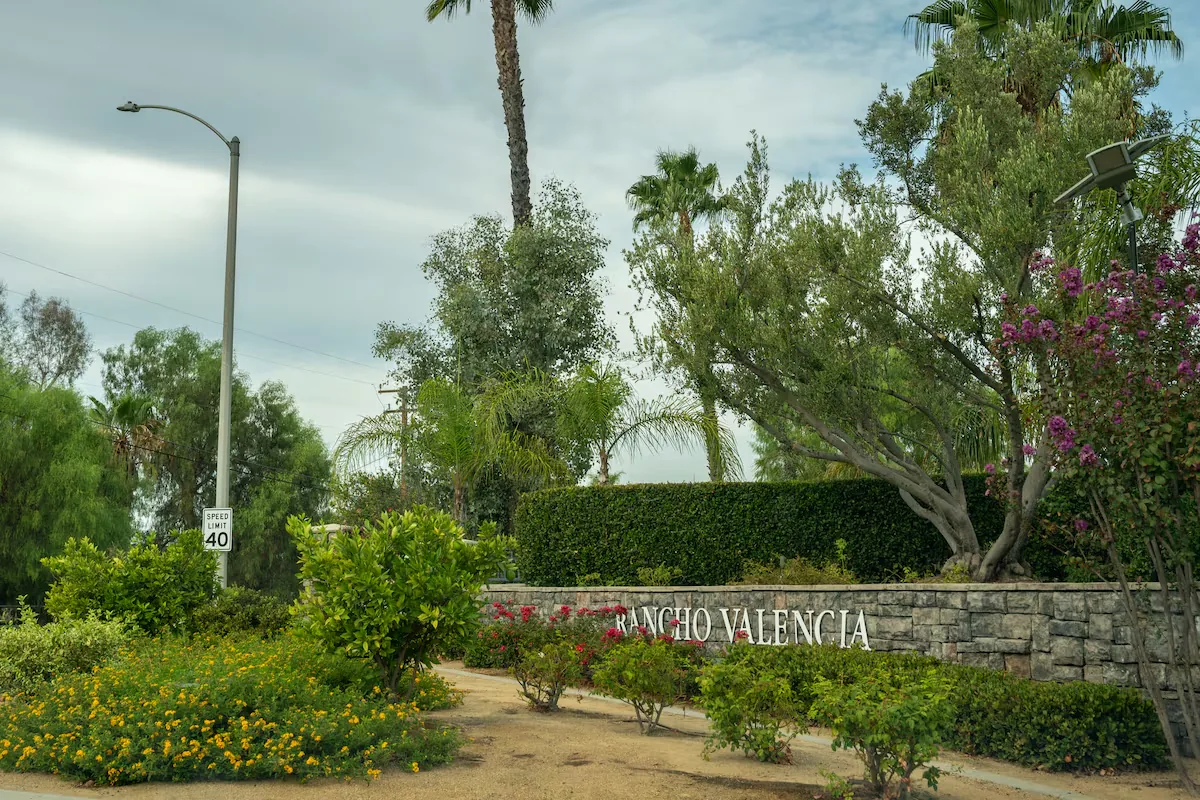
The property that Valencia González left behind to fully enter crime is located in Hemet, 140 kilometers east of Los Angeles. It is nestled in a ranch community, among lots where horses graze, vacant land, farmland, and elegant residences. In the background, rocky and steep hills frame this rural landscape, far from the bustle of the second-largest metropolis in the United States. The air there is clean, although some gusts carry the smell of manure. This was Pelón’s refuge whenever he wanted to get away from the streets of Santa Ana, the city where he was born in 1984 and where several of his relatives still live.
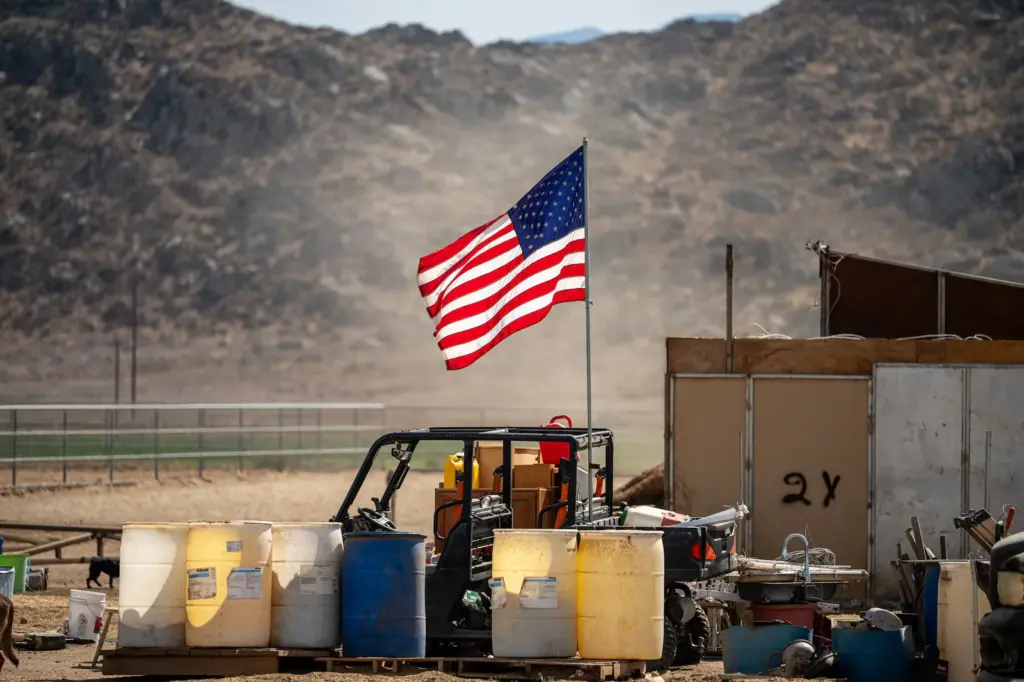
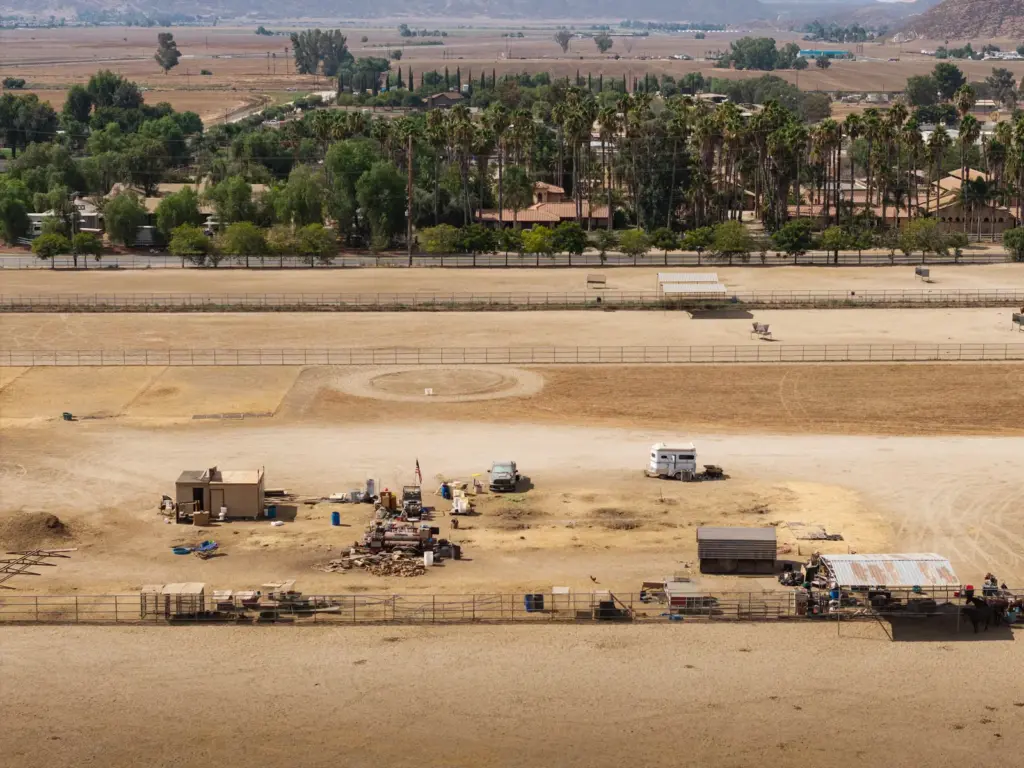
“Keep the door closed. No matter what the horses tell you,” “Beware of dogs,” and “Security cameras and audio recorder in use,” warn the signs hanging on the metal fence surrounding this ranch. Inside there are two roosters, two dogs, a goat, and a sheep. A small house almost in ruins, a wooden shed, an old truck covered in dust, and an American flag waving in the center are other signs that someone occupies this place.
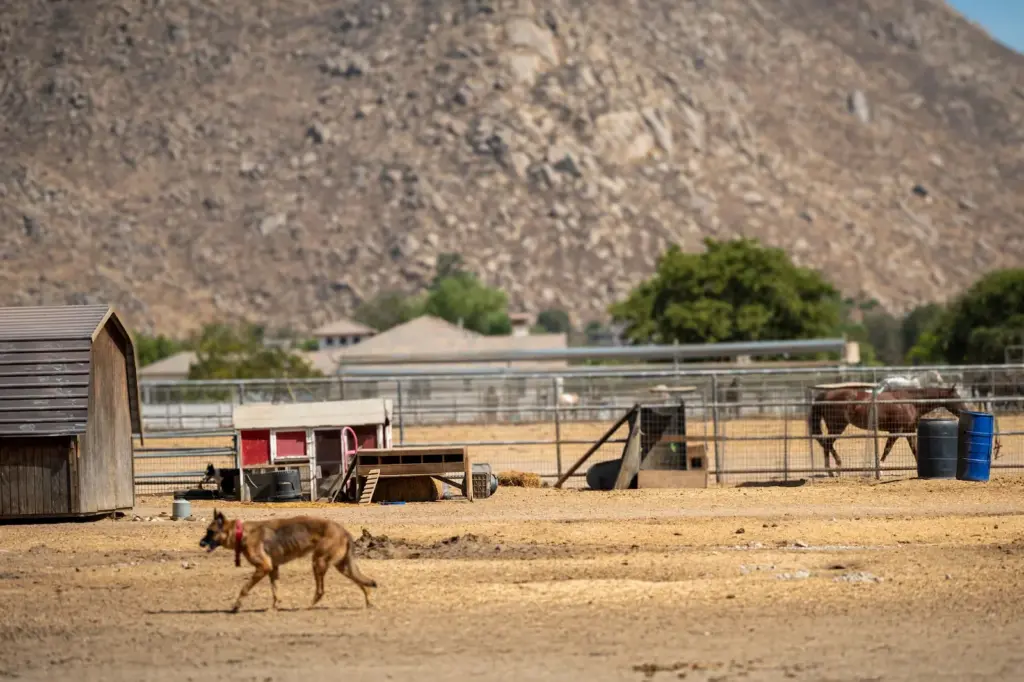
For several years, Valencia González’s ranch has been under the watch of the U.S. government. Currently, the property is managed by the capo’s maternal uncle, José María González Valencia, who lives in Orange County, according to a source from the Drug Enforcement Administration (DEA) who spoke to El PAÍS on condition of anonymity because they are not authorized to speak to the press about this matter.
At the end of July, the U.S. Department of Justice (DOJ) initiated a process before a federal court in the District of Columbia to seize the property, alleging that it is linked to the newly anointed leader of the Jalisco Cartel. The procedure, which is now in the hands of a judge in Washington D.C., is led by the Money Laundering, Narcotics, and Forfeiture Section, a unit of the DOJ’s Criminal Division.
The rise of Mencho’s stepson
Alias Pelón or R3, he is the son of Rosalinda González Valencia and Armando Valencia Cornelio, who went from being an avocado producer to becoming one of the founders of the Millennium Cartel, the predecessor of the CJNG. The relationship between them was brief. Shortly after, Rosalinda became the partner of Mencho, with whom she had three children: Jessica Johanna, Rubén, and Laisha Michelle Oseguera González, all born in San Francisco, California. Several of Rosalinda’s siblings are also involved in drug trafficking. Known as Los Cuinis, they have been identified by authorities as the financial arm of the Jalisco Cartel.
This mafia family network brought Pelón to the top of the CJNG, where he led the Elite Group, a hit squad whose main function was to protect the cartel boss. Thus, Mencho’s stepson “organized numerous violent acts… in addition to manufacturing, transporting, and distributing tons of narcotics,” according to a Department of Justice statement, which in 2020 charged him with drug importation and firearm use.
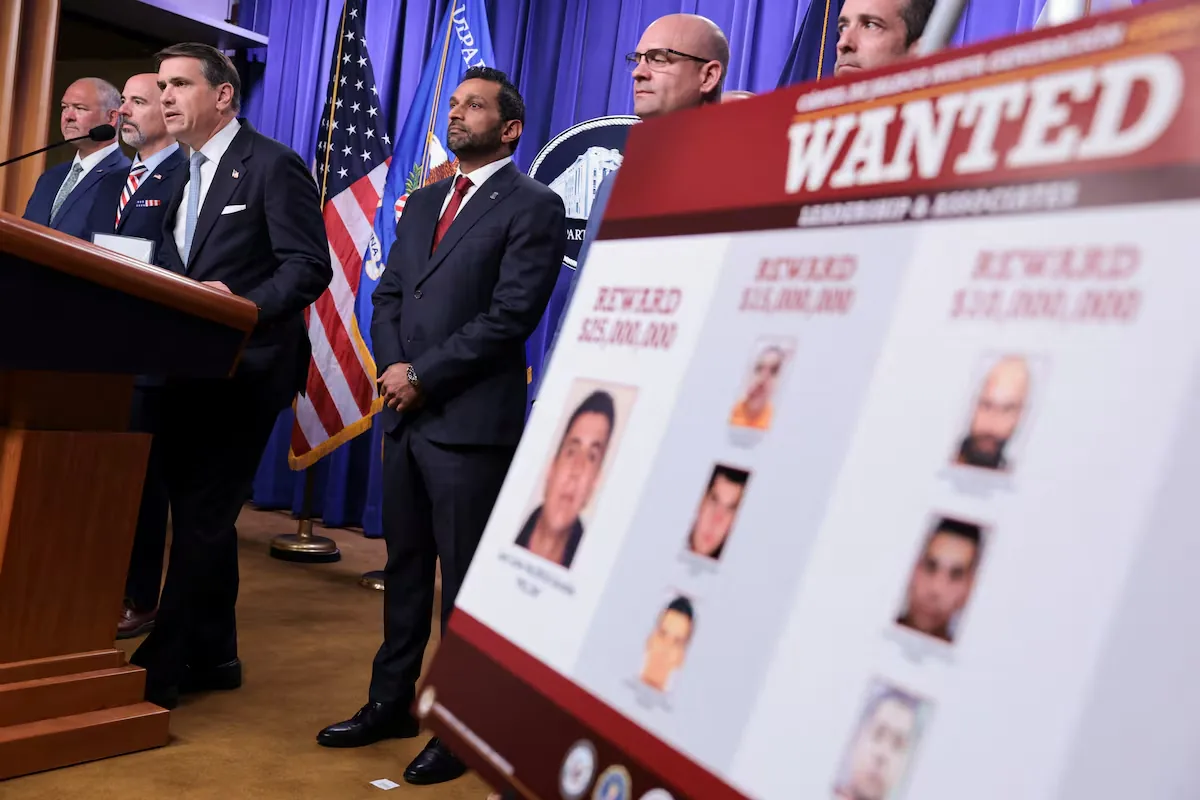
His coronation as the new king of the Jalisco Cartel occurred last February, following Mencho’s death during a military operation in Jalisco. It was the outcome of the pursuit of a slippery fugitive who, from hiding, controlled the production and distribution of multiple drugs to dozens of countries, while his criminal empire expanded across 21 of Mexico’s 32 states. “Mencho’s fall did not end the CJNG,” said DEA director Terrance Cole during a recent press conference in Washington D.C., where he confirmed Valencia González’s rise. “In our world, Pelón is the DEA’s top priority,” warned the official.
Read more Chilean youth do not believe in the Church: tarot, reiki, and astrology create a new spirituality
Now, this drug trafficker has a $25 million bounty on his head, one of the highest ever offered for a Mexican capo. Rafael Caro Quintero’s, the historic DEA enemy accused of killing one of its agents in 1985, reached $20 million.
“They are ranch people”
In the quiet city of Hemet, few know that the owner of one of its ranches is a drug man. He bought it in 2011 and registered it under the name Juan Carlos González. It covers an area of 19,468 square meters, equivalent to almost three soccer fields. The seller was an entity identified as Hemet Auto Center Leasing Inc. Although the property is designated for “residential” use, no construction permits have been requested in the last 15 years, according to documents from the Riverside County Public Property Registry reviewed by EL PAÍS.
The sale closed at a quite reasonable price for the time: $250,000, mostly covered by a loan. Since then, its value has skyrocketed. The biggest jump occurred just months after he acquired it: between 2012 and 2013, its price rose by 51%. The property has had increases between 5% and 12% year after year. The county’s cadastral office estimates that the ranch could sell today for up to $695,000, almost triple its original price. The tax bill has also increased. In 2025, they paid $3,747 in property tax, 7% more than the previous year, according to public records.
The sanctions that the Treasury Department imposed at the end of July on the new CJNG leader put his Hemet ranch under the radar. The designation by the Office of Foreign Assets Control (OFAC) involves freezing the assets and bank accounts that the capo has in the United States and prohibits U.S. citizens and companies from conducting transactions or business with him.
A few days ago, the horse breeder who rents the property, who asked to remain anonymous, received a call from José María González Valencia, Pelón’s uncle. The message left him worried: “You have to leave,” he said, without giving explanations. “I didn’t ask more questions because it’s not convenient,” says the man who has occupied the place for the last three years. Month after month, the capo’s relative comes to collect the $1,500 rent. The payment has always been in cash.
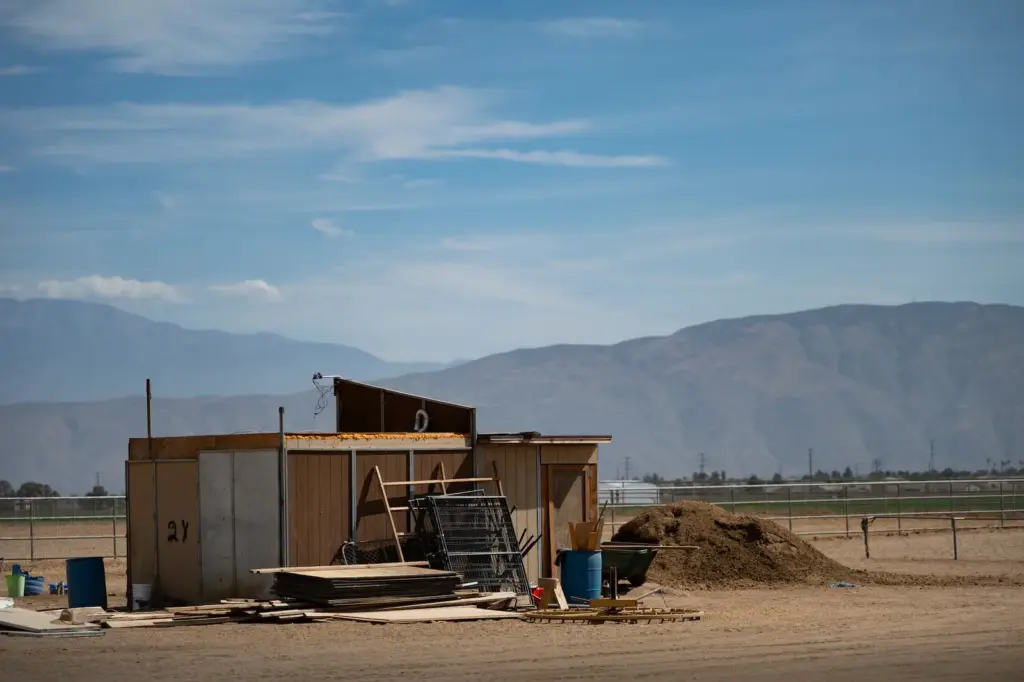
This man, originally from Mexico, has already moved his horses to a nearby farm. He now fears that the government will take possession of the land before he can remove his belongings. “Everything here is mine,” he says while pointing to a pile of old iron, a treadmill for horses, a saddle, the dilapidated little house, his dusty pick-up, and the other animals still on site. When one of his roosters crows, he looks at it and smiles. It is a hobby that, curiously, he shared with the late Mencho.
This horse breeder claims to know little about who manages the property and nothing about its true owner. “It’s not my business, mine is to pay the rent,” he insists. He assumes that the order to remove his animals and things is because there will be no legal dispute with the government since they will choose to cede it. He met González Valencia through mutual friends when they coincided some time ago at a local ranch. He understands that he lives in Santa Ana and describes him as a “good person, very nice.” The only thing he is sure of, he says, is that he and his family “are ranch people.”
Read more The Pan-American Congress seeks future projects and responses to the advance of the right