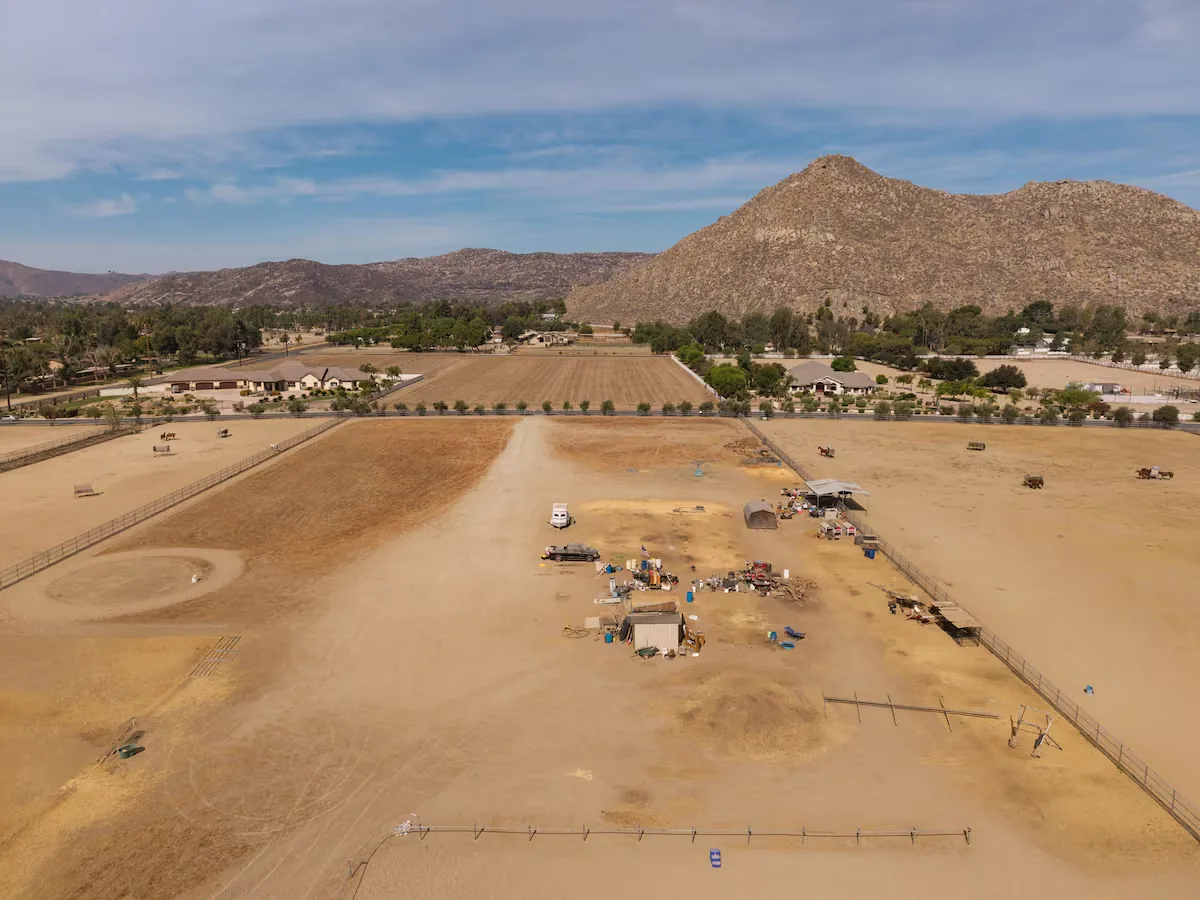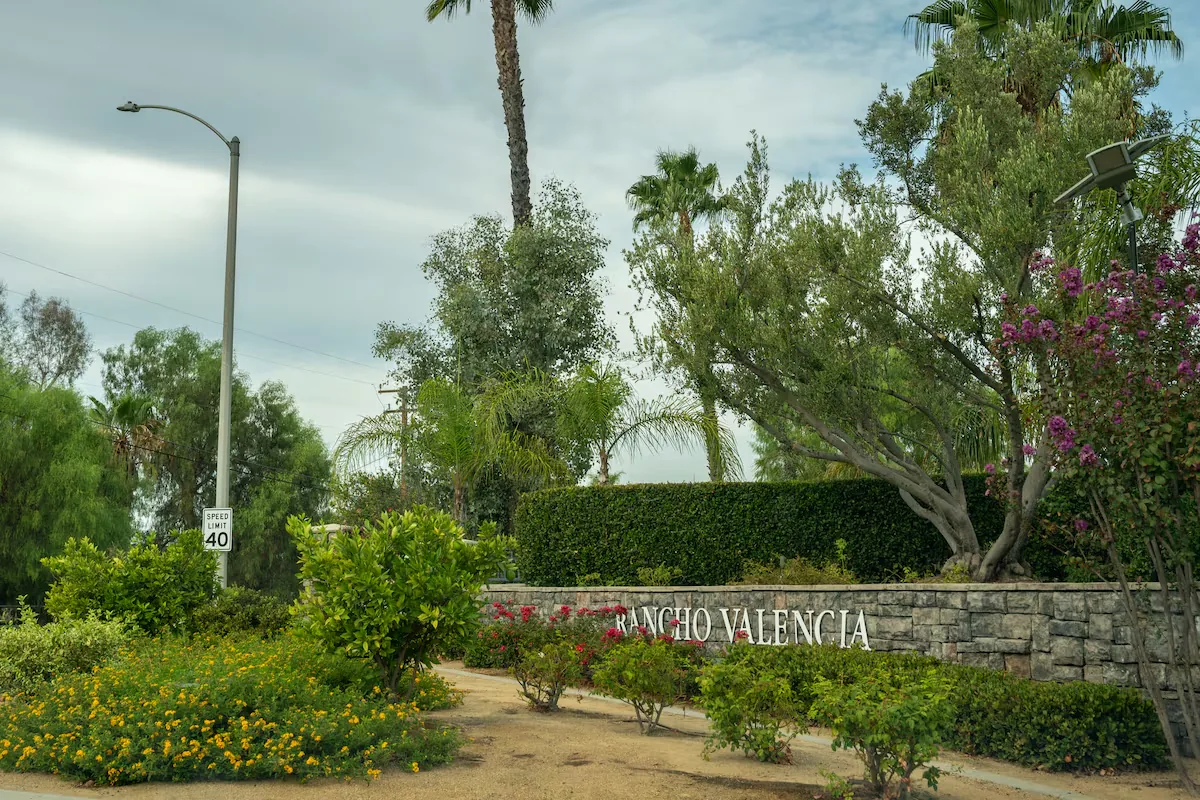
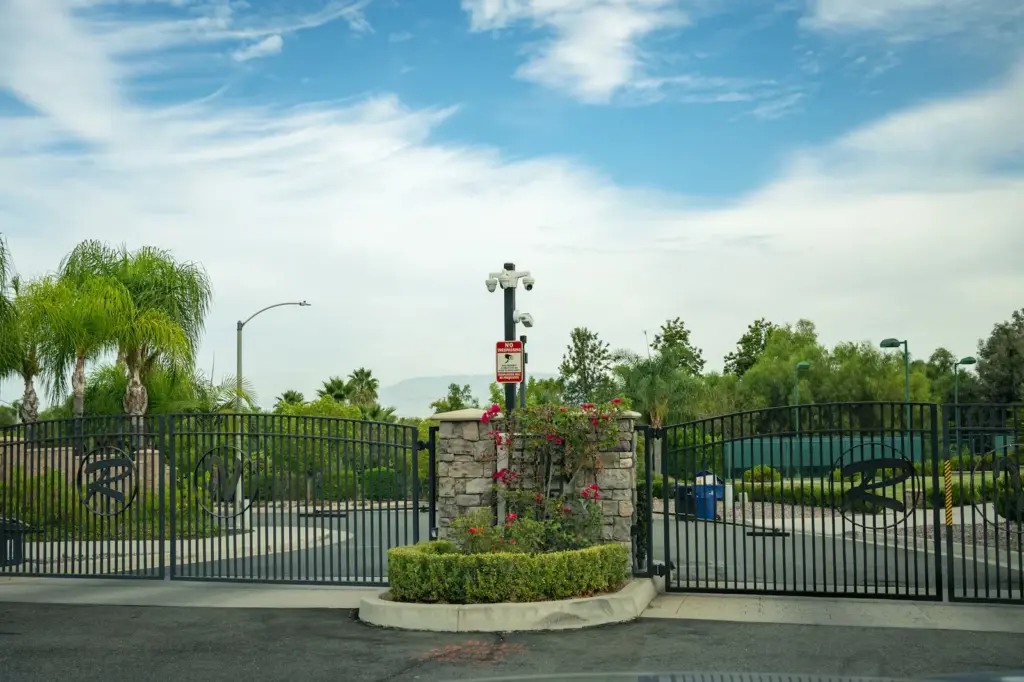
The bills with Benjamin Franklin’s face were stacked, one on top of another, until they totaled 1.2 million dollars. The cash was counted on a table to buy a luxurious residence in an exclusive neighborhood in the metropolitan area of Los Angeles, California. From the beginning, the owner and the real estate agent suspected that behind that mountain of money there could be a drug trafficker. Even so, they closed the transaction. They were not wrong: the mansion became the hideout of two characters linked to the Jalisco New Generation Cartel (CJNG). Now, the house is at the center of a legal dispute between the United States Government, which seized it, and victims of a massacre in Mexico seeking compensation for what they have suffered.
Read more Ortega suspends this year’s elections and extends his term until 2028
During the summer of 2023, this residence, located on Pamplona Street in Riverside, passed into the hands of relatives of Nemesio Oseguera Cervantes, alias El Mencho, founder of the CJNG. The purchase was made through the tequila company Pasión Azul, based in Jalisco and identified by authorities as one of the companies used by the cartel to launder money. This liquor producer had made various moves to complicate the tracking of its financial operations. Among them, it registered more than 50 trademarks in this country using different information.
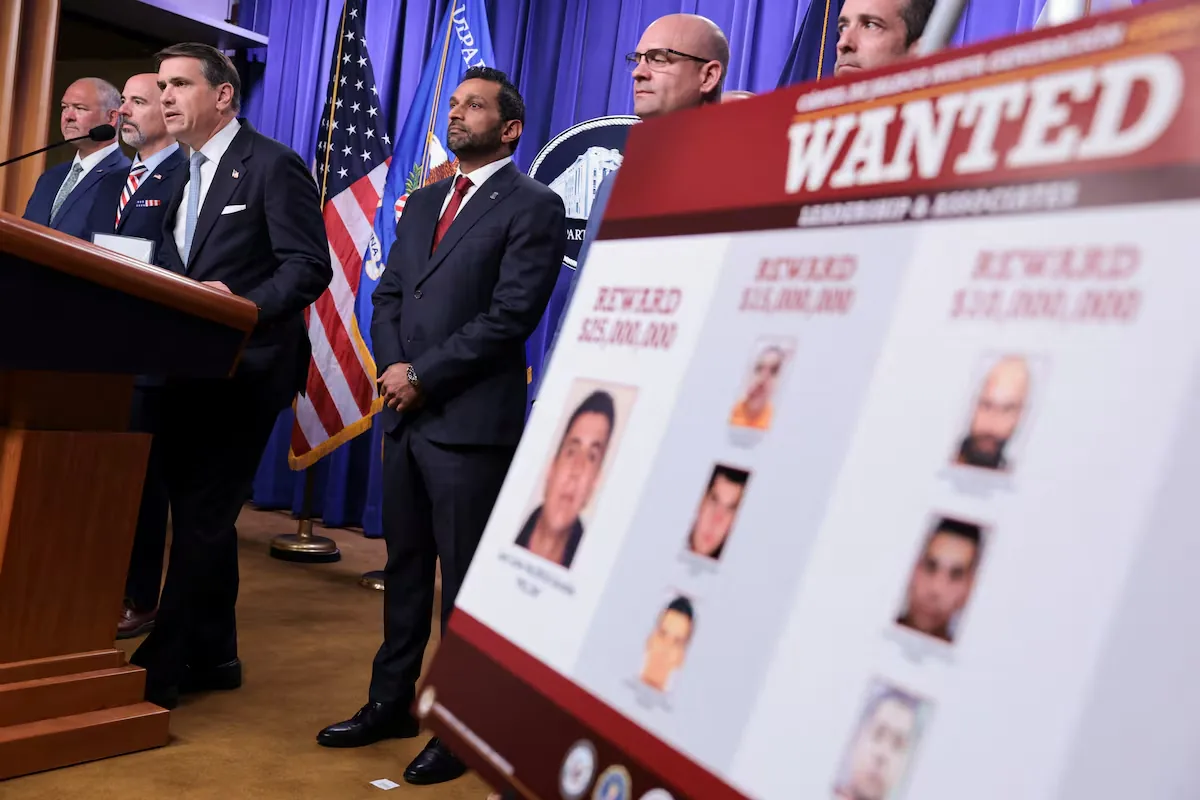
It took a year before the DEA could confirm who lived in the house: Laisha Michelle Oseguera González, the youngest daughter of El Mencho, and her partner, Cristian Fernando Gutiérrez Ochoa, nicknamed El Guacho and considered a priority fugitive on both sides of the border.
An alert sent by Interpol to the Department of Homeland Security (DHS) in October 2024 put authorities on the trail of Gutiérrez Ochoa. The Mexican Government was the first to know that El Guacho was hiding in Riverside, right under the DEA’s nose. It was later revealed that his father-in-law had spread a false rumor: that he had ordered him killed for having deceived him. Since December 2023, he had been lost track of in Mexico.
The fall of ‘El Guacho’
In California, the capo was posing as another person. He used the name “Miguel Luis Martínez” and, with that identity, had tried to obtain a driver’s license. Within the cartel, meanwhile, they began referring to him in code as El Palomo. DEA agents started following his movements and those of Laisha Michelle, who used to go to a café she had opened in the neighboring city of Perris.
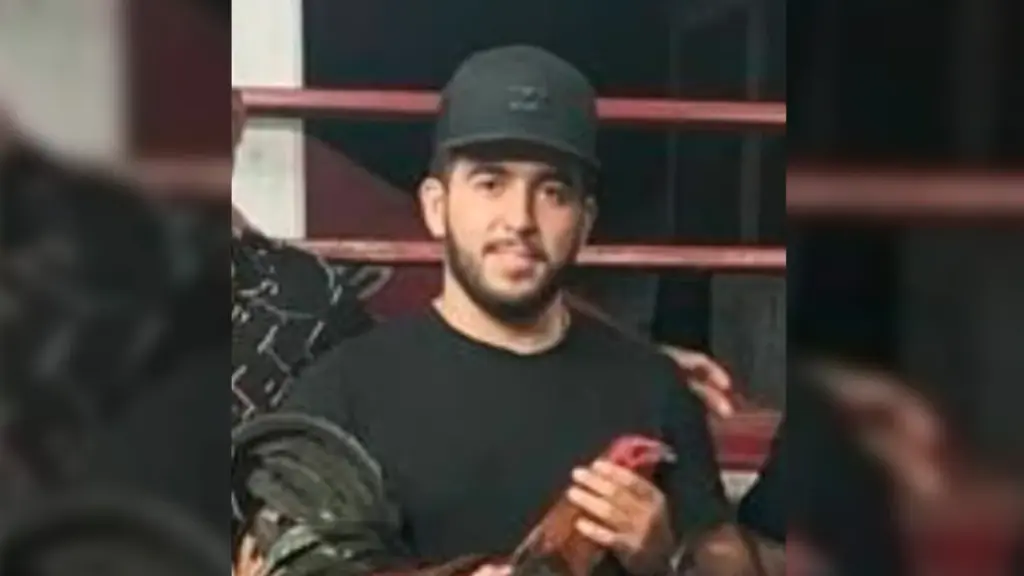
The face of El Guacho was recorded on the security cameras of his house the day he went to see it to authorize its purchase. The property was built in 2003. It has four bedrooms and four bathrooms, a garage, and a pool in the backyard. Its total area is 353 square meters. In 2020 it was valued at 690,000 dollars and the real estate market surge has doubled its price, according to public records.
Gutiérrez Ochoa’s flight ended on November 19, 2024, when the DEA arrested him and seized 2.2 million dollars in cash. Agents also took the valuable objects decorating the residence: artworks, sculptures, and paintings, as well as jewelry, watches, designer items, and handbags. El Mencho’s son-in-law had a “ghost” gun, as homemade firearms without a traceable serial number are known, and another whose serial number had been removed. The couple was also seized three recent model vehicles, including a BMW M4. In total, the value of the luxurious home and goods amounted to 3.5 million dollars, according to authorities.
Gutiérrez Ochoa agreed to hand over everything as part of a plea deal that reduced his case to a single charge of international money laundering. As a result, last December, he received a sentence of 11 years and eight months in prison. The Government agreed to drop a drug trafficking charge, for which he faced a life sentence.
Read more The order of loyalties
The fight in a court
In November 2025, a month before the sentence was handed down against El Mencho’s son-in-law, the survivors of the Bavispe massacre in the Sierra of Sonora filed a petition within the criminal case, lodged in a federal court in the District of Columbia, for the Government to hand over the seized assets of El Guacho. The legal action was filed on behalf of the LeBarón, Langford, Miller, Johnson, and Ray families, members of a Mormon community settled in that region for decades. In court, they identify themselves as “American Victims of Cartel Terrorism” (AVCT).
In that massacre, attributed to the Juárez Cartel and its armed wing, La Línea, three American women and six children traveling in a caravan on dirt roads were shot dead. In an unusual event, they sued that criminal organization in a federal court in North Dakota. The case went to trial and, in June 2022, a judge issued an extraordinary verdict: ordering the cartel to pay 4.6 billion dollars in damages.
The LeBarón and other families argue that, since the Jalisco Cartel has operated in alliance with the Juárez Cartel, they have the right to claim the residence where El Mencho’s relatives lived. In their petition, they argue that Gutiérrez Ochoa acted significantly as an “agent or instrument of the CJNG,” which, in their view, would place him in an equivalent position to the Juárez Cartel. One of the main pieces of evidence they present is a statement from the United States Treasury Department, issued in October 2024, which states that the CJNG had collaborated with La Línea since September 2023 as a “supplier of cocaine, methamphetamine, and fentanyl.”
However, the Government opposes handing over the assets in its possession. In court documents, it states that although these families “have a judgment against the Juárez Cartel,” they have no right to claim CJNG assets, as it is “a completely different cartel.” It also argues that it has never been established that the Jalisco New Generation Cartel “played any role in the Bavispe attacks.”
Additionally, prosecutors mention that although the Juárez Cartel and the CJNG maintain “a commercial relationship comparable to that existing between a wholesaler and a retailer of goods,” that link is not enough to consider the Jalisco cartel “as an agent or instrument” of the Juárez cartel.
Judge Beryl A. Howell rejected last April the request for the Government to hand over the seized assets. In a 39-page opinion memorandum, the magistrate states that the survivors of the Bavispe massacre have presented various arguments before the court “like throwing spaghetti against the wall to see what sticks,” but concluded that none had enough weight to succeed. The LeBarón and other families have appealed the decision.
Read more The second years of the 4T