The United States Department of State avoided clarifying this Friday whether there are Mexican officials or members of the security forces among the 65 people whose visas have been restricted for alleged links to the Jalisco New Generation Cartel (CJNG), as part of the Donald Trump administration’s offensive against the cartels, and assured that it will not disclose their names or affiliations. Among those affected, 26 had visas, which were revoked.
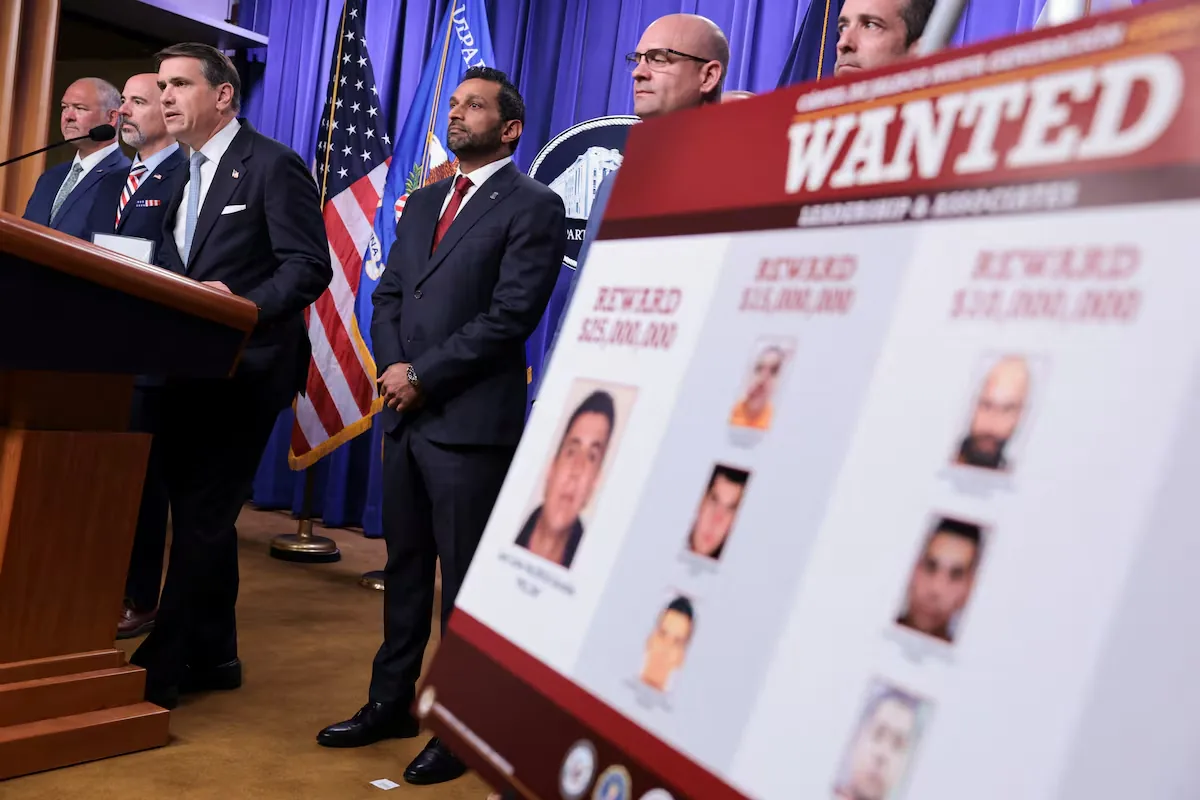
U.S. authorities announced on Wednesday million-dollar rewards for CJNG leaders and visa restrictions on 65 relatives, associates, or close contacts of people linked to the cartel, including 26 who already had visas that were revoked, as part of a new offensive by the Donald Trump administration against the cartel.
In a press meeting this Friday, Deputy Assistant Secretary Michael Gonzales declined to answer a direct question about whether Mexican officials or members of the security forces are among those sanctioned. Gonzales pointed out that there are no restrictions on who can be subject to these measures, but Washington will not disclose their names or affiliations for now.
“Our visa restrictions allow us to revoke or deny visas to relatives, close associates, and people who facilitate drug trafficking or transnational organized crime activities of the main individuals we are pursuing. There are no restrictions on whom we can impose these measures. However, at the moment we are not disclosing the names or specific affiliations of those people,” Gonzales said.
In October last year, press reports revealed that Washington had withdrawn visas from about fifty Mexican politicians and officials as part of the offensive against the cartels, but it also did not reveal who the sanctioned individuals were.
Mexico’s president, Claudia Sheinbaum, said at that time that she did not know who the affected were. “The person who knows is the one who may have had their visa withdrawn, but it is not information they share with the Mexican Government unless there is an investigation related to public security,” Sheinbaum said.
Months earlier, in May, the governor of Baja California, Marina del Pilar Ávila, had reported that the U.S. had withdrawn the visa from her and her husband, and that she did not know the reason.
Read more Bonoloto: check draw for Friday, August 7
It is unknown whether those 50 politicians are among the 65 sanctioned for being related to people linked to the CJNG that the Department of State announced now.
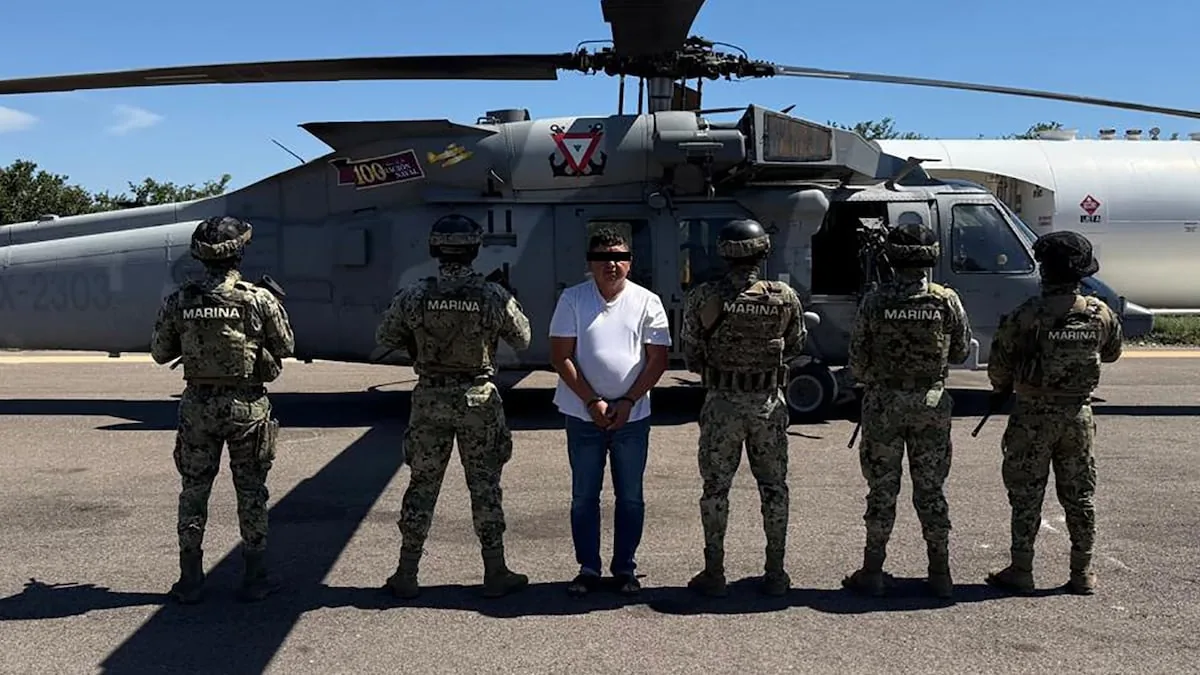
Gonzales said that the U.S. is working “in close collaboration” with Mexican authorities to capture eight cartel members for whom it has offered million-dollar rewards. Among these is the CJNG leader, Juan Carlos Valencia González, alias El Pelón, for whom the U.S. is offering a reward of 25 million dollars.
They have also offered 15 million dollars for Gonzalo Mendoza Gaytán, alias El Sapo, and Julio Alberto Castillo Rodríguez, alias Chorro; 10 million dollars for Ricardo Ruiz Velasco, alias El Tripa, Julio César Montero Pinzón, alias El Tarjetas, and Carlos Andrés Rivera Varela, alias La Firma, and 2 million dollars for Griselda Margarita Arredondo Pinzón.
Terry Cole, director of the U.S. anti-narcotics agency (DEA), stated on Wednesday during the announcement of the measures that “members of the Mexican government protect the CJNG, whose operations include drug trafficking and money laundering,” and that the next step will be to prosecute Mexican officials who are on the cartel’s payroll. “There is corruption and we are going after that.” “They are the facilitators and we will follow that to the end,” he pointed out.
Deputy Secretary Gonzales said that U.S. reward programs have helped authorities identify and bring to justice more than 90 criminals, and that the U.S. has paid more than 200 million in rewards.
In February last year, the Trump administration designated the CJNG as a foreign terrorist organization. The Treasury Department has imposed financial sanctions on 39 people and 16 companies allegedly related to the cartel’s money laundering networks, and sanctioned two Mexican citizens and nine companies for allegedly participating in a fuel smuggling network operating under the CJNG.