The earthquake on August 10 revealed truths and served to cover up controversial decisions. In the days following the tremor, what this country largely is was seen, with its ups and downs. The tragedy showed the solidarity and humanity we have despite so many differences and also problems we have always carried such as inequality, the existence of regions historically abandoned by the State, discriminated against and despised, and the shortcomings in emergency response plans. The earthquake, on the other hand, also served the newly sworn-in Government to advance an agenda that raises doubts in broad sectors, without the necessary time to debate measures that impact democracy.
Read more The lynching in Copacabana of a man accused of stealing a bicycle horrifies Brazil
The earthquake showed two very different Colombias, as The Economist aptly titled in a note about the emergency. You don’t have to come from outside to see it, but here we have learned to live it looking the other way. Only when an earthquake turns people from all social strata into victims do we understand that it is not the same to lose a home in a municipality of Chocó as to lose it in a stratum five or six area of Cali. It is not about minimizing anyone’s tragedy. Everyone needs support. It is about understanding that sometimes losing a home, humble as it may be, is losing everything, absolutely everything. Programs for the displaced must address different realities.
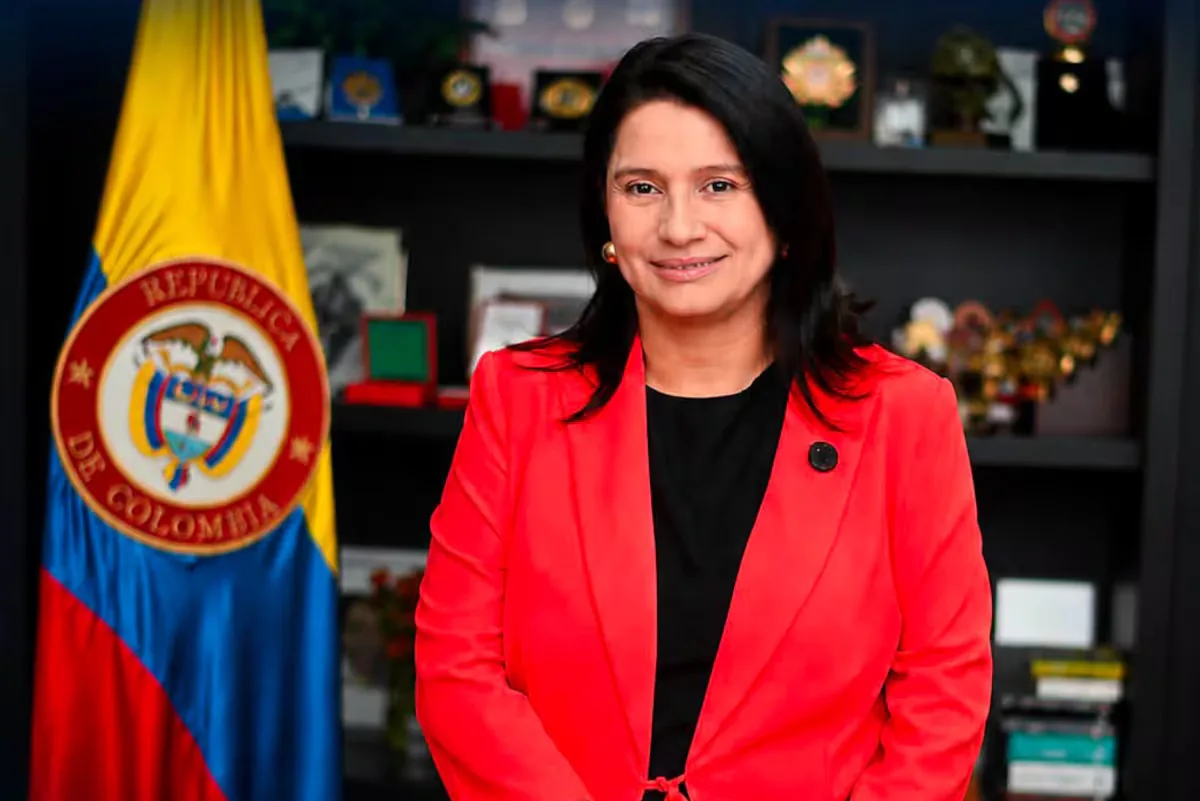
We must listen to the governor of Chocó, Nubia Carolina Córdoba Curi, when she says that “Treating equally territories that start from profoundly unequal conditions is not equity.” And she adds: “In Chocó we need accelerated and differentiated reconstruction, not a uniform formula copied from other territories.” The interest rates agreed with banks are welcome and will be very useful for some sectors, but they hardly address the people in a department where houses are built little by little by the families themselves, without mortgage loans.
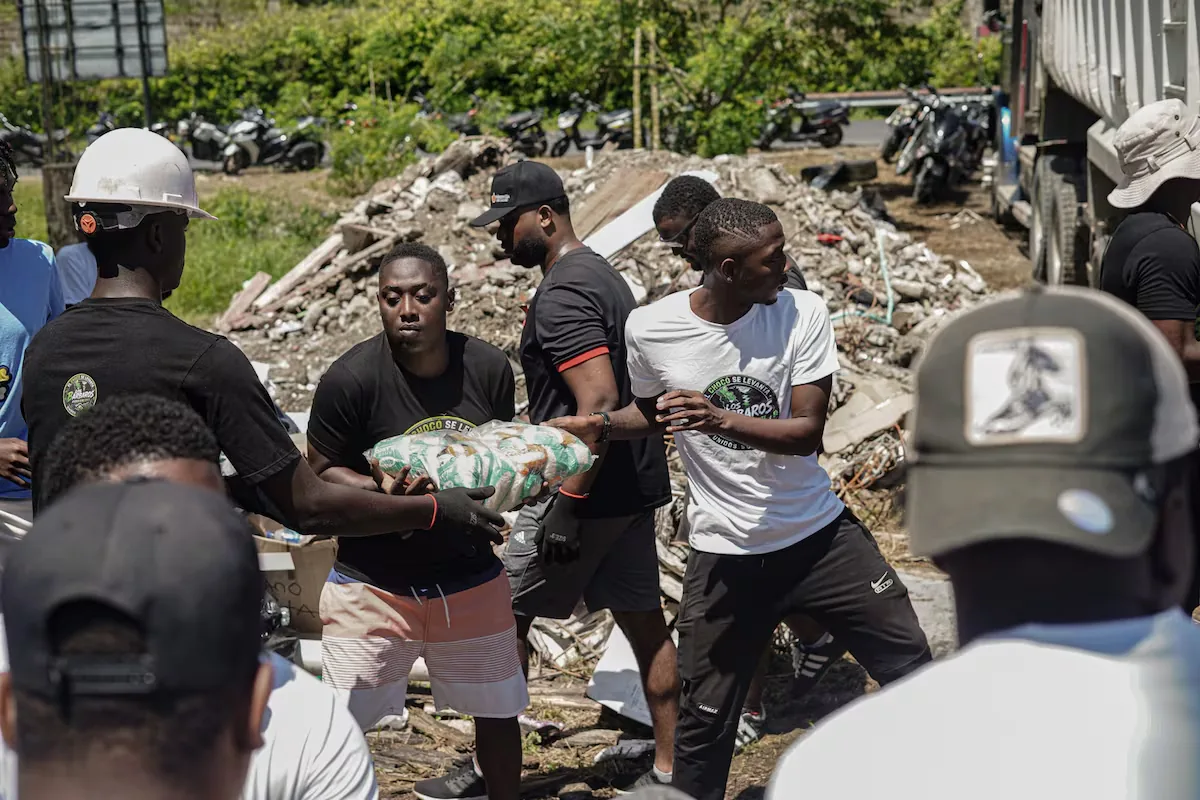
It took us several hours and days to learn about the tragedy experienced in municipalities far from the capitals. Even today the country does not know the full magnitude of what happened beyond the figures highlighting 494 affected municipalities. The distance is more than geographical; it is one of exclusion. Besides the dead and injured, the earthquake wiped out the lives of entire families and their future prospects. Alongside the vast differences between those two Colombias, we also glimpsed in the primary response to the tragedy the solidarity that people are capable of in any circumstance. The power of young people, community networks, and social organizations was seen. The earthquake showed what can be done privately with donations and collections, but also what it means to see hands joining to support others even though none of those hands have a peso to do so. Citizens filled the gaps left by the State in the crucial first hours of searching and rescuing people.
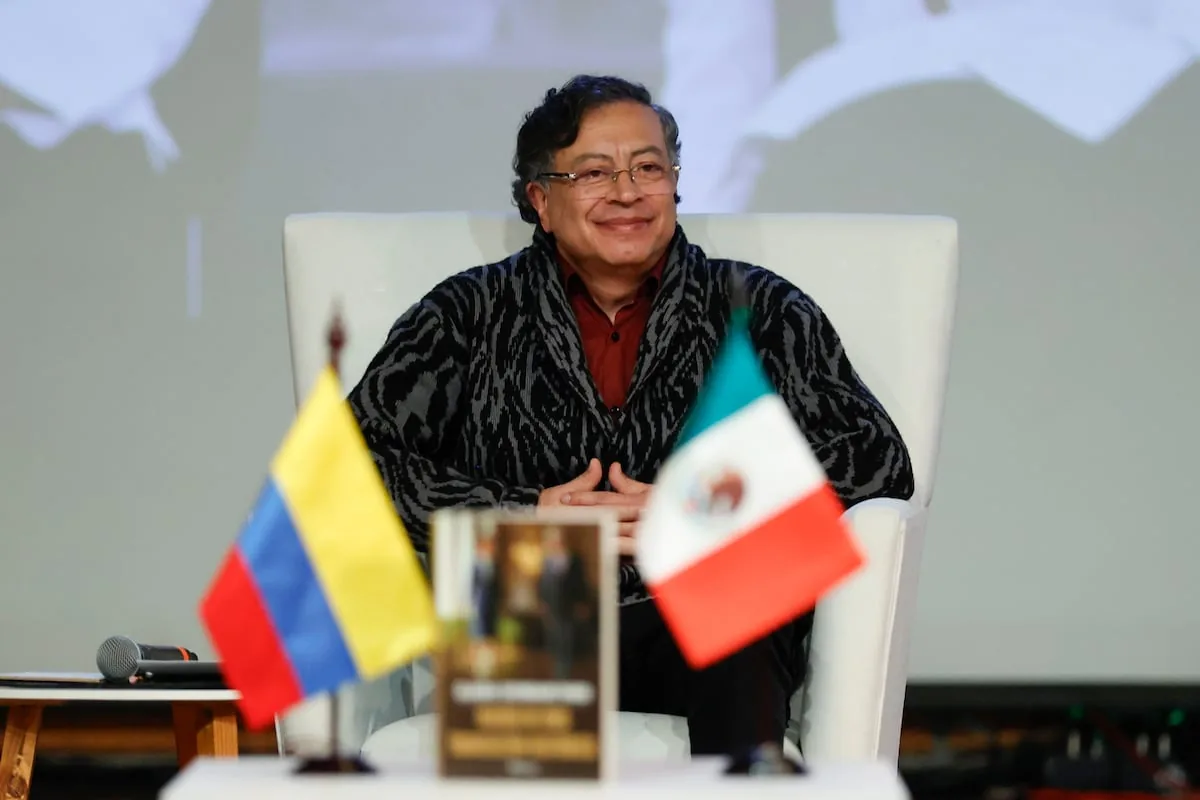
The earthquake with its urgency, on the other hand, has not allowed us to fully understand controversial decisions of the new Government such as the radical change in foreign policy that places Colombia alongside those who violate international norms, those who carry out genocides and disregard agreements made in multilateral organizations. In a chain of decisions that began just hours after the earthquake, the Government changed the history of a foreign policy of respect for agreements that also have full validity in our Constitution and laws.
Read more Mexico looks with uncertainty at the trade tension between the United States and Canada
We have also not deeply analyzed what it means to want to erase pieces of history by removing from official entity accounts publications that are part of institutional heritage. We have not understood what it means in territories hit by violence to silence peace radio stations nor what impact it has on public policies to remove the word girls from official communications. Inclusive language may sound redundant in literature and the debate about the aesthetics of words is valid, but it cannot be ignored that in terms of public policies it must be known that girls, like women, need specific attention due to the history of discrimination and vulnerability. Naming them is the first step to attending to them.
The tragedy that requires urgent attention has not allowed discussion of everything at stake in educational proposals that seek to remove certain readings from classrooms or age-appropriate sexual education that is essential to teach children to care for and protect their bodies and to respect others. Religious freedom must allow parents to educate their children in their beliefs, but the State must guarantee that those beliefs do not violate others’ rights nor put minors at risk.
An earthquake allowed us to know ourselves a little better, to meet in the tragedy with our miseries and our greatness, and gave the Government an advantage to impose its agenda without paying the price of public debate. It was not only the bombings in which civilians are injured and displaced that are also not named. That is another tragedy we have not seen. Besides those bombs that fell from the sky, there are others that begin to explode in the cultural battle in which many of us feel targeted.
Read more Is Europe safer than the United States?