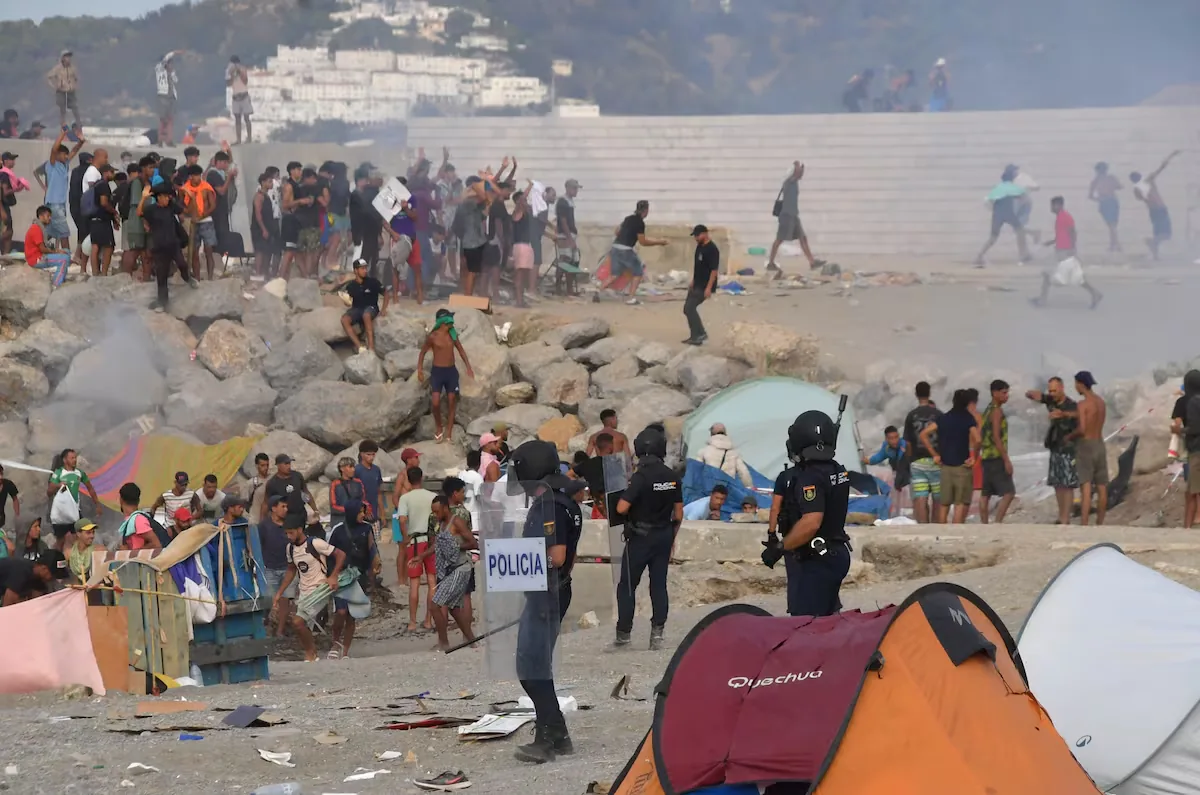
And on the 25th day, Ceuta exploded and patience ran out. You don’t have to be very smart or a sharp analyst to understand the situation when the taxi driver, the pharmacist, the police officer, the politician, the prostitute, the drug dealer, the ex-military, the housewife, the student, and the waiter all repeat the same phrase: “We can’t take it anymore.” This Tuesday, various episodes showed that in Ceuta the delicate seams that hold together a city of 84,000 inhabitants, 17,000 civil servants, and three major religions, which overnight filled with immigrants wandering disoriented, dragging their feet and with their hands in their pockets, passing the hours, have begun to break.
Read more How to organize a trip you’ll talk about for the rest of your life
This Tuesday, events unfolded in a city unaccustomed to shocks and which repeatedly says it has been left “without a border, without a city, without summer, without sports centers, and without a fair; and we’ll see if the school year can start,” says the tobacconist.
At noon, the president of the autonomous city, Juan Jesús Vivas, finally wanted to give two pieces of good news to his neighbors: “Ceuta will be part of the European Committee of the Regions.” Thanks to the support of other Spanish municipalities, which have given up a seat, Ceuta will have a voice in Brussels. This was an old Ceutan demand that at another time would have generated collective enthusiasm, but which arrived at a moment when, more than recognition, it sounded like a charitable favor.
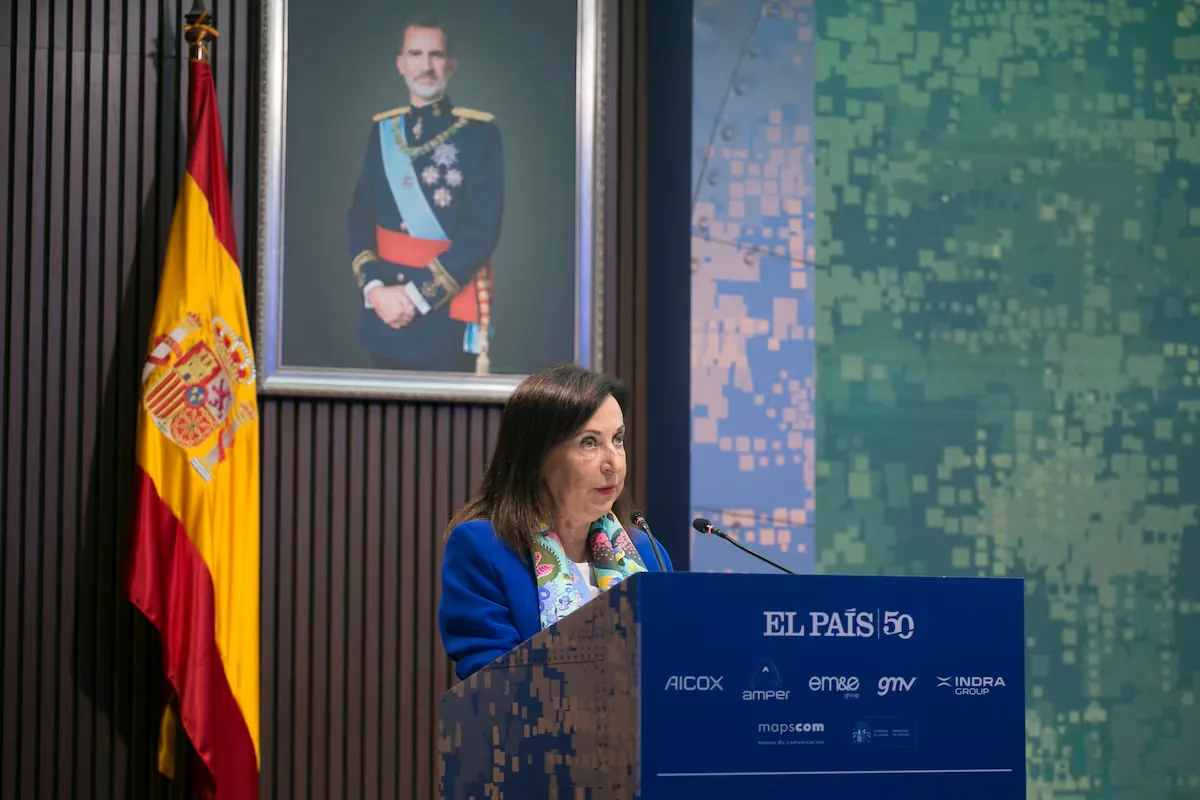
He had not finished boasting about his achievement when Vivas described as “serious” the words of Minister Margarita Robles about the CNI reports warning of a massive arrival of migrants. A statement later contradicted by Minister Fernando Grande-Marlaska. “Why were the previous warnings not heeded? Why were we not listened to when we asked for unified command? Why has an emergency zone not been declared? These are some of the many questions that remain unanswered,” he summarized.
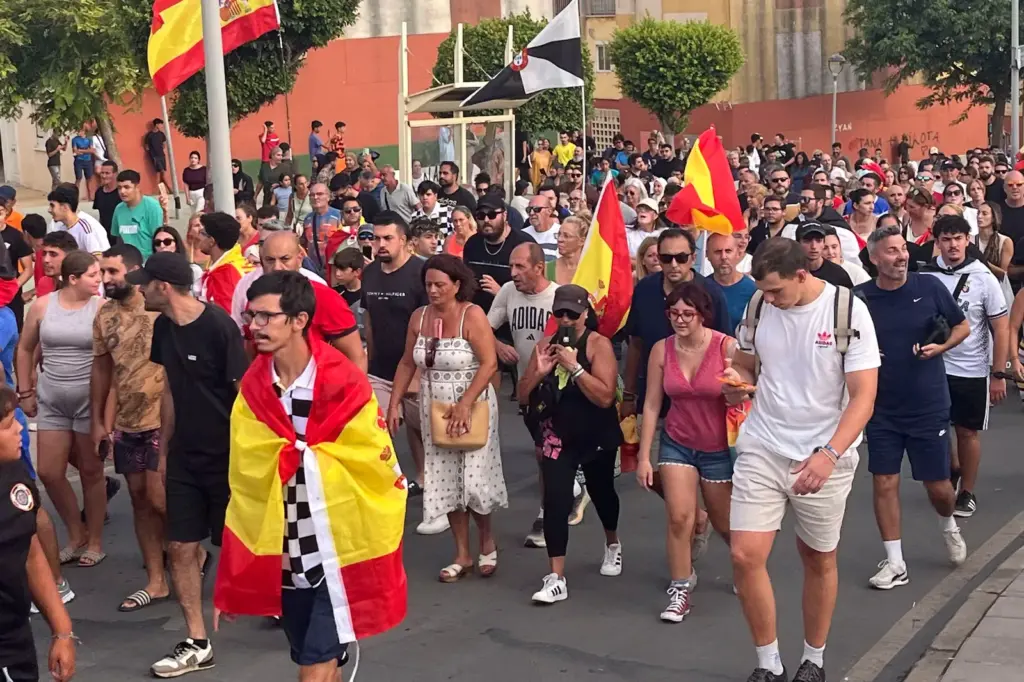
The second piece of good news was the assumption of the unified command that Vivas demanded. However, before seven in the evening, the people of Ceuta boycotted the arrival of Minister Ángel Víctor Torres by organizing a demonstration that started right where he was supposedly meeting with the Government delegate in the city. Shouts, boos at the facade, and the start of a demonstration that took two hours to cover the less than 20 square kilometers the city has. Plaza de África, El Chorrillo beach, and Loma Colmenar. About a hundred people walked from the sea to the border, but when they returned to the center, more and more Ceutans began to join.
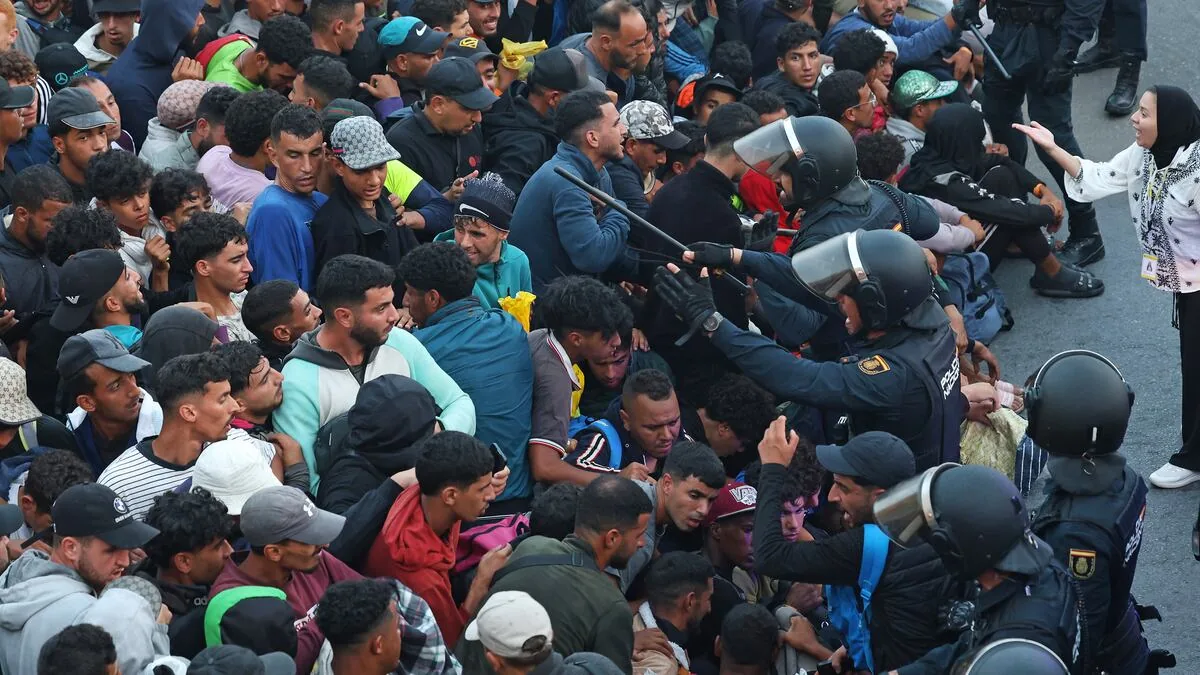
At the same time, at the other end of the city, about 10 minutes by car, the massive distribution of food began for the thousands of people who entered irregularly on July 30 and 31. The scene repeats every day at sunset, when thousands of migrants who have been wandering during the day, in shelters or hiding, go down to El Trampolín beach to receive their daily ration. A bag containing tuna, milk, bread, cookies, and juice.
Read more Mother and daughter who were injured during the storm in Tarragona die
About fifty riot police are in charge of organizing the chaotic crowd. The priority is to protect the Red Cross staff so they can carry out the distribution safely, after the cleaning services said they would not clean again if the police were not present. This time it was a minor incident: someone started praying outside the line, which led to a push from the police. Then, shouting, stones, and a massive brawl that ended dispersed with blows and tear gas. Among the UIP agents, the tension was noticeable, and among the young people, frustration spread over a situation that has nothing to do with what they had seen on social media.
Meanwhile, in the center of Ceuta, hundreds more people had joined the demonstration. The flags of Spain and the T-shirts with the slogan “Ceuta is not for sale, Ceuta is defended” had given way to insults like “sons of bitches” and “shitty government,” in front of the hotel where the unified command, Ángel Víctor Torres, was supposedly staying. It was the worst moment for two distracted Moroccans dressed in tracksuits and sandals to appear when someone threw the first kick. Then, insults towards them and aggression towards the photojournalist who took the picture. “You have to understand the situation,” said Yolanda de la Guerra, wife of a soldier and living in the autonomous city for more than a decade. “We have had many days of tension. I don’t leave the house and I have sent my daughters to the mainland until this situation is resolved.”
A man sitting in front of a café records the protest when someone shouts “Moroccan spy.” Then, dozens of ladies who were calm housewives yesterday and gentlemen who were punctual postal workers yesterday angrily attack the man, who took refuge in a bakery until he was escorted out by the police.
While all this is happening, a Civil Guard helicopter flies over the bay chasing a boat speeding through Ceuta’s waters. A patera? A boat with drugs? Opposite, cargo ships wait their turn to unload merchandise, and in the background, the majestic Rock watches the scene. None of this is strange in the Strait’s universe, except what happens on land.
After ten at night, a rumor spreads that Minister Torres is dining at a restaurant near the medieval wall. And the demonstration heads there. No one knows for sure if that information was true, but after an hour, people return with the feeling of having left the task unfinished. This Wednesday, they assured, the same hotspots of tension will repeat: the beach and the unified command. Day 26 has already begun.
Read more Beyoncé donates one million dollars to help Colombia after the earthquake