









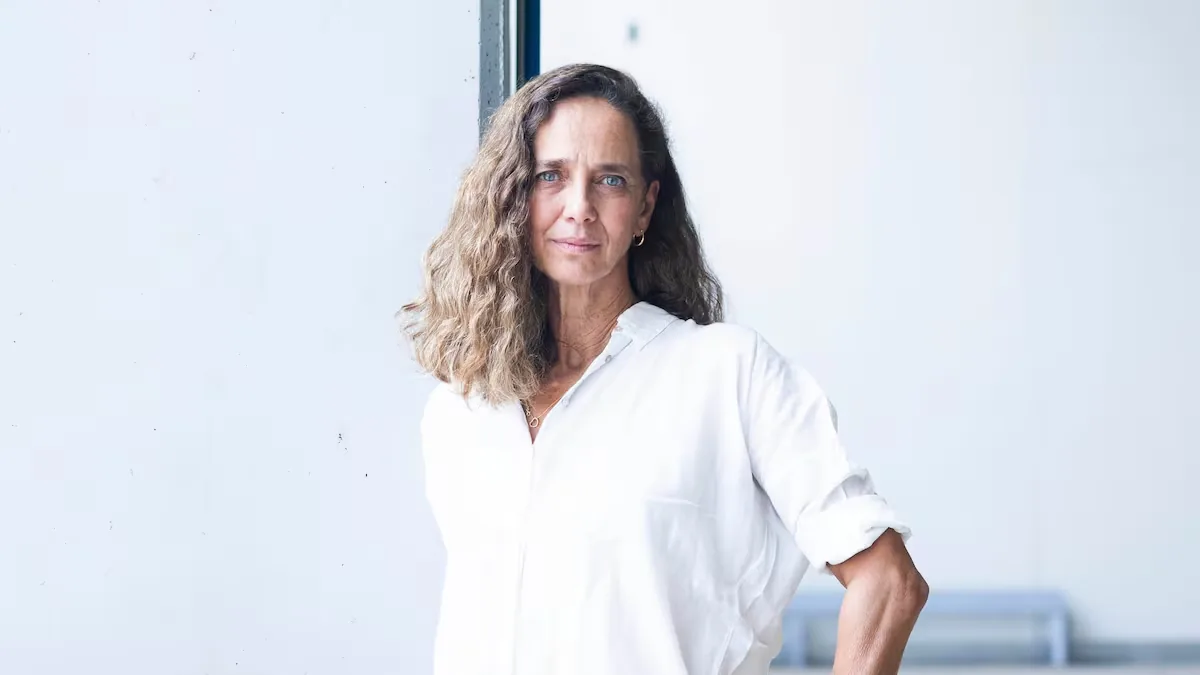
Blanca Suelves (Lima, 58 years old) was so young when she debuted as a model that she arrived at her first fashion show dressed in the uniform of Sainte Bernadette school. At her then 16 years old, she had never worn a long dress nor had she put on high heels. She hadn’t worn makeup nor had she ever looked through a fashion magazine. She knew nothing about that industry, but she accepted without hesitation the invitation from designer Jorge Gonsalves to walk in Madrid Fashion Week. “All the tops of the moment were there, and at that time they were very tall: Celia Forner, Paola Dominguín, Olatz, Helena Barquilla, Mónica Boada… And then there was me,” she recalls. “Since I didn’t know who to talk to, I sat on the floor. Suddenly, one of them asked me if I had ever walked a runway before. I replied no. She took me to a hallway and made me practice. I walked for the first time in a long blue dress with many well-known people from Madrid invited to that show.”
Among those well-known people was her mother, Victoria Eugenia Figueroa y Borbón, Marchioness of Tamarit. Suelves doesn’t remember if she had told her she was going to walk that day. “Most of the things I did later, I didn’t tell at home. I’ve always been very independent. I didn’t usually ask for permission. My parents gave me freedom and knew that when I made a decision, I made it. And, besides, they were never very risky decisions,” she explains.
Her debut appeared in all the press: “The daughter of the Marquises of Tamarit, model.” The fascination her naive appearance —fine features, blue eyes, brown hair— aroused foreshadowed the arrival of a new beauty standard in Spain in the mid-eighties. “I don’t know what caused that sensation. I imagine it was youth…,” she reflects.
View this post on Instagram
Pepe Barroso, founder of Don Algodón, noticed her and offered her an exclusivity contract to do campaigns and catalogs for his clothing brand. She was the most unlikely candidate to embody the Don Algodón girl. She always wore jeans inherited from her older brothers, old t-shirts, and sneakers. She didn’t go shopping and didn’t think about clothes. “I was the youngest of six, and the one before me, my brother Luis, was five years older than me. I was never very vain.”
She was the least likely to be the face of Don Algodón, and perhaps that’s why she accepted to embody it. It was a sensation. The well-to-do girls of the eighties —and those who wanted to be— aspired to look like her and wear the Greek key pattern sweaters and colorful wool bows of Barroso’s brand. Everything Blanca wore sold out: perfumes, makeup, sunglasses… Her image began to be everywhere: fashion magazines, billboards, buses, phone booths. “All the credit goes to Pepe Barroso, who created something transcendent and innovative at that time. Back then, there were no Spanish brands for young people, and Pepe gave us the opportunity to dress in accessible and very colorful fashion.”
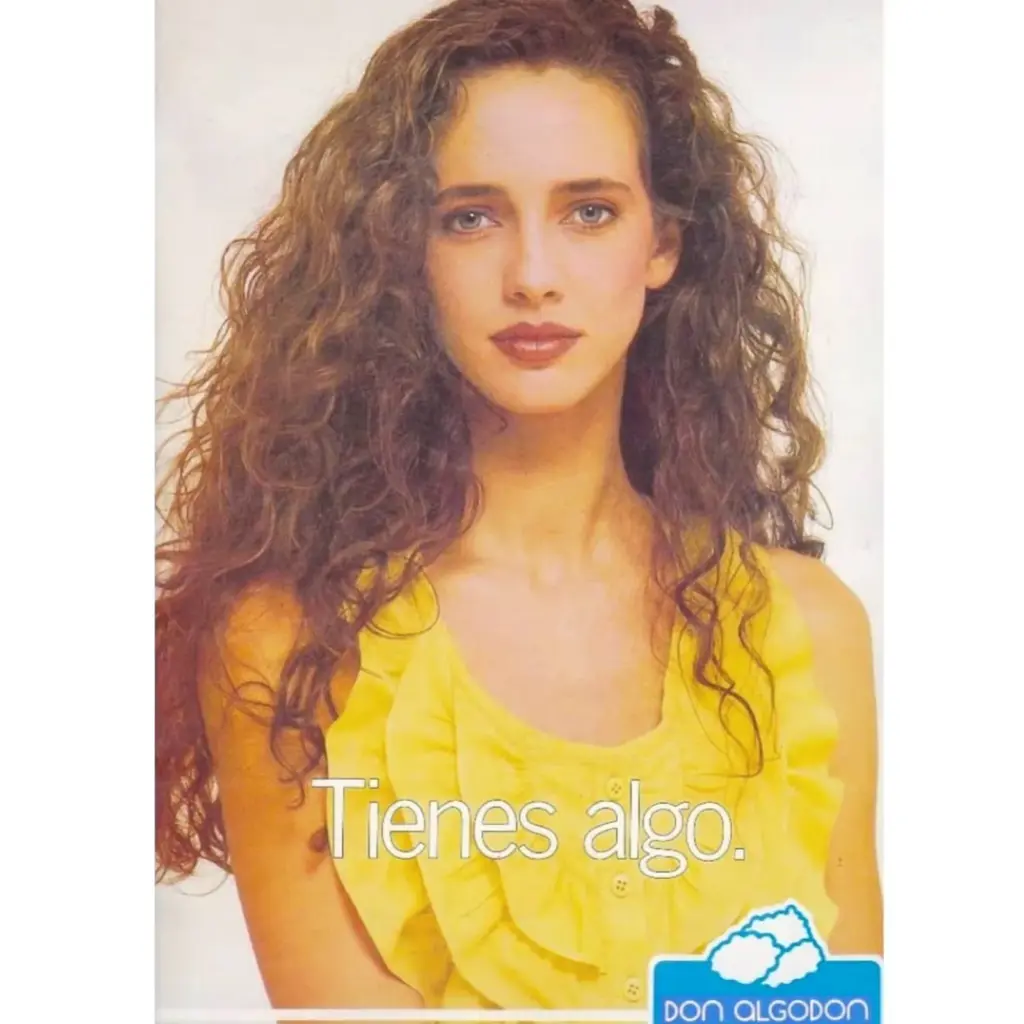
Don Algodón was a phenomenon, and the aristocratic girl in its advertisements and catalogs became a role model for many Spanish women. She was the exclusive face of the brand for three years. “I was everywhere, and people started recognizing me. I had a terrible time. I didn’t like seeing myself in photographs because I felt a degree of intrusion and exhibition that didn’t suit me. I’ve never liked exposing myself.”
She starred in features and covers for Vogue, Elle, and Telva, and other brands began offering her work. More fashion shows. She also received proposals to make movies. She liked reading scripts and going to interviews with directors just out of curiosity, but then she always said no. “I already felt like an intruder working as a model, so imagine if I had accepted to do it as an actress. I didn’t have a career plan. I just wanted to earn some money and be independent. And I was.”
In the nineties, she was offered to host the first fashion program on Canal Estilo. Although she had never done television, she accepted. At that time, her courtship with Ioannes Osorio y Bertrán de Lis, Duke of Alburquerque, began. The couple married in the summer of 1996 at the model’s parents’ castle in Altafulla. Suelves moved away from the runways as soon as she could. “In the following years, I changed format. I was a stylist for Blanco y Negro magazine of Abc, I continued doing some fashion reports, and I continued my journey on TV, always related to fashion: Canal Estilo; Buenos días! España, the morning news with Roberto Arce on Antena 3, Con T de tarde.”
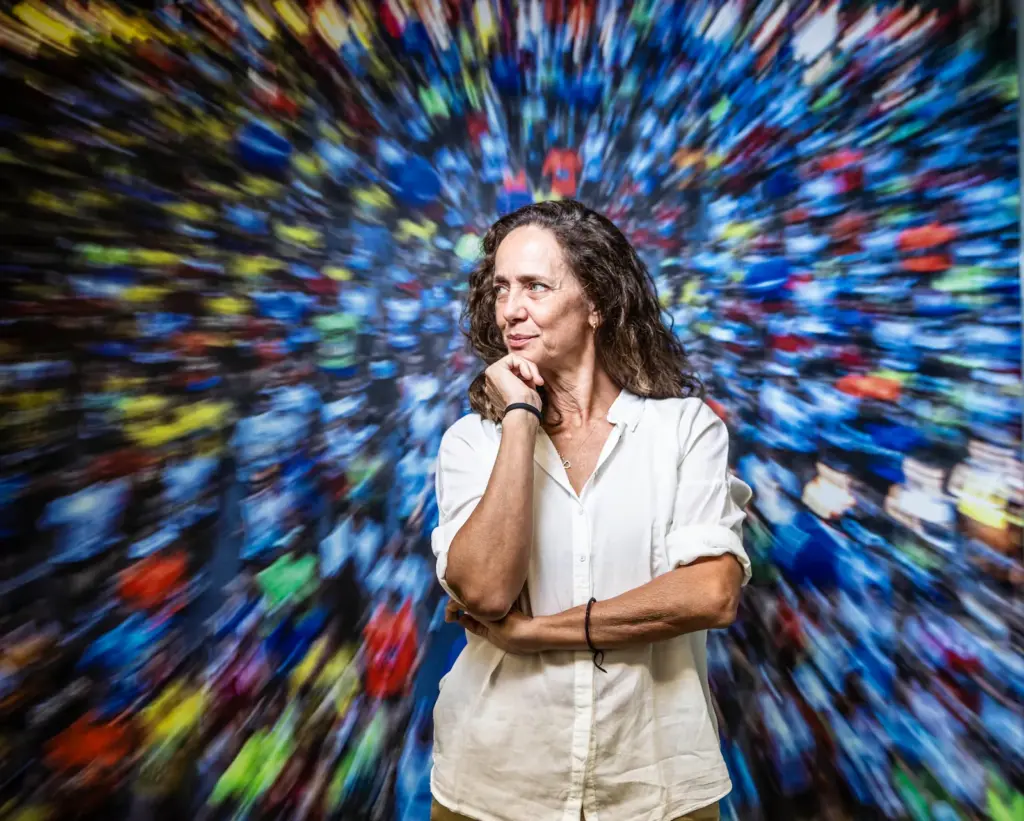
She had two children with her husband, Blanca and Luis, and with him, she faced a new challenge: bringing Soto Mozanaque to life, the family home, the historic Alburquerque estate in the Madrid town of Algete. “My ex-husband [they separated in 2021] had inherited the estate, and we had to do something with it. It was a responsibility. It had to be maintained, given a function. It was complicated because we lived there, and it had to be compatible with Ioannes’ profession as a breeder and racehorse trainer.”
Then it occurred to her to start renting it out for weddings and events. She had no idea about the catering business, but she had an eye for beautiful things and knew how to choose a good team. “And I had the luck and trust of Ioannes, who was born and raised there and believed in my project. He gave me free rein for the restoration of the main house and for its new purpose.”
She was about to do something unprecedented. No Spanish aristocrat had opened their domains for something similar. Her audacity earned her some criticism from family and acquaintances. “It wasn’t easy. They didn’t understand it and didn’t approve. They told me: ‘How can you do business with the Duke of Alburquerque’s estate?’,” she recalls. “But I was absolutely clear about it. Then, thankfully, we ended up hosting the communions and weddings of many of them.”
Read more The robe is in fashion: luxury frivolity or feminist claim?
She didn’t want to publicize the estate. She didn’t feature it in magazines or show it on television until 15 years later. The success was immediate, thanks to word of mouth. “It was impressive,” she admits. “Many told me: ‘You have to make El Soto only for people you know.’ There were many prejudices, and I don’t have them. Every person who chose the estate was special to me because they were choosing my project. It didn’t matter if I knew them or not. Besides, you shouldn’t pay attention to people who say silly things.”
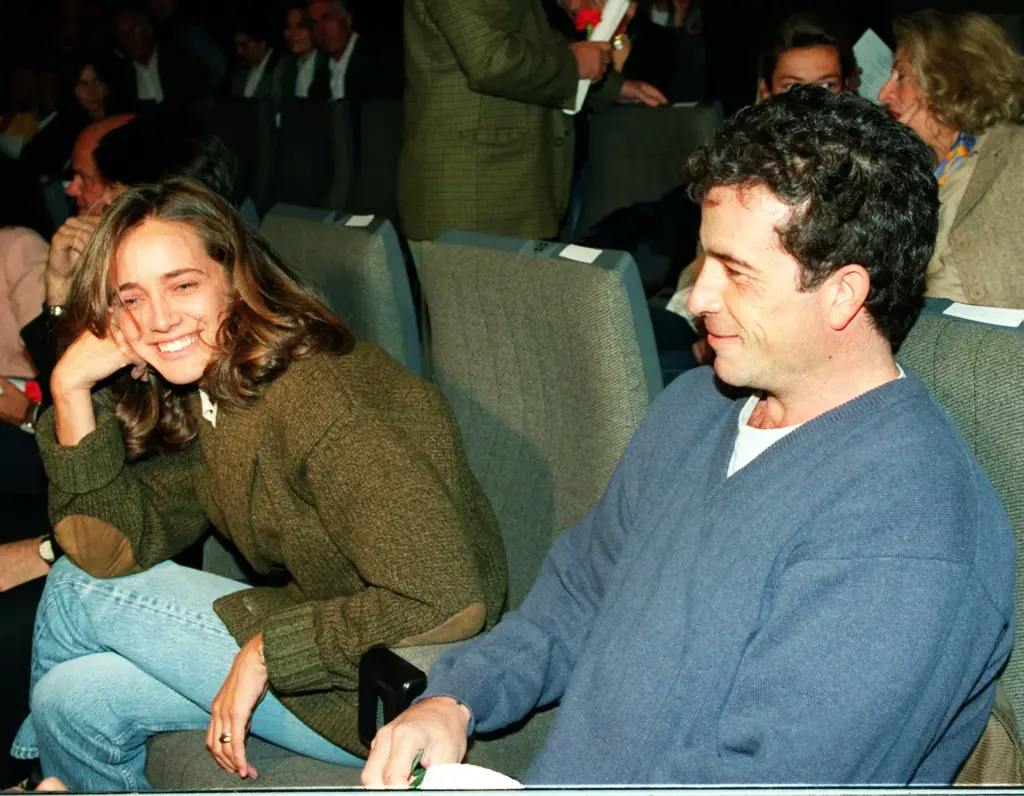
Soon after, many families began to imitate her, opening their palaces, castles, and estates for weddings and parties. “And that’s great. Many came to El Soto to see how we did it and ask for advice, and I always welcomed and helped everyone who called me as much as I could.”
Thirty years later, the Duke of Alburquerque’s estate is what Suelves dreamed of: a consolidated, reference site, and a source of pride for her family. “I thought of my father-in-law, whom I loved very much. I think he would be proud. The project was a way to preserve the heritage and to bring joy and happy moments to other people, but also to the house itself. The people who choose El Soto give it very good energy.”
During these three decades, she has stayed away from the spotlight, living in the countryside and dedicating herself to her family and the estate. She received offers to return to fashion and rejected them all. “If I don’t like something, and I can choose, I prefer not to do it. I have that honesty with myself: I want to be credible in what I do. Besides, to return, it would have to be a very special project because exposing myself has always given me a certain dizziness. I went from being everywhere to not being out and recovering the freedom of anonymity. I don’t like being known, although I admit it has had certain advantages.”
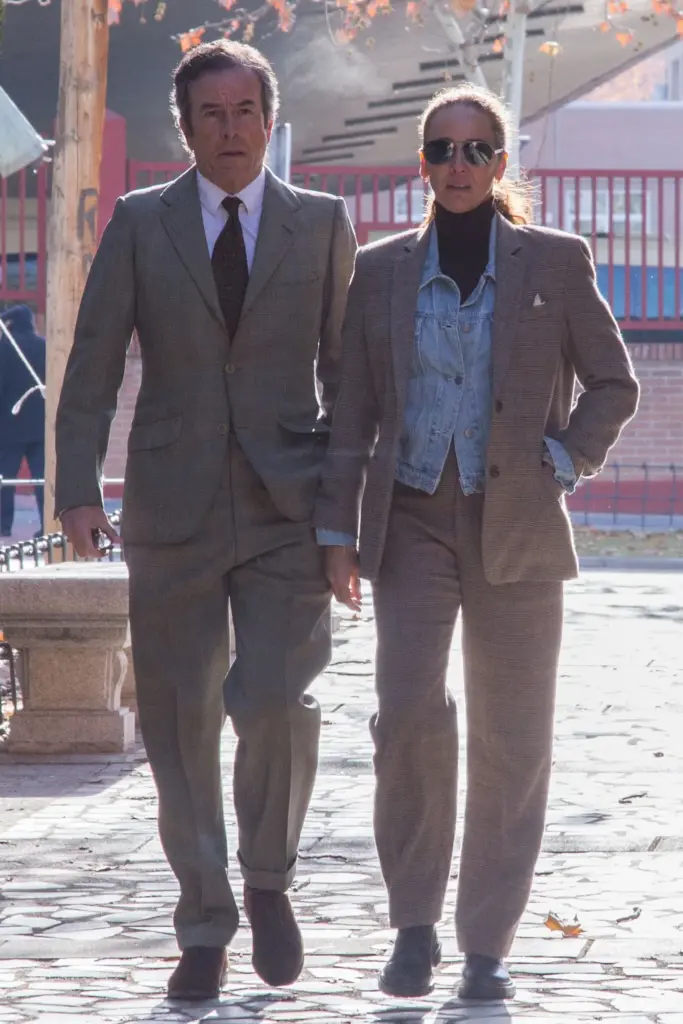
Forty years after her fashion debut, many people still remember her as “the Don Algodón girl.” Instagram and Pinterest are full of photos from when she was 17 or 18 and worked as a model for Pepe Barroso’s brand. “Now, at 58, people still talk to me about those campaigns. It’s now that I realize the impact and effect they had, and it amuses me. When I find those photos or they send them to me on Instagram, it makes me happy.”
In 2021, after three decades of relationship, she separated from her husband. She is no longer involved in the management of Soto Mozanaque. Last year, she starred in the campaign for the 40th anniversary of Madrid Fashion Week. Many thought she would return to the runways, but she has no intention of returning to the front line. “People say you have to reinvent yourself, but I am always the same, I just keep walking,” she clarifies.
View this post on Instagram
Last summer, while sailing with some friends, she started thinking about what she could work on. “I am an organized, discreet, honest, and trustworthy person. If I created a business that is still a success after 30 years, with my experience I must be able to do something.” That’s how she got the idea to create Roberta Flat, a company that started by helping people with their moves and now dedicates itself to finding rental or purchase apartments in Madrid for its clients.
She proposed to her cousin, María Chávarri, to be her partner. Chávarri accepted. “Fifteen days later we started. We have work because we have an eye, judgment, contacts, and the time that others lack,” she says. Discretion is important in this business, so she won’t give many details about her work as a “real estate personal shopper.” About what is most requested in Madrid, she replies: “Everything good. People want the best.” About her clients, she says: “People who don’t usually live in Madrid and don’t have time to see many houses.”
Many who knock on her door have a lot of money, but no one gives a blank check. “Everyone has limits,” she notes. She knows hers very well and seems proud not to cross them: “As I told you, I am always the same.”
Read more Yayoi Kusama, the artist who turned polka dots into an exponent of psychedelia, dies at 97