Months. Returning home will take a long time, until after Christmas. What Generalitat technicians have been informally admitting for weeks to the neighbors who were evacuated due to the sinkhole on Barcelona’s L9 line as it passed through Sant Gervasi and have not returned home is now official. Some will not be able to return until after Christmas, at the beginning of the year. This was explained by the Generalitat’s project managers this Friday, eight weeks after the hole occurred.
Read more Trump’s restrictions on mail-in voting get stuck in the courts
The hole affected eight buildings, and half of the residents have already returned home. Of the four buildings still evacuated, only in one (Teodora Lamadrid, 5, with 15 homes) will the inhabitants be able to return “in six weeks” by mid-October. Those in the other three buildings (Teodora Lamadrid 3 and Rubinstein 2 and 4, 18 apartments in total) will have to wait until early 2027. Of all, the building in the worst condition after the sinkhole and a crack that appeared at the end of July is Rubinstein 2 (which corresponds to Teodora Lamadrid 1), which has structural damage.
The General Director of Infrastructure of the Generalitat Ramon Ramírez and the Government delegate in Catalonia have insisted that the work is progressing well, “the situation remains stable,” but that the priority is to guarantee safety. Ramírez explained that to “consolidate the ground” concrete is being injected, but as much as “the ground accepts.” Hence the work is taking so long. “The longest process will be that of the Rubinstein, 2 building,” the one on the corner of the square, right in front of the Sant Gervasi market. Ramírez also explained that in the first weeks the work consisted of checking the condition of the buildings and delimiting the affected area, and now it is about settling, a ground “that admits a lot of material” with the goal of returning “to the previous condition.”
Read more Leganés makes Álvaro Morata signing official
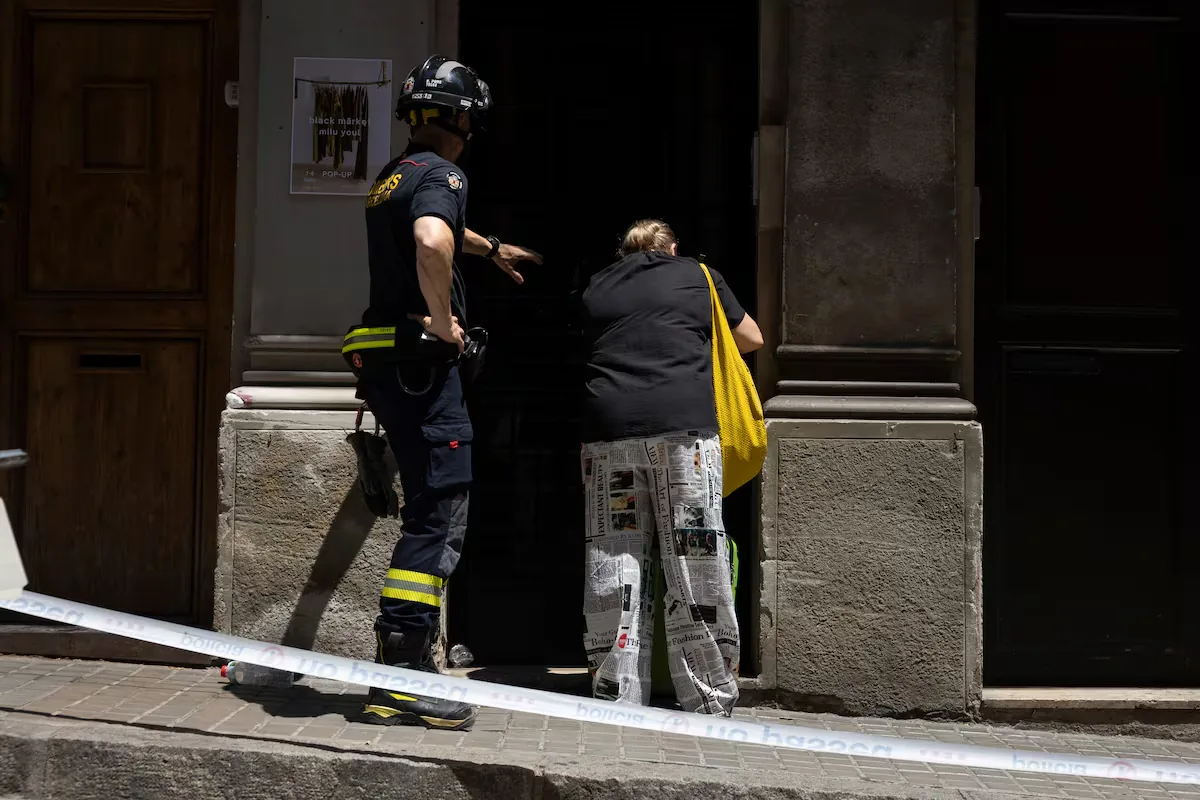
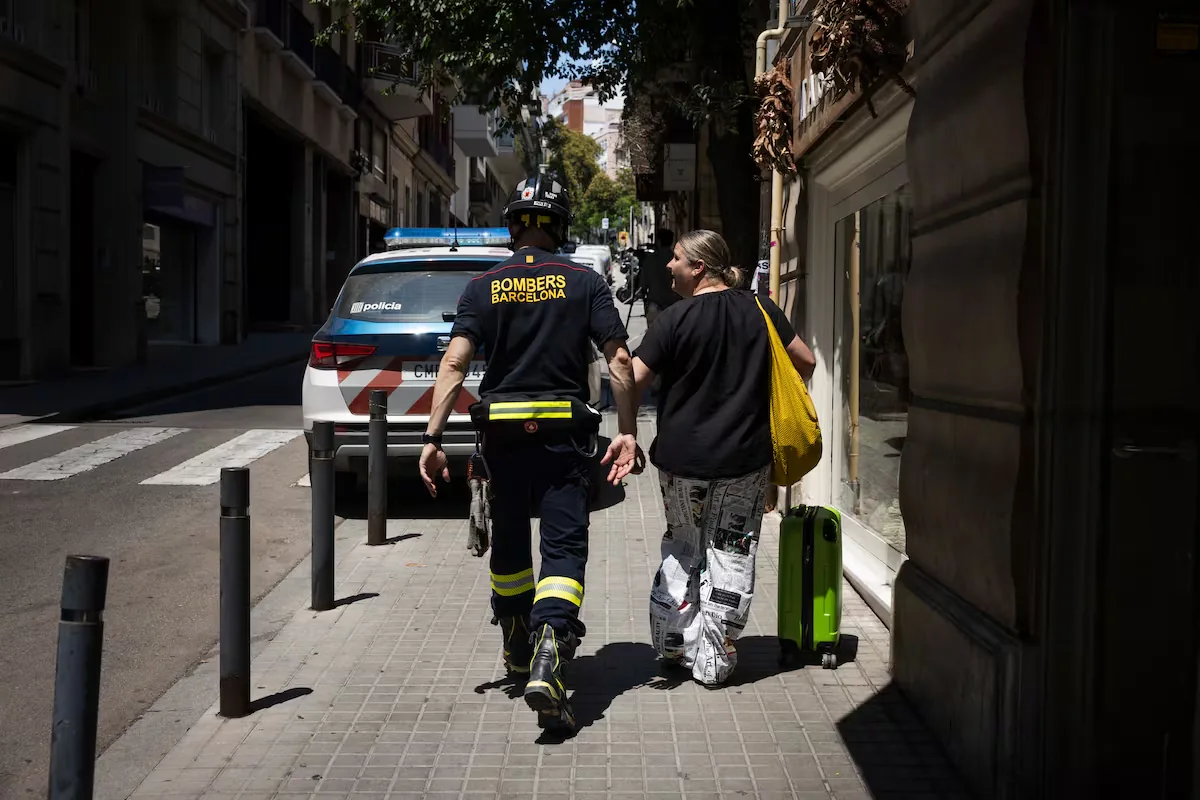
Right on Rubinstein 2 street is neighbor Miren Atela, who is starting to feel the stay in hotels, especially facing the scenario of returning to work after the holidays. Atela complains that information comes to them in dribs and drabs and wonders “why the ground has to be inspected so much, why it has to be reinforced so much.” “How severe was it that it takes so long?” she asks. The neighbor also laments that in her building, after the crack appeared, since July 31 the residents have not been able to enter because it is not safe: “I was a few days in the Pyrenees and couldn’t go in to get a sweater or some sneakers,” she says as an example. She also explains that she has asked to be able to stay in an apartment, but the two they have offered her are far away and would complicate her daily life a lot: working or picking up her granddaughters. “The situation is beginning to affect mental health,” she admits.
Meanwhile, 40 meters underground, the tunnel boring machine that is digging and building the tunnel remains where it was on July 7, sources from the Generalitat’s Department of Territory explain, whose company Infraestructures is carrying out the works.
Read more Barcelona plans to expand direct payment by bank card in the metro and train network in 2027