With unresolved wars both on its eastern flank and in the Middle East following renewed attacks between the United States and Iran, as well as the persistent Israeli-Palestinian conflict, the European foreign ministers meeting this week in Ireland have a packed agenda. This will be further expanded by a debate that has been brewing for months in the “bubble” of Brussels, but whose implications go far beyond the European corridors: the reform of the European External Action Service (EEAS) under the leadership of High Representative Kaja Kallas, which countries like Germany want to place under the direct supervision of the European Commission chaired by Ursula von der Leyen.
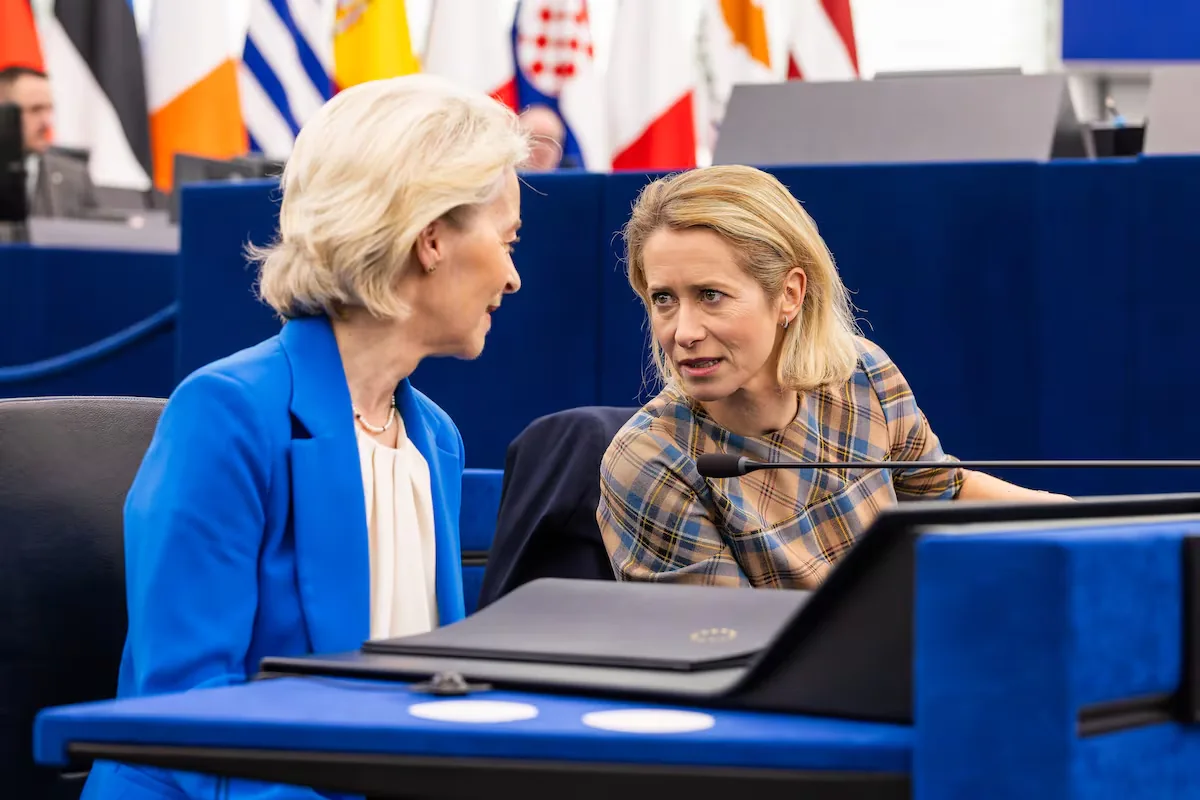
The tension between the former Estonian prime minister and the German head of the European Executive has long been the talk of Brussels, in an increasingly overt battle to control the EU’s voice in foreign policy.
Kallas herself has put on the agenda of the Gymnich, as the traditional informal biannual meeting of foreign ministers is called, an issue that, according to various diplomatic sources, has long concerned many capitals that consider there are “deficiencies to be addressed” around this service straddling the European Commission and the European Council. Especially when, in these turbulent times, the community bloc must speak more with a single voice, something that currently does not happen very often. “Ministers will discuss how to collectively strengthen the effectiveness, impact, and agility of the EU’s external action in an evolving geopolitical context, including in multilateral forums,” states the official program presented by the rotating Irish presidency of the EU and host of the first European diplomatic meeting after the summer period. But that is where the consensus ends.
The EEAS itself acknowledges that greater “efficiency” is needed for all the resources and tools of European external diplomacy. Sources familiar with the negotiations, proposals, and inner workings of the European diplomatic service argue, however, that it is not about placing the offices on one side or the other — the EEAS has its own building, independent of the European Commission headquarters — nor about creating or recreating new directorates-general to reorganize the services.
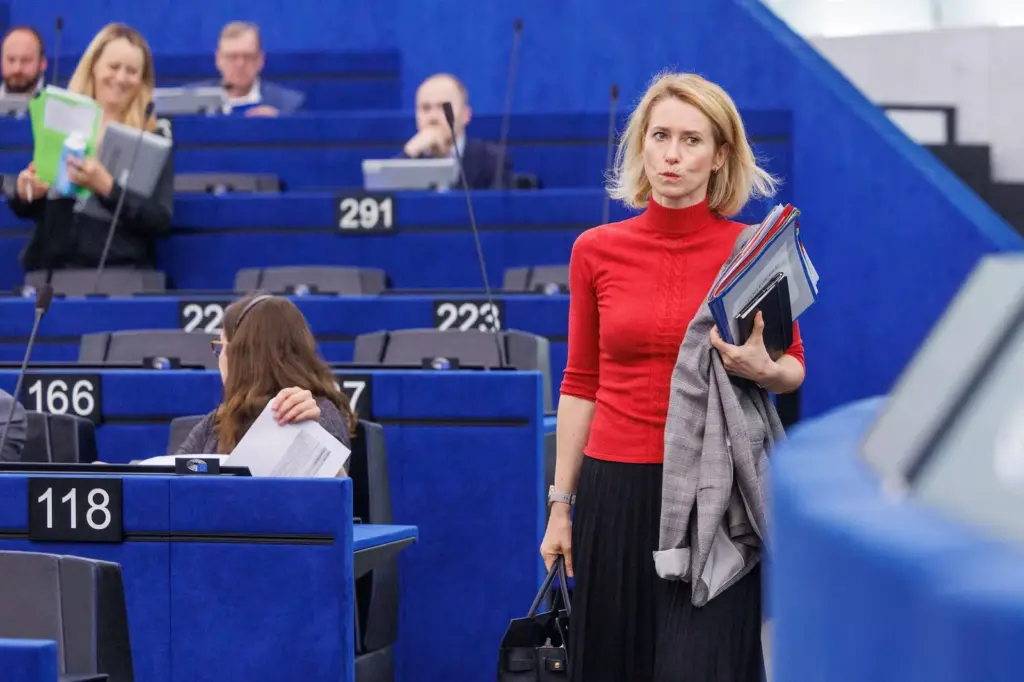
But this is precisely where the latest proposal from Berlin points, which, supported by Paris, has been leading a debate for months that the two countries now want to bring to the meeting in Ireland to undertake a much deeper reform that would place the EEAS under the direct supervision of Von der Leyen, in a Commission with which it has long disputed powers and decisions.
Already at the end of June, a working document from Germany and France was leaked in Brussels proposing three alternatives for reforming European diplomacy to avoid what they call the current diplomatic cacophony: either a “change of course of the entire foreign policy towards the Commission” or a change of functions of the EEAS towards the European Council (i.e., the States). The third way, according to the document consulted by EL PAÍS, would be a “strengthening of the High Representative’s functions within the College” of commissioners by appointing her as first executive vice-president with “authority” over commissioners and directorates-general related to foreign policy, trade, or development aid, among others.
The proposal expected to arrive in Ireland, where foreign ministers meet from Tuesday afternoon until Wednesday, would be a new variant based on the third way that seeks to integrate especially the foreign policy part of the EEAS into the Commission, possibly as a new directorate-general. While this would allow more direct coordination of policies related to its area, it would also mean, in practice, that Kallas, regardless of the title given, would be under the total supervision of Von der Leyen. This would unify the voices on European diplomacy, as Berlin or Paris claim to seek. But it could also imply the imposition of the position of a Commission already very verticalized under Von der Leyen’s leadership.
Something that could be questioned by some member states. The proposal has already been discussed with some capitals, but a formal document specifying the details has not yet been released, so the Irish meeting is considered only a first step in a debate that promises to heat up the European autumn.