







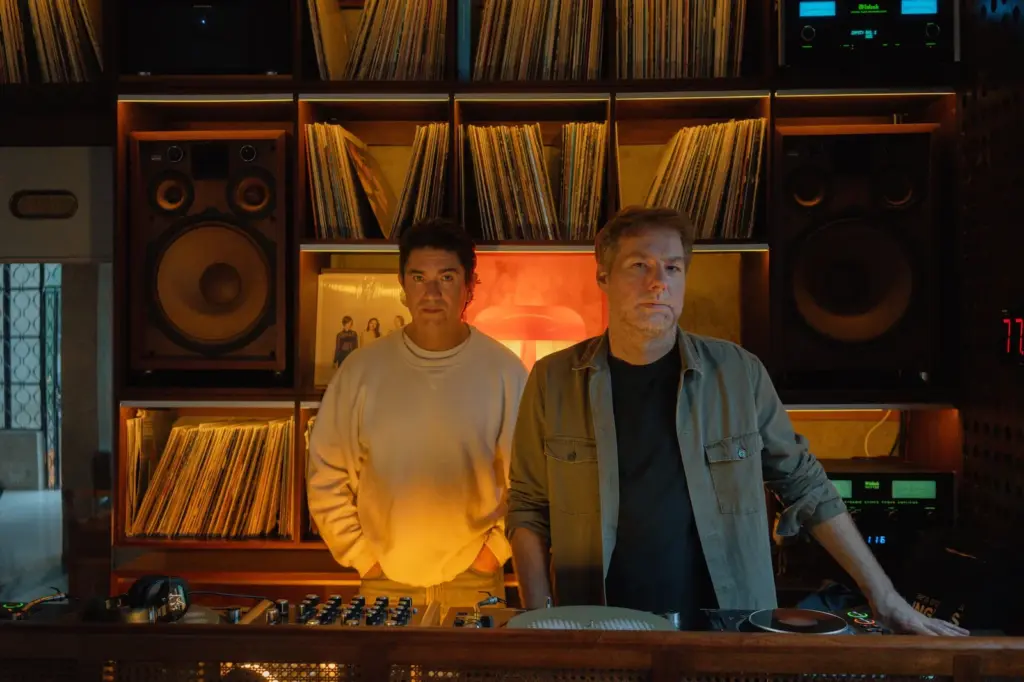
On Saturday evening, in an affluent neighborhood of Caracas, a bar fills with people. Well-dressed and perfumed men recount their week; women with straight hair and long eyelashes take selfies in the bathroom. There are people on the street talking on their cell phones, heated discussions about current events, a DJ spinning vinyl. Signature cocktails. Everything in its place. Above the rooftops, a flock of blue macaws crosses the sky with their usual clamor. Venezuela’s capital, at least in some parts, once again looks like any other city. And since January 3, it at least seems safer and freer. Though not richer. The image of the trendy spot coexists with another recurring one: the difficulty for most to get by.
Read more Around 20,000 sailors trapped by the closure of the Strait of Hormuz: “Please, get us out of here”
On January 3, the United States took Nicolás Maduro out of the picture, and although it left his vice president Delcy Rodríguez as his successor, it flooded Venezuela with expectations. Within weeks, the idea took hold that the country would begin to grow thanks to US intervention, that investments would pour in, that oil money would irrigate millions of suffocated households. But that expectation has moved much faster than reality. The money is still not arriving.
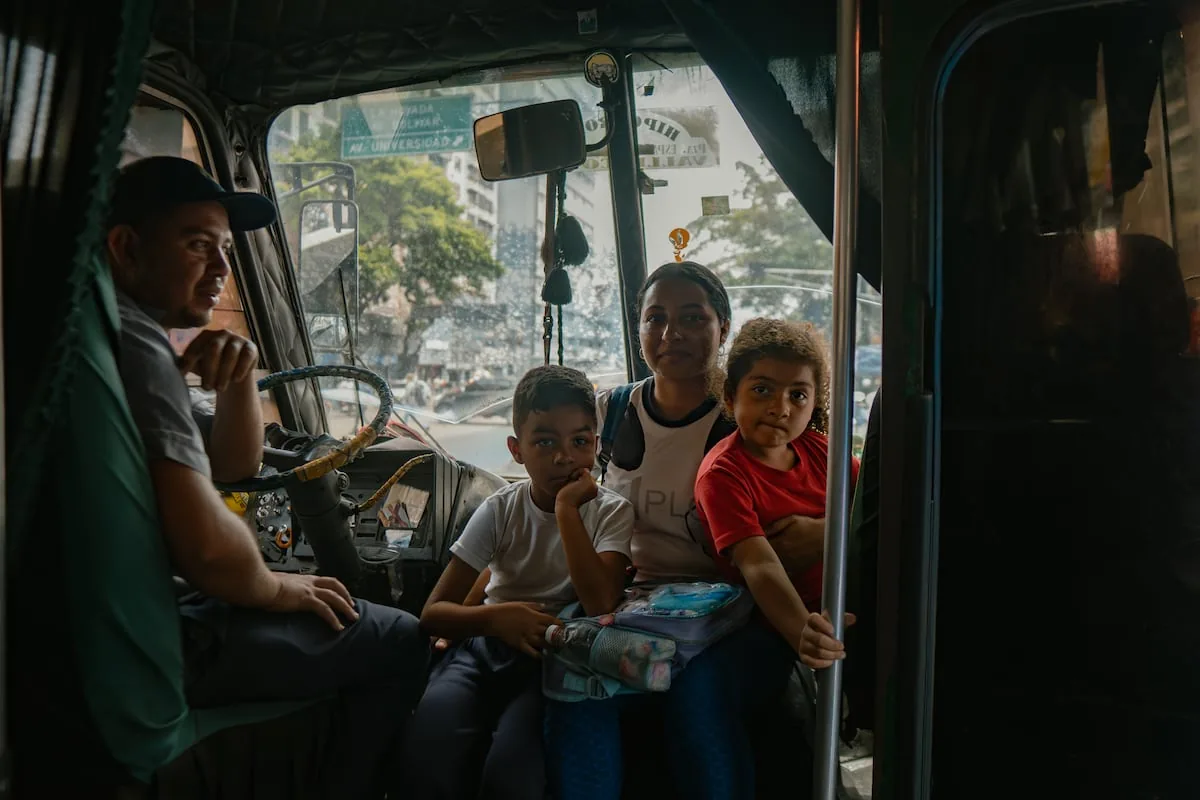
Sitting behind the wheel of an old bus, Oscar Alexander Ulloa receives a visit from his wife and two children, aged five and eight. She brings him lunch, and he hands her his earnings for the day, a huge wad of bolivars that isn’t even enough to buy a moisturizer. “I work from three in the morning until five. Monday to Saturday. And I don’t earn more than 300 dollars a month. And that’s putting it well. We haven’t eaten meat in years. It’s 12 dollars a kilo.” The family doesn’t remember the last time they went to a restaurant.
Ulloa and his wife, Nairobi Pérez, have been among the eight million Venezuelans who have left the country in recent years. They lived for more than seven years in Bogotá and Quito. They even slept on the floor of several bus stations, but it seemed like “paradise” to them. “With one day’s work, we could do the week’s shopping,” says Ulloa. They returned four years ago. They came to say goodbye before attempting to cross the dangerous Darién jungle to the United States. But they are still here. And what they earn today is gone today. Some flour, some oil, half a carton of eggs. “We need a change. But from the roots,” she dares to say.
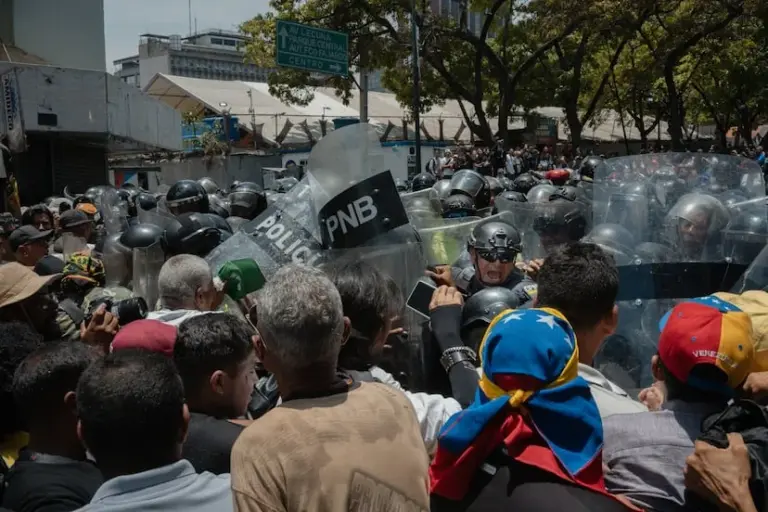
Just a few streets away from that bus, the police disperse a demonstration full of workers, students, and retirees demanding economic improvements. Despite the blows, the image of Venezuelans clamoring against the government seemed impossible just 100 days ago. No one would have dared to challenge the government. Today, there is a constant struggle. But the fear of many in power —in Caracas and Washington— is that this image will become recurrent.
Retired accountant Luis Amundaraín tries to reach the main body of the demonstration. He was in hiding for a year and a half after the 2024 elections, in which Nicolás Maduro proclaimed himself president against what the opposition’s records stated. “They have turned Venezuela into fierce communism. They kill people. They imprison them for doing nothing,” cries Amundaraín, general secretary in Caracas of the opposition party Alianza Bravo Pueblo. At 70, he is supported by his children, who live abroad. His pension is equivalent to 0.30 dollars a month.
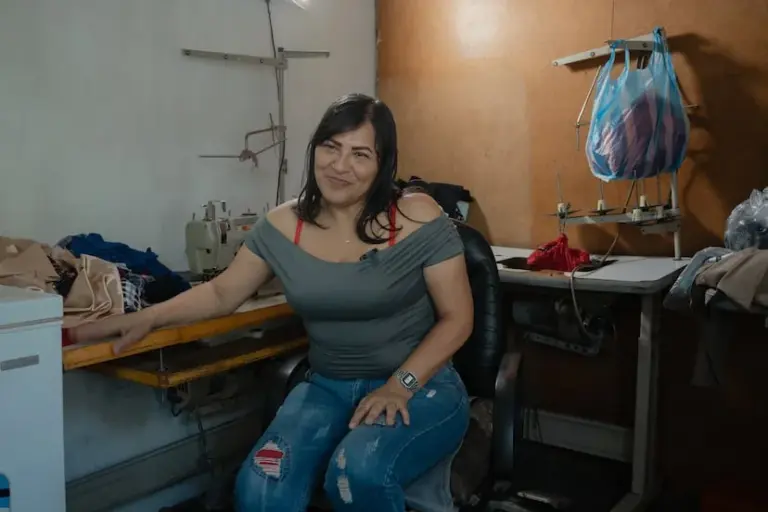
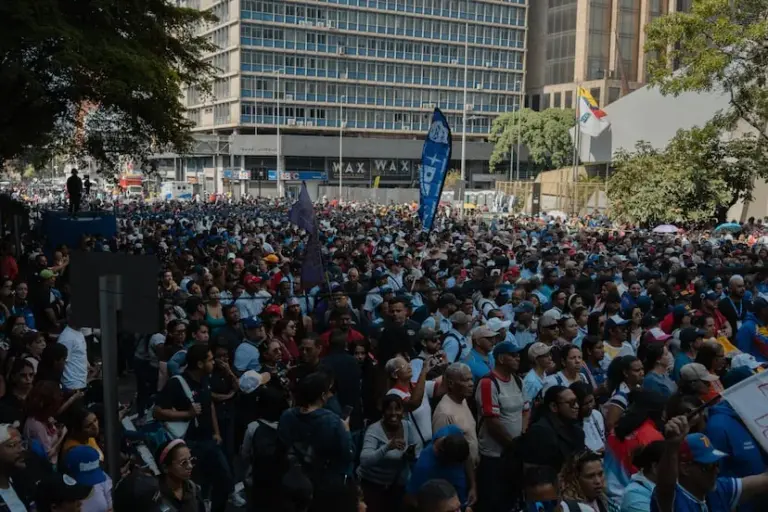
Ten minutes away by motorcycle, Betty Obayes, 50, observes another demonstration from her sewing workshop. It is the march organized by Chavismo to counteract its critics. In the window, a sign with the image of Maduro and his wife, Cilia Flores, reads: “We want them free.” Obayes is a Chavista from birth and thanks Commander Hugo Chávez for the apartment she lives in. The economic situation during Maduro’s administration has been a disaster, but she defends him. “There are things to fix here, of course, because the country will be fixed when they fix the economy,” she concedes. “But we need Maduro.”
While Donald Trump assures that Venezuela “is making more money than ever,” on the street —the one Obayes looks at from her window— the problems remain the same. Salaries are not enough to pay the exorbitant prices of anything: 7 dollars for a juice in a good neighborhood, 18 for an executive menu, 4 dollars for four rolls of toilet paper. The streets smell of the black smoke from dilapidated cars and buses that lurch forward in chaotic traffic.
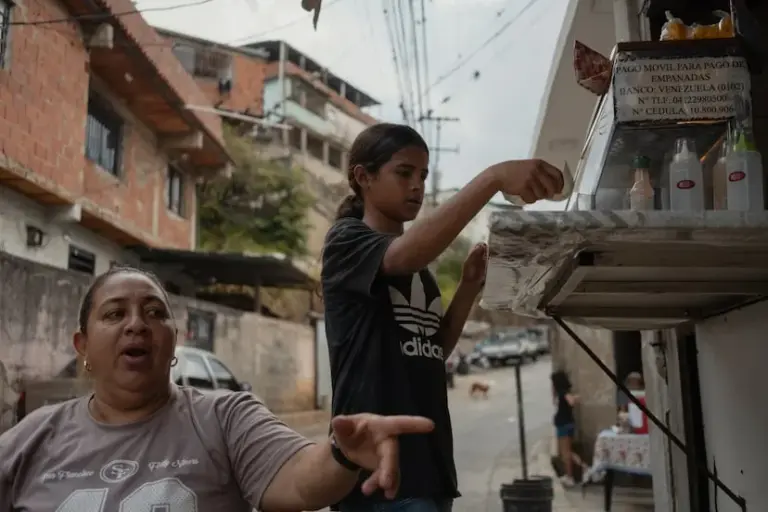
In Petare, a huge and precarious popular neighborhood that climbs up a hill, María Velázquez attends her empanada stall. “Here, after January 3, we are still the same,” she laments. “What is killing us all is the dollar. One day it has one price and the next day it’s another. We want a drastic change for a better life. The salary is not enough,” she states. Velázquez lives off what she earns from selling her empanadas at 50 cents a unit because her pension is equivalent to 30 cents of a dollar.
—What do you buy with that?
—Nothing, a candy.
Between fixing the economy and calling elections as quickly as possible, Velázquez hesitates. Both, she comes to say: “Right now in Venezuela, everything is a priority.”
Read more From caution to denunciation: Leo XIV’s first year on the global stage
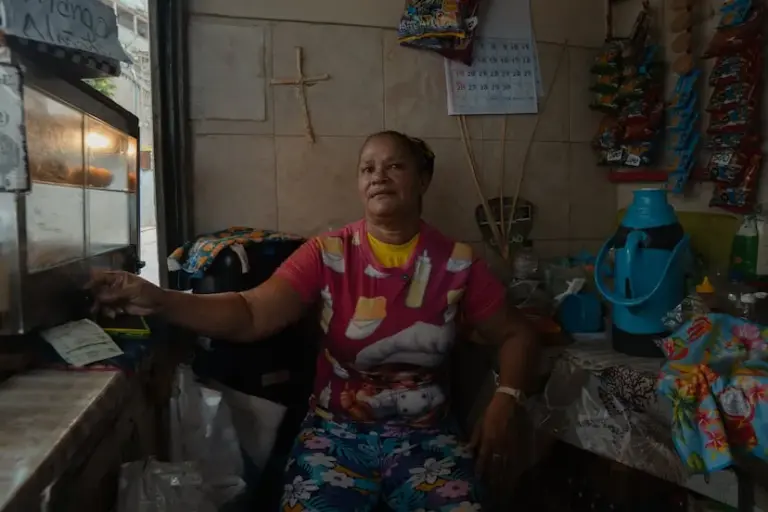
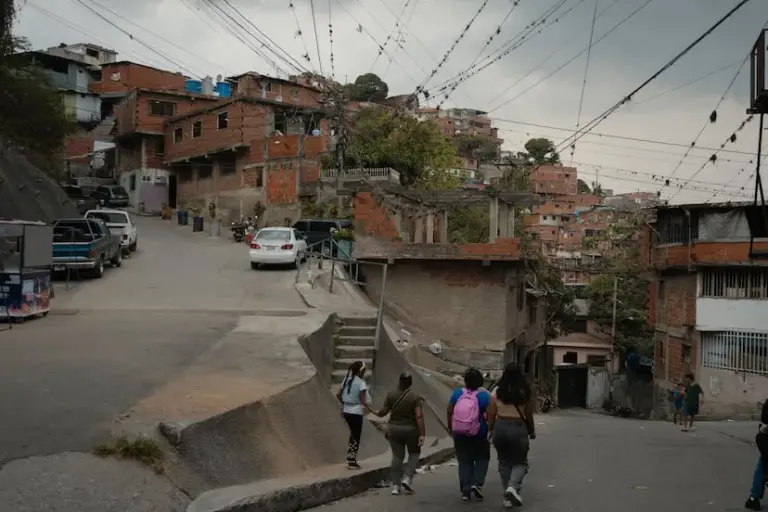
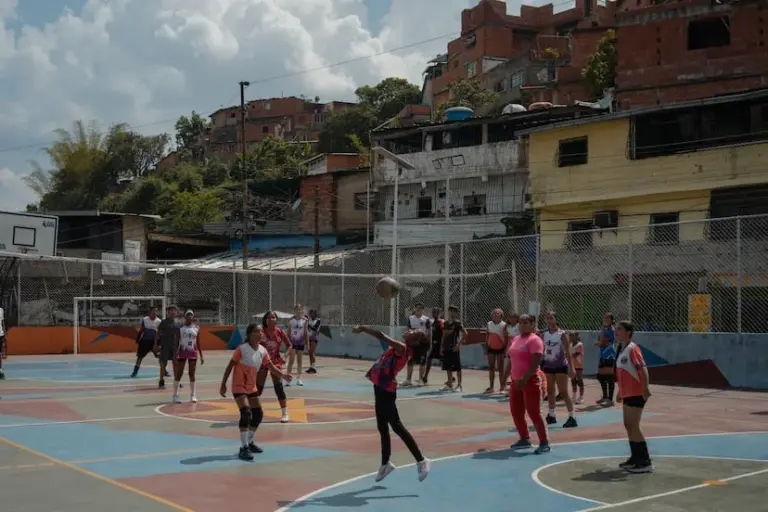
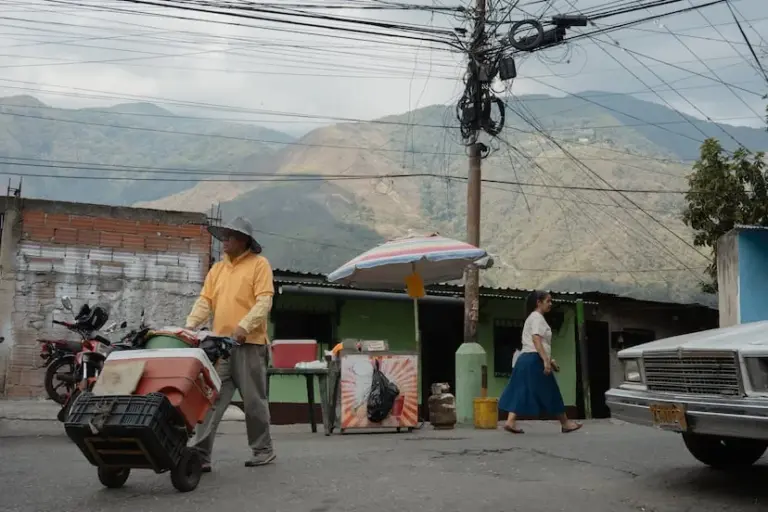
The so-called war bonds, about 150 dollars subsidized by the government, continue to be the lifeline for a good part of the population. For those who receive them.
At the other end of Caracas, a few kilometers from Petare but in another world, the Dos Puntos bar, where everyone wants to be seen every Saturday, has its own reading of the moment. It was opened three years ago by several partners, including two Venezuelans who had lived abroad —one in Colombia, another in Miami— and who returned to invest in their country. Four years ago, says Óscar Fonseca, 48, “you wouldn’t stop here.” Today there is more light on the street, restaurants, people walking back and forth. The change, he insists, did not begin on January 3: it comes from the de facto dollarization, a certain improvement in security, and Venezuelans who began to return or at least look back towards Caracas.
Although January 3 did accelerate some things. “There are many people from outside visiting, more direct flights are opening, the airport is being renovated, there is a lot of foreign interest in doing business… And something important is that we feel less police harassment, at least in some areas,” says Fonseca. He also speaks of greater stability, rules, and being able to work. “For me, let this continue as long as it has to… as long as you see changes every week.”
The dilemma for many Venezuelans now is the leeway they give to brothers Jorge and Delcy Rodríguez —in whose hands the country lies— to make reforms before demanding elections. The pressure from opposition leader María Corina Machado is strong: she maintains that no investor will stake their money until they know who will govern Venezuela in the coming years and under what rules. Some Venezuelan investor-hunters consulted by EL PAÍS agree with her, but so far Washington —which sets the pace— has preferred stability over a race to democracy. “For Trump, money comes first, that’s why María Corina is no longer here,” argues a relevant player in the oil business. Investor enthusiasm is impressive, but it has not yet translated into checks.
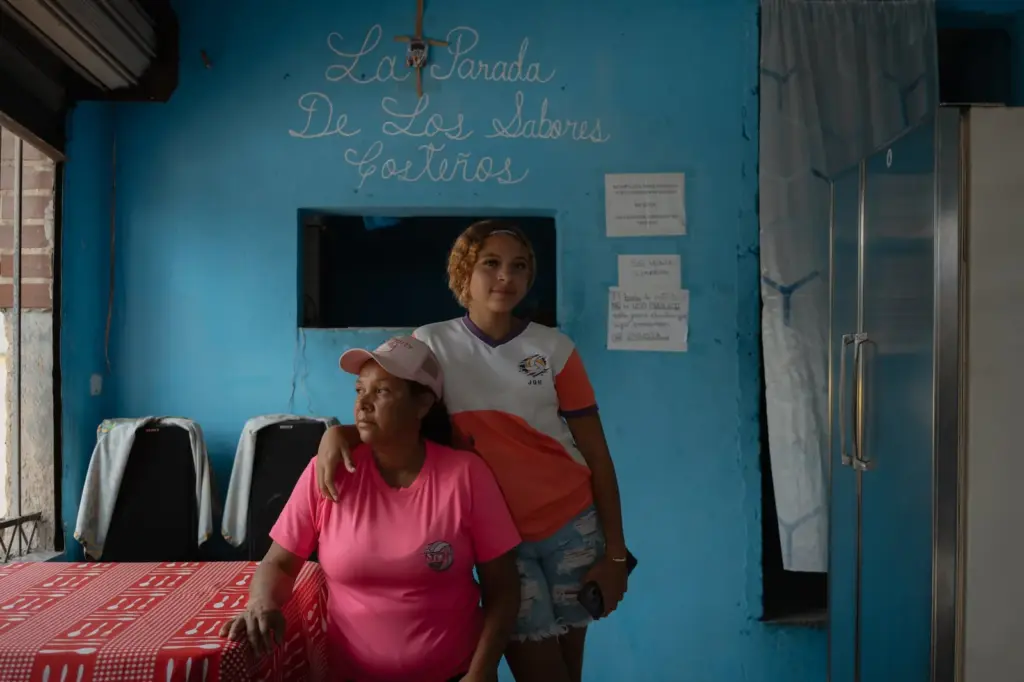
Back on the streets of Petare. Valeria Matos, 14, opens her huge green eyes with false eyelashes upon hearing the word journalist. “I want to give you an interview, please, please.”
A few months ago, her mother would not have let her speak, but today they both sit in a humble bar near the empanada stall. “I go to school only three days a week because there are no teachers. They leave because they are paid very little, about 500 bolivars a month [one dollar],” Valeria recounts. “We don’t have a math teacher because he left due to the salary.” The mother, concerned about her daughter’s education, advocates for Machado’s return and calls for elections as soon as possible. “People want money to come, but as long as these people are here, the money won’t come. We want a change. One is already tired.”
In Venezuela these days, there is more talk of money than politics. The speed of economic recovery will determine the future of the Rodríguezes and Venezuela. People are in a hurry. Only perhaps that time of prosperity, when Venezuela advanced like a high-speed train on the back of oil, will not return.
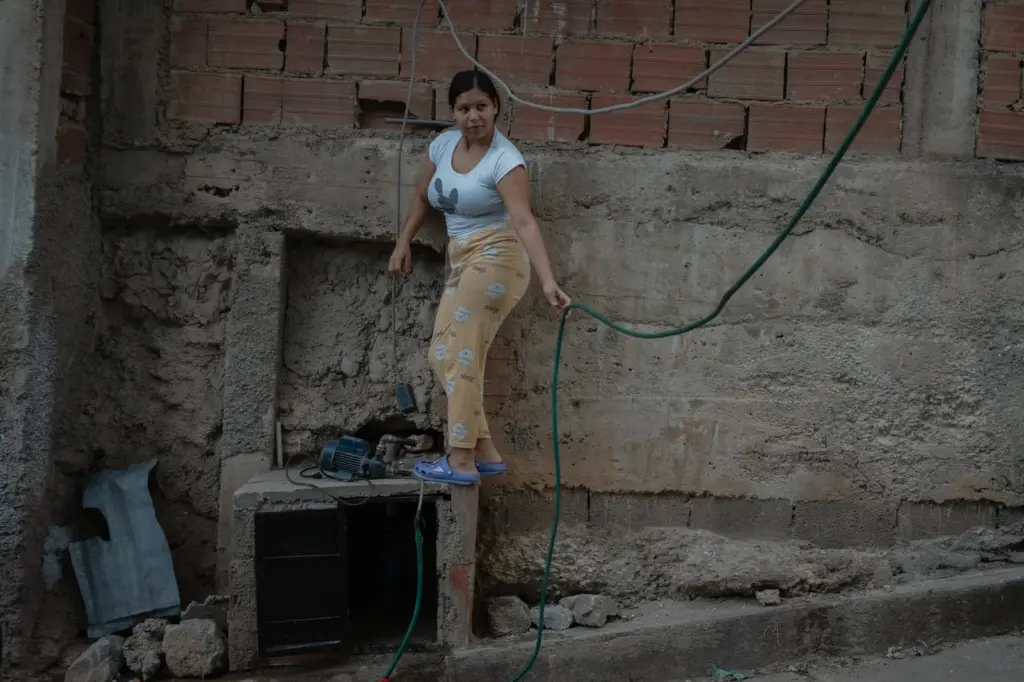
While Velázquez prepares her empanadas and debates whether Venezuela needs elections now or if they should wait, water begins to flow from the taps in Petare. Drop by drop, after 15 days without supply. It is not an exceptional cut, it is the normality imposed in the homes of the poorest.
A few minutes after leaving the neighborhood, it starts to pour. On one side of the highway, Petare, a favela without water, gains space on the hill. On the other side, a handful of sprinklers generously water a freshly planted lawn under a bridge that almost no one sees. In the middle, one of the remaining reminders of Maduro is losing color: the sign with his face and his wife’s asking for them to be brought back.
Read more Trump becomes a toxic asset for the far-right in Europe