










Autumn in Spanish theaters is probably the most predictable film season: year after year, the release of major titles from the Cannes festival overlaps with the arrival of the most substantial Spanish auteur cinema, because the San Sebastián festival is held at the end of September. In 2026, both currents merge on September 25 with La bola negra, by the Javis, winner of the best director award at the French festival, participant in the Perlak section of Zinemaldia, and which will be released, after its arrival in theaters in Spain, aiming for the Oscars, with the ambition of obtaining several nominations.
Read more The rise in energy prices pressures the Executive to renew the anti-crisis shield
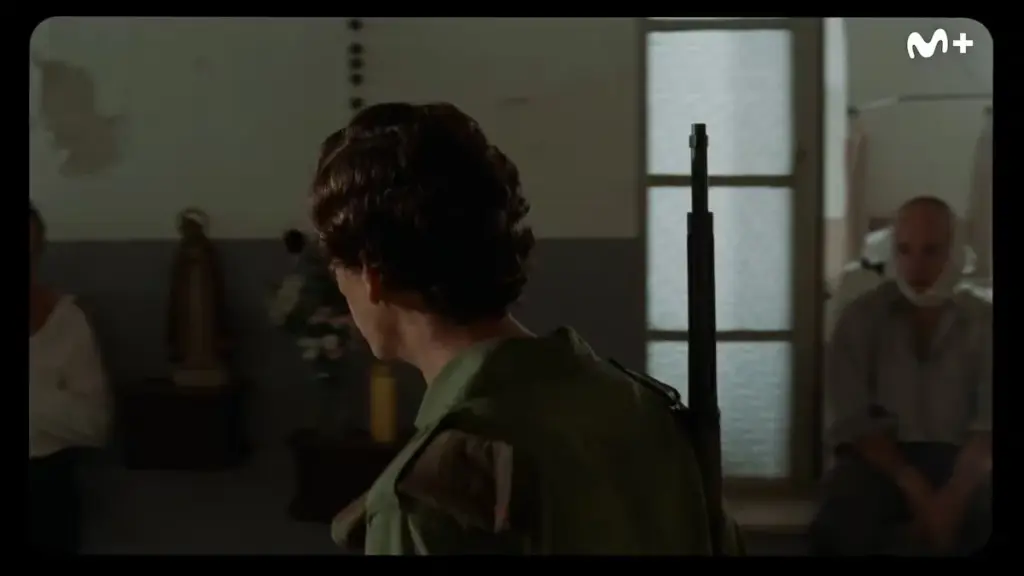
La bola negra intertwines three stories from three eras: 1932, 1937, and 2017. A very ambitious film, with a monumental structure and a spirit as poetic as it is epic, the drama flies from the play La piedra oscura, by Alberto Conejero; La bola negra, the unfinished work of Federico García Lorca; and a torn mother-child relationship in pre-pandemic Spain. Everything will be connected in the end, always with the shadow, reference, and admiration for Lorca, with a further reflection on the condition of being homosexual in Spain.
In autumn, two sequels to films that did not seem intended to have continuations will arrive in theaters. El precio de la red is Aaron Sorkin’s return to the digital and physical universe of Mark Zuckerberg — now played by Jeremy Strong — after The Social Network, which Sorkin wrote and David Fincher directed in 2010. And it is Fincher himself who directs the other mystery of the season, The Further Mis-Adventures of Cliff Booth, for which Quentin Tarantino only wrote the script: it is the prequel to Once Upon a Time in… Hollywood (2019), focusing on the adventures of stuntman Cliff Booth, played again by Brad Pitt, who will also premiere In the Heart of the Beast.
Another release created to reach the general public, cinephiles, and Oscar voters is Digger, by Alejandro González Iñárritu starring Tom Cruise, with this synopsis: “the most powerful man in the world [Cruise made up to appear aged] embarks on a frantic mission to prove he is humanity’s savior before the disaster he unleashed destroys everything.” A tragicomedy very much to the taste of the Mexican filmmaker.
It is obvious that with the concatenation of San Sebastián-Sitges-Seminci of Valladolid-Sevilla-Gijón there are numerous Spanish premieres. Among them stand out Karateka, by Aritz Moreno, which tells the true story of Sandra Sánchez, the athlete who won Olympic gold at 39 in Tokyo 2020; Esta soledad, by Javier Giner, the life of an ex-couple filmed in Bilbao with a strong Mike Leigh vibe; Inurri Itsuak (The Blind Ants), by Igor Legarreta, adapting a novel by Ramiro Pinilla, the writer who has portrayed Euskadi with the greatest truth; Petros Eni, in which Paula Ortiz descends with Chris Pratt to the tomb of Saint Peter; El mal hijo, the directorial debut of actor Jaime Lorente; Sacamantecas, by David Pérez Sañudo, which investigates the true story of the killer who inspired the legend, with Antonio de la Torre and Patricia López Arnaiz; Ruega por nosotras, by Daniel Monzón, whose protagonist is a teenager whom in 1974 Barcelona her father decides to place in the care of the Women’s Protection Board, an institution specialized in “fallen women or women at risk of falling”; Jaleos, a documentary by Isaki Lacuesta about the relationship between flamenco and machines; El mal padre, by Roberto Bueso, with Eduard Fernández; and Burundanga, with which José Corbacho adapts the homonymous play.
Read more How have Russian and Israeli networks participated in the Ceuta migration crisis?
In these months there will also be space for films born from and for enjoyment. Like Club Kid, by comedian Jordan Firstman, who wrote, starred in, and directed it, and which was another sensation at last Cannes with the story of a party promoter who has to take care of his 10-year-old son; the South Korean Hope, by the always interesting Na Hong-jin, about the fight of the inhabitants of a provincial city against a strange threat (its success has led to a second part being filmed); the Japanese Godzilla Minus Zero, set in 1949, two years after its predecessor Godzilla Minus One; The Invitation, with Olivia Wilde as director further twisting Cesc Gay’s proposal (it is a remake of Sentimental) with Penélope Cruz, Edward Norton, Seth Rogen, and Wilde herself in the cast; Wicker, with Olivia Colman as a single fisherwoman who, tired of her neighbors’ mockery, orders a wicker husband for herself; Shaun the Sheep: The Pumpkin Mission, another animated gem from Aardman studio; and Adolescence, Sex, and Death at Camp Miasma, by American Jane Schoenbraun, a very intelligent exploration of sexuality, transsexuality, fandom, and slasher films with Hannah Einbinder and Gillian Anderson.
In literary adaptations, the French wave of revisiting their classics with huge budgets has reached Les Misérables, with Vincent Lindon as the new Jean Valjean; for lovers of teacup cinema there will be a new vision of Sense and Sensibility, with Daisy Edgar-Jones, and Mexican Diego Luna brings to the screen Ash in the Mouth, the novel by Brenda Navarro.
Finally, three very different films united by the use of black and white. Fatherland, by Polish Pawel Pawlikowski, which tells of Thomas Mann’s return to Germany after World War II in a film that seems sculpted in marble; Flies, by Mexican Fernando Eimbcke, which extrapolates a reflection on current loneliness from a small story; and Rose, with German Sandra Hüller, again the actress of the season, who with this drama won the best actress award at the Berlinale for portraying a woman from the early 17th century who disguises herself as a man and wants to be a good citizen at all costs. These are, certainly, good months to go to the movies.
Read more How to stylishly wear the windbreaker, the technical jacket that will be a hit this fall