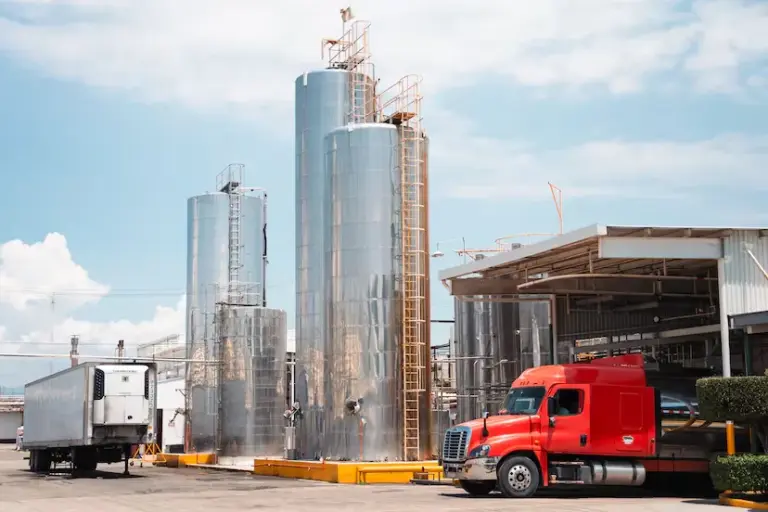
The idea of soy milk from the Mexican brand Güd was born in Cuba. In 1996, the partners of Grupo Cuadritos, focused on dairy processing, traveled to the island to learn about a revolutionary technology capable of transforming the legume into a whitish drink, with protein value and adapted to a new generation of consumers: flexitarians, vegetarians, vegans, or simply health-conscious. This importation of technology would lay the foundation for today, at their industrial plant in Celaya, Guanajuato, where their plant-based beverage production grows at a rate close to double digits, in a market that will reach about 4.6 billion dollars by the end of the year.
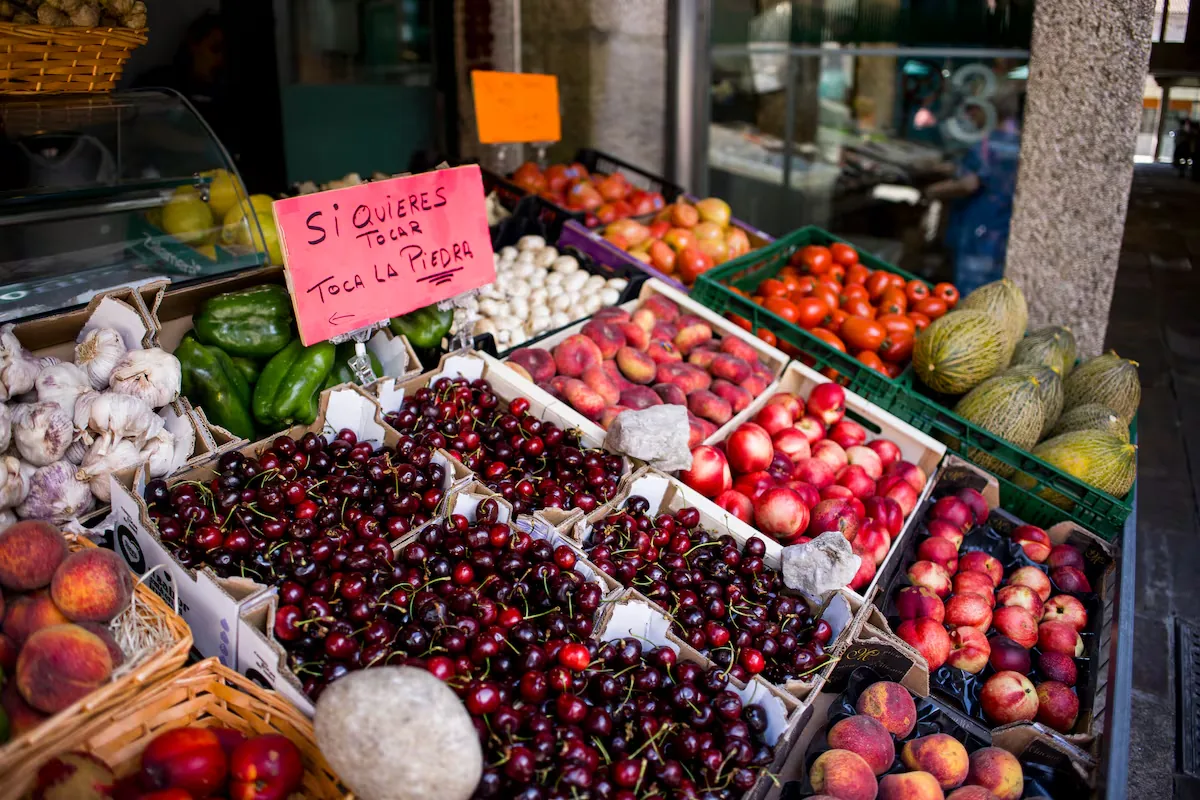
Mexico has one of the richest cuisines in plant ingredients, created long before the term plant-based; corn, beans, nopal, and amaranth have been at the center of its gastronomic identity for centuries. However, the new wave of plant-based eating does not come from the fields but from the innovation laboratories of the food industry, dominated by multinationals but with a growing national presence. Forecasts estimate that the plant-based food and beverage market is on track to nearly double to reach 7.2 billion dollars by 2031, with a compound annual growth rate of 9%, according to projections from the Mexican Vegan Entrepreneurs Association (AEVM). Although it still represents a small fraction of total food spending, it is one of the fastest-growing categories, reflecting the change seen on shelves and in markets.
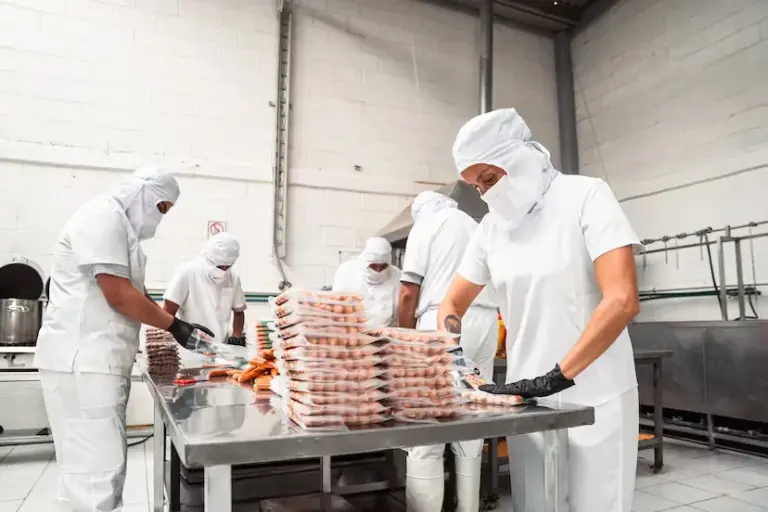
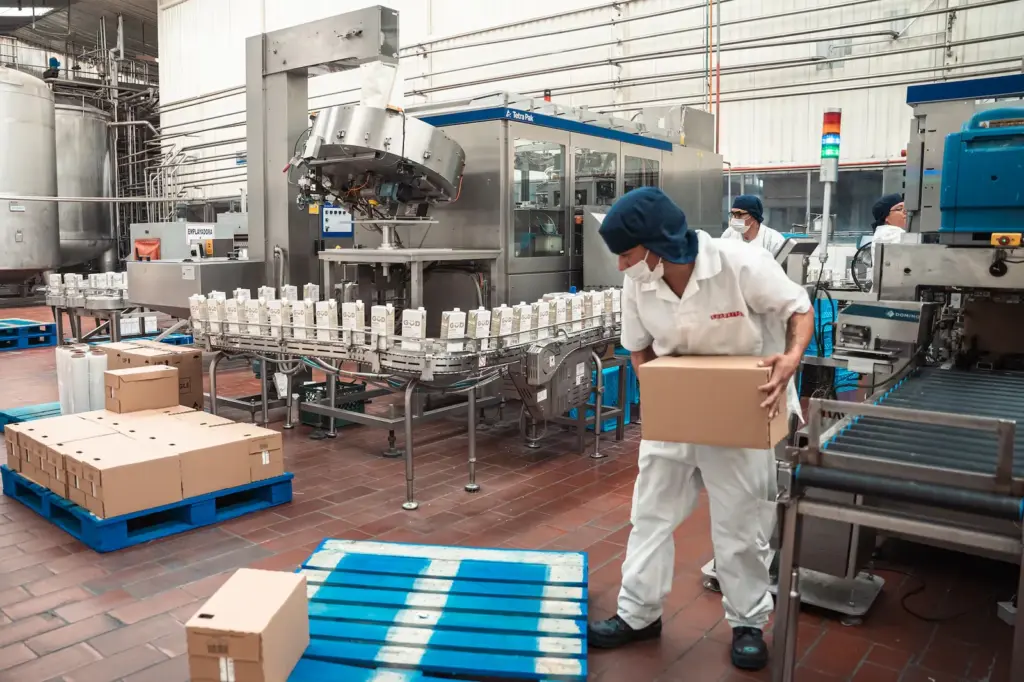
“A company, if it does not innovate, really falls behind,” explains Luis Felipe Rodríguez, from the group’s Innovation management. Around him, hundreds of cardboard containers move along the production lines: from the ultrapasteurization plant to packaging and sealing. This day, part of the 1,300-employee workforce processes, tests in laboratories, and dispatches oat drink in its “barista” version, for coffee blends. Later, they package a high-protein drink for a client who markets it in their pharmacy network under their own brand. The plant-based beverage market alone represents 43% of the industry.
Retail dairy sales in the Mexican market totaled about 18.3 billion dollars in 2025, according to Global Trade Tracker data. The sales value was concentrated in cheeses, with a 40.6% share, followed by drinking milk, with 24.7%, as well as other categories such as yogurt and butter. Plant-based dairy barely accumulated 2.4% of volumes; however, plant-based cheeses and dairy were the best-performing segments, each growing by 14%.
The challenge now is how to continue diversifying the portfolio. “Consumers are already looking for something more. We have detected opportunities very focused on this lifestyle we see on social media: wellness, those who care a little more about mental health, about their body. Also in foods that help the microbiota,” adds the researcher.
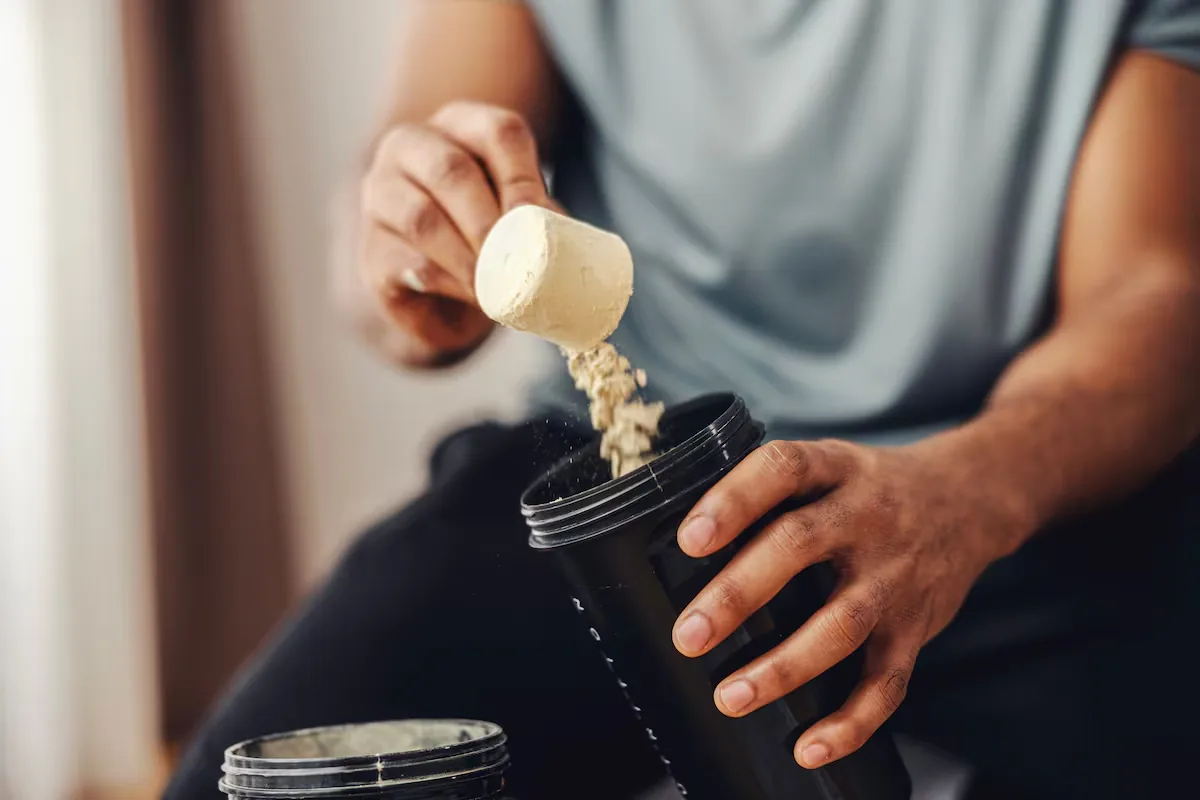
Stranded in the industrial heart of the country’s center, the Mexican brand is not far from global trends. Mid-year, a sudden rise in the price of whey protein (milk serum), a powder supplement easily absorbed that comes from the liquid leftover from cheese making, raised alarms among fitness product manufacturers, including multinationals like Nestlé. The virality of protein-enriched foods, from Starbucks coffees to popcorn endorsed by the Kardashian sisters, combined with a boom in weight-loss drugs like Ozempic, has driven demand for these types of supplements. And that includes those based on peas, algae, wheat, or yeasts.
Price as a barrier
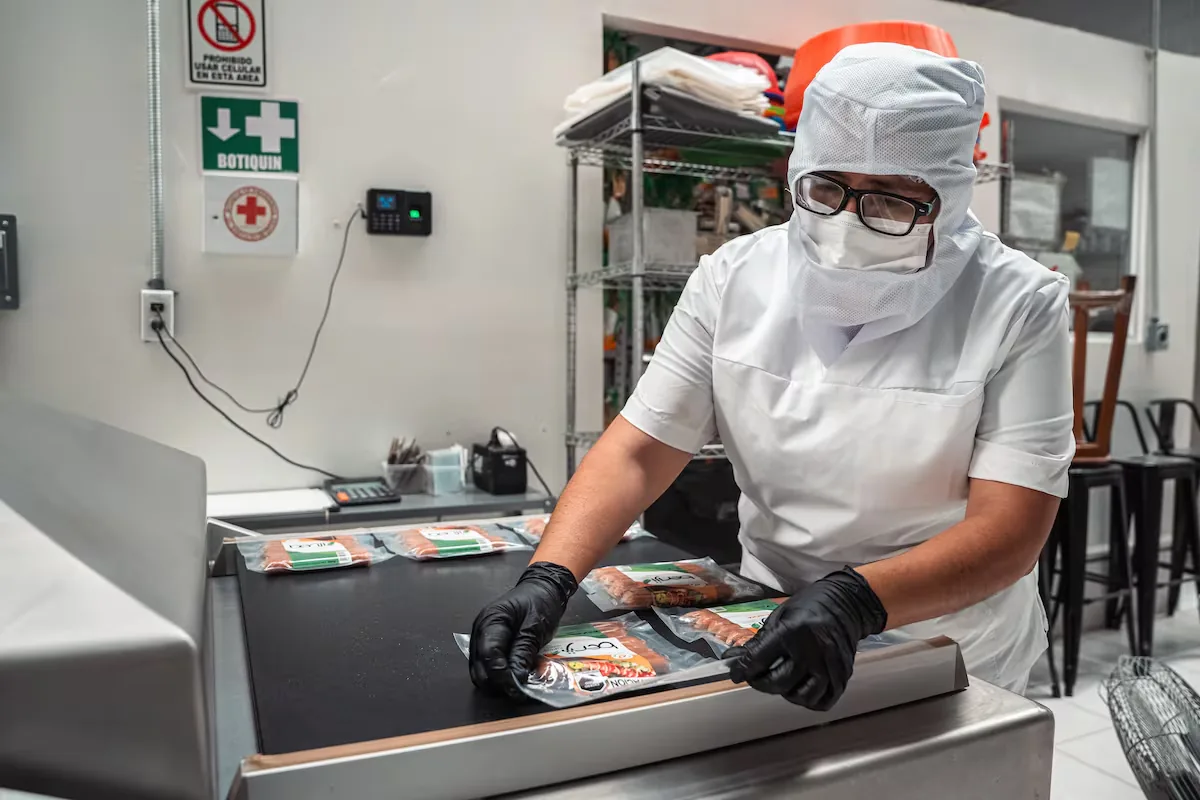
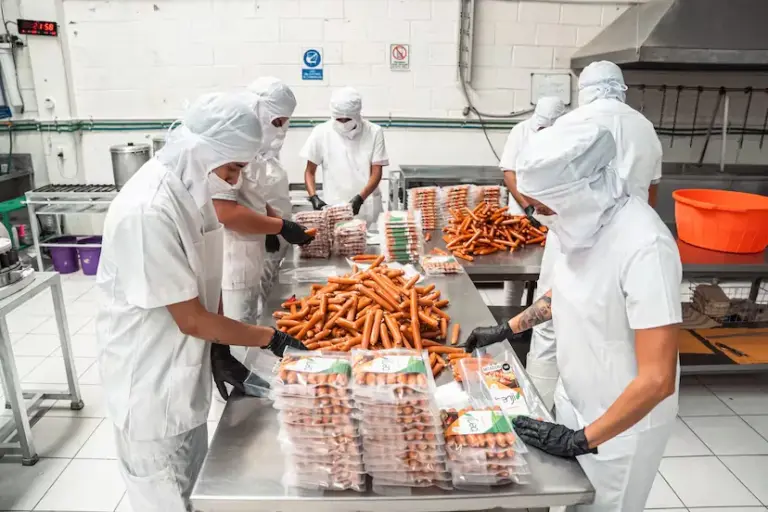
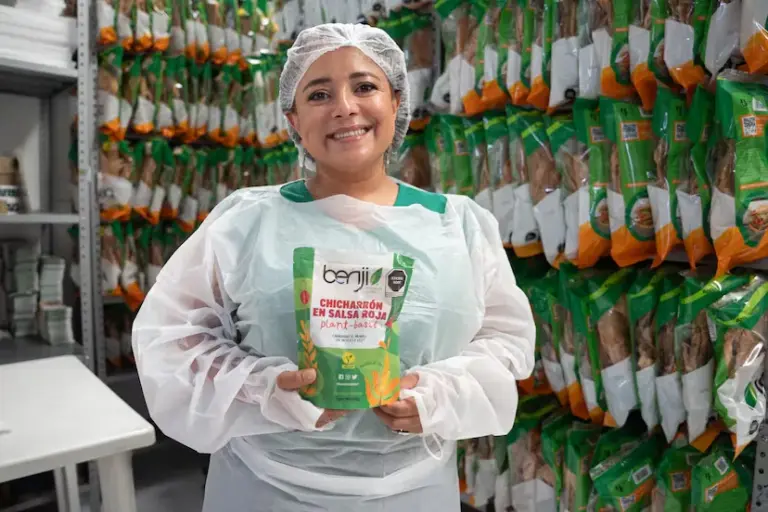
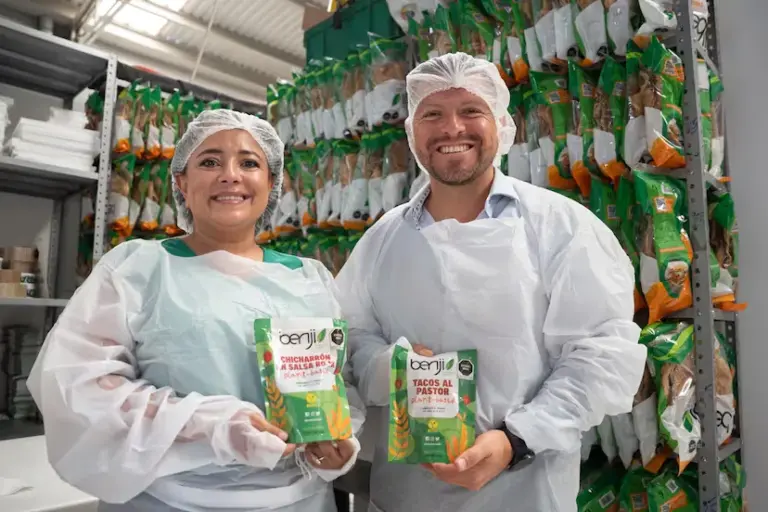
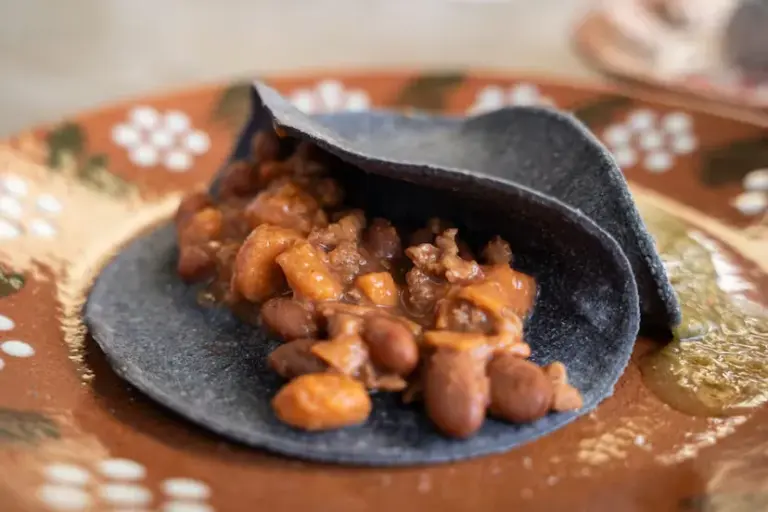
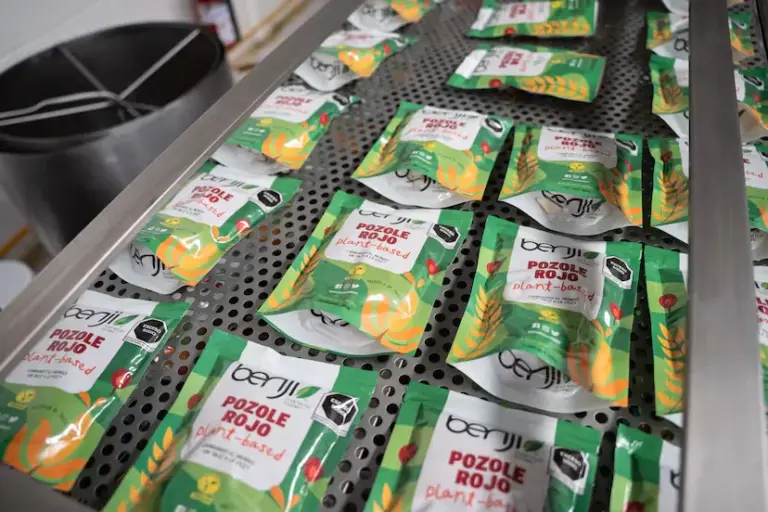
An hour away, in Querétaro, is the production plant of Benji, a company that was born – as its co-founder says – like many disruptive ideas from Silicon Valley: in a garage. After a couple of decades, and now in an industrial warehouse, its proposal is based on meat substitutes with Mexican flavor: charro beans, pozole, chicharrón, chorizo, or vegan pastor, but well seasoned. “They not only have many health benefits, but also use fewer resources, water, and obviously, we do not affect any animal,” adds Tanya Oseguera. “We love Mexican food, we are fans of tacos,” she adds, in an attempt to break the stereotype of healthy food as bland and limited. Meanwhile, the aroma of plant-based cochinita pibil wafts through the factory.
One of the main barriers of the category, however, is not necessarily in its quality or flavor, but in its price, especially in a context where consumption and the economy show signs of wear. In general, plant-based foods are more expensive than their traditional options because they use raw materials with higher prices, depend on innovation, and largely on imports, especially from the United States. However, for the Mexican Vegan Entrepreneurs Association (AEVM), this battle also has a regulatory side.
“A plant-based milk is still considered a premium or gourmet choice,” adds Janete Salcedo, Marketing and Development director of the guild. For entrepreneurs, this harms the consumers’ power of choice who seek to prioritize their health, food intolerances, or animal activism. The AEVM is promoting a bill so that plant-based beverages “have a more appropriate treatment, since they have already become a basic basket item,” she adds, denouncing an overprice in their categories. “For example, when you buy your coffee with almond milk and it costs 14 pesos more,” she adds.
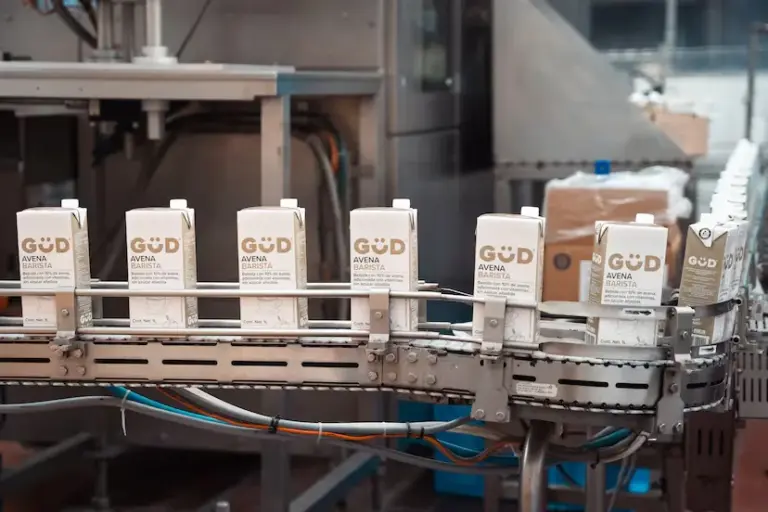
Although this does not necessarily affect prices, in Mexico, the word “milk” is legally reserved for animal-origin products, while coconut, oat, or chickpea blends must be presented as plant-based drinks or foods. For the industry, this is the starting point for differentiated treatment, both from the regulation and in front of the consumer. Many plant-based meat or cheese products must be displayed with unappetizing labels with the inscription “substitute.”
“In supermarkets, we are competing for space in the refrigerator because we want to be next to the meats. We are a quality and nutritional value option,” adds Oseguera, from Benji, accompanied by her partner Eduardo Ocadiz. The company now looks toward its next horizon: exports, with a line of traditional Mexican stews, ready to eat and that do not require refrigeration.
Read more United States approves a bomb sale to Saudi Arabia for 4.3 billion euros