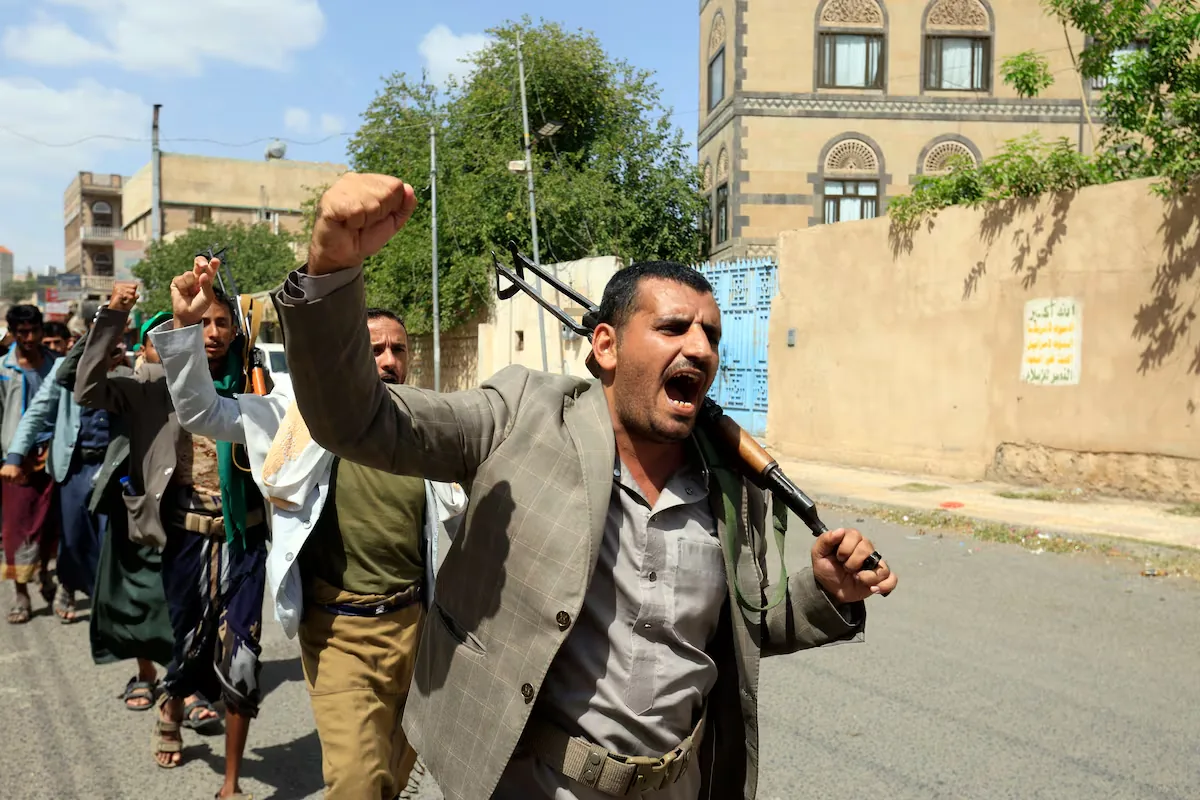
With the Strait of Hormuz still closed, no matter what the White House says, the shadow of another crisis with unpredictable consequences looms over its main alternative: Bab el Mandeb, an unavoidable gateway to the Suez Canal and a key exit for Saudi Arabian oil. The Houthi militias are increasingly close to gaining control of the Bab el Mandeb Strait, and its closure — still potential, not actual — threatens to worsen the global shortage of crude oil and gas at the doorstep of the cold season in the northern hemisphere.
Read more I try the best digital planners to organize day to day
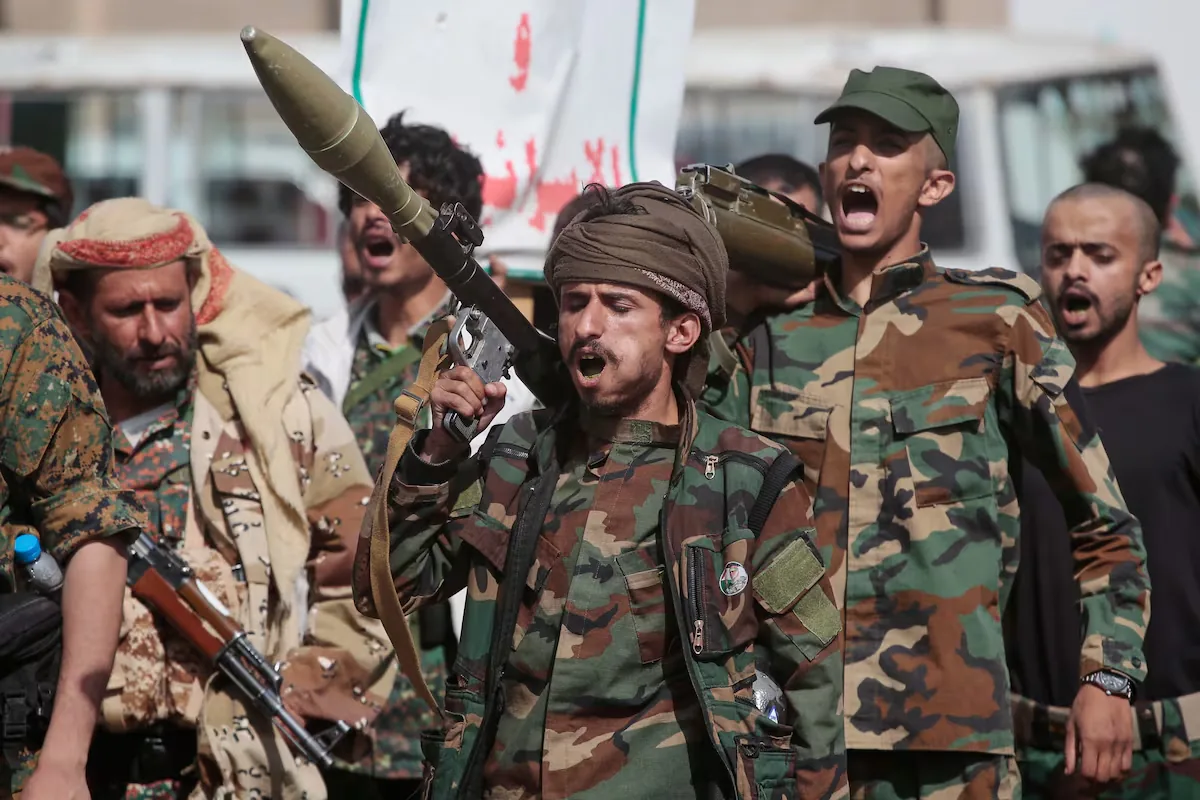
The blood has not yet reached the river, but those who follow the energy markets minute by minute are holding their breath these days. The Houthi rebels, allied with and funded by Iran, took the port of Mocha on Thursday and on Friday also took control of Mayun Island (also known as Perim). In both cases, these are key pieces for controlling the southern access to the Red Sea.
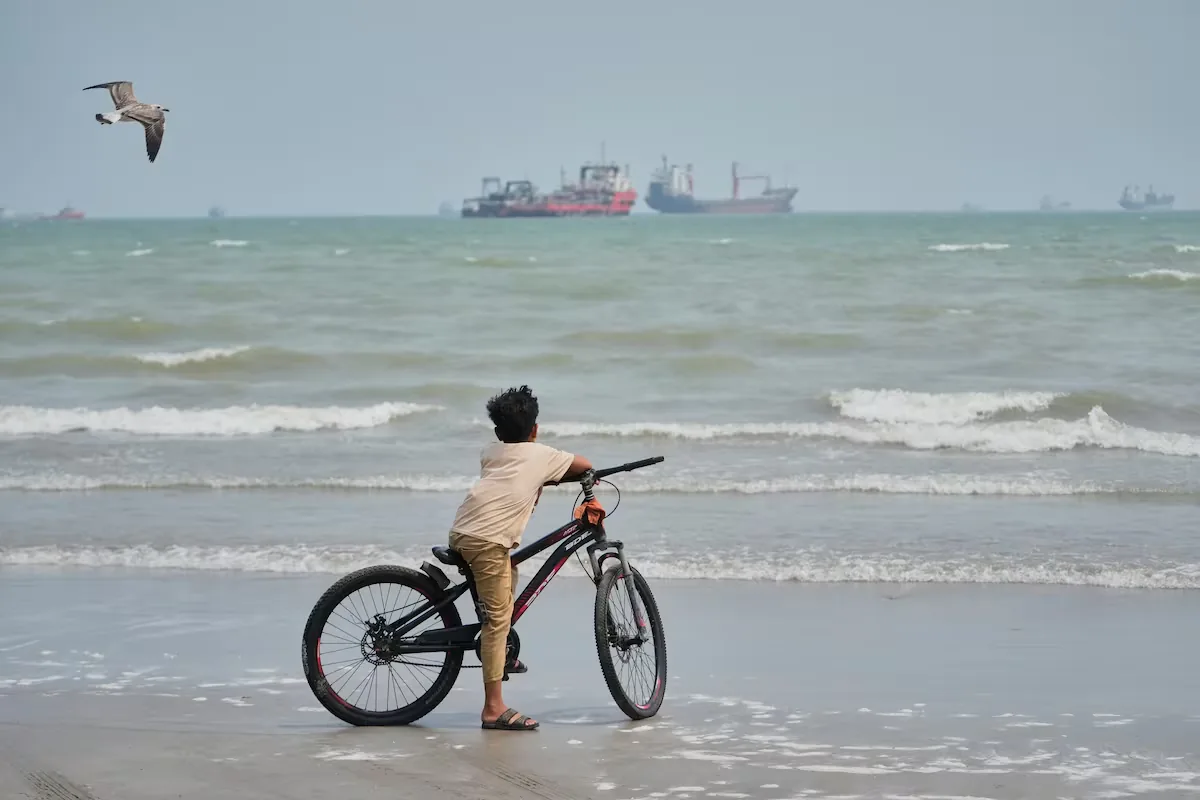
There are recent precedents for what a partial closure of Bab el Mandeb means. At the beginning of 2024, attacks by these same militias on several oil and LNG tankers forced hundreds of ships to take the only possible detour to reach Europe: around the Cape of Good Hope, at the southern tip of the African continent. A route that adds about 6,000 kilometers and nearly two weeks of navigation — depending on origin and destination — with the consequent additional fuel consumption and lower ship turnover.
The result? More inflation just as the world tries to combat the price surge caused by the closure of Hormuz, through which before the war passed a fifth of the crude oil and liquefied natural gas (LNG) consumed worldwide.
That is from the consumers’ point of view. On the sellers’ side, if any player fears that the escalation in Yemen will worsen, it is Saudi Arabia. The largest crude oil exporter on the planet — and second largest producer, only behind the United States — has weathered the Hormuz storm much more comfortably than its neighbors in the Persian Gulf thanks largely to the redirection of oil through the East-West pipeline and its subsequent exit through the port of Yanbu. A route through which Riyadh is managing to export a little more than a third of its pumping and half of its foreign sales, about 3.5 million barrels per day, and over which now hangs the shadow of doubt.
From Yanbu, most of that Saudi oil took the southern route towards Asia. “In recent weeks, however, many ships have already been leaving via Suez [to the north], although it is by no means the most desirable route,” explains Jorge León, head of geopolitical analysis at the consultancy Rystad Energy, by phone. “It makes transportation much more expensive. And although they could sell the crude to Europe instead of Asia, the market Saudis are most interested in protecting is the Asian one.”
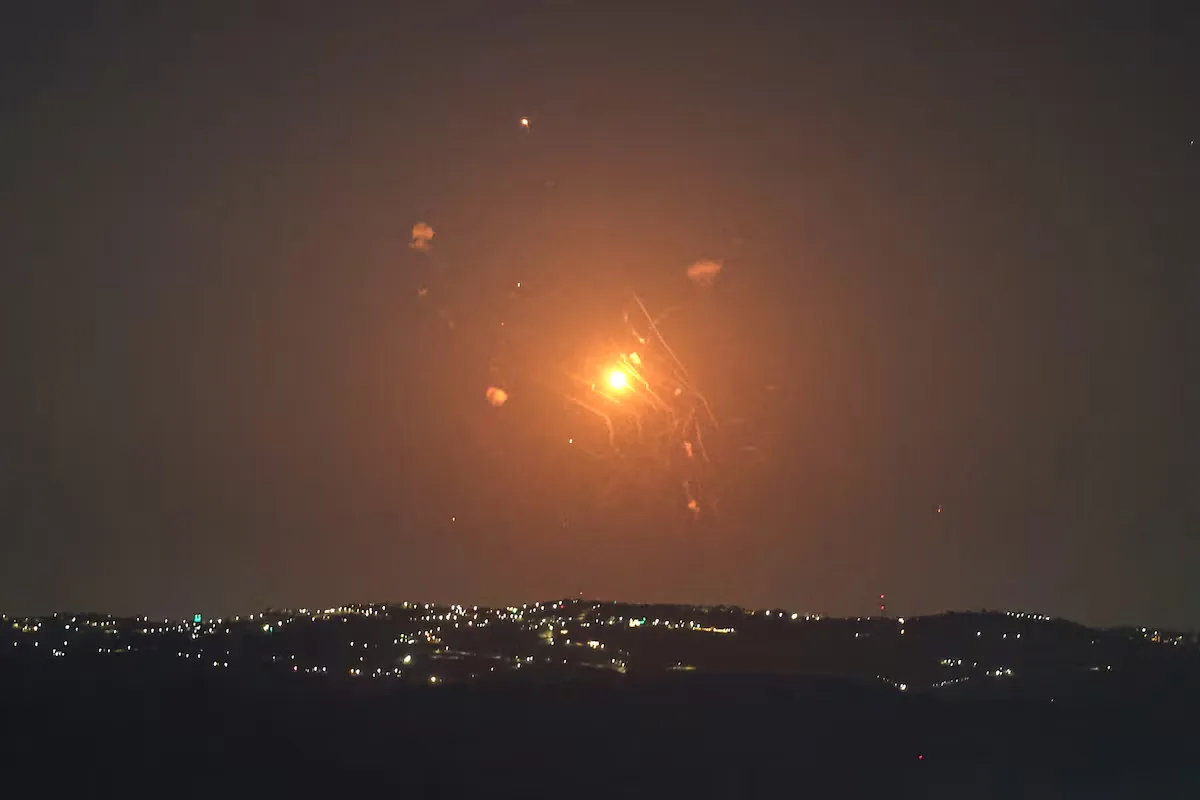
The second problem for Riyadh, and for its needy clients, has to do with the increasing Houthi attacks on key points along the endless western Saudi coast. Since the start of the war, the pro-Iranian militias have struck in several waves near the Samref refinery, right at the mouth of the East-West pipeline, which has become one of the largest in the Middle East (it can process up to 400,000 barrels a day). “The Saudis have reason to be worried because the threats are getting closer,” adds León, a former analyst at the Organization of the Petroleum Exporting Countries (OPEC).
Read more Artur Heras, a painter of ideas
The urgency to reopen Hormuz has long been at its peak, but the situation in the Red Sea raises it even more. On Monday, the first meeting between foreign ministers of several Gulf countries and their Iranian counterpart is scheduled in Salalah (Oman), according to the British newspaper Financial Times. The meeting also coincides with recent progress in negotiations between Tehran and Muscat to share future management of the strait that connects the Persian Gulf and the Arabian Sea.
Meager reserves
The West is not exactly well equipped for this new setback, one more in this era prone to shocks. At the end of February, when the President of the United States, Donald Trump, and Israeli Prime Minister Benjamin Netanyahu ordered massive bombings on Iran, strategic oil and gas reserves were in good health, the best guarantee to prevent the crisis from worsening.
That is no longer the case: the double lockdown of Hormuz — first by Tehran, then by Washington — has forced much of that cushion to be burned. A record-time consumption to which the severe crisis in the Russian energy sector has also contributed: almost half of its refineries are out of operation due to a succession of Ukrainian attacks. Now Bab el Mandeb threatens to make things even worse.
Just in August, according to figures published this Friday by the International Energy Agency (IEA, the energy arm of the OECD), global crude inventories recorded a drop of 95 million barrels. Since the start of the war against Iran, a little over half a year ago, withdrawals have already exceeded 500 million barrels, at a rate of almost three million per day. All this despite the fact that during the weeks the ceasefire was in effect, the reactivation of flows through Hormuz temporarily reduced pressure on strategic reserves.
The memory of the ‘Ever Given’
Aside from crude and gas, the renewed Houthi threats over the Red Sea and Suez are also a problem for maritime goods trade. The Suez Canal is by far the most used route to carry all kinds of products (from technology to textiles, including machinery and almost any other everyday consumer item) from Asia to Europe.
The best benchmark for what the closure of the only possible entry to Suez from the south would mean for goods transit is the Ever Given accident in March 2021. When the ship, one of the largest container ships in the world, ran aground for five days in Suez, more than 400 vessels had to wait their turn on both sides of the canal, causing a worldwide commercial traffic jam previously unknown. It was, after the pandemic, the second black swan in a few months. However, the list has not stopped growing since then: the Russian invasion of Ukraine, the US and Israel war against Iran, and today, finally, a dangerous blockade of the Red Sea that is beginning to take shape.
Read more From the Korean ritual to the ‘brownie’ empire: three experiences to break the routine in Madrid