









In China, which turned the dazzling effects of the animated film Ne Zha 2 into a source of national pride and where artificial intelligence (AI) is taking over the microseries market, the most unusual cinematic phenomenon of the summer — and, in this reporter’s humble opinion, of the year — has been a calf that moves jerkily through a landscape that looks like it came from early 2000s video games.
Read more Who is behind AI-made artists?: “By removing the human obstacle we can be more daring”
The little animal is called Niu Lai (literally, “the cow is coming”) and stars in the eponymous film, a fable about friendship and family created by only two people: Xin Yumeng, a 34-year-old designer with no film training, and his mother, Sun Lifang, a former employee of a state-owned company. The process took five years, during which they learned as they went along and divided the tasks, including dubbing.
The homemade project, made without a professional team or large resources, arrived in Chinese cinemas on August 5. But it premiered with more sorrow than glory. In nine days, it barely earned 7,169 yuan (about 860 euros) and attracted 236 viewers. The reviews were devastating, and it was about to disappear from the billboard. Until social media worked its magic.
When an internet user noticed its poor numbers on the ticket sales platform Maoyan, they started talking about them; they were so low that many people thought at least four zeros were missing. Its detractors began spreading clips and frames of the rudimentary film to explain the numbers.
The characters of Niu Lai are built with very basic three-dimensional models, move with stiff movements, and their voices are not always synchronized. The transitions become endless, the protagonists speak slowly, and the plot is difficult to follow in some parts. But what would have been a huge flaw for another production was its best advertising campaign.
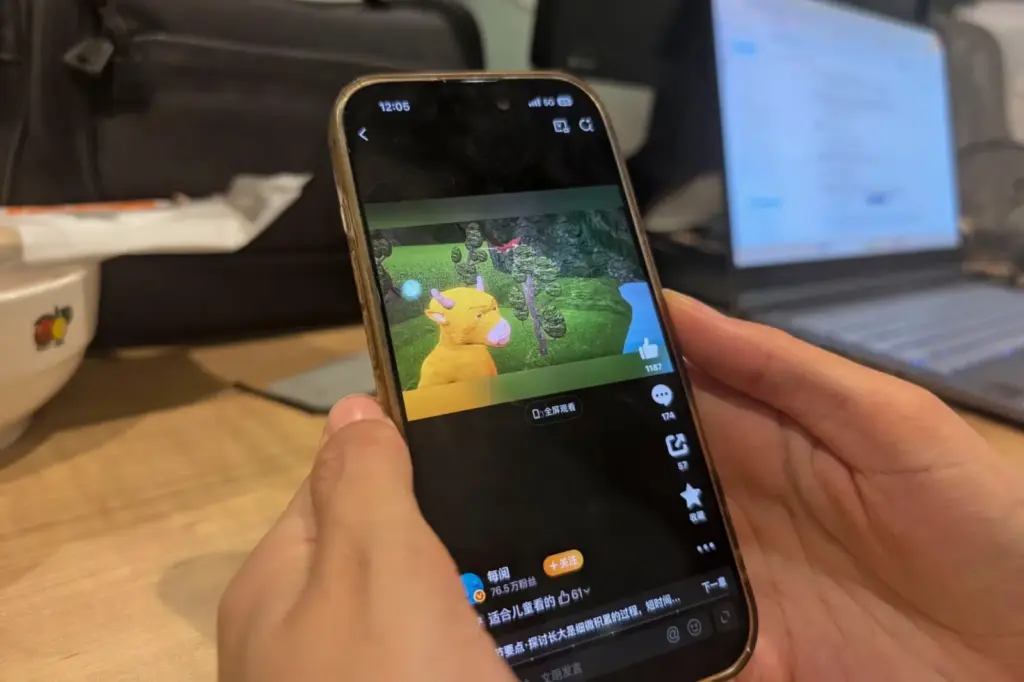
In 48 hours, hundreds of people called cinemas to request more screenings. Young people began to attend in groups, record the laughter and reactions of the audience, and upload them to Douyin (the Chinese version of TikTok). No one wanted to miss out on the summer joke, and Niu Lai thus found an army of fans who promoted it spontaneously and for free.
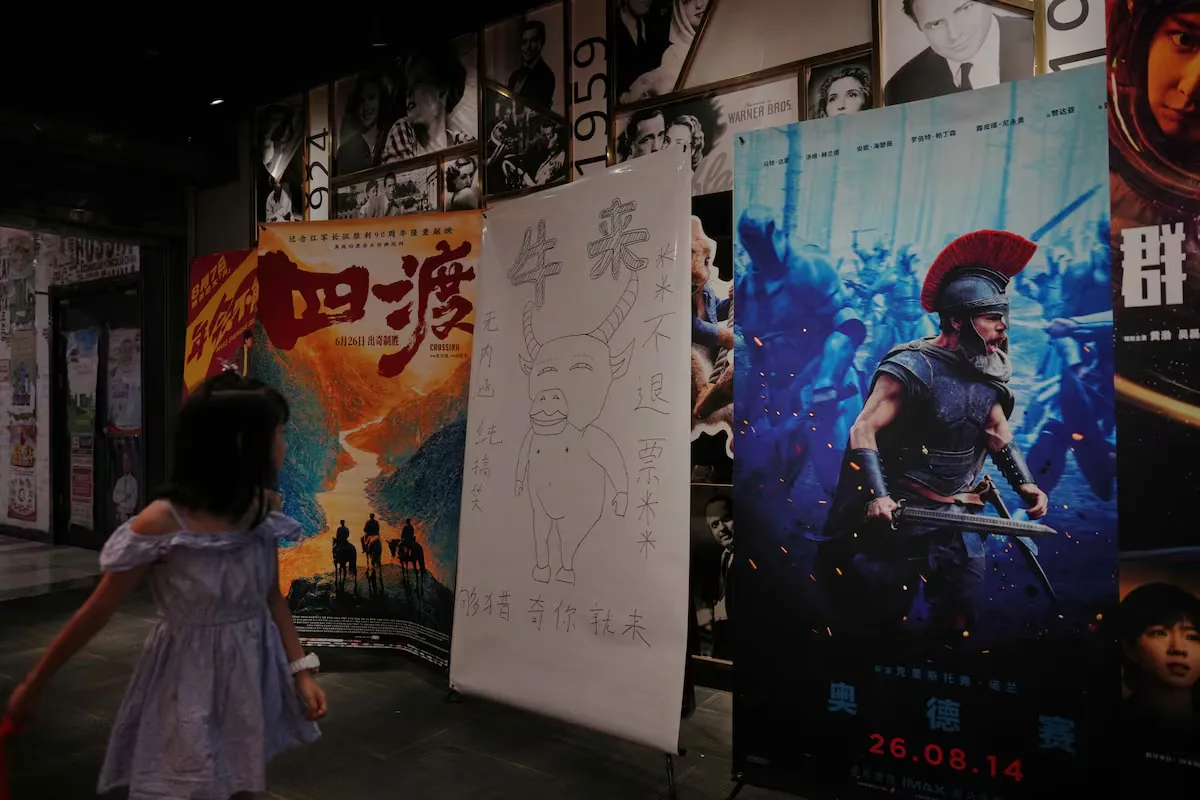
The frenzy was so unexpected that many cinemas had not even received promotional material. But Chinese pragmatism prevailed: their employees grabbed markers and drew their own posters, freehand, each in their own way. Of course, they became a new source of memes. Calves drawn with more enthusiasm than skill on simple white backgrounds coexisted on the billboard alongside the polished images of the season’s big releases: Oppenheimer, by Christopher Nolan; the latest installment of Spider-Man, and the Chinese film Once Upon a Time in the Near East. “If you watch it, you will regret 86 minutes, but if you don’t watch it, you will regret it for the rest of your life,” warned one of the improvised and most shared slogans of Niu Lai.
But all that mockery has been turning into a defense of craftsmanship and work done with effort, at a time when AI-generated videos run rampant. Also, as a way to question the costly blockbusters that convey the messages of the Communist Party and the restrictions on criticizing them.
On Douban, the nationally referenced film consultation platform (where it has a 6.0 out of 10, despite having received many zeros), the user Zhaomuxue values the fact of going to the cinema knowing what to expect. He assures that the public is “fed up” with those “bad and refined movies,” directed by big names and starring stars, “but with scripts that say nothing.” This Friday, after 38 days in theaters, Niu Lai had already surpassed 62.5 million yuan (almost seven and a half million euros).
Read more Have all students worsened equally? Nine charts about PISA data