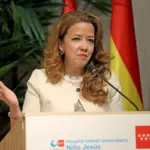








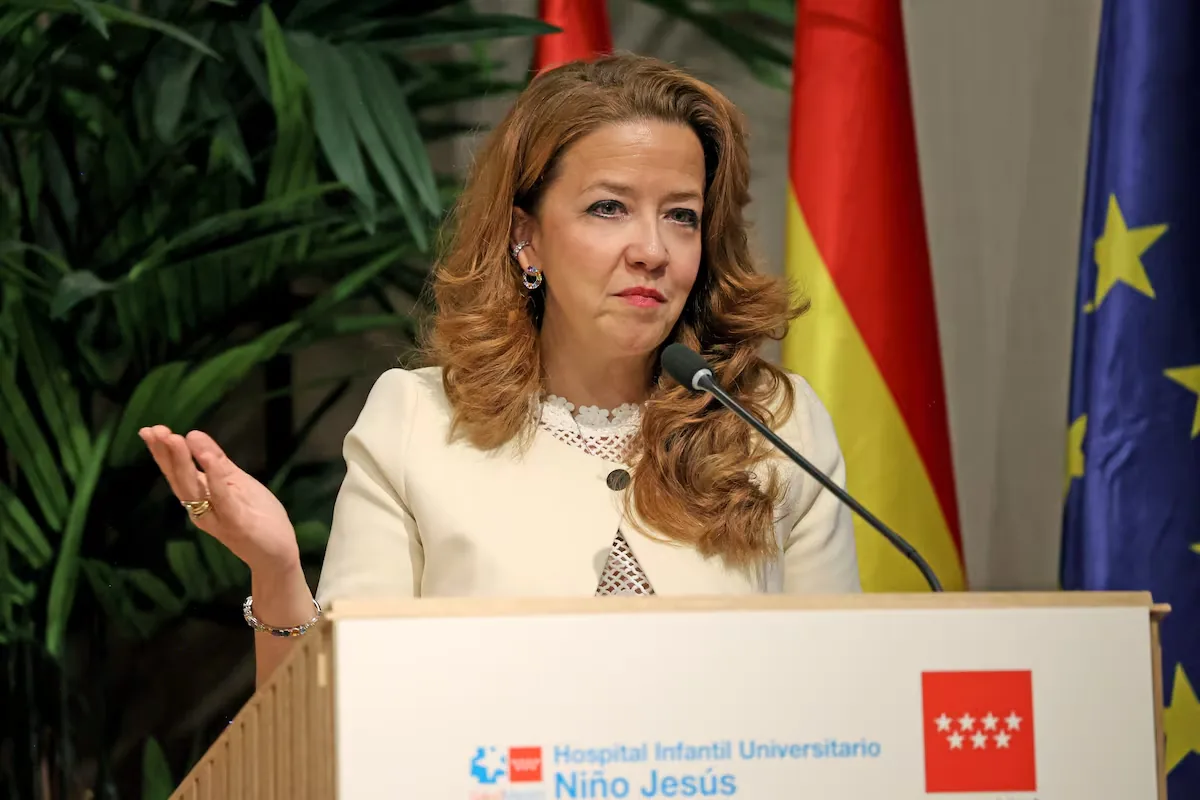
The Executive of Isabel Díaz Ayuso has reduced the latest scandal in her healthcare system to disputes between doctors. Her Health Minister, Fátima Matute, was responsible for announcing at the end of Tuesday that they are investigating whether two officials at the Ramón y Cajal Hospital downgraded the priority of surgeries for patients on the waiting list behind the backs of the doctors who had assessed those patients, as revealed by EL PAÍS. But Matute herself questioned the credibility of the whistleblower, surgeon Luis Alberto Martos, and anticipated the outcome: everything is correct, she said. The president, Isabel Díaz Ayuso, did not comment, but a source close to her attributed what happened to a clash between physicians: “Things between them,” she replied by message.
Read more The veil recedes in Iran, but the system resists: “We have already shown that we can fight”
The announcement of the investigation at Ramón y Cajal was made late in the afternoon, when Matute spoke with journalists attending the presentation of an award to Ayuso for her healthcare management, given by the online newspaper ConSalud. “Since we learned of this news, we have opened internal information proceedings to review our entire system again,” said the Health Minister. Sources from the Ministry specify that the investigation will be limited exclusively to Ramón y Cajal and that all parties will be summoned to give their version.
However, the minister added: “I must say that it is false that the lists are being manipulated, which is a mantra that is being tried to be made to seem true and which, of course, is based on the statements of a healthcare professional who has a disciplinary file open long before making these statements in a media outlet.”
The whistleblower is Luis Alberto Martos, 62 years old, a surgeon at Ramón y Cajal hospital, who sent this newspaper dozens of pages with internal information that proved his testimony about the alterations of the waiting lists. The events date back a year and a half, when two hospital officials ordered to downgrade the priority of patients previously assessed by surgeons, without consulting them or evaluating those people, according to the evidence seen by this newspaper. They were patients diagnosed as urgent (and must be operated on within 90 days) who were changed to normal (with a 180-day deadline). With these changes, the bosses gained time for those people to be operated on in time, which is rewarded with a salary bonus.
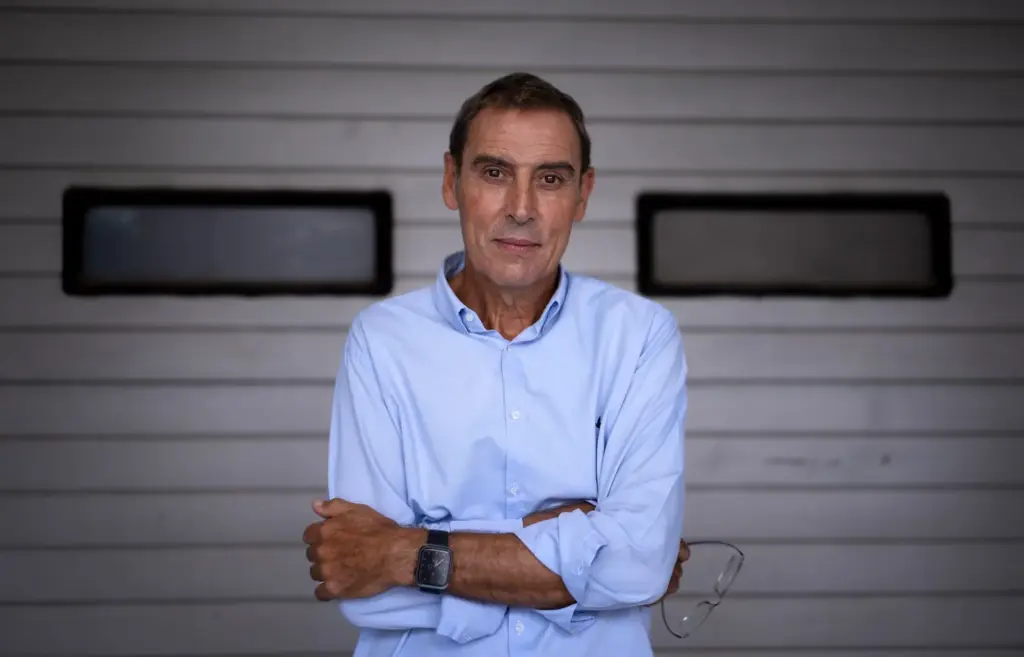
This testimony was anonymously supported by three other colleagues. Before turning to EL PAÍS, he says he had reported the facts through other channels with little success: he informed the manager, Carlos Mingo; filed a complaint through the anti-corruption mailbox enabled by the Community of Madrid, the External Informant Channel; and also went to the Ombudsman.
A few weeks later, the manager had approved the opening of a disciplinary file against him, at the request of the two officials he had pointed out: Basilio de la Torre, head of the COT service, and Rafael Martínez, medical director. Precisely this Wednesday, de la Torre must appear before the instructor of that file.
Martos did not hide from this newspaper that he had years of conflicts with his boss, de la Torre. According to him, he had been reported by him through criminal and administrative channels, in procedures from which he claims to have been acquitted. EL PAÍS wrote to De la Torre to know his version. He replied that he wanted to speak in person but added that he needed to communicate with management and did not respond again. Martínez also did not respond to an email requesting an interview. On the other hand, the hospital’s press department ignored the request to speak with them.
Flood of criticism
The announcement of the investigation came after hours of criticism against Ayuso’s government, following the news about the alteration in the waiting list. In the morning, indignation had erupted among part of the healthcare community in Madrid. The largest medical union, Amyts, recalled that it has been talking for some time about “engineering” and “manipulation” in the waiting lists. Its general secretary, Ángela Hernández, called for more doctors to solve the waiting list problem “and not a witch hunt against the professionals who denounce it.”
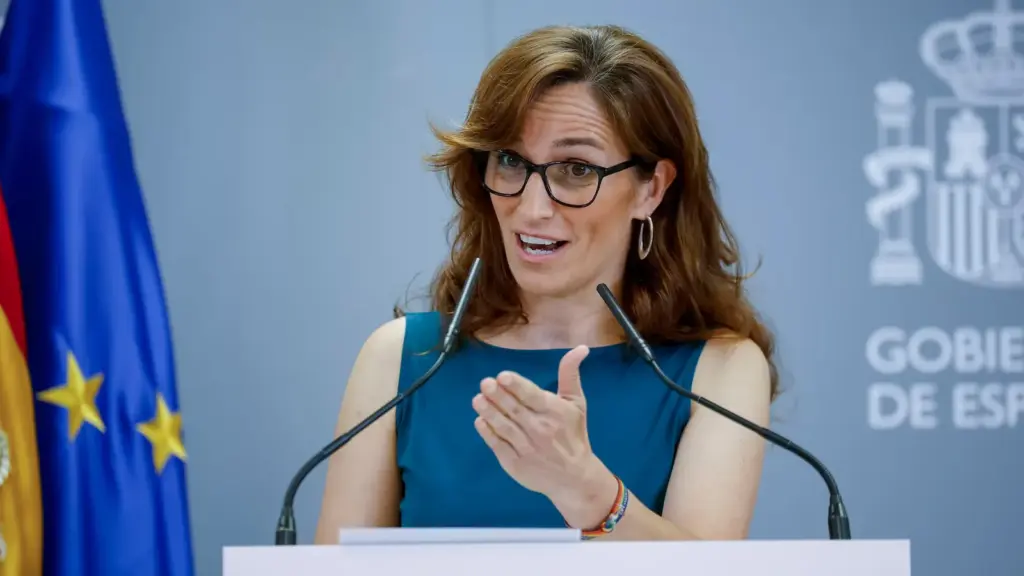
The left-wing opposition launched a barrage against Ayuso. Immediately, calls for investigation came from Más Madrid, Podemos, and Izquierda Unida. The Health Minister, Mónica García, sent a letter to the Community asking to clarify whether the Ramón y Cajal case is an exception or the norm in the region’s public healthcare.
Read more Hunting the femicide of Cuautla on the night of the Cry of Independence in Mexico
The PSOE recalled the recent scandal of the audios from the Torrejón hospital, a public center handed over to a company, where the CEO ordered rejecting patients to make more money.
Then, last December, calls for accountability fell on deaf ears. The regional investigation was closed six days later with “satisfactory” results, and Ayuso downplayed the crisis, calling it the product of “quarrels between executives.” The PP majority in the Assembly vetoed the investigation commission requested by Más Madrid.
This Tuesday morning, in the corridors of Ramón y Cajal hospital, the news was discussed in improvised groups by healthcare workers who reacted with indignation or resignation. This issue of manipulations in the waiting list, by one method or another, has long been an “open secret.” The news was shared in workers’ chats where there was talk of fear of consequences. “It spread like wildfire, there is no other topic of conversation,” says a member of the medical staff, who prefers to remain anonymous like the rest of his colleagues to avoid reprisals.
In the healthcare world, many choose to look the other way when they see malpractice, but from time to time someone raises their voice. Some highlighted this Tuesday the “courage” of Martos, a rara avis. Fear of reprisals has unleashed nervousness. This is how another worker describes it, who admits she was already aware of the “computer manipulations”: “Professionals were heard talking about it; patients came to the hospital to complain about the situation. No one called them, even though the estimated deadline they had been given to be operated on had passed; some disappeared from the list.”
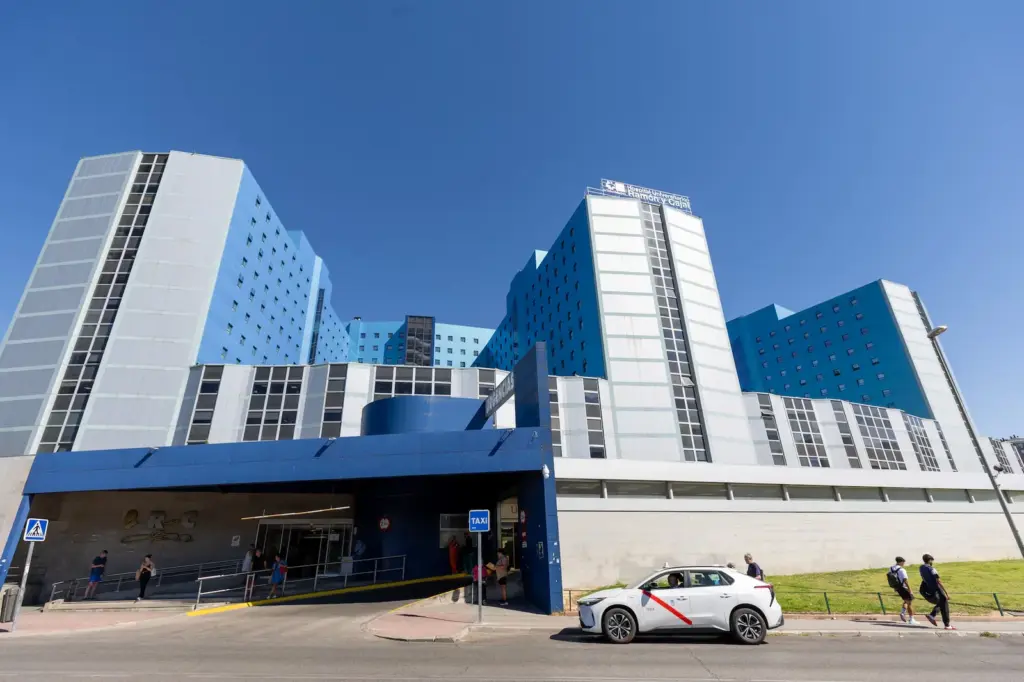
Another colleague of hers, with more than 25 years of experience at the hospital, assures that this waiting list case has a serious lack of resources underneath: “insufficient staff, underutilized operating rooms, lack of material…,” she comments to try to demonstrate that under these conditions the delay can only increase.
An anesthesiologist compares the outbreak of the news to a bomb. “The widespread suspicion is that this has happened in more services, but only Martos has dared, with evidence, to step forward,” he indicates. He debates between the joy that the information has been uncovered and the fear of reprisals that his colleague may suffer: “Management acts as a transmission belt for the Ministry of Health. We don’t want Martos to be left alone, he needs protection, also when the spotlight goes out.” Meanwhile, a traumatologist admits feeling overwhelmed by the number of messages received from other colleagues from public centers. They all have the same question: “How could something like this happen?”
Do you have something to tell? Write to the authors at s.castrogarciacomunicacion@gmail.com and fpeinado@elpais.es
Read more Last nights at El Trampolín: the beach of shame and unanswered questions