








Golnar enters wearing a short-sleeved pink shirt, wide blue pants, her wavy hair loose, and sits at one of the coveted tables in one of the most popular cafés in downtown Tehran, where often you have to wait to find a seat. For safety, she has warned that she will not give her real name and wants to be identified as Golnar.
Read more Hunting the femicide of Cuautla on the night of the Cry of Independence in Mexico
“This country is not the same as it was four years ago,” states the 36-year-old woman shortly after the conversation begins. “It is true that the wars have accelerated change, but the social movement we see in public spaces, including the multiplication of cafés with terraces like this one and the way women dress, is a consequence of what happened after her death,” she says, referring to Mahsa Amini.
Like many women and men, Golnar spent several weeks in prison for protesting after the death of Mahsa Amini, a young Kurdish woman who was visiting Tehran in September 2022 when she was detained by the so-called morality police at a metro station exit for not complying with Islamic dress codes. At that time, dozens of women were captured daily for not wearing their veil properly or wearing very tight clothing, and reports of assaults were constant.
Minutes after arriving at the police station, Amini, 22, collapsed, was taken to a nearby hospital, where according to doctors’ accounts she arrived with brain death, and died three days later. The Independent International Fact-Finding Mission created by the United Nations to investigate her death concluded in 2024 that there were signs of trauma and that the physical violence she suffered while detained caused her death. Iran rejected the report, calling it “politically motivated” and denied that the young woman was beaten.
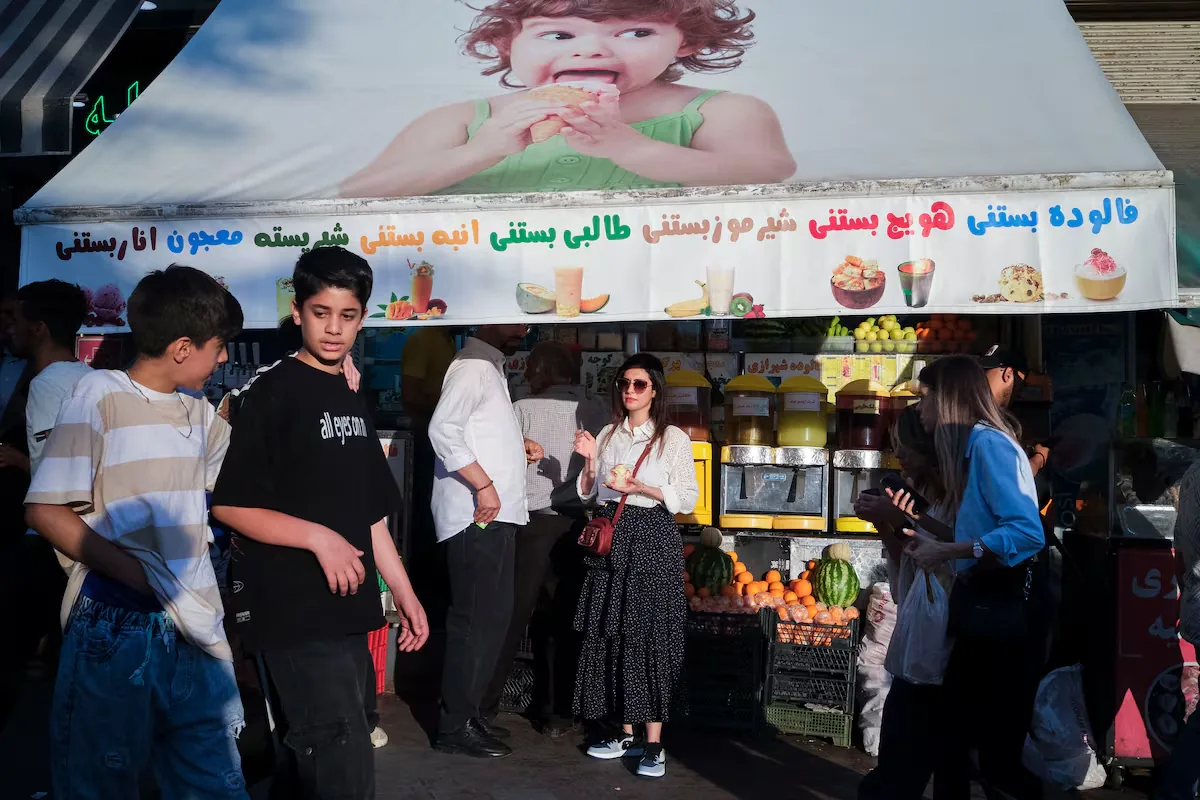
Four years later, none of the women present in the Tehran café wear the veil nor the traditional trench coat that was mandatory to cover the hips. This is the trend not only in the capital but in much of the country, even in the most conservative cities like Isfahan where the gardens along the riverbank are full of women in tight sports pants and T-shirts, sometimes even tank tops. It looks more like an image of a European park than an Islamic Republic that imposed the veil as an obligation. However, this apparent sense of freedom is deceptive, experts warn, because the laws have not changed, women have not gained participation in public life, and many activists remain silenced.
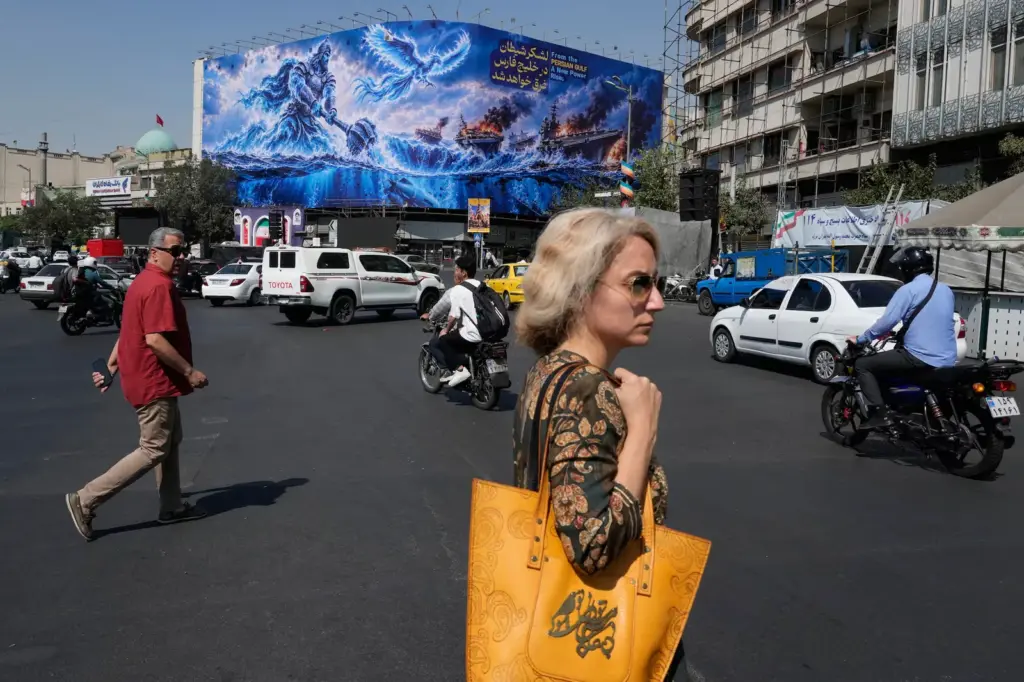
“Many mornings I think about her, I wonder what her life would have been if she were alive, but also about everything her death helped us shake off as a society,” says Golnar recalling the days of protests in the streets. At that time many women, some very young, faced security forces who repressed them with extreme violence.
Amnesty International documented 377 deaths during the protests recorded between September and December 2022, which gave rise to the movement called “Woman, Life, Freedom.” “Zan zendegi, azadi,” was shouted in Persian in the streets of many cities in the country, in a direct challenge to a system totally dominated by men, many of them religious. Iran acknowledged 202 deaths in the protests but pointed out that the perpetrators were “vandals” or “armed terrorists.” Witnesses on the streets, supported by videos posted on social media, point instead to the various security forces as the perpetrators.
“The first time I left home without a veil I was trembling. I felt all eyes on me, but I had to do it,” admits Maryam, 23, a photography student. “I confess I was scared, but today I feel very proud of what we did, especially the people of my generation who paid a very high price,” she says. She recalls that many died, were imprisoned, executed, lost their sight, or were expelled from universities. Many women also reported abuse and torture. “But we did not stop the fight, at least we keep pressing with the way we dress,” she says proudly. Since then she always goes without a scarf, with short shirts and lately with very short sleeves. She does not cover herself even on the metro, she admits.
Other women, especially older ones, are more cautious and cover themselves for certain activities, especially when going to an official institution. But everything has been changing so fast, especially since the United States and Israel launched attacks against Iran on February 28, that even the authorities themselves admit feeling overwhelmed.
Read more Last nights at El Trampolín: the beach of shame and unanswered questions
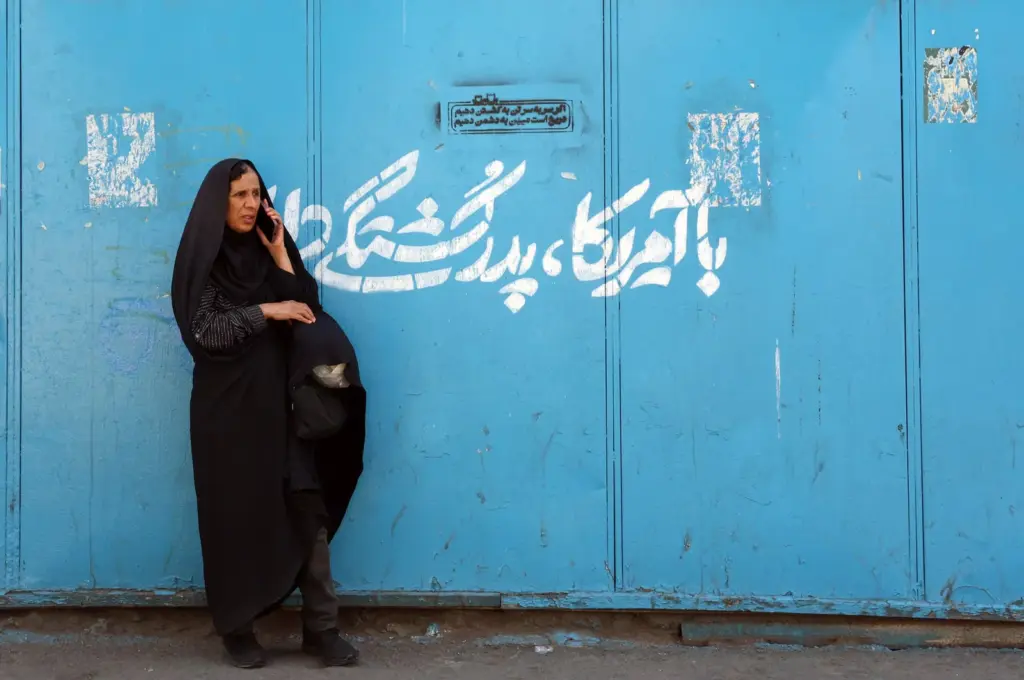
“Currently it is no longer just about chastity and hijab, the issue has advanced towards nudity,” recently denounced a radical parliamentarian who called for these women to be sanctioned. The irony is that, at the height of the war, the authorities urged society to unite in defense of Iran. On public television, for example, women with their hair loose participating in protests against the United States and Israel were proudly shown.
“We must address issues like the hijab while preserving internal cohesion and unity,” said last Saturday Hussein Taeeb, head of the Basij militia, which is part of the Revolutionary Guard. The new supreme leader Mojtaba Khamenei, who has not been seen since his appointment last March, has also gone in the same direction. In a statement issued weeks ago, he warned that it was forbidden to carry out any act or make decisions that harm social cohesion.
Many interpreted this as a clear reference not to reimpose Islamic customs, especially the veil, as has been attempted. Because during the summer cafés were closed and campaigns were carried out in the streets urging women to cover up. All in vain. The establishments resumed operations after paying bail and the women remain unfazed by the threats.
“They have lost the veil war, and they know it,” admits a lawyer who has worked for years on human rights issues and who asks not to give her name because she has had problems with the justice system in the past.
But the lawyer draws attention to another, more painful reality: the struggle of women to achieve greater rights has not advanced. It can even be said that it has decreased. She lists some cases such as gender violence, divorce, among many others. “I worry that young women believe they won the battle without understanding that the great struggle is still pending,” she admits.
She says that most organizations and activists who defended human rights are silenced and fewer and fewer women have any political participation. Those who exist seem invisible. “As long as the laws do not change everything will remain the same,” states the lawyer, who points out that within the system there is an explicit policy of doing nothing to benefit women.
“What is happening now is that they try to lower the pressure so as not to provoke more protests that could get out of control if added to the economic situation,” she argues. This explains why the Supreme National Security Council has ordered Parliament to freeze the publication of the so-called Law of Chastity and hijab presented in 2023. This regulation supports an even stricter system to monitor and punish those who do not respect Islamic dress codes.
“One thing we have learned in these years,” says Golnar. “We, the women, are the ones who have to fight for our lives to improve,” she concludes. And she points out: “And we have already shown that we can.”