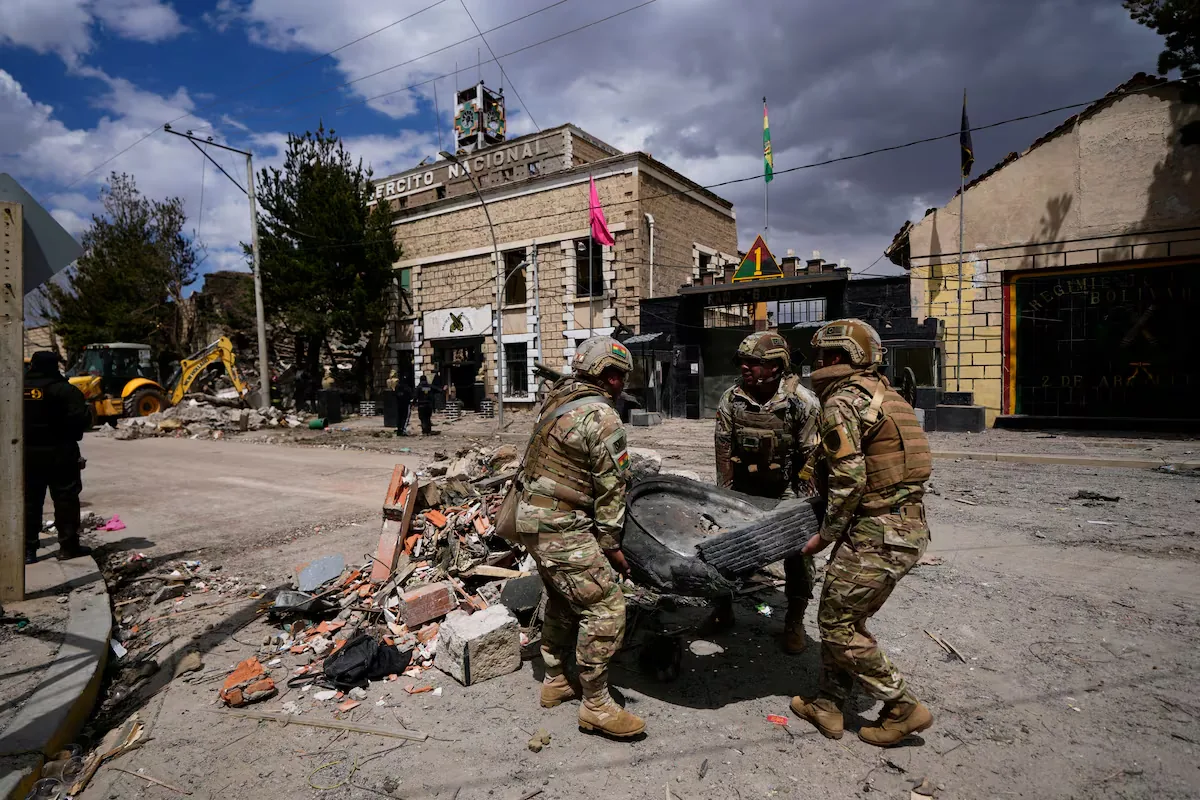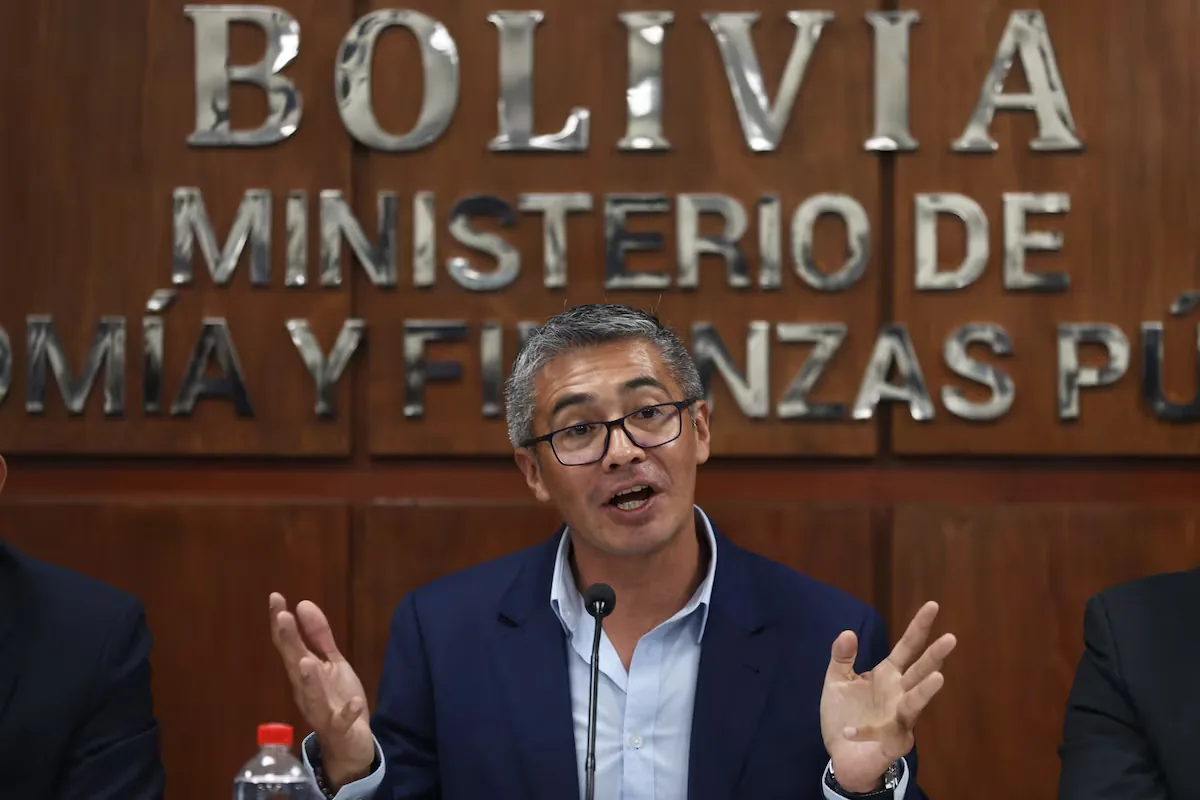








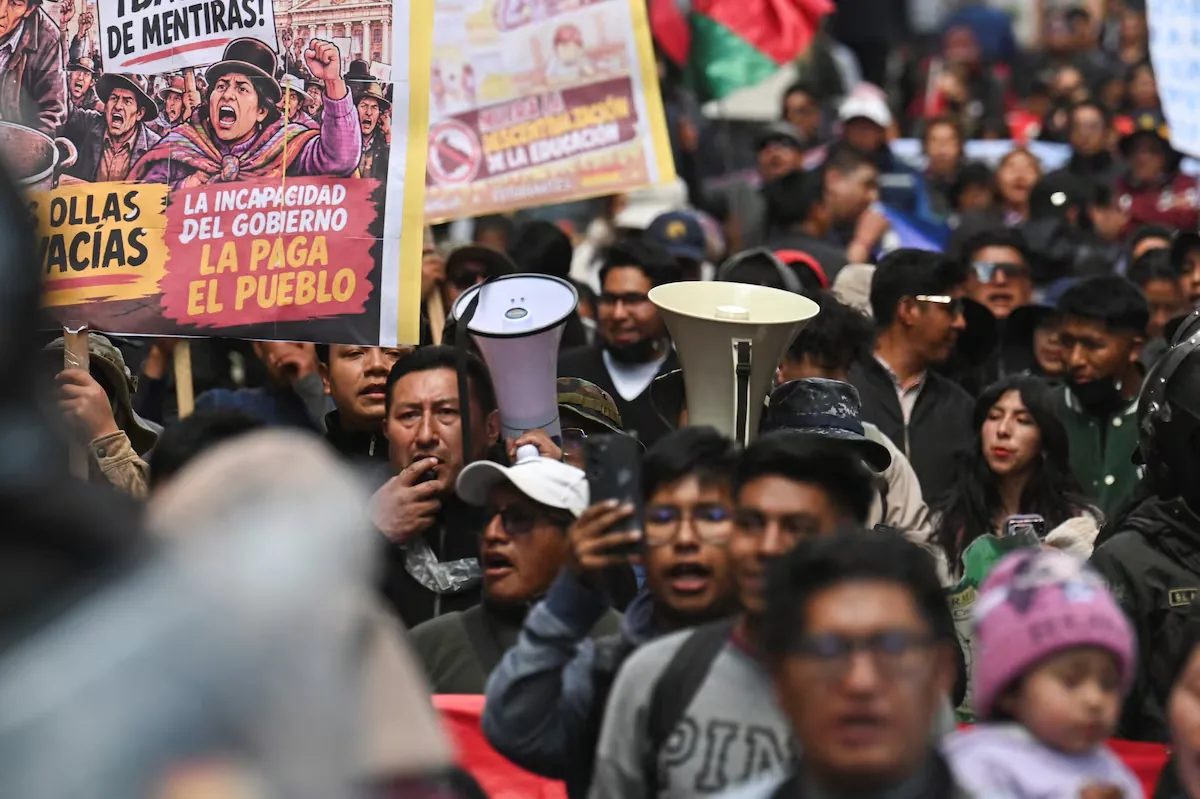
Bolivia will remain in a state of emergency for another 90 days. The measure was initially decreed on June 20, granting the Government exceptional powers, such as the deployment of the military, to dismantle protests that demanded the resignation of President Rodrigo Paz for 53 days and caused 22 deaths. As the provision was about to expire, Paz extended the regime by decree on Monday, which was approved by the Assembly by majority in the early hours of Thursday. The request to extend the measure was defended before Parliament by the Ministers of Government and Defense, Marco Antonio Oviedo and Ernesto Justiniano, respectively. The main argument put forward was the threat from social organizations to resume mobilizations.
The protests began over the distribution of adulterated gasoline that damaged more than 66,000 vehicles, but the demands quickly escalated to call for the resignation of the president. Paz decreed the state of emergency after all dialogue channels had been exhausted. The deployment of police-military contingents to unblock more than 100 road obstruction points that besieged the cities met no resistance. The details of the operations during the exceptional regime were presented by Oviedo before the assembly members, at their request.
“The irreparable damage caused by the blockades cannot be repeated (…) we ask that you authorize the extension to protect the lives of citizens, our country’s economy, and preserve the right to free transit,” defended the Minister of Government. He pointed out as conflict points and where pressure measures might be brewing the cities of El Alto — mostly composed of Aymara indigenous people, one of the sectors mobilized in May and June — and Cochabamba. In the latter, the coca growers’ unions loyal to former President Evo Morales are established, whom the Executive and much of the Legislature consider the main instigator of the protests.
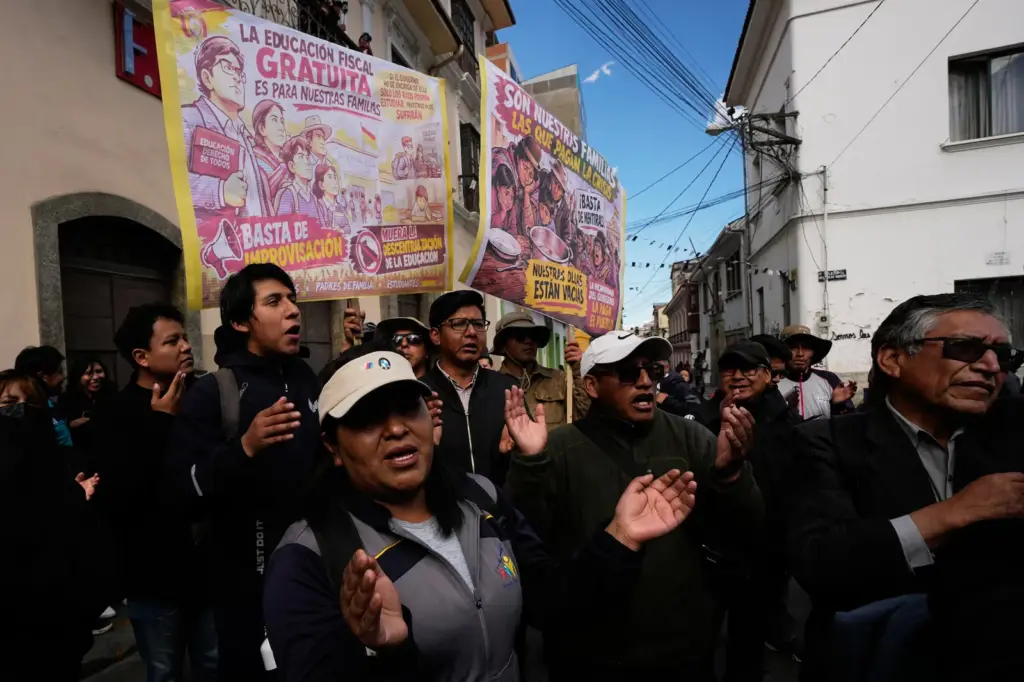
The coca growers’ organizations have called for a massive meeting on September 26, defying the state of emergency. Another sector that has warned of protests is public and heavy transport drivers; public teachers led a march in La Paz on Tuesday, and the Unique Syndical Confederation of Rural Workers (CSTUCB) declared an emergency on Wednesday. The fuel shortage, causing long lines at service stations, is one of the main grievances. Added to this is that diesel prices increased by more than 80% for large producers on August 17.
The price increase also causes concern: Bolivia accumulated 3% inflation in the first eight months of the year. There is worry that the rise could be even greater with the high volatility recorded by the boliviano’s price since the new flexible exchange regime was established almost three months ago. In July, the national currency entered a depreciation spiral that led it to lose 24% of its value against the dollar. In September, however, the movement has been the opposite: in the last week, the dollar went from being exchanged at 12.64 bolivianos to 9.83, an appreciation of the national currency by 22%.
Read more Recasens wants a bigger Indra to lead the consolidation: «We cannot miss this opportunity»
The Government hopes to reorganize the financial system — awaiting legislative approval of an agreement with the International Monetary Fund — without pressure measures on the streets.
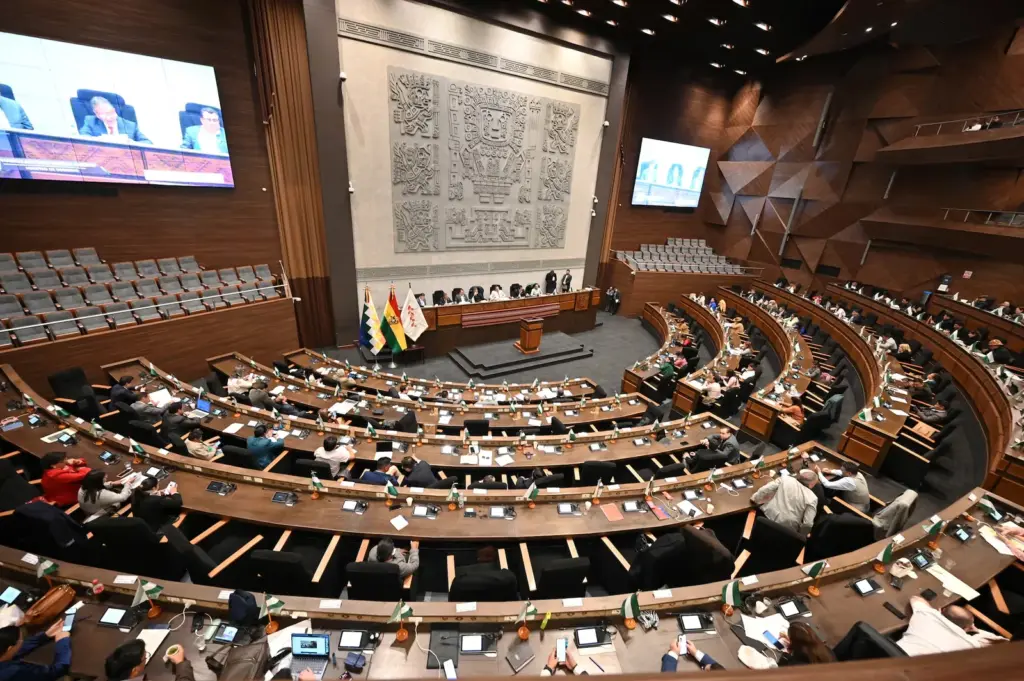
Parliamentarians approved the request to extend the exceptional regime with 100 votes in favor and 58 against or abstentions. Before, they questioned the ministers about the effectiveness of the state of emergency, whether there are sufficient reasons to maintain it, if the absence of blockades is guaranteed, or what will happen with the arrest warrants against Morales. “In my view, the state of emergency did not work. The conflicts were suspended with dialogue,” challenged Tomasa Yarhui, head of the Libre senators’ bloc, the second party in Congress and the most rigid against the Government.
Along with a possible reactivation of social conflicts, the Executive presented as a second argument the wave of violence on the border with Brazil generated by organized crime. In the border municipality of San Ignacio de Velasco, four people died from gunshots in less than 48 hours over the weekend. A binational plan has been created to face what authorities call an infiltration of Brazilian criminal cartels PCC and Comando Vermelho: “This alone would be an argument to extend the state of emergency,” defended Oviedo.