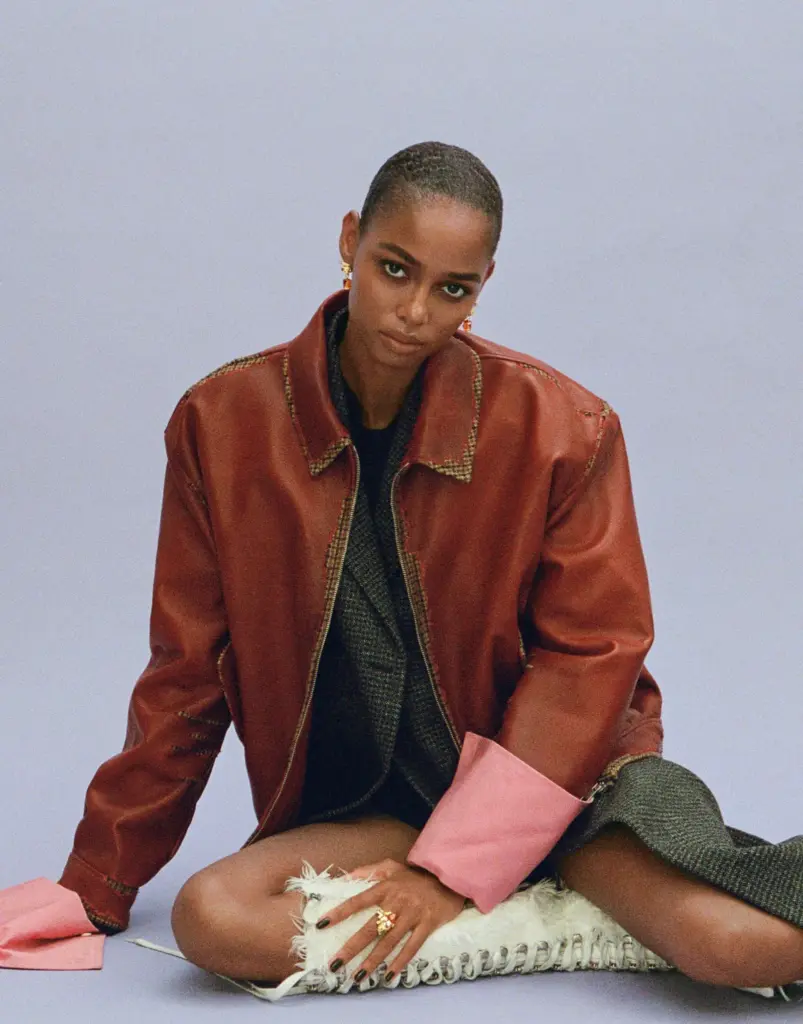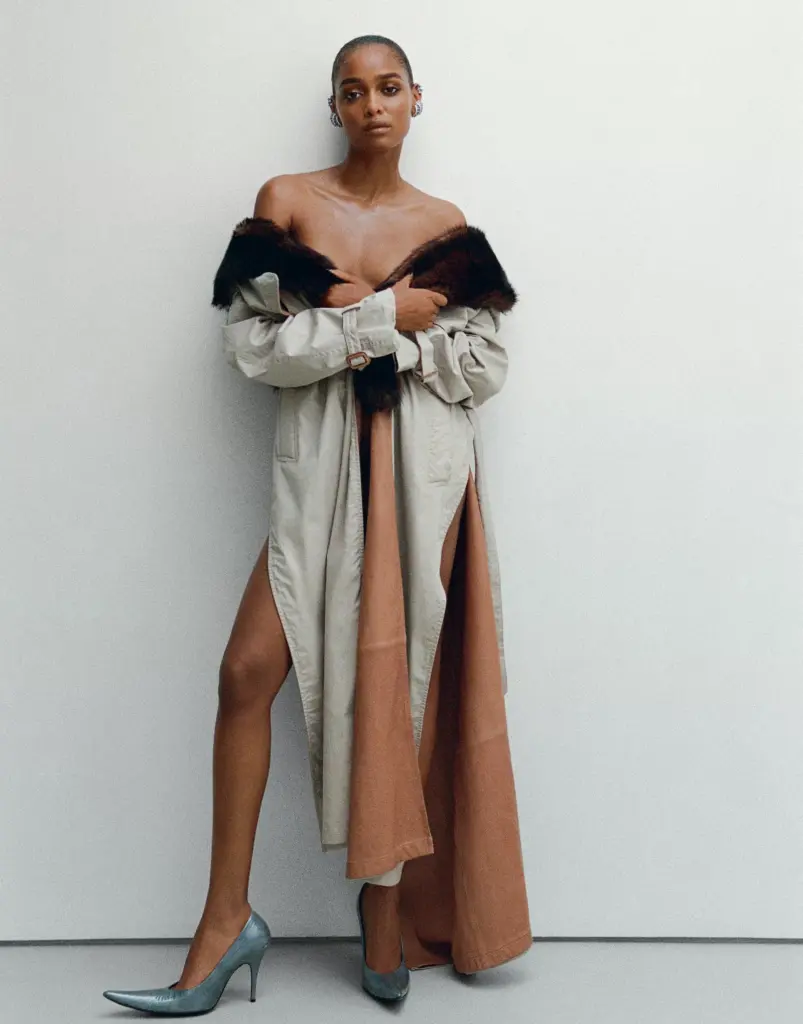









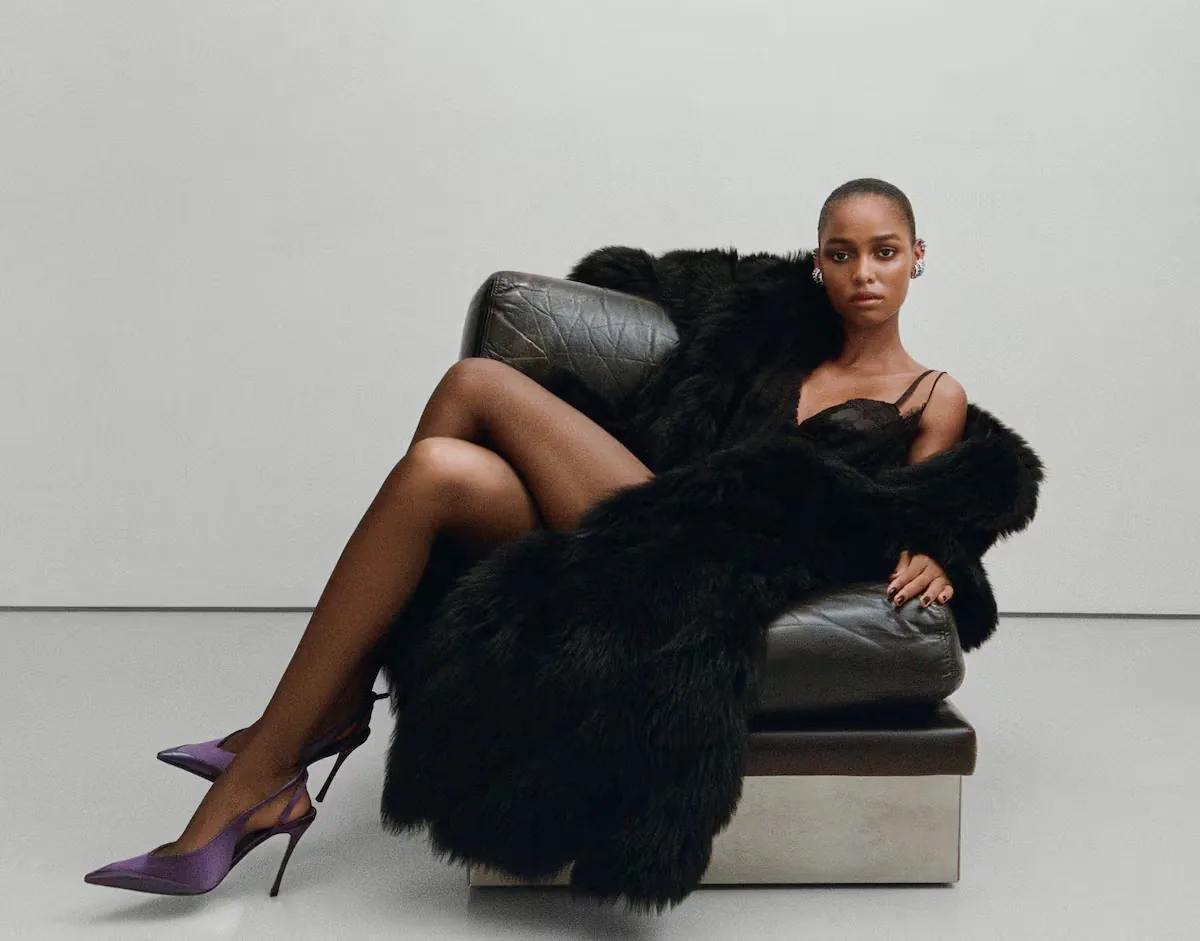
It is within reason, in a globalized and hyperconnected world, that on the other side of the screen, Angolan Blensnya Minher (Ngazi, 1998) tells her interlocutor in Madrid that they can communicate in Spanish: the surprise comes when the model, who speaks from Lisbon — now her usual residence — clarifies with a Galician accent that she learned it because when she signed her first contract with Calvin Klein, she used to split her life between the small fishing village of Bueu in Pontevedra and New York. She was still a young girl dreaming of becoming a model when she got engaged to a Spaniard through the screen of her home (miracles of Facebook) in Luanda, where she had arrived from a village in the north of the country where she was born.
Read more Shakira spreads joy in Madrid in a fun concert that lacked depth
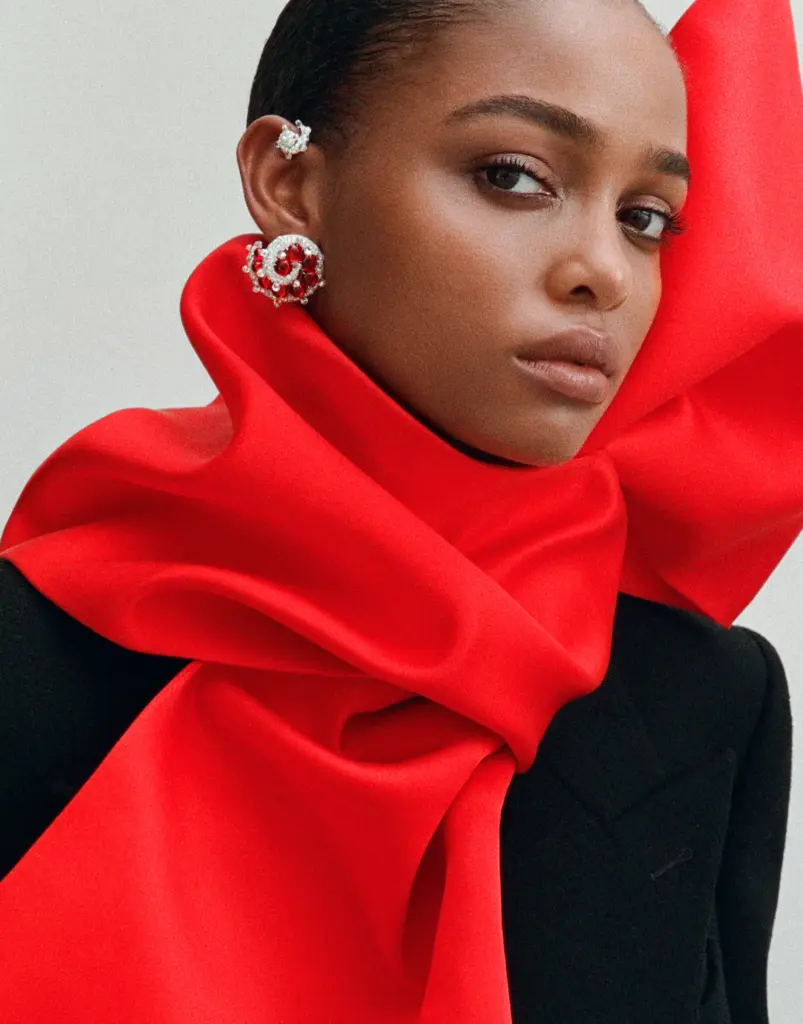
“I left there because my parents wanted to send me to the capital to study, because where I’m from, there are no medical or educational infrastructures and it’s also an area where many dialects are spoken, so my siblings and I were very behind academically. So they sent us to an uncle of ours: so that we could study and learn Portuguese well.” If the question is why her parents had such an interest in her education, initially surprising, Minher has a very precise and well-argued answer: “Well, during the Angolan civil war, the country established very strong ties with communist countries and since at that time the whole country didn’t have good memories regarding education, they sent children to some of those countries. My father went to study in the Czechoslovak Republic and my mother to Cuba. So when they returned, they already knew how important culture is and when I turned seven, they decided it couldn’t be that a girl my age didn’t know how to read.”
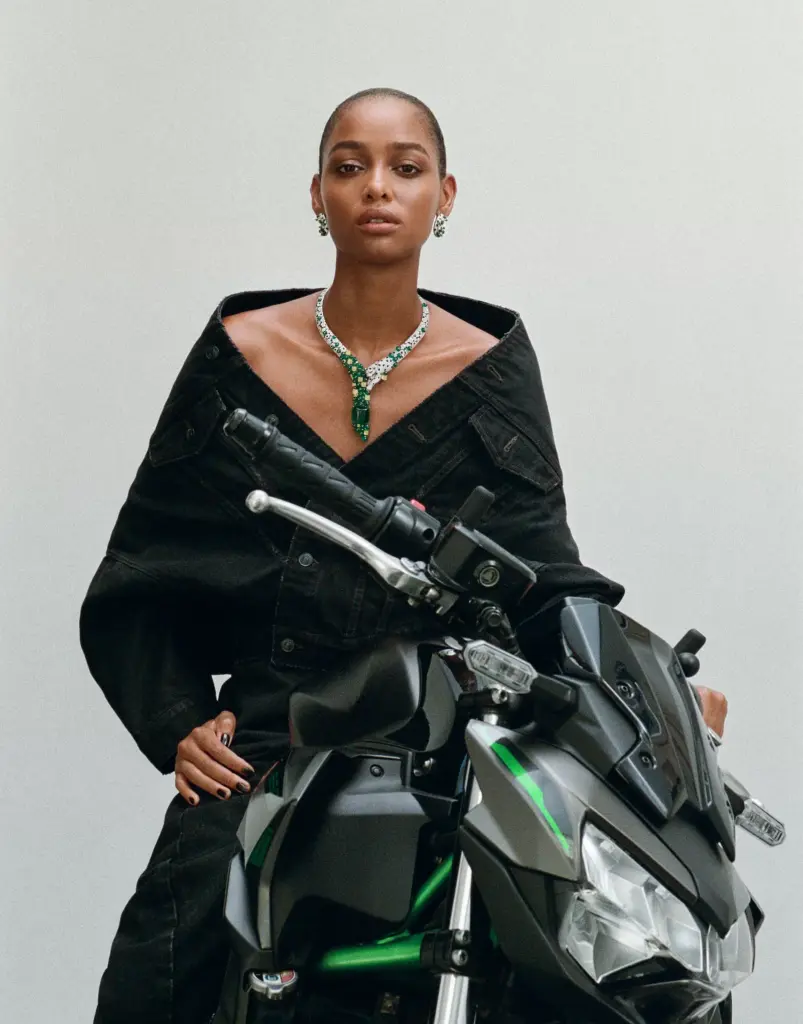
When that seven-year-old girl reached adolescence, she already knew that being a mannequin could be a professional path for her. Like so many young people around the world, she was fascinated by the fashion world watching Fashion TV shows, a French channel that in the 2000s reached 300 million homes in 202 countries. That’s where she saw an ad that said: “If you want to be a model, send your photos to this email.” “The next day at school, a friend who had a good phone and I took photos and sent them,” she explains with cheerful ease. That’s how she started working with an agency in Angola, which later sent her book to the prestigious Elite.
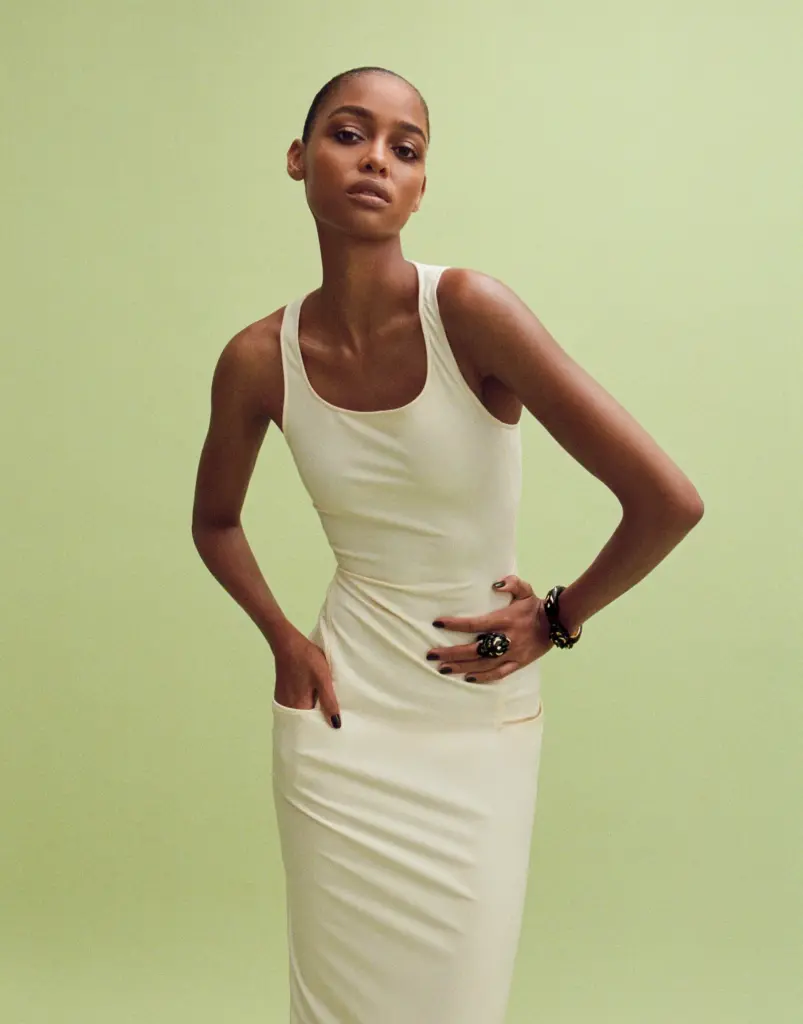
At 18, she was offered to live in Paris. That’s where a career began that has led her to walk for Dior, Miu Miu, Kenzo, as well as star in a Valentino campaign alongside a superstar like Christy Turlington. Her parents, who opposed her dedicating herself to something so “frivolous” (“in their mindset, being a model was directly equivalent to prostitution”) now recognize her enormous courage: “My father, in fact, when he sees everything I’ve achieved, feels guilty and tells me: ‘My goodness, and I almost deprived you of having all that.’” ‘All that’ is a happy and prosperous life (far from that Spanish boyfriend, with whom things didn’t go entirely well) in a city she loves (“although Spain also seems like a dream destination to me”) where she has been able to bring her siblings with her, who have also found a better life. In Lisbon, she not only has the base from which she works as a model worldwide: there she dedicates herself to her other hobbies and passions, which are many. “Now I’ve taken up horseback riding. In fact, I’m thinking about buying a horse. And I don’t rule out trying to compete internationally.”
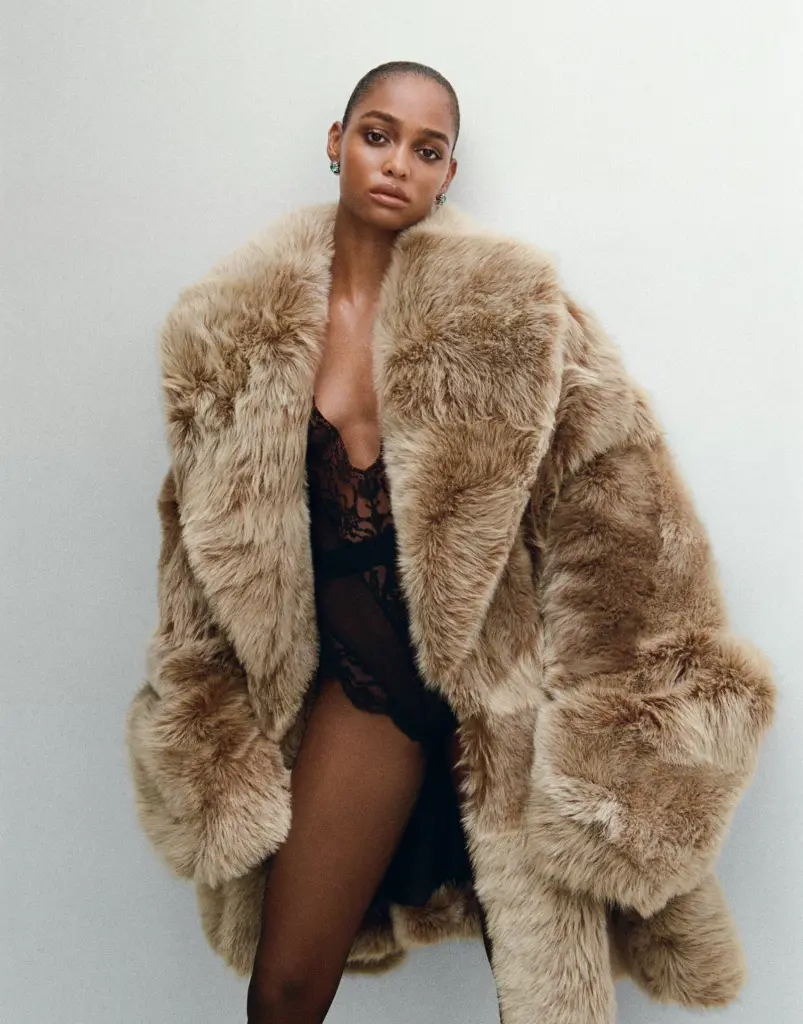
She has taken it so seriously that she has joined two clubs at once to be able to attend several classes a day: “When I go to these places and see people telling me they have been practicing since they were five years old, I say: ‘How lucky, at that age I was in the jungle fighting crocodiles,’” she explains with a peculiar and ironic sense of humor.
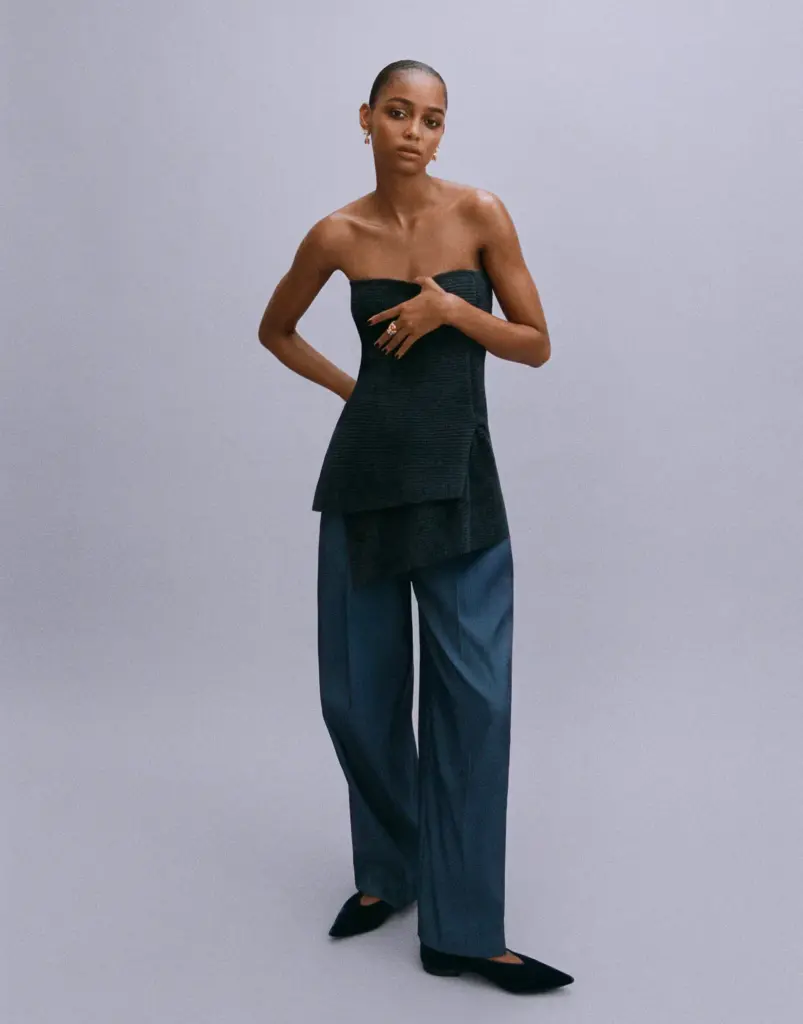
Her parents, however, remain in the village where she was born: “Things there are still terrible. I don’t know if you’ve seen the movie Blood Diamond, but it’s exactly like that. Last year my grandmother passed away and we couldn’t say goodbye because since there is no electricity for morgues, she had to be buried immediately,” she explains with disarming frankness. When asked if her past and origins lead her to carefully examine the ethical principles of the brands she works with, she affirms that she does: “Yes, especially when it comes to diamonds, because what I have experienced is very ugly. The big brands I work for try to be as ethical as possible and it matters to me.”
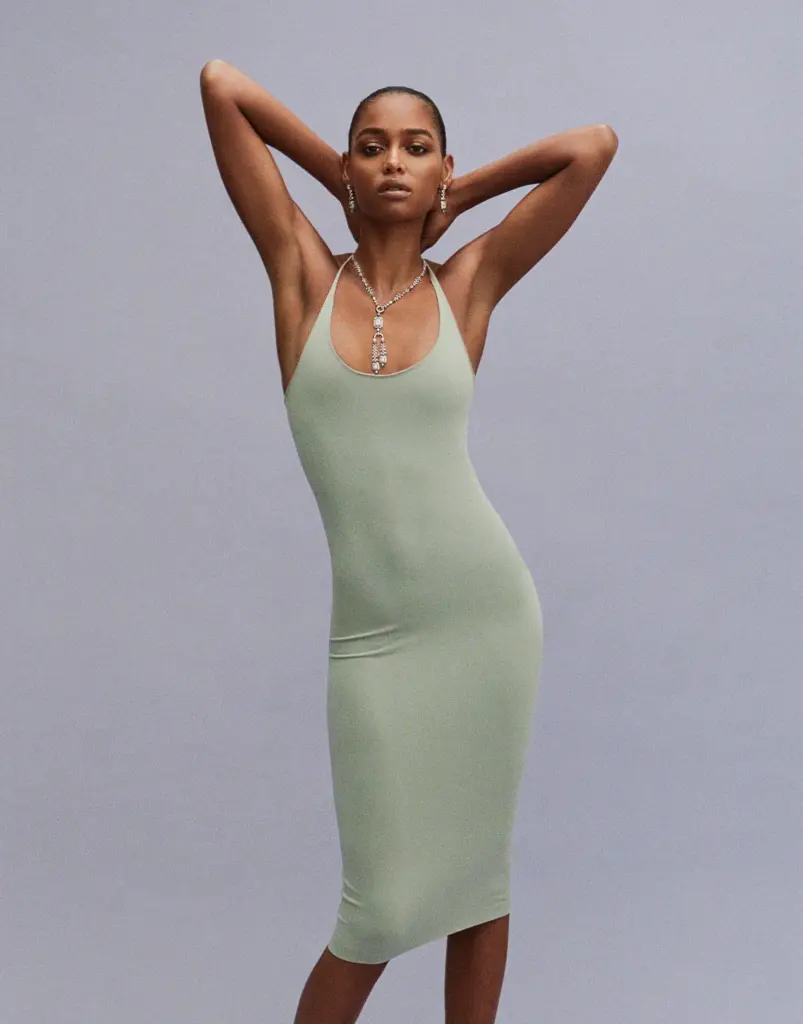
And among her whims is the clothing of the great designers she walks for? “I love Daniel Roseberry or Pieter Mulier, because what they do seems very beautiful to me as art. But I’m not a consumer in the sense of thinking: ‘That’s in fashion and I have to have it.’ No, I wear what I think looks good on me, represents me, and will enhance my body and beauty.” She also applies that pragmatism to her way of thinking about the future: “The sad thing about fashion is that you can have the desire, the strength, be very hardworking, but whether they call you doesn’t depend on you. And since they don’t talk to you, they don’t create a bond, they don’t know you, they don’t know who you are. So to a model who is starting, I would say: take advantage of what they give you because it can change your life, but also find other passions.”
Read more Trump announces an agreement with Denmark to assume “permanent control of the security” of Greenland