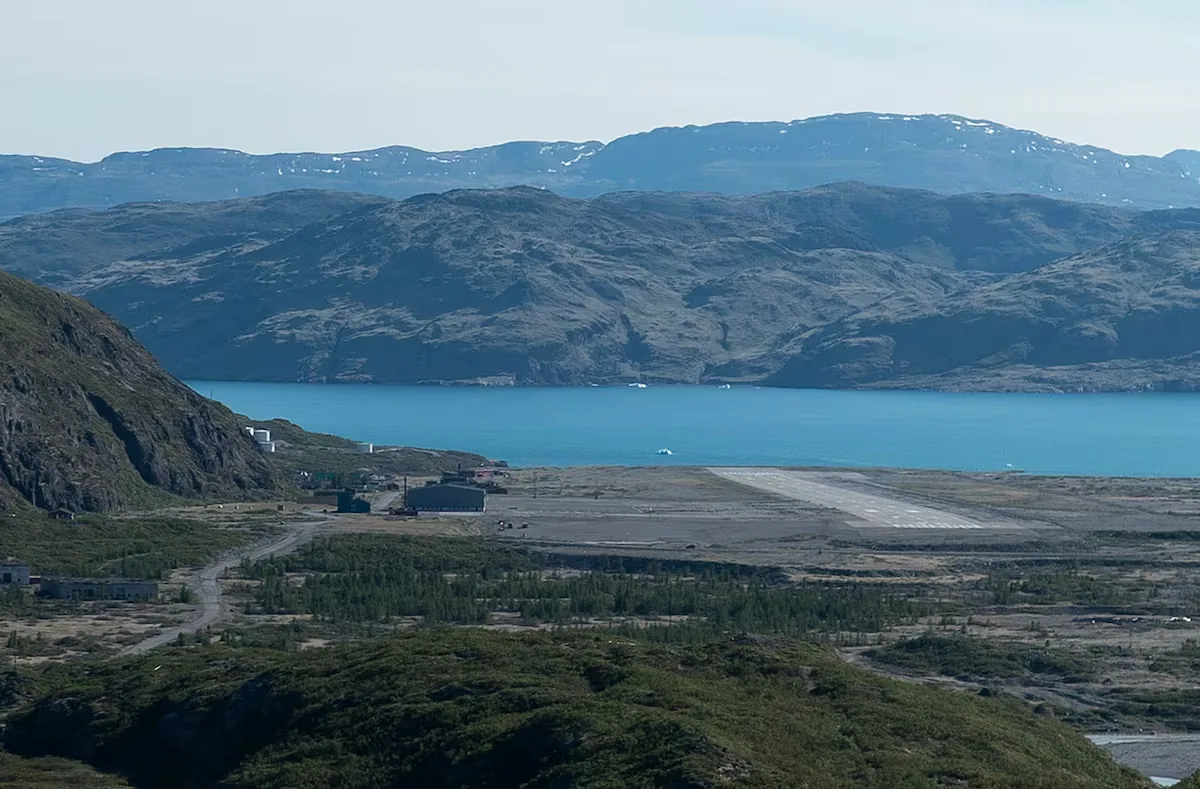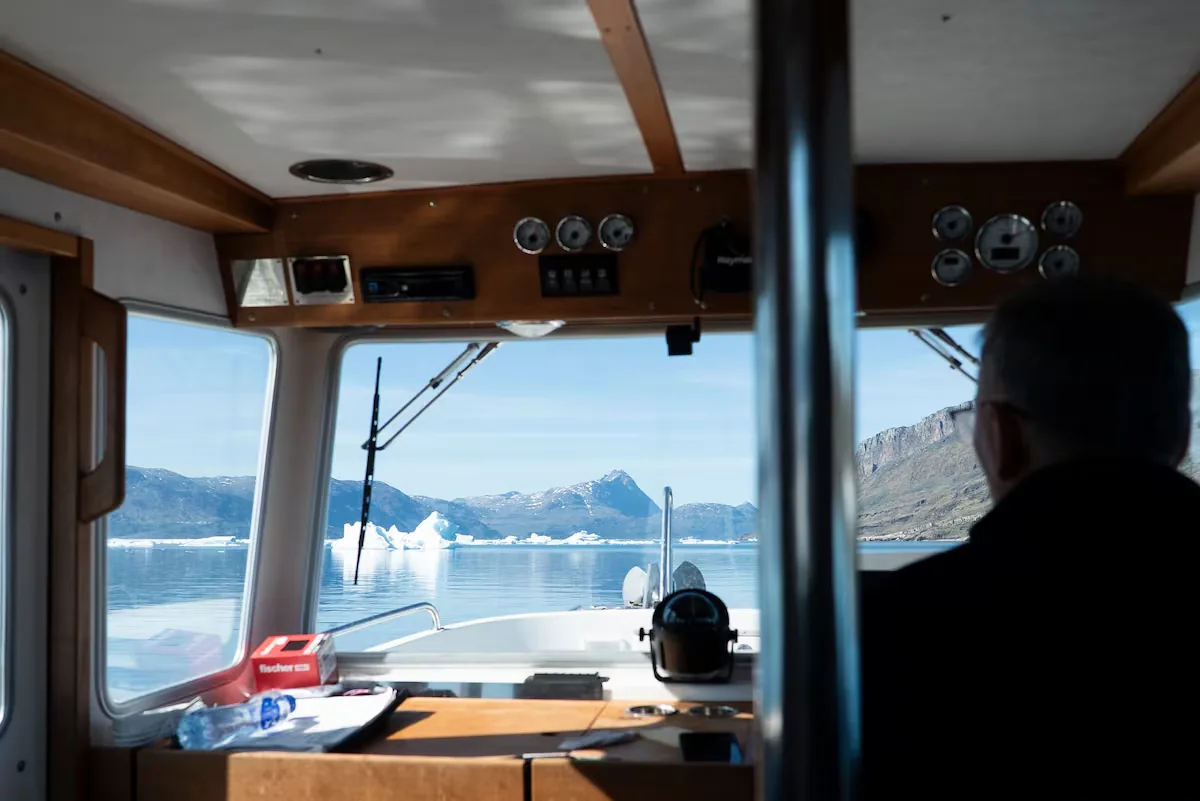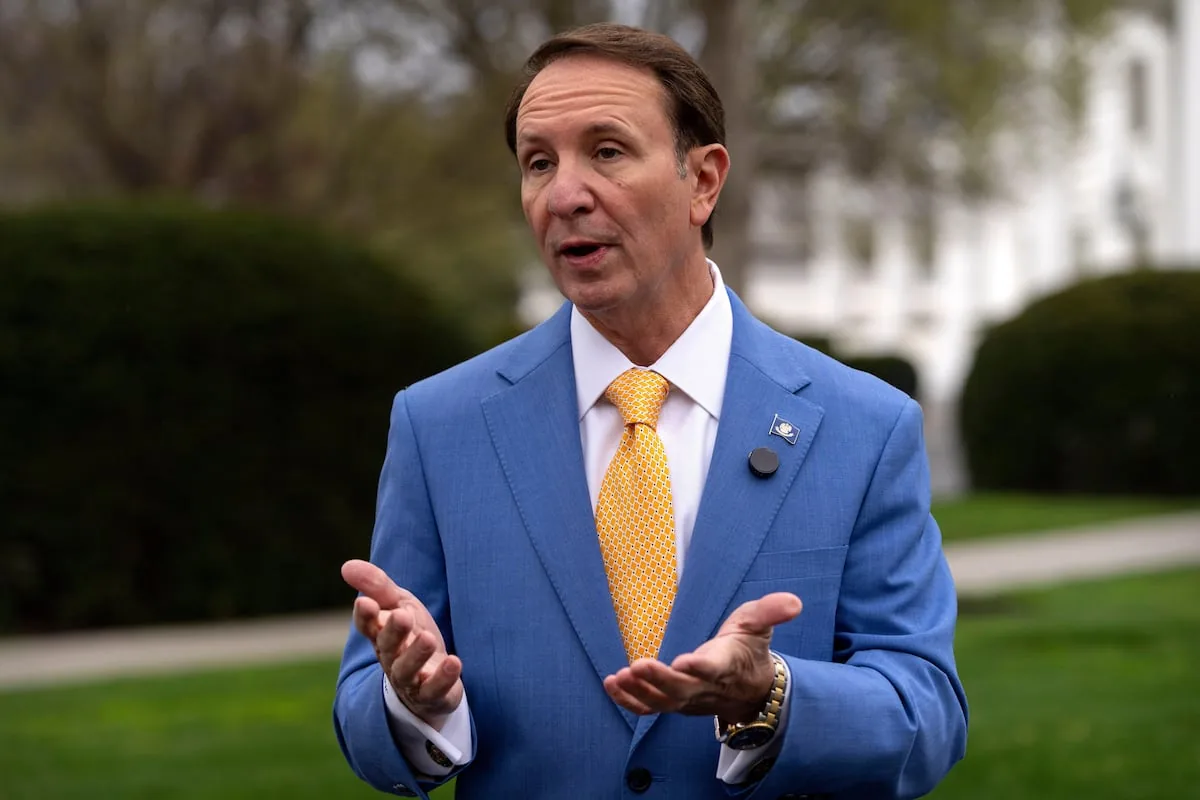





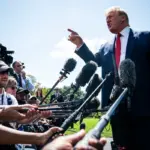


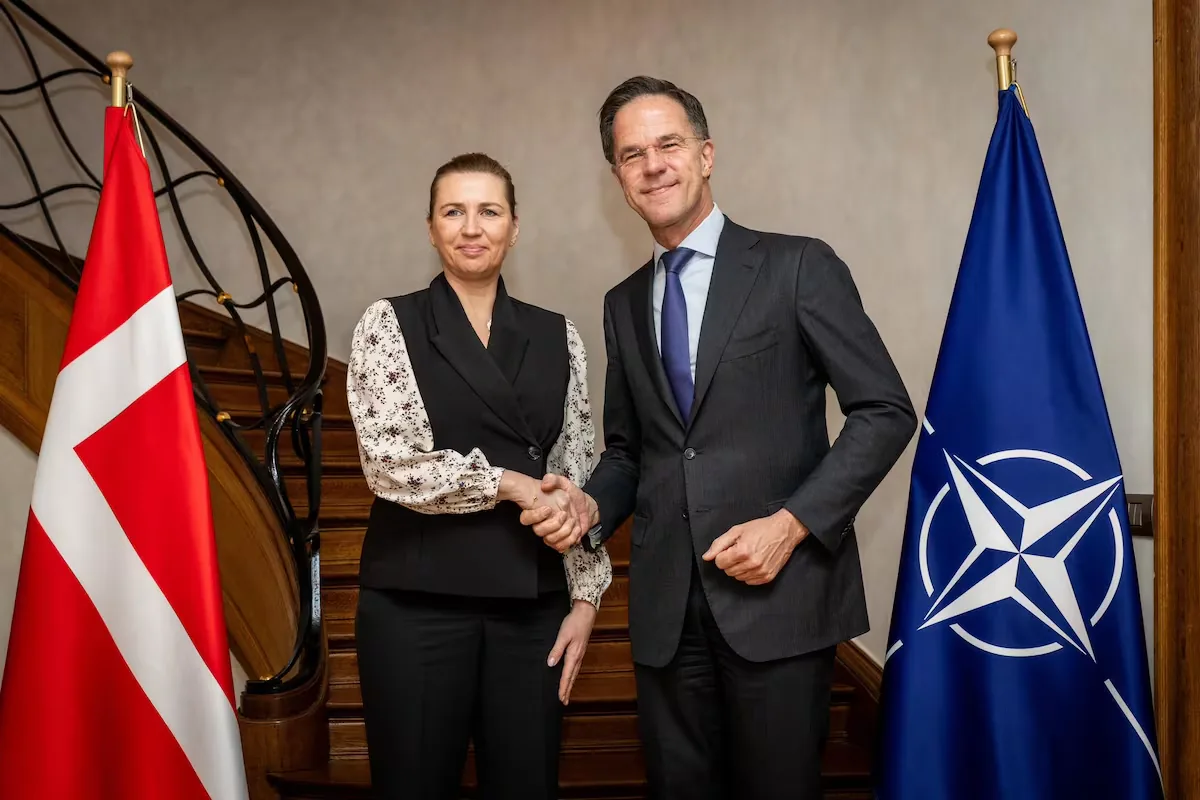
Europe has cautiously welcomed the announcement by United States President Donald Trump that he has reached an agreement with Denmark on Greenland, one of the issues that has most strained Washington’s relations with the EU and NATO in recent times. Awaiting the signing of the pact, which is expected to take place during the United Nations General Assembly in New York next week, the few official reactions, and their sparseness, show the reservation it generates in the Old Continent about an agreement of which few details are known and which a priori does not seem to change the statu quo, but which could profoundly shape the future of relations with the European bloc and within NATO.
Read more The Prosecutor’s Office investigates abuse and mistreatment in Ceuta’s juvenile centers
“We welcome the announcement that the United States, Denmark, and Greenland will soon sign an agreement. The Arctic and the North Atlantic are fundamental to our collective security, and this agreement will help promote security, stability, and cooperation in this vital region. NATO will continue to do its part to strengthen security in the Arctic,” said the spokesperson for the Atlantic Alliance, Allison Hart, in a statement that also did not elaborate on what the agreement changes.
Although the political negotiations were conducted bilaterally—or trilaterally, since Greenlandic authorities also participated—between the United States and Denmark, NATO has played a central role in the now-announced agreement. It was thanks to the mediation of its Secretary General, Mark Rutte, one of the few European politicians who seems to know how to handle—often with embarrassing flattery—the volatile Trump, that a “principle of agreement” was reached in January during the Davos Forum, which has resulted in the announcement now made.
Without going into details either, the Danish Foreign Minister, Lars Lokke Rasmussen, one of the architects of the agreement who began negotiating it in January under maximum discretion, has claimed an “important announcement at a time when the security policy situation in the Arctic has also changed,” according to his social media posts.
In the same vein, the President of Lithuania, Gitanas Nauseda, expressed that the agreement “is an important step towards greater security in the Arctic and the North Atlantic,” since “stronger transatlantic cooperation in these strategically vital regions is essential for the security of Europe and all of NATO.”
The expected agreement between Greenland, Denmark and the United States is an important step towards stronger security in the Arctic and the North Atlantic.
I welcome the leadership of @POTUS Donald Trump, 🇩🇰 @Statsmin Mette Frederiksen and Greenland’s Chairman of…
— Gitanas Nausėda (@GitanasNauseda) September 19, 2026
Nauseda participated on Monday in a European Arctic Summit in Finland where 12 countries called for this region to be treated as a “strategic frontier” of Europe. There, Danish Prime Minister Mette Frederiksen implied that despite setbacks—during the NATO summit in Ankara in June Trump resumed his threats to take over Greenland—they were already close to an agreement.
“The working group continues to work (…) but I am quite optimistic that we will find a way, and I think we are already seeing very clear signs,” he said four days before Trump announced that the agreement had already been reached.
At the meeting in the Lapland city of Rovaniemi, the EU was represented by the High Representative for Foreign Policy, Kaja Kallas, and the President of the European Council, António Costa, who recalled, in a thinly veiled reference to the tensions around Greenland, that “sovereignty and respect for territorial integrity can no longer be taken for granted.” Both will participate next week, along with the President of the European Commission, Ursula von der Leyen, in the UN General Assembly where the signing of the agreement on the Arctic island is expected. However, for now, none have spoken about it, citing that the agreement still needs to be signed.
Read more Risk of impunity pacts