




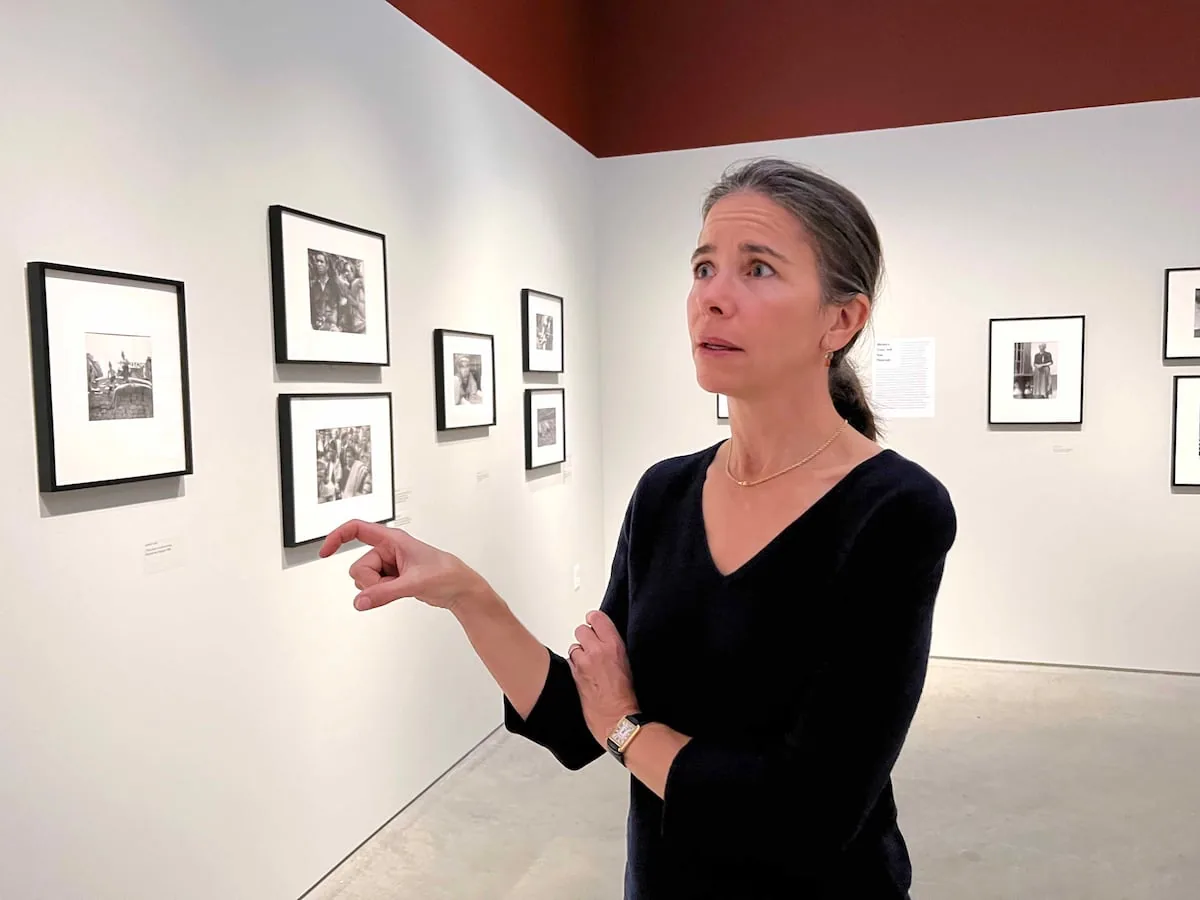
The heirs of Robert Capa’s legacy are not giving up on their attempt to make the cultural center, which the Madrid City Council says will bear the name of the legendary photographer, a global reference point for photography and the study of the Civil War. “I don’t think the project the City Council is proposing for that space has anything to do with Robert Capa. Nothing,” says Cynthia Young from New York, director of the International Center of Photography (ICP), the institution founded by Cornell Capa that manages his photographic legacy.
Read more Spain has more missing persons due to terrorism than Northern Ireland
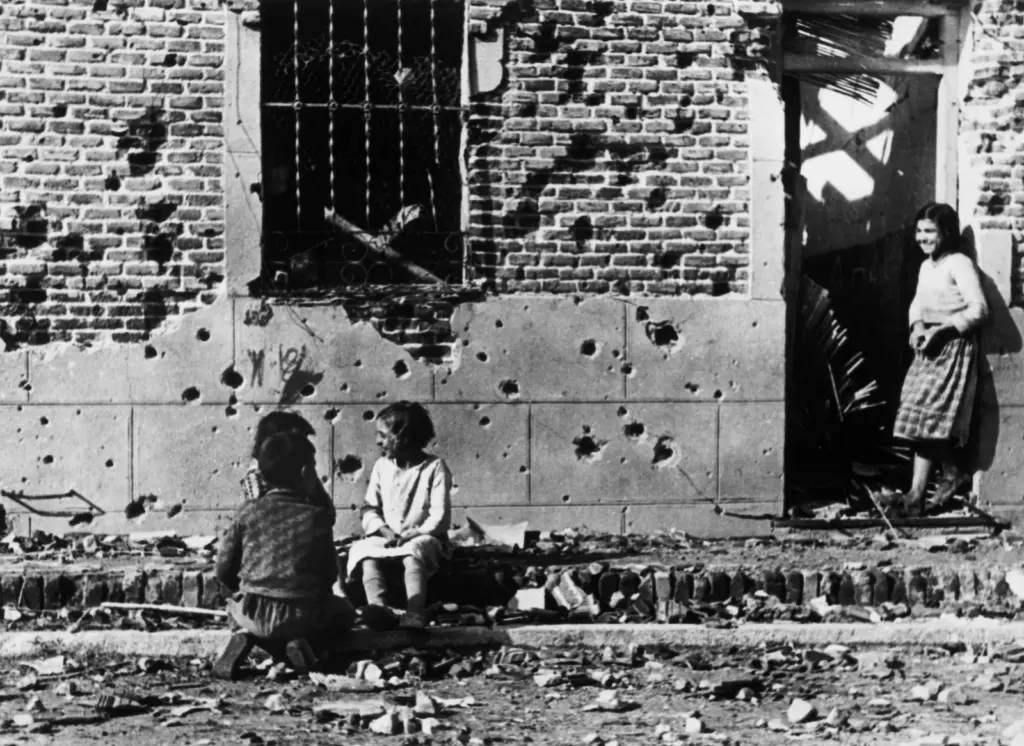
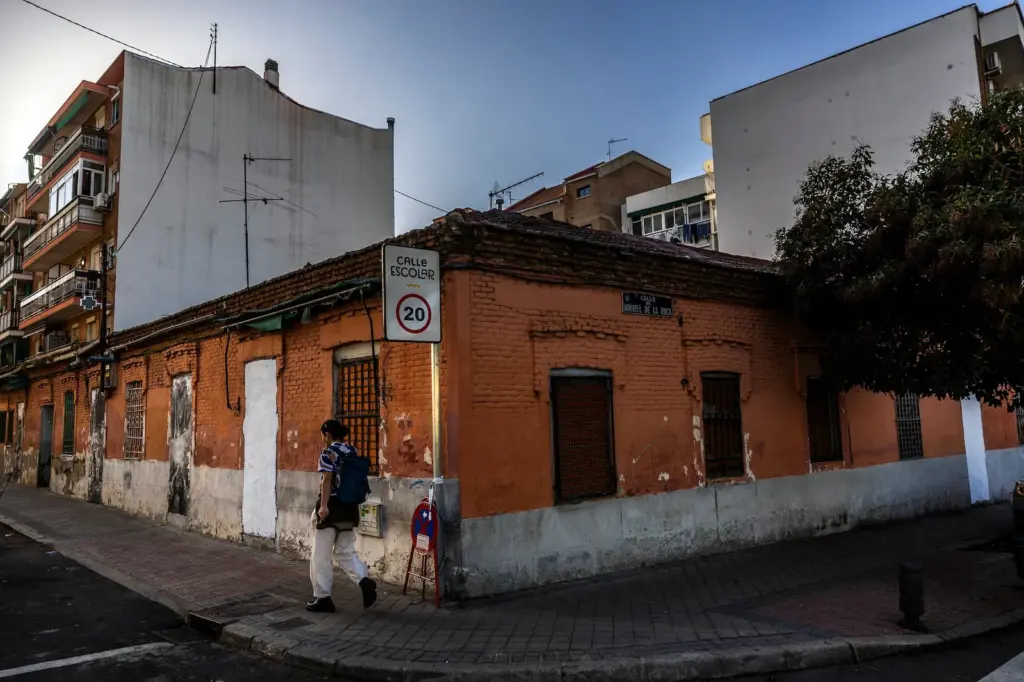
The project got off to a bad start when the council turned its back on the initiative promoted by a platform known as Peironcely, 10, formed by residents and artists who have fought to save from demolition the brick house in Entrevías where Capa took the famous photograph published in 1936 in The New York Times. The City Council is moving forward despite the protests. Although the Council acquired the property for 800,000 euros, the proposed project has no relation to photography, and in that sense, the ICP’s response was forceful, prohibiting the use of its name in this case.
“The City Council’s project is important for Madrid, but it is simply not related to Capa, it has nothing to do with him. Locating it in that building means losing the opportunity to turn the place into something more than a cultural container. There are several spaces in the world that bear Capa’s name, and all of them are related to photography, photojournalism, or committed photography, and this one is not,” she adds.
After decades of abandonment, last month the Madrid City Council announced the creation of a Robert Capa Cultural Experimentation Center. A project aimed at young people at risk of exclusion, promoted by Marta Rivera de la Cruz from the Department of Culture, Tourism and Sport. The project has several lines of work linked to plastic arts, including painting and performing arts workshops (theater and dance), as well as music and composition. A third room would be dedicated to novels, poetry, essays, and screenwriting.
The Ministry of Territorial Policy and Democratic Memory intended to declare it a Place of Democratic Memory, but finally the space will be oriented towards activities for children and young people in the neighborhood where the study of the Civil War has been ruled out. The 400-square-meter center was acquired by the City Council in 2021, but the poor condition of the property has delayed its launch. After an investment of more than one million euros, it is expected to start operating in 2028.
“It’s not up to me to decide what Madrid should do. You know better than I do. But when the ICP is asked to use Robert Capa’s name for a project, it seems logical that such a project should be closely linked to his work in some way,” she explains.
Read more The EU and the necessary debate on Israel
Regarding the historical and emotional dimension of the house in Entrevías, Young emphasizes that it is “like a great-grandfather who is still present” and reflects “the neighborhood’s pride in Capa’s role in reflecting the resistance of the people of Madrid during the war.”
All of this, according to the director of the prestigious photographic center, can have an economic impact on the area by attracting tourists —both Spanish and international— who will consume, stroll, and spread the word about the place online. “Fame is not always what a neighborhood wants, but in a moderate way, it can be very beneficial for businesses.”
In this regard, in a recent opinion piece published in this newspaper, Anselm Hartinger, director of the Museum of City History of Leipzig (Germany), joined the criticism of the Madrid City Council for not aspiring to make the place a world reference center for photography twinned with other similar spaces, while highlighting the success of the Capa center in Leipzig. “We have excellent experience using Robert Capa’s photographs as a basis for modern educational work,” he wrote. For the director of the German museum, the Capa House is a fundamental actor in memory culture, with enormous projection and a great tourist asset. “Thousands of people from different countries visit the museum, while workshops with school groups are organized in the annexed facilities, and a publishing house for Jewish culture and history prepares its publications and readings.”
Regarding what Capa would have wanted for the place he photographed during the first aerial bombardments of the capital, Young responds by referring to the Hungarian photographer’s way of life: “He created nothing permanent, beyond his photographs. He never owned a home: he lived in hotels or rented apartments. He didn’t even have a desk. He only had his intuition, his gaze, and his heart. He didn’t think much about the future. His brother, Cornell, did. That’s why he created the International Center of Photography (the institution she directs): to preserve these images, educate about photography, and organize exhibitions,” Young explains.
“I think Capa would have been enthusiastic about something like what the Peironcely, 10 group is doing: a three-part project that combines outreach, education, and material collection. That is the ideal that any cultural institution should aspire to,” she concludes.