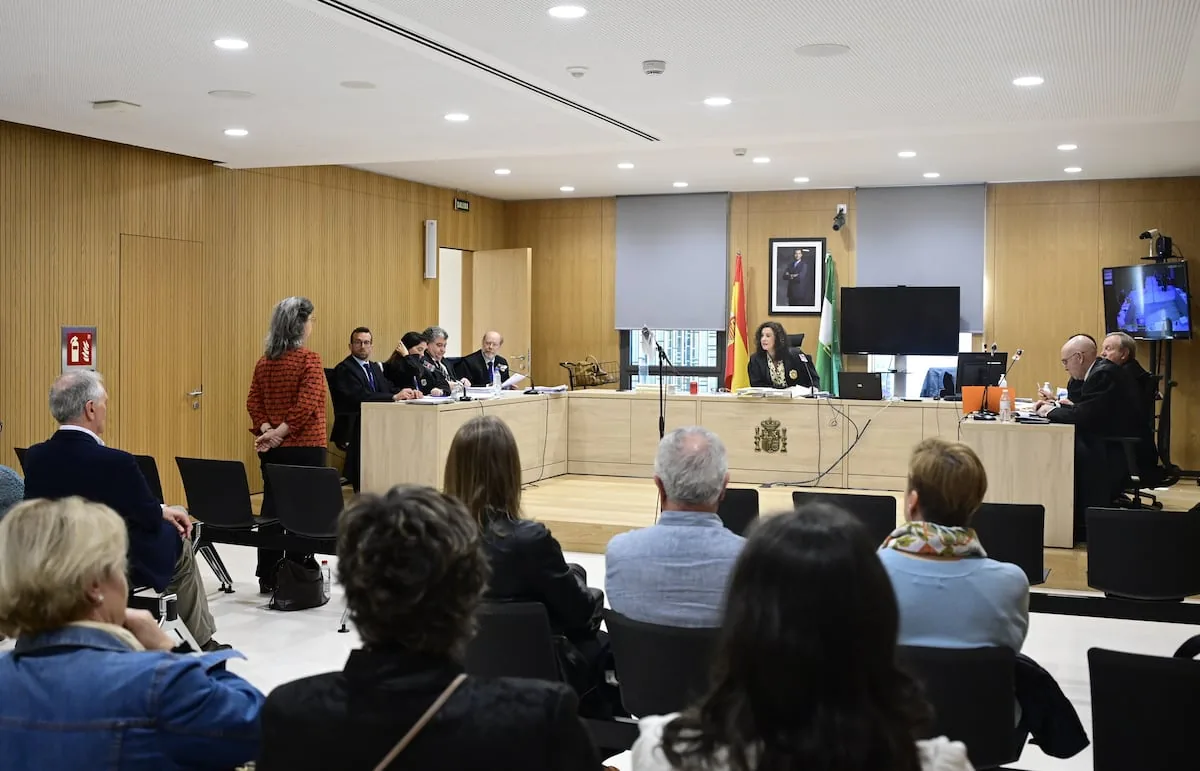









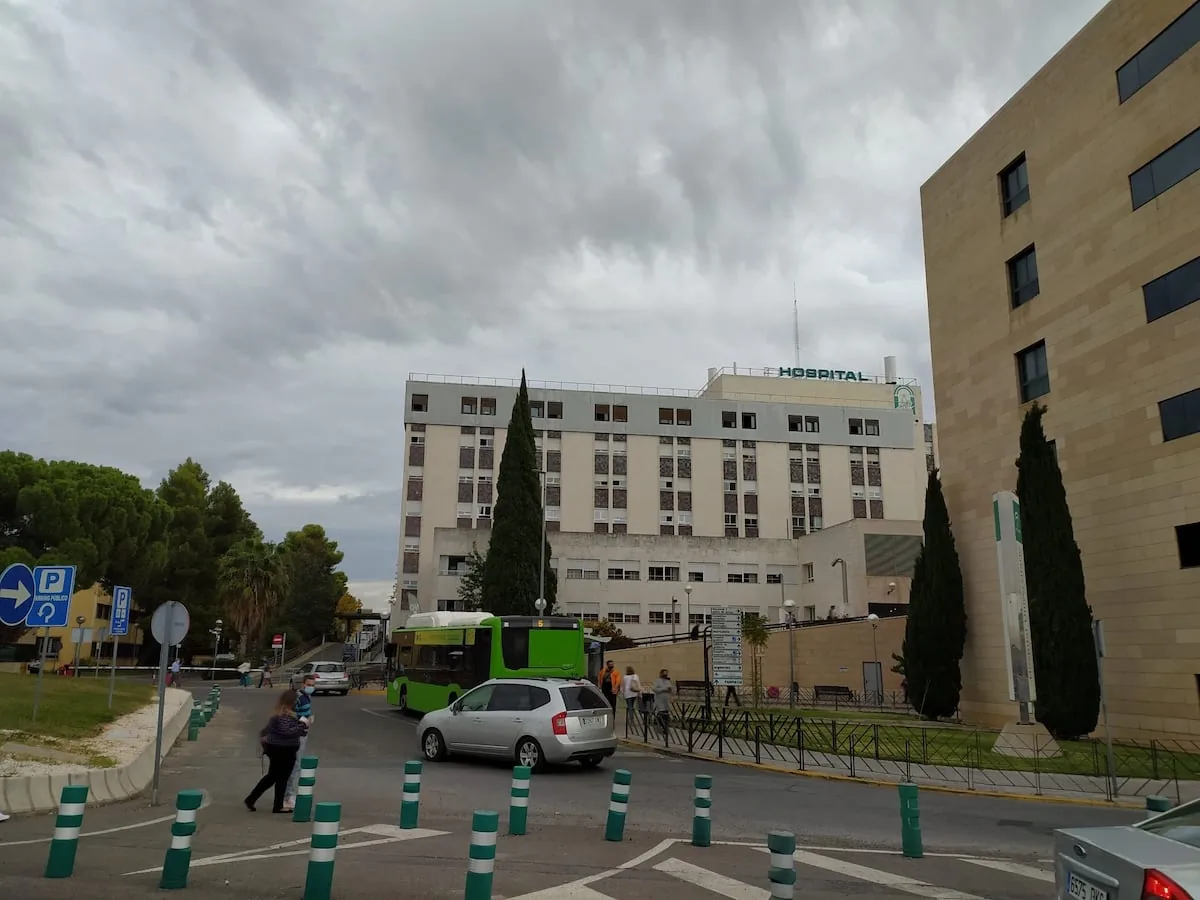
This Thursday, the trial begins in Córdoba for the head of mental health at Reina Sofía Hospital, the psychiatrist with the initials C. P., who faces up to four years in prison for continuously denying assistance to a schizophrenic patient who committed suicide. The eyes and ears of many of the 5,000 Spanish psychiatrists are on the Andalusian city because the process is unprecedented, according to national scientific associations. The doctor sits on the bench for allegedly not establishing follow-up for the patient as set by the hospital protocol. She is accused of negligent homicide and a crime of denial of healthcare assistance.
Read more Interacting with toxic people (especially in family or work) accelerates aging
The deceased patient suffered from schizophrenia, mixed personality disorder, violent behaviors, consumed toxic substances and alcohol, and had attempted suicide on several occasions. The Córdoba Prosecutor’s Office accuses the head of mental health of not considering him a psychiatric patient nor supplying the prescribed medications to alleviate his chronic illness and his “unexplainable aggressive behaviors,” despite other medical criteria and repeated warnings from his family, who reported the case to justice due to the dramatic situation they endured at home and the imminent risk of suicide.
Judge Carmen Gema González, head of Criminal Court 4 of Córdoba, will open the oral hearing which will have three sessions and end next Tuesday. While the Prosecutor’s Office requests four years in prison for the psychiatrist, the private prosecution exercised by the victim’s family has refused to clarify their prison request when questioned by this newspaper. The prosecuted doctor, head of the clinical management unit of mental health at the Córdoba hospital, is defended by the lawyer from the Córdoba Medical Association, who has also declined to comment on the defense strategy in this controversial case.
The patient’s family requested his involuntary admission to a mental health center at an emergency court, so an order was issued to the mental health coordinator for his immediate admission, as his life was in danger. The forensic doctor who examined the patient had ruled that admission was advisable, since the patient had “no awareness of the illness” and was not taking the prescribed medications after being discharged. “The accused, knowing all this, failing in her duty and the most basic rules of prudence, omitted any action in this regard and the admission was not carried out,” the public prosecutor states in the indictment.
The case prosecutor emphasizes that the patient’s condition “gradually worsened” and, despite his insistence on his will to commit suicide, the head of mental health “persisted in the treatment given and refused to provide adequate assistance to a psychiatric patient (…) As a consequence, the patient ended his life,” the document concludes, which also requests to disqualify the psychiatrist for seven years. When his violent episodes subsided, the doctor prescribed follow-up by the general practitioner and outpatient treatment, which the patient ignored.
Both the Spanish Society of Psychiatry and the Spanish Association of Neuropsychiatry assure that there are no precedents of prison sentences for psychiatrists due to malpractice in mental health care. Since its peak with 4,228 suicides during 2022, voluntary deaths have recorded a slight decrease to 3,953 in 2024, according to the National Institute of Statistics (INE).
Read more The ‘Grand Prix’ is the ‘Takeshi’s Castle’ of Indonesian viewers
“Sometimes we feel powerless”
“Suicide is often unpredictable. We have criteria and risk factors that can alert us to a suicidal event, but despite this, there is always a point of uncertainty that can affect the patient’s outcome. Also, we do not have a law for involuntary outpatient treatment for those patients without awareness of illness who could benefit from long-term treatments. This would facilitate the lives of many families and improve stability and prevention of behaviors such as suicide in people with severe mental disorders,” highlights Marina Díaz, president of the Spanish Society of Psychiatry, which brings together about 2,000 practitioners. And she adds: “Sometimes we feel powerless in situations that would require other types of approaches, and neglect can largely come from the care overload resulting from the low number of psychiatrists we have in Spain.”
When the Prosecutor’s Office made public its request for four years in prison, the Andalusian Association of Mental Health Professionals called for deep reflection on the Córdoba case: “The current mental health legislation is based on community and multidisciplinary care, respecting the principle of autonomy of individuals and their informed consent, reducing involuntariness to an exceptional and proportionate use (…) The judge authorizes admission if the doctor considers it necessary and the person is not in a condition to decide, in no case does the judge order hospital admission.”
From this Thursday, this case may reveal keys about the healthcare provided to acute mental health patients, and to what extent it is appropriate to force a patient into voluntary admission, a controversial issue despite the limits set by law and hospital protocols.
The phone 900 20 20 10 is the Anar helpline for children and adolescents. The foundation also provides assistance through chat: chat.anar.org