










Among cardiovascular diseases –the leading cause of death in Spain, with 120,000 fatalities per year, according to INE data from 2023–, myocardial infarction is perhaps its most acute and well-known expression, the one that generates the most fear, but also one of those that concentrates the most innovation. For decades, the affection of this part of the heart –composed of muscle tissue and responsible for the contractions that allow blood pumping– has been synonymous with death or serious sequelae. Today, however, the prognosis has improved significantly for two reasons: advances in intervention methods and subsequent care to improve the patient’s life. “We have always had a motto: time is heart,” summarizes José Tuñón, head of the Cardiology service at the Fundación Jiménez Díaz University Hospital (Madrid). “And to gain heart, we must intervene as soon as possible and with the greatest possible effectiveness.” José Ángel Cabrera, head of the Cardiology service at Quirónsalud Madrid and Ruber Juan Bravo university hospitals (Madrid), emphasizes the importance of what comes after: “Cardiac rehabilitation, which studies increasingly emphasize, saves and improves many more lives than we believe.”
Read more The German government halves its growth forecast for this year due to the war in Iran
From infarction code to angioplasty
Around 70,000 heart attacks occur in Spain each year, one every 10 minutes, according to estimates by the Spanish Society of Cardiology. In many of them, the difference between life and death is measured in minutes. “The time it takes to reopen the artery and restore blood flow determines how much heart is saved,” Tuñón resumes. Cabrera clearly illustrates survival: “We have made great progress in improving the prognosis. A quarter of patients die before reaching the hospital, but when they arrive at the medical center, survival increases to 95%.”
How does a myocardial infarction occur?
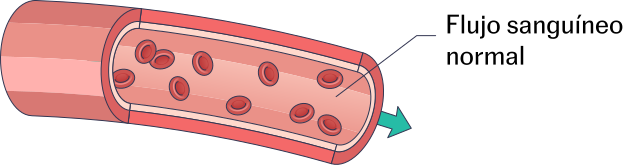
HEALTHY ARTERY
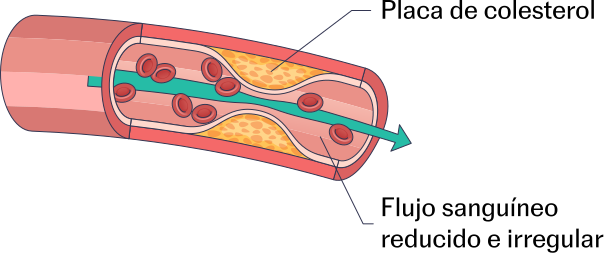
ATHEROSCLEROSIS
Cholesterol plaques begin to form, hindering blood flow
INFARCTION OCCURS
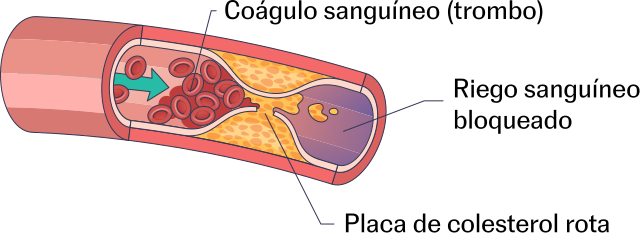
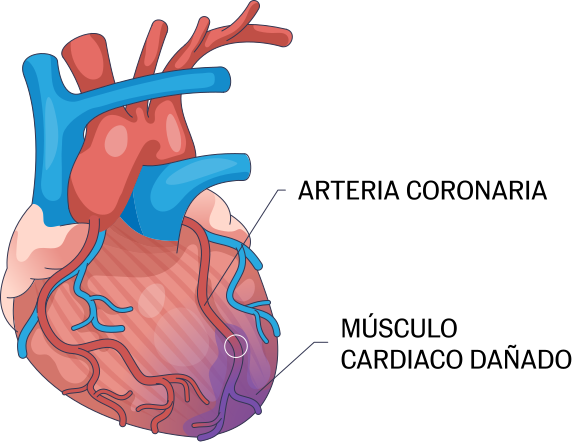
- When a thrombus occurs and blood flow stops, the heart muscle begins to suffer ischemia (lack of oxygen)
- The heart tissue in the affected area necroses and dies. This is permanent and irreversible damage
- This lack of blood flow disrupts the heart’s normal electrical activity and can cause subsequent arrhythmias and cardiac arrest
Several technical advances in addressing heart attacks have contributed to this improved prognosis. Cabrera points out: “Perhaps the most important has been primary angioplasty, a system that has been perfected over time to become a standard today.” The procedure is relatively simple in concept, though specialized in its execution: a catheter with a small balloon is introduced into the occluded artery, the balloon is inflated to widen the passage, and then this opening is secured with a stent (a metallic mesh).
This technique, and any other necessary in the arterial intervention, is activated within the so-called infarction code, a protocol that, in essence, involves all medical agents (ambulances, emergencies, hemodynamics specialists, cardiologists). It is designed to diagnose and treat –reopen and perfuse the artery– myocardial infarction as quickly as possible, always within the first two hours.
“With the infarction code, we have managed to reduce mortality by 50% one month after the pathology occurs”
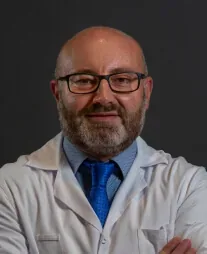
Juli Carballo Head of Cardiology Service at Quirónsalud Teknon Heart Institute (Barcelona)
For Juli Carballo, head of the Cardiology service at the Quirónsalud Teknon Heart Institute (Barcelona), this procedure has marked “a before and after. Within this code, angioplasty is performed in a matter of minutes, with increasing effectiveness and speed. We have managed to reduce mortality by 50% one month after the heart attack occurs, imagine that!” Carballo offers a classic example to explain how this code is put into action: “It is activated with the typical heart attack people imagine: an artery becomes blocked, and the patient goes from feeling well to feeling unwell from one minute to the next. Then a circuit is set in motion that ensures these patients are referred in a sectorized manner and attended to immediately by an on-call team. This ensures that the artery is closed for the shortest possible time, saving myocardium and reducing necrotic myocardium.”
In parallel, techniques to save myocardium have continued to evolve. One of the latest advances is thromboaspiration, the introduction of a catheter that approaches the thrombus area and aspirates it. “This way, we clean the artery with greater precision so that it is completely clear and blood flow can be restored without leaving residues. We have learned that in necrotic or blocked arteries, it is necessary to perform complete revascularization,” says José Ángel Cabrera.
Myocardial infarction, in figures

120,000
annual deaths in Spain due to cardiovascular causes

10 minutes
Every 10 minutes, a heart attack occurs in Spain. That’s about 70,000 per year

7 out of 10
heart attacks can be prevented

One third
of people who suffer a heart attack die before reaching the hospital

90%
of patients survive if they reach the medical center

5 factors
of risk: cholesterol, hypertension, sedentary lifestyle, smoking, and advanced age
Source: self-developed based on consulted specialists
Even so, the prognosis depends not only on the technique but also on the patient’s context and, above all, on the response time. “A young, athletic patient is not the same as someone over 60 with comorbidities like diabetes. The prognosis of a heart attack is not solely decided by the blocked artery but by how much muscle we save and how the myocardium is left. And that depends on the intervention time,” Cabrera emphasizes.
Read more The PP and Vox reach a government pact in Aragon to invest the popular Jorge Azcón
The importance of what comes after
If the infarction code and the advancement of intervention techniques have increased immediate survival, there is another less visible tool that determines the patient’s long-term quality of life: cardiac rehabilitation, an individualized and supervised program that combines exercise, education for a healthy lifestyle, and psychological support. “Cardiac rehabilitation has been shown to reduce mortality by up to 30%, but only 30% of patients have access to it,” Cabrera points out.
“The real treatment begins after opening the artery. Cardiac rehabilitation leads to a clear reduction in mortality and long-term cardiac events. It is the patient’s future”

José Ángel Cabrera Head of Cardiology Service at Quirónsalud Madrid and Ruber Juan Bravo university hospitals (Madrid)
This idea breaks with a widespread perception: that everything ends when the acute phase, the heart attack itself, is overcome. But it is quite the opposite. Carballo corroborates it: “A heart attack marks a before and after in the patient’s life, and the subsequent approach is key to preventing relapses and improving quality of life.” The challenge, therefore, is not so much to demonstrate the effectiveness of rehabilitation as to guarantee access. “It has not been utilized as much as it should be. It requires hospital infrastructure, monitoring, personnel… We need hospitals and centers to allocate resources and spaces so that patients can enter from the very first moment,” the doctor demands.
Prevention, the eternal backdrop
Although technology and medical innovation have improved the prognosis of heart attacks, prevention remains the main pillar when it comes to cardiovascular health. “Up to 80% of heart attacks can be avoided with a heart-healthy lifestyle: quitting tobacco now –which reduces the risk by 50%–, controlling cholesterol and blood pressure, leading an active life, and eating a healthy diet,” summarizes cardiologist José Tuñón. In the chapter on diet, in addition to emphasizing the benefits of the Mediterranean diet, Tuñón stresses the importance of moderation and prudence: “You have to watch the quantities. And eat more vegetables (legumes, greens, vegetables, and fruits), fish… And avoid meats, except poultry, and dairy, always as much as possible.”
“Up to 80% of heart attacks can be prevented with a heart-healthy lifestyle: healthy eating, exercise, quitting smoking…”
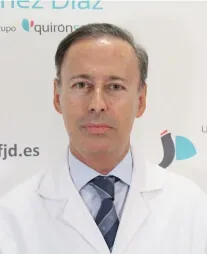
José Tuñón Head of Cardiology Service at Fundación Jiménez Díaz University Hospital (Madrid)
Surviving a heart attack is more probable than ever today, specialists agree. The real challenge is how to live longer and better afterward. This is where the continuous advancement of intervention techniques and the popularization of cardiac rehabilitation, still to be achieved, become of paramount importance. “Saving the heart is just the first step. Keeping it healthy to live more and better years is what makes the difference,” Tuñón concludes.