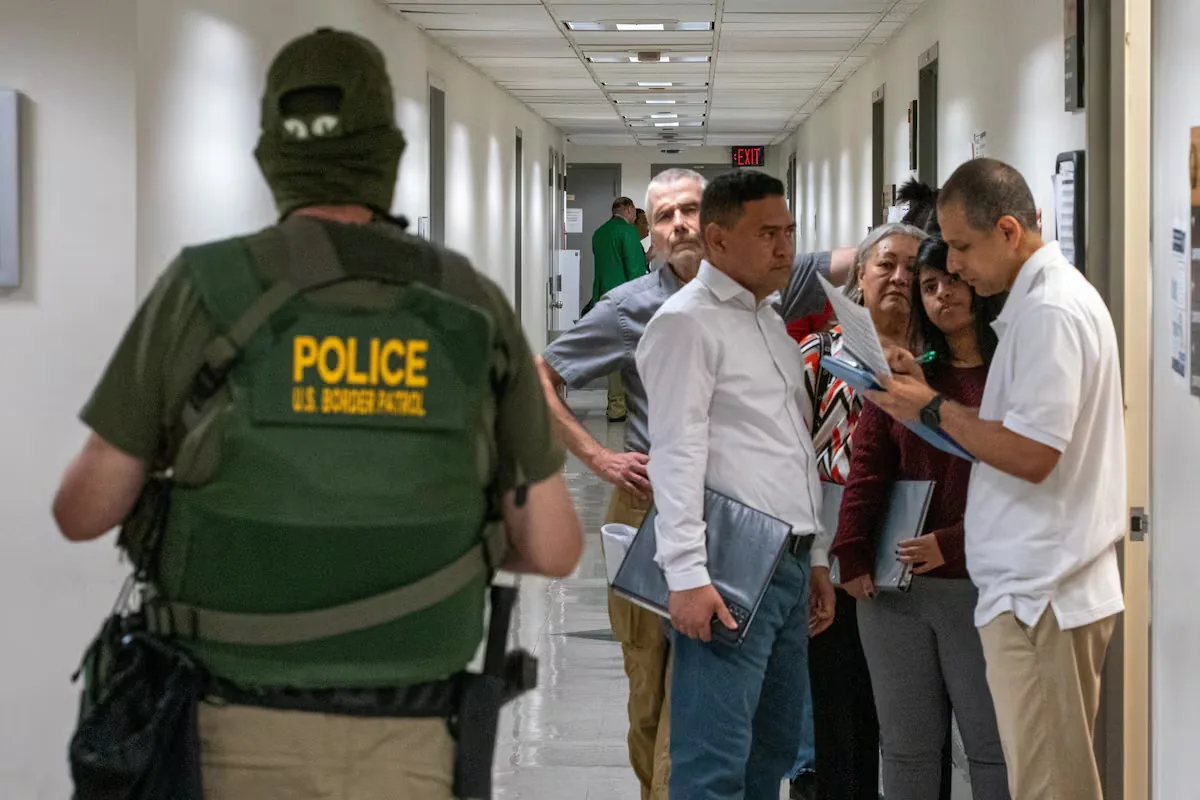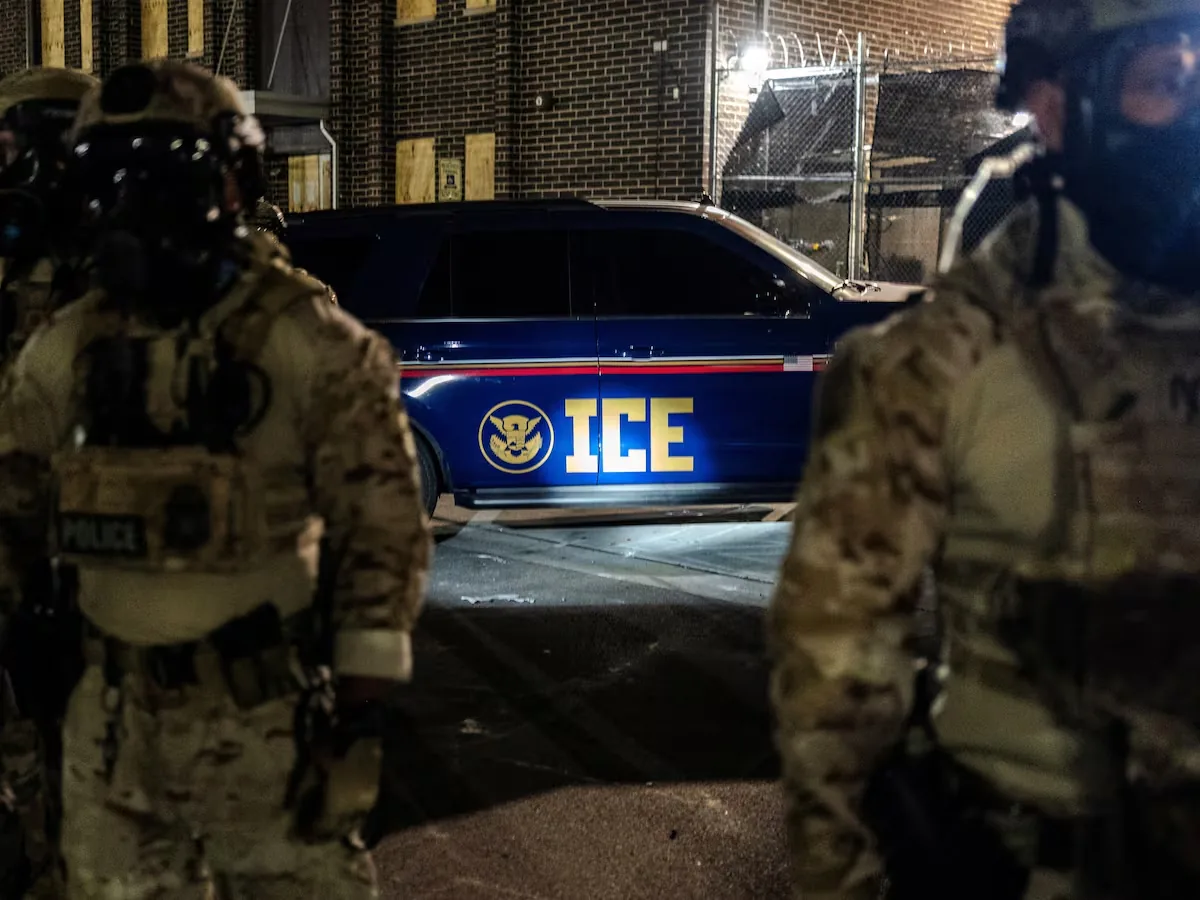






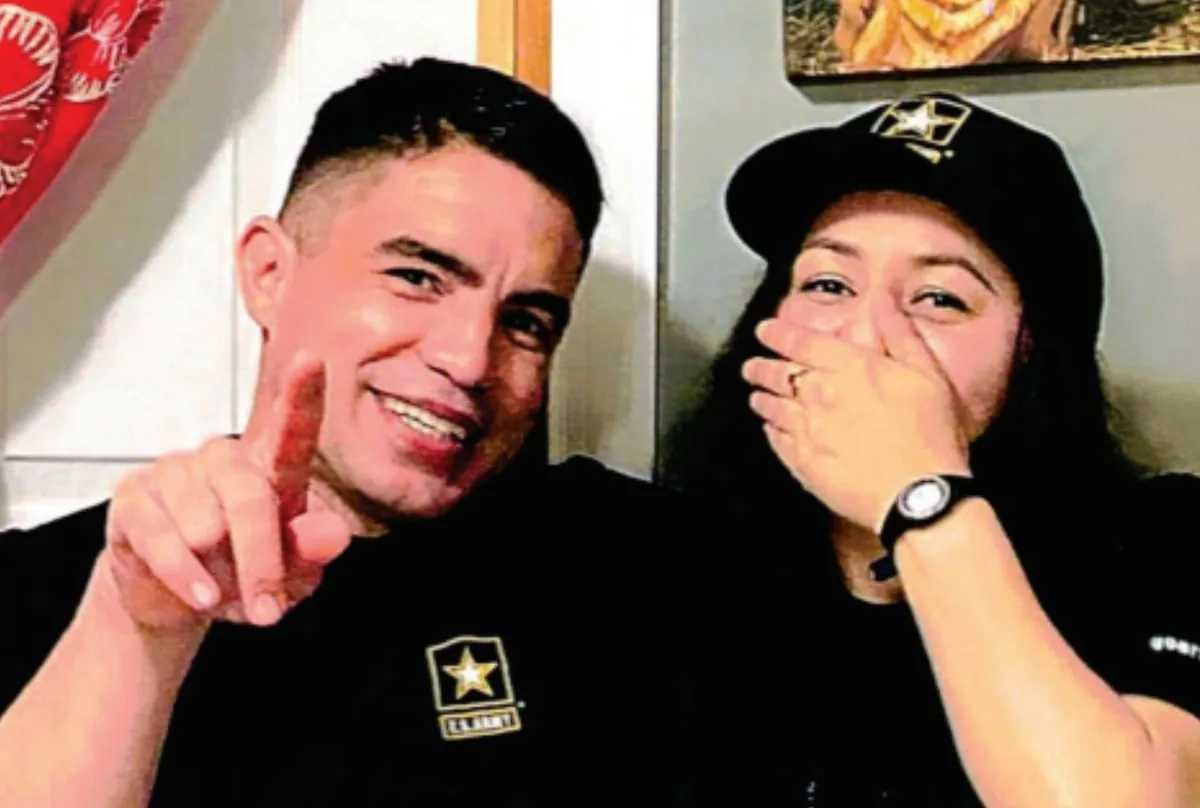
Deisy Rivera Ortega went to an immigration office in El Paso on April 14 with her husband, First Sergeant Jose Serrano, expecting to advance her application to legally remain in the United States. She left in the custody of Immigration and Customs Enforcement (ICE) agents. The appointment was part of the “parole in place” process, a mechanism that has traditionally allowed military family members to regularize their status without leaving the country.
“They just took my wife,” Serrano told the BBC after the incident. The serviceman, with almost 28 years of service and deployments in Afghanistan, described an abrupt scene: after being led down a hallway during the appointment, ICE agents detained Rivera Ortega without warning. “They detained her without any warrant, without any arrest warrant… They took my wife. They’re not telling me anything,” he detailed to Associated Press.
Rivera Ortega, originally from El Salvador, entered the United States in 2016 and applied for asylum. In 2019, a judge ordered her deportation, but at the same time granted her a form of protection known as “withholding of removal,” which prevents her return to her country of origin due to risk of physical harm. That measure also allowed her to remain in U.S. territory, according to her lawyer, Matthew James Kozik, who called her detention “arbitrary and capricious” and emphasized that his client “was following the established rules for what a person is supposed to do.”
However, the Department of Homeland Security (DHS) maintains that Rivera Ortega is an “illegal alien with a criminal record,” convicted of the federal crime of illegal entry. The agency insists that a work authorization does not equate to regular immigration status and confirmed that she remains in ICE custody awaiting her removal. Although it has not detailed where she will be sent, both the defense and her husband assert that authorities have considered deporting her to a third country, such as Mexico, despite her having no ties there. “We don’t know anyone in Mexico,” Serrano told CBS.
The arrest is a consequence of recent adjustments in immigration policy under the Trump Administration. In April of last year, the DHS eliminated a 2022 directive that considered a family member’s military service a “significant mitigating factor” when deciding deportation actions: “The fact of military service does not exempt foreign nationals from the consequences of violating United States immigration laws.” This shift has reduced the margin of protection that previously benefited spouses and family members of military personnel and veterans.
For Serrano, the situation is difficult to reconcile with his career in the armed forces. “I love the Army,” he told the BBC, while also distancing the institution from the immigration agency: “It’s not the army, sir. It’s ICE. ICE is out of control right now, sir, and they are taking away the rights we have as soldiers.” The serviceman also described the personal impact of the detention: “Since this happened, I only sleep two hours a day, two hours at night.”
The defense has challenged the detention in federal court and seeks to halt a possible deportation, especially to a third country. Rivera Ortega had a valid work permit and had begun the process to regularize her status through her marriage, celebrated in 2022. Her husband was able to visit her days later at the El Paso detention center, where they spoke through a plastic panel, while the legal future of the case remains undefined.
The episode is not isolated. Earlier this month, another woman, Annie Ramos —wife of a sergeant— was arrested at a military base in Louisiana just days after getting married. “We were doing everything correctly, but instead, they took her from me,” said her husband, Matthew Blank. Since then, Ramos has been released, but her immigration battle continues.