




EL PAÍS launched an investigation into child sexual abuse in the Spanish Church in 2018 and has an updated database with all known cases. If you know of any case that has not come to light, you can write to us at: abusos@elpais.es If it is a case in Latin America, the address is: abusosamerica@elpais.es
Read more Morena ‘in Excel’
───────────
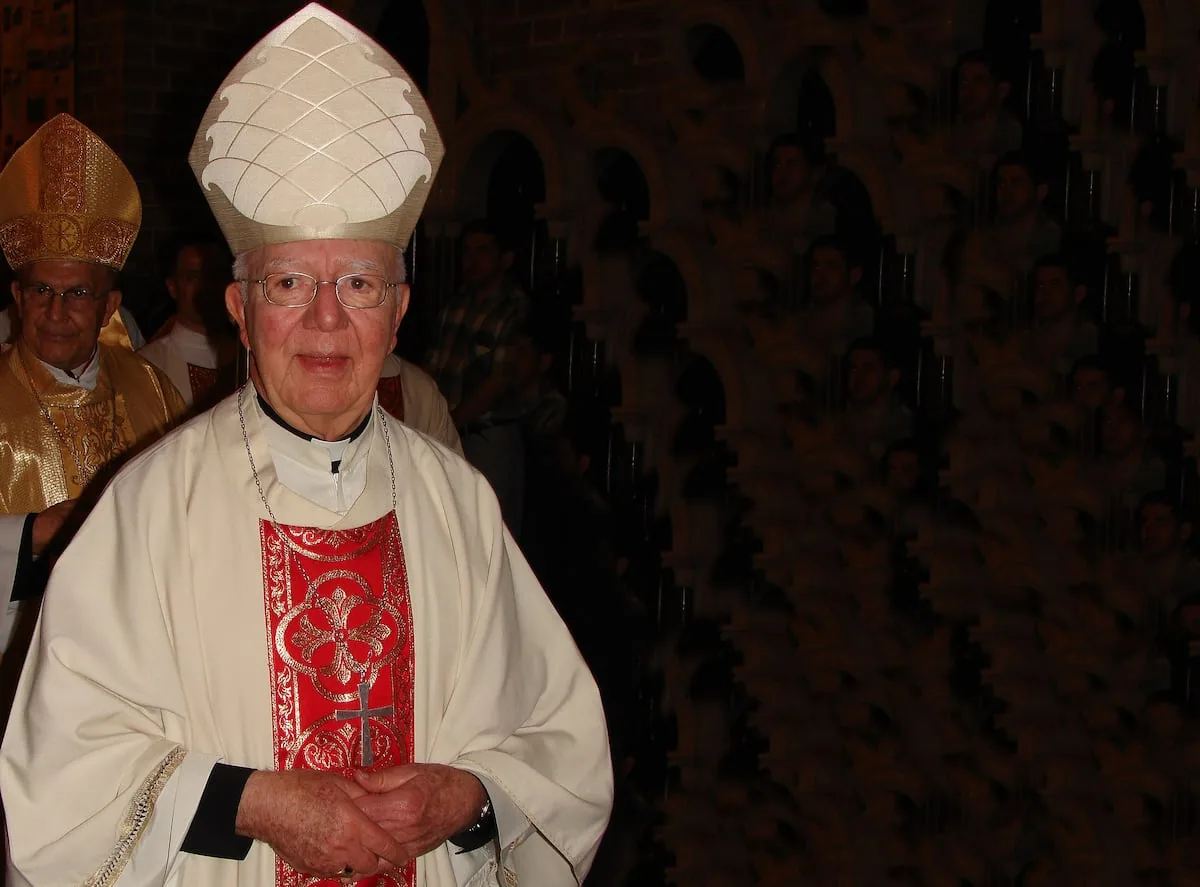
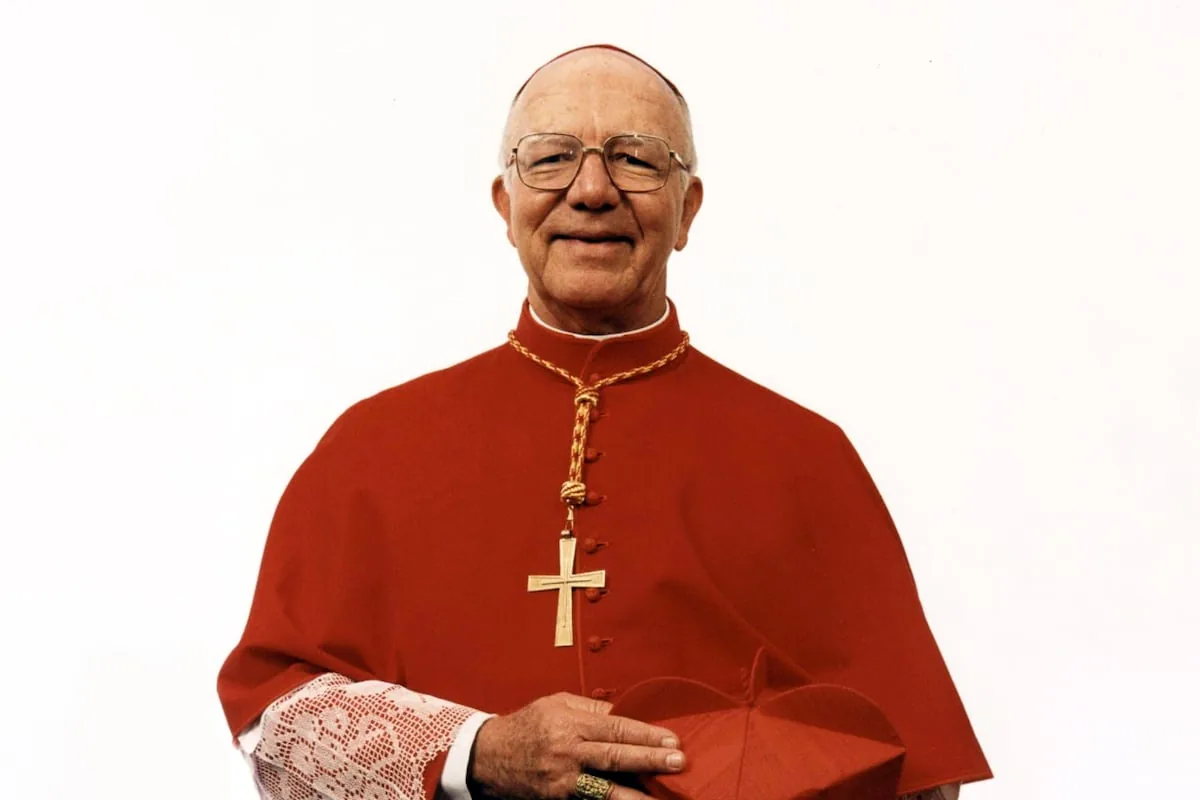
The Archdiocese of Bogotá formally acknowledged that it received a complaint of sexual harassment against the late cardinal Pedro Rubiano Sáenz and that it refrained from initiating a canonical process against him. The admission is contained in a written response sent to EL PAÍS and signed by Monsignor Alejandro Díaz García, director of the Archdiocese’s Office for Good Treatment. The institution justifies the decision by stating that Rubiano “lacked mental faculties” at the time the complaint was processed, which, in its opinion, made it impossible to guarantee him “the right to defense.” The cardinal died in 2024, three years after the complaint formally entered the Church’s internal system.
The Archdiocese’s response directly alludes to the case of a man who identifies himself as Andrés, who spoke with EL PAÍS as part of the dossier that this newspaper delivered to the Vatican regarding abuse complaints in the Church in Latin America. That report, over 100 pages long, compiles 21 testimonies with accusations against 24 clerics and laypeople in eight American countries. Colombia is the country with the most cases: eight testimonies pointing to 13 priests and religious. It is the sixth report of this type that EL PAÍS has delivered to the Holy See —the previous five correspond to Spain, with 841 testimonies— and it does not reveal the identity of the victims, although the newspaper will provide it to ecclesiastical authorities if they open an investigation and the interested parties give their consent.
After speaking with EL PAÍS, Andrés expanded his testimony on Caracol Radio, where he revealed new details about a process that spans more than two decades. According to his account, he tried to present his complaint directly to the Vatican in 2000, without receiving any response. More than twenty years later, in 2021, he formally resumed the process when he learned that the Archdiocese of Bogotá had created the Office for Good Treatment, an office specifically designed to handle this type of case. Andrés also stated that he had contacted the apostolic nuncio, several journalists, and other complainants, without any of these efforts yielding any progress.
Rubiano Sáenz was the highest-ranking Colombian Catholic ecclesiastic in recent decades. Born in Cartago (Valle del Cauca) in 1932, he was Archbishop of Bogotá and Primate of Colombia between 1994 and 2010, and cardinal since 2001, when Pope John Paul II elevated him to that rank. During his archiepiscopate, he also served as president of the Episcopal Conference of Colombia for two terms and participated in the conclave that elected Benedict XVI in 2005.
Read more Claudio Castro, alcalde de Renca: “Todo está más caro en Chile, hasta cortarse el pelo”
Three fronts, one result
In its written response, the Archdiocese details that its victim care protocol includes three fronts of action. The first is human care: psychological and spiritual accompaniment for the person, active listening, and permanent information on the status of their case. The Office for Good Treatment states that it offered this care to Andrés.
The second front is the civil course, which the archdiocese describes as the obligation to “promptly notify the competent civil authorities of the case.” The institution indicates that it filed a complaint with the Attorney General’s Office in May 2021.
The third front, the most relevant for the purposes of the internal process, is the canonical course. It was precisely in this area that the case reached its limit: both the Ecclesiastical Tribunal and the Congregation for the Doctrine of the Faith —the Vatican body responsible for abuse cases— determined the impossibility of proceeding, with the same argument: the accused’s inability to exercise his right to defense. Rubiano died in 2024.
The Archdiocese’s response shows that Andrés formally filed his complaint more than five years ago and that there was no substantive progress in the church’s internal process that could bring him closer to any form of justice or truth about what he experienced.
Read more Tech Week on Amazon: the 10 deals that are really worth it