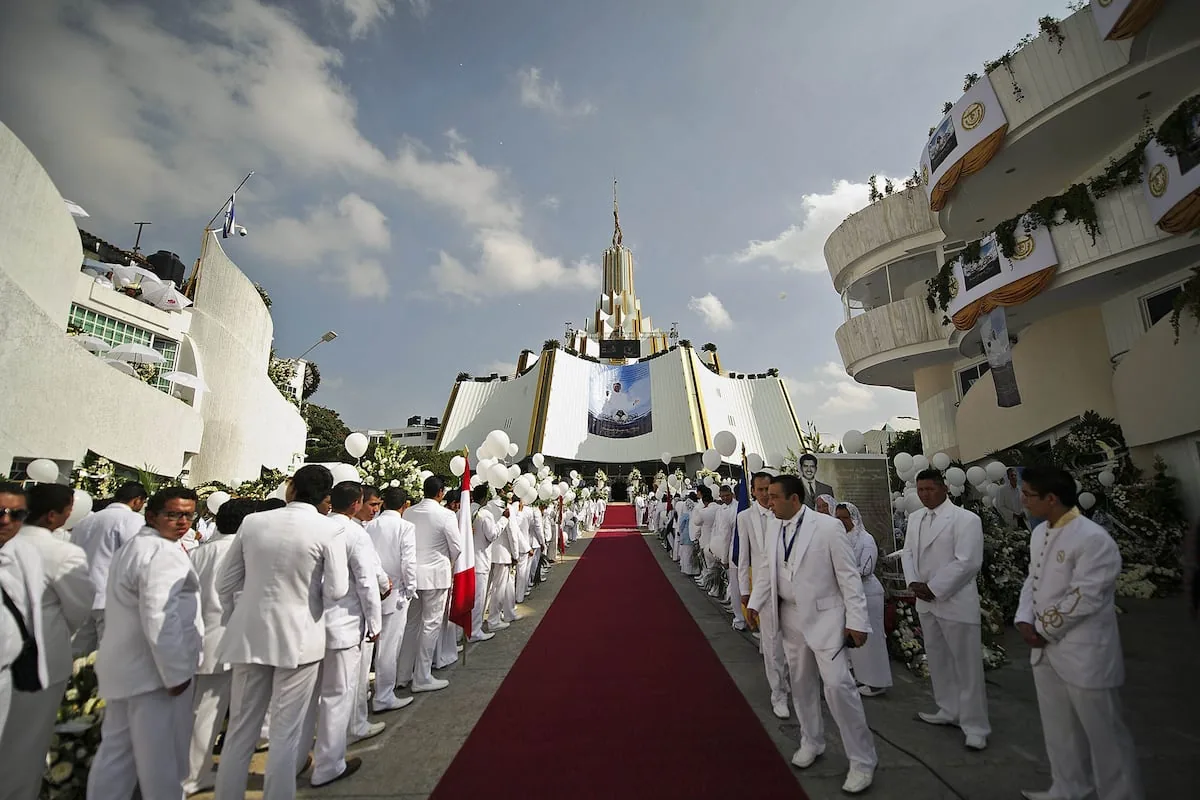






Naasón Joaquín, leader of the evangelical church La Luz del Mundo, is sentenced in the United States for sexual abuse of minors and faces new federal charges for organized crime, sex trafficking, and child pornography. The justice system of the North American country defines the congregation as a sect and links it to money laundering activities. In Mexico, on the other hand, the Attorney General’s Office (FGR) closed a seven-year investigation, claiming it found no elements to prosecute any crime. The victims of the Apostle of Jesus Christ, as his followers call Naasón Joaquín, feel the door slammed in their faces. “I feel deceived. They stole my hope,” says Sochil Martin in a phone interview. “The problem is that in Mexico there is a marriage, a pact, between the Government and La Luz del Mundo,” she reproaches.
Read more Video analysis | Venezuela faces the weight of expectations about its economic future
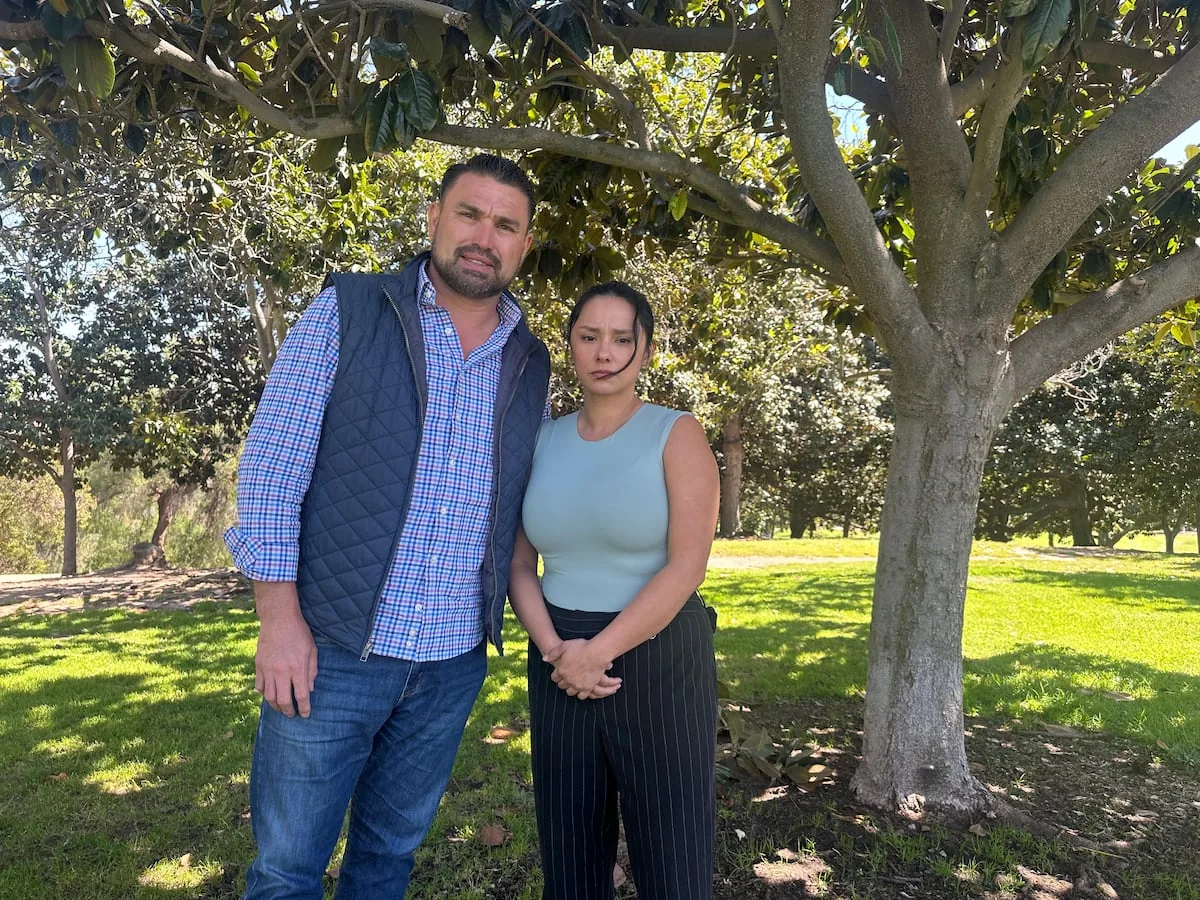
Martin and her husband, Sharim Guzmán, aged 40 and 41, were the first to raise their voices to denounce the crimes committed by the leaders of the evangelical congregation. Their accusations have reached the authorities and have also come to public light; they have accompanied other victims, encouraging them to report; they have exposed the links of church members with the political and judicial apparatus; with constant travel between Mexico and the United States, they have devoted much of their lives to seeking justice in both countries. For this reason, they feel betrayed by the decision made by the FGR a few days after Ernestina Godoy, a very close official to Sheinbaum, took office as head of the agency.
This week, one day after EL PAÍS revealed the closure of the Prosecutor’s Office investigation, the president referred to Godoy as “a historic feminist and a lifelong defender of human rights.” Martin, who challenged the FGR’s resolution in court, questions: “It is easy to call anyone a feminist.” The activist criticizes that the prosecutor, who has been in office for four months, did not seek contact with the victims of La Luz del Mundo before shelving the investigation. “She didn’t care,” she complains. “She literally has all the power in her hands to do justice for many people. I have a daughter and I worry about the childhood inside [the congregation]. What the president said is a vile lie,” she asserts.
The FGR notified Martin at the beginning of January of its resolution not to prosecute the church leaders accused, confirming the cloak of impunity they have enjoyed in Mexico for decades. The accusations in the US portray how La Luz del Mundo operated based on the financial and sexual exploitation of its believers, who were instilled with unwavering obedience to the church leader, from Naasón’s grandfather—the founder—through his father and finally to himself. When Naasón was arrested in the US in 2019, the evangelical church used its religious influence and financial power in Mexico to intimidate and coerce victims into silence. Additionally, Naasón’s accomplices destroyed evidence.
An empire like that would not be explained without the links of the leaders with the political elite, first in Jalisco, where the church was born, and now at the federal level, which Martin and Guzmán have persistently denounced. Some influential figures of the congregation have risen to the forefront of politics hand in hand with Morena, the ruling party, such as former deputy Hamlet García Almaguer and senator Emmanuel Reyes Carmona, both strong defenders of the innocence of the Apostle of Jesus Christ. Other people linked to the church ran for judgeships in 2024 and won the elections. García Almaguer, in fact, tried to become attorney general. “They are La Luz del Mundo’s quota in Morena, and from there they cover up the sect,” Guzmán states. “They are like unions, giving money and votes, and in return receive representations.”
Last September, the couple took advantage of President Sheinbaum’s visit to Mexicali, Baja California, to deliver, through an emissary, a letter asking her to urge the FGR to present the case to the judges after seven years of waiting. “We are concerned about the integrity of the victims who have escaped and those still inside this organization,” they said in the letter, which also accused that “in recent years” they had not been informed of any progress in the investigations by the Prosecutor’s Office. Guzmán details in the interview all the obstacles imposed by the FGR authorities, for example, not receiving them at their offices, or summoning them in Mexico City with barely two days’ notice—they live on the border with the US—and without providing per diems. “The investigation file did not advance because they wanted it that way, because they had the evidence,” he points out.
In the letter to Sheinbaum, they urged her to prevent Mexico from “becoming a space of impunity in the face of transnational crimes.” Guzmán regrets the protection of the evangelical church leaders in Mexico and the lack of protection for the victims. “I would ask the president to break the pact they have with La Luz del Mundo, both in her party, Morena, and in the institutions,” he asserts. Martin is less optimistic: “I am tired of pretending there will be justice in Mexico. But, at least, I hope the president makes a little change and leaves that position with some integrity.”
Read more Political violence and the rule of law