









Perhaps, of all the unique characteristics of video games, resurrection is the most distinctive. Resurrection, which has led to the very important concept of trial and error (which video games have managed to export to many conceptual fields), has become the cornerstone on which the single-player video game experience is built. You start playing a game and upon losing, you happily discover that mistakes are not punished. Or rather: they are punished — with time and effort — but not with irreversibility; when a character dies in a series, book, or movie, they die forever. In video games, the protagonist’s death is just another stage in the narrative process. A stage that, fortunately, the best designers have cleverly applied.
There are games that have used this concept in creative and even counterintuitive ways, fostering very interesting evolutionary gameplay leaps. In much of the soulslike genre, for example, when you die once your experience remains at the point where you fell; and only if you die a second time before returning and recovering it do you lose it completely. Some deaths barely cost the player seconds (usually in platform games), and others involve long loading times to force us to take our life more seriously. And then there are the so-called roguelike games, where, upon dying, you lose immediate progress and must start over with randomly generated scenarios, enemies, and items. Saros, the latest and exceptional member of this genre, has just arrived on the market.
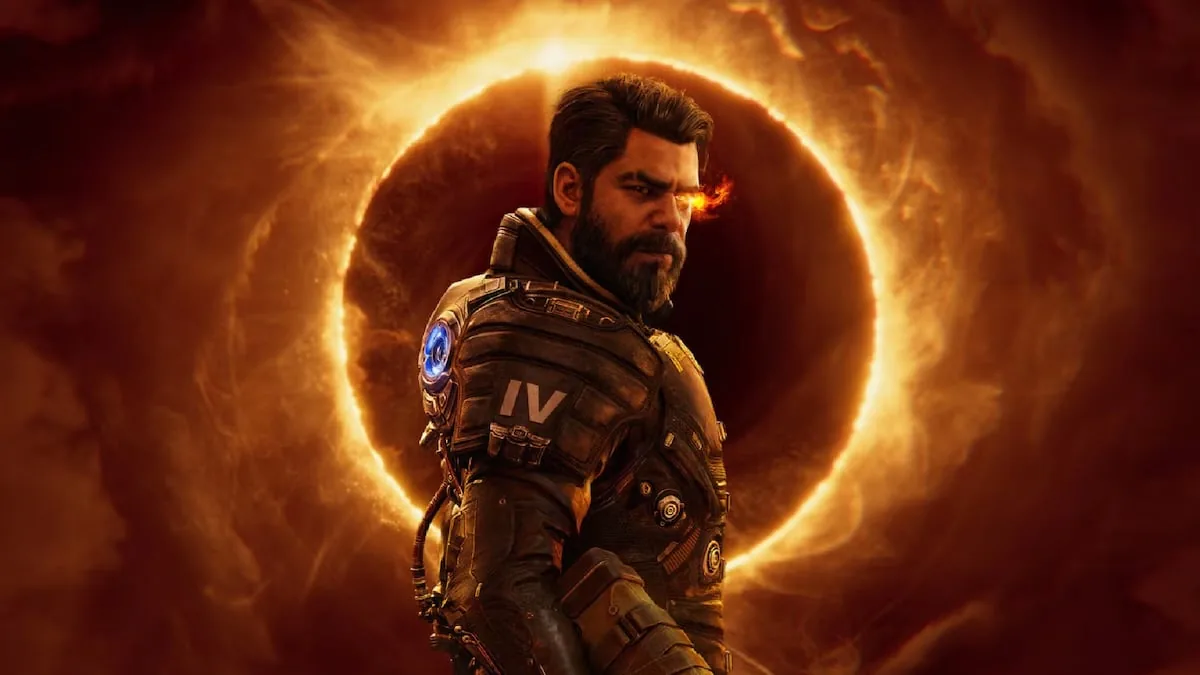
But, as in the game itself, let’s go back a little in time. In 2021, Returnal was released for PS5. Published by Sony, it was a third-person shooter with roguelike elements in which an astronaut was trapped on an alien planet where, every time she died, time reset, forcing her to advance in a constant loop while investigating how on earth to escape that hell. With all the good things Returnal had, it must be acknowledged that it was coffee for very dedicated gamers. The difficulty was very high and the narrative twist it proposed was downright cruel for the player’s expectations, who thought they had beaten the game when they still had a good part ahead. Saros, in which we are also an astronaut on a hostile planet trapped in a time loop, distills the best virtues of that game, but does so in a much more digestible way: it is a challenging game, but more forgiving to the player. Narratively there is a connection between the two; also in style, atmosphere, and gameplay. Saros fits perfectly into that vague label of spiritual successor.
Read more We test the best USB desktop fans of 2026
In short, Saros does a great job and ranks among the best of what we have seen so far this year. The only drawback that can be pointed out about the game is… the game itself. Borja Ruete commented in his exhaustive 2021 review of Returnal that, although it was a great game, it was not for him. That can happen with all artistic and cultural creations, and not only to consumers but also to the creators themselves: Tarantino cannot stand the good actor Paul Dano and Ferran Adrià hates (like the author of this text) red pepper. With roguelike games, that rejection, percentage-wise, multiplies, because it is a genre with a series of tropes (repetition, oppressive space, the feeling of constant progress loss and often injustice) that understandably puts many people off. The genre itself is a barrier to entry, but if overcome, one finds a very stimulating experience. Again and again and again and again.