





The multinational beverage company Coca-Cola will only be able to extract a portion of the water it bottles from seven springs located in La Calera, a small municipality north of Bogotá. The Regional Autonomous Corporation (CAR) of Cundinamarca, the highest environmental authority in the department, resolved this Wednesday to allow Indega, Coca-Cola’s bottling company in Colombia, to use only four of the water sources with which it produces more than 400,000 bottles a day. The permit will be valid for five years, not the 10 requested by the company, a decision that CAR has justified to guarantee human supply in the face of the effects of climate change.
Read more Highlights of Pardo de Vera’s statement in the ‘mask case’
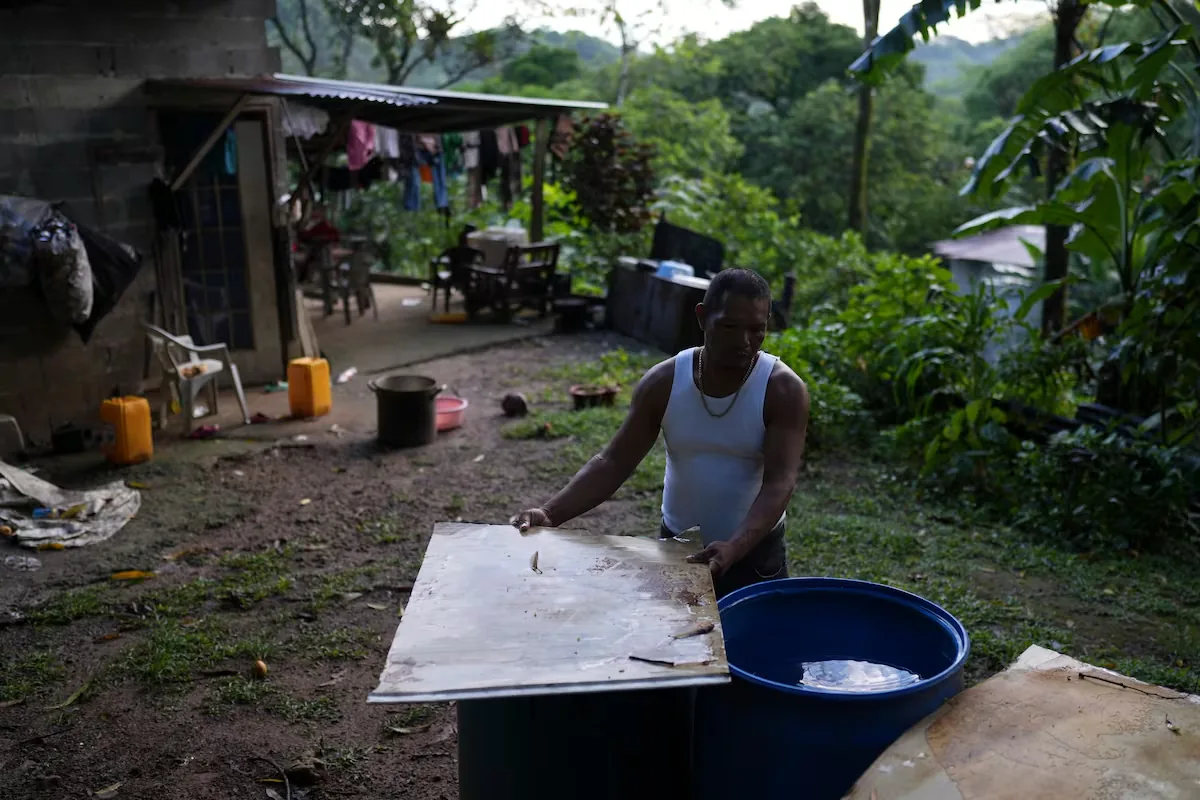
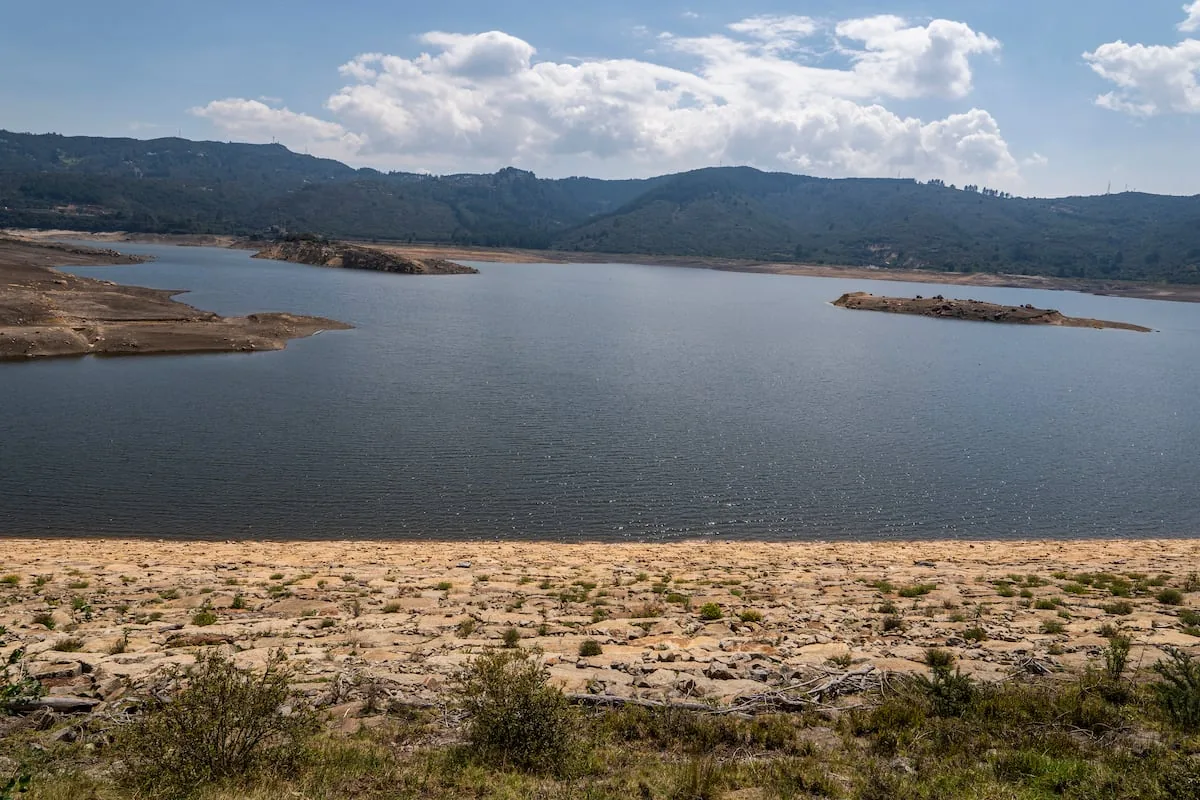
The decision is a blow to Coca-Cola in a lawsuit that has been ongoing for more than a year. The origin dates back to the concern expressed in 2024 by the population of La Calera, about 30 kilometers from the capital of more than eight million inhabitants, over the lack of water. Part of the community requested in the first half of 2025 that the environmental authority deny the extension of the concession allowing the exploitation of the seven springs in a forest reserve of the Santa Helena hamlet. The wells have been in use for 40 years, but their use began to generate debates after the drought that affected the center of the country and forced Bogotá to ration water throughout the city.
Now, CAR has made an intermediate decision between the company’s request and the demands of the residents. It has granted an extension of the concession, but with significant reductions. Indega will not be able to continue exploiting three of the seven groundwater wells, reducing extraction by almost half: it will go from 3.2 liters to 1.9 per second. Additionally, the environmental authority has decided that the permit must be reviewed again after five years of the exploitation license and has tightened monitoring. The entity will closely follow water extraction and periodically review compliance with the new extraction limits.
Alfred Ballesteros, general director of CAR, explained that the decision was made solely based on objective arguments and dismissed any political influence. “It was the result of a technical analysis of hydrological studies conducted over several months that led us to conclude what the water balance was,” he said in an interview with Caracol Radio, where he detailed that climate projections and the effects produced by climate change were also taken into account.
“It must be guaranteed that the use of the water resource is primarily for human consumption. In the event of an extreme drought phenomenon, extraction must be immediately suspended,” Ballesteros warned. Colombia fears that the El Niño phenomenon, which will strongly impact the national territory in the second half of the year, will be one of the most intense. The Institute of Hydrology, Meteorology and Environmental Studies (Ideam) has warned that historic temperature records are expected, which could cause water shortages and forest fires.
The general director of CAR also highlighted that this resolution “is a milestone in the resolution of socio-environmental conflicts in Colombia.” “It is an example of how environmental authorities must make decisions based exclusively on technical analyses and hydrogeological studies,” he added in a video shared by the entity.
In addition to the new limits, CAR has demanded new environmental compensation terms for the license extension. The entity requires the company to acquire 53 hectares of paramo for conservation, implement works for the municipal aqueduct — which is not fed by those wells but by other sources — and involve the community in flora and fauna conservation programs in the area.
Currently, Coca-Cola’s bottling plant in Colombia produces more than 400,000 bottles of water a day, under the Manantial brand. This decision opens two paths for the multinational: either reduce volume or find new water sources.
Read more More than one million European citizens sign to urge Brussels to sanction Israel for the war in Gaza