









The definitive inflation data for April, confirmed this Thursday by the National Institute of Statistics (INE), partially enables the deactivation clause that the Government included in the response plan to address the economic impact of the war in the Middle East. The mechanism conditioned the continuation of energy tax cuts on the price evolution in April, so that if the inflation of each component did not exceed certain thresholds, the aid would automatically cease from June. The figures published by the INE present a mixed scenario. The measures related to fuels will remain in effect until June 30 ― regardless of whether they may be extended later ― while those associated with electricity and natural gas will be withdrawn from June 1.
General inflation moderated in April to 3.2% year-on-year, two tenths less than in March, while core inflation fell to 2.8%. According to the Government, this evolution reflects the cushioning effect of both the anti-crisis package and the high penetration of renewable energies in the electrical system. This price drop is what now precipitates the withdrawal of part of the aid.
Electricity and gas
From June 1, the VAT reduction on electricity, which had dropped from 21% to 10%, will cease to apply; the reduction to 0.5% of the special electricity tax and the reduced VAT for natural gas, pellets, briquettes, and firewood.
The Government will maintain, at least until June 30, the temporary suspension of the tax on the value of electricity production (IVPEE), the 7% levy paid by generating companies that is usually passed on to the final electricity price.
Read more A court orders the imprisonment of Zelenskiy’s former number two for money laundering
Fuels
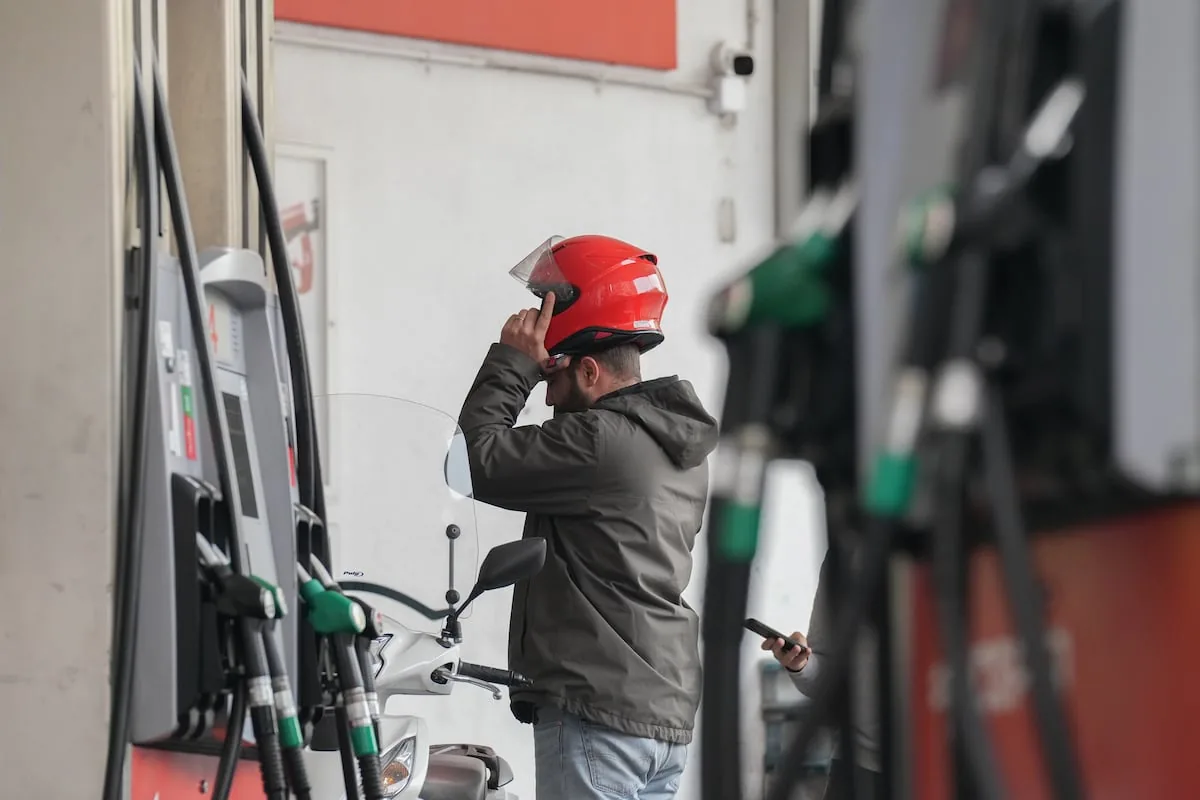
The scenario is different in the case of fuels. The annual variation in fuel prices recorded by the INE far exceeds the 15% threshold set in the royal decree-law, which served as the limit to deactivate the reductions. Therefore, since prices have risen, the main fiscal measures for gasoline and diesel will remain in force during June.
These include the reduced VAT of 10% for gasoline, diesel, and biofuels; the reduction of the special hydrocarbon tax to the minimum allowed by the European Union; and the partial refund of professional diesel for transporters. The Government maintains that without these measures, fuel inflation would have reached 28.9% in April and that the plan has allowed it to be moderated by more than 16 percentage points.
Beyond these changes, the rest of the response plan will remain operational. Direct aid to farmers, transporters, livestock farmers, and fishermen remains; the strengthening of the social electricity bonus ― with discounts of 42.5% for vulnerable consumers and 57.5% for severely vulnerable ―; bonuses for the electro-intensive industry; facilities to adapt energy contracts and tax deductions linked to electrification and renewables, such as the installation of solar panels, heat pumps, or charging points. The cap on the price of the butane cylinder and the strengthening of supervision by the National Commission on Markets and Competition (CNMC), which monitors that fuel tax cuts are not passed on to the final price, will also continue.