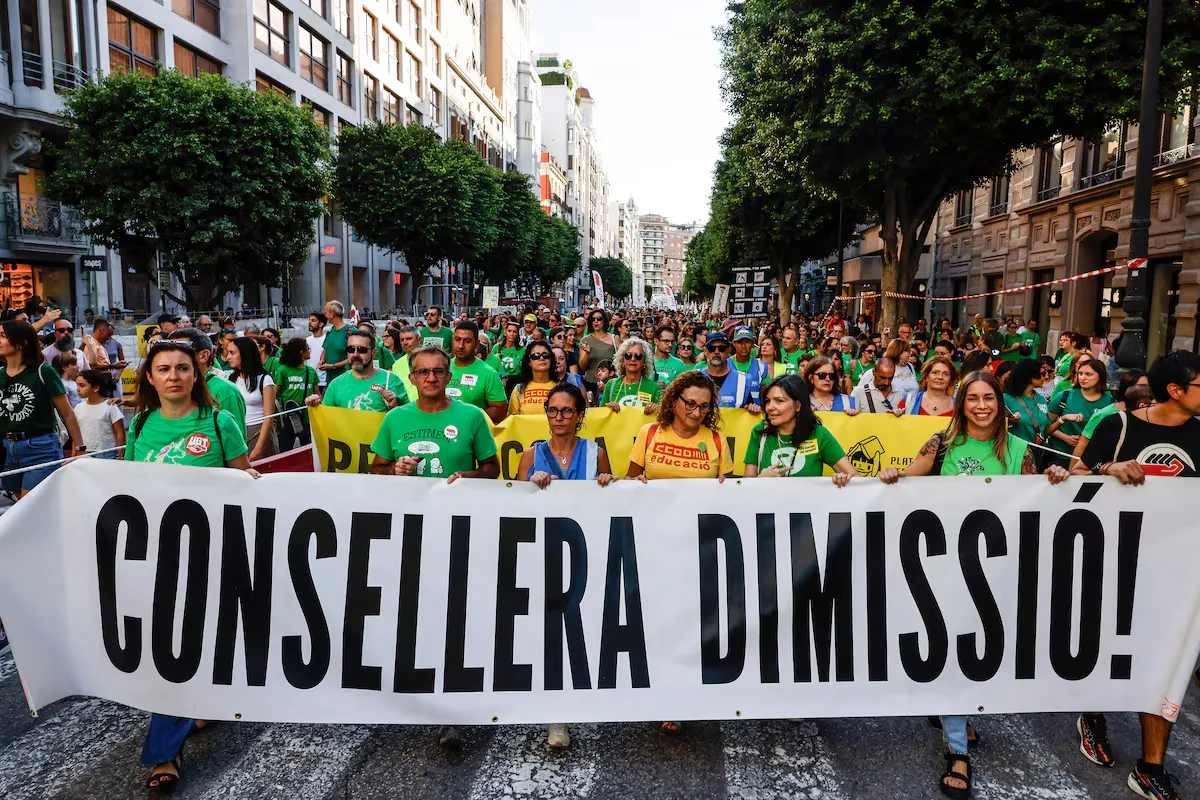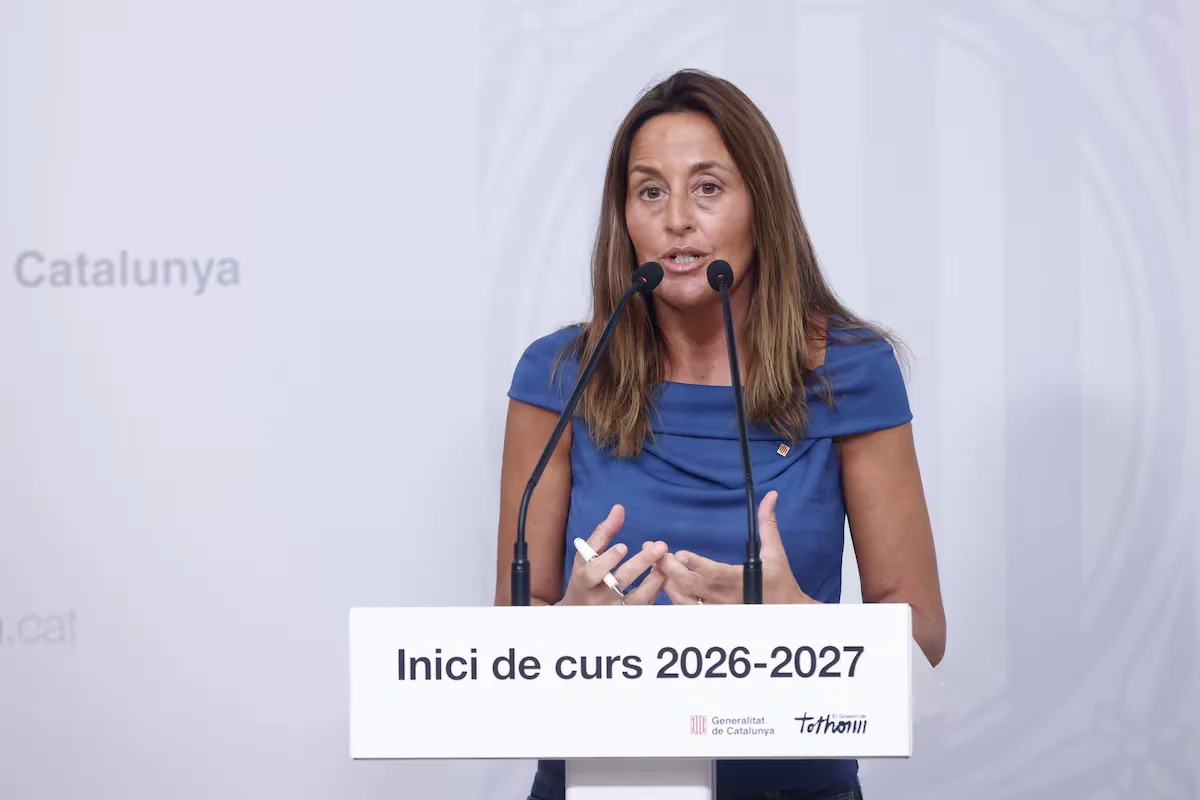





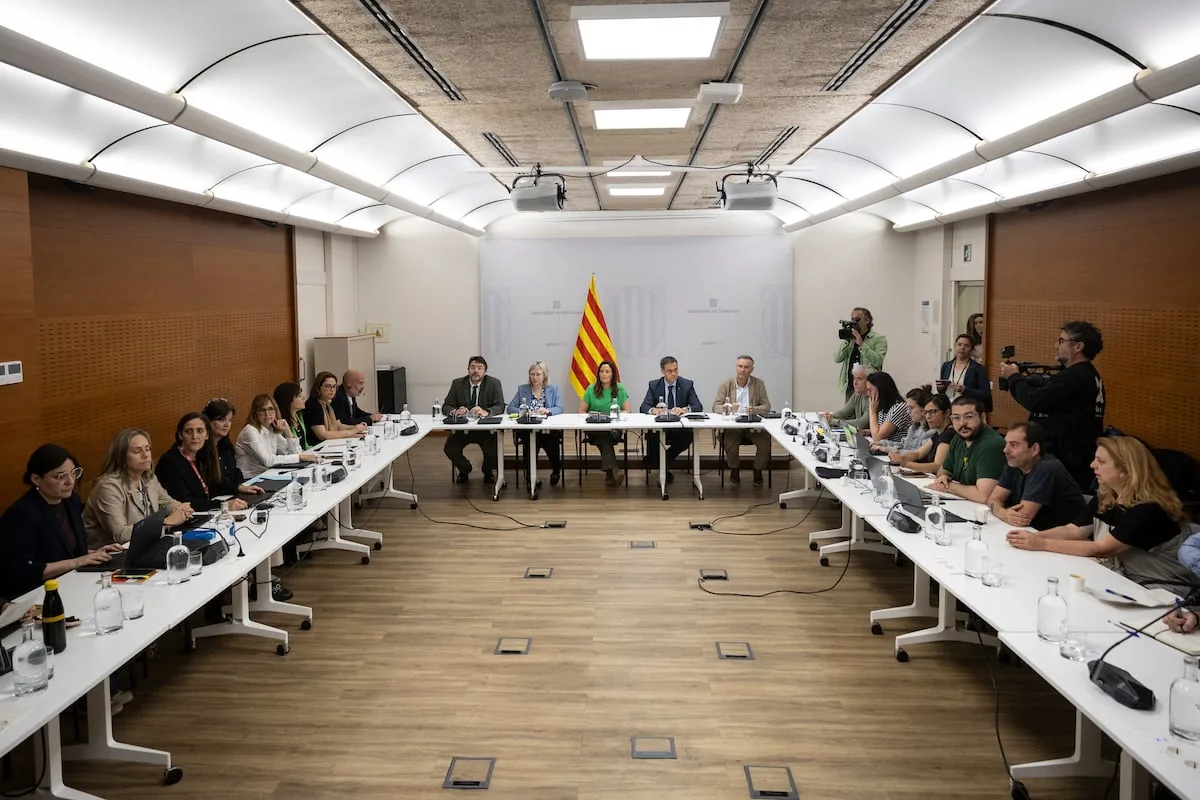
The meeting between the Generalitat’s Department of Education and the educational unions ended without an agreement, but the positive aspect is that they have agreed to continue negotiating next Tuesday. However, the unions have already warned that if Education does not present a proposal to increase salaries – today only an increase of a thousand teachers and educational staff was put on the table – they will not attend the meeting. The Government, for its part, has been ambiguous and has neither wanted to advance nor rule out this salary increase. “We will do everything possible to find a solution by exploring the room for maneuver allowed by the pact signed in March,” said Ignasi Giménez, Secretary of Educational Improvement, after the meeting, which lasted just over an hour.
Read more A court orders the imprisonment of Zelenskiy’s former number two for money laundering
At Thursday’s meeting, the only figures put on the table are an increase of 1,066 people for the next school year. Of these, 645 would be staff assigned to inclusive schooling, which represents a slight increase compared to the 509 announced by the Department of Education last week. The rest would be teachers and administrative staff. But regarding the salary increase, for now, nothing.
Asked whether the Department of Education will present a proposal in this regard for Tuesday’s meeting, Giménez was ambiguous: “There is room in the educational pact of 2 billion to find necessary improvements that allow resolving the educational conflict.” The secretary also did not comment on the possibility of increasing investment, in case the Generalitat’s Budgets are approved in the coming days. Nevertheless, he wanted to send a message of optimism about the negotiations. “We are satisfied because the foundations have been laid to work in the coming weeks and find ways to ease the tension experienced by the educational world,” he concluded.
For her part, Iolanda Segura, spokesperson for Ustec, the majority union, regretted that the Department had not proposed a salary increase and that only additional staff to attend to students with needs was discussed. “We will talk about inclusive education, but we will not give up talking about salaries, which is why we have asked that, for Tuesday, they come with a concrete proposal that also includes the salary issue.” And she warned that if the proposal they receive on Monday does not satisfy them, they will not attend Tuesday’s meeting. Segura assured that the planned strike calls remain in place.
Ignasi Fernández, from Secondary Teachers, says the proposal to increase staff is “ridiculous” and “is like putting bricks on a wall that is falling,” also accusing Education of living in a “parallel reality.” The CGT has raised the tone and called Thursday’s meeting an “insult.” “It is not enough for the Government to apologize and then not get to work,” said Laura Gené, who also demanded “a real proposal” for salary improvement, staffing, and ratios, as well as a schedule to reach an investment of 6% of GDP in education.
For their part, the unions that signed the agreement have also welcomed the resumption of negotiations. Esther Vila, from CC OO, celebrated that all unions are sitting at the table again and recalled that the salary agreement signed in March includes room for improvement, depending on whether the Generalitat’s Budgets are approved. Lorena Martínez, from UGT, says they focus on increasing resources for inclusive schooling: “People are asking us for hands and that they have resources by September 1.” Regarding the salary increase, UGT believes that recognizing the debt is a priority, due to cuts in salary supplements – sexenios – applied during Irene Rigau’s cuts.
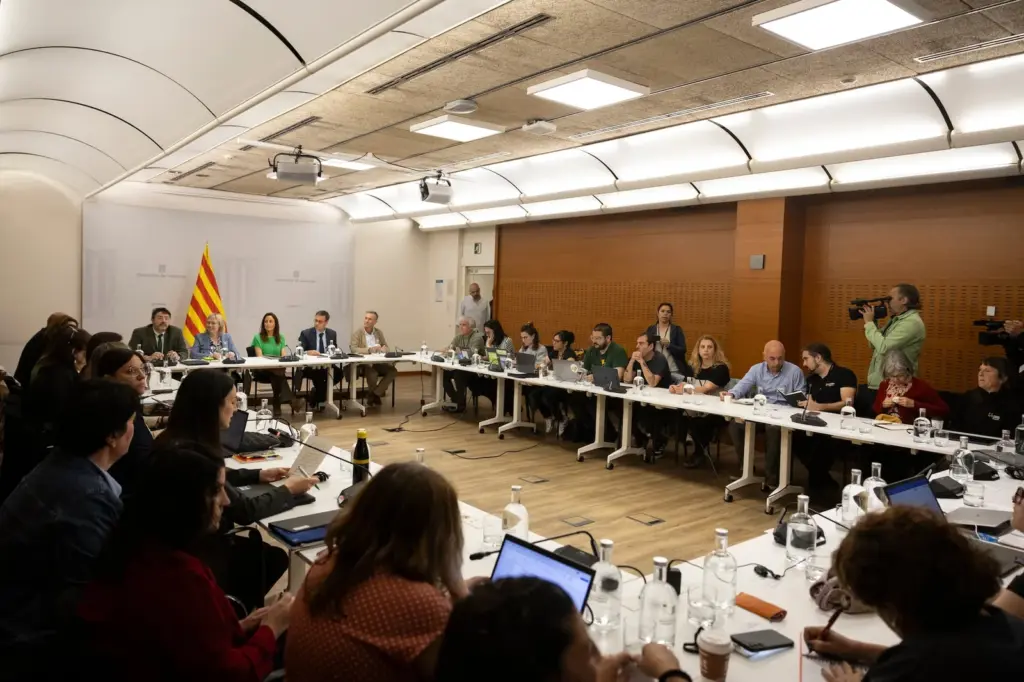
The educational conflict is currently the biggest headache for Salvador Illa’s Government in Catalonia, but for several months it has become entrenched due to the standoff between unions and the Government. The former consider the pact signed in March “insufficient” — an agreement with CC OO and UGT — a minority in the Catalan educational sector — to invest 2 billion over five years and which includes a 30% increase in the regional salary supplement over the next five years, a reduction of ratios in certain high-complexity institutes, or an increase in staff for inclusive schooling. The latter have clung to this agreement — with a high political tone, as it was signed by the president and the top leaders of the two state unions — and so far have refused to reopen negotiations, because that would expose the fragility of the agreement, which in fact is rejected by the majority of teachers and has not quelled the protests of the group.
But on the verge of closing a Budget agreement with ERC, who are not interested in appearing in photos with the PSC amid a social conflict with teachers, the Government finally agreed to convene an extraordinary table, attended by both the unions promoting the strike — Ustec, Secondary Teachers, CGT, and the Intersindical — as well as the signatories of the agreement — CC OO and UGT.
On the other hand, on Tuesday the Education Minister, Esther Niubó, will appear before the Parliament to explain the pilot plan to introduce Mossos agents in several institutes and the controversial episode of police infiltration in a teachers’ assembly.