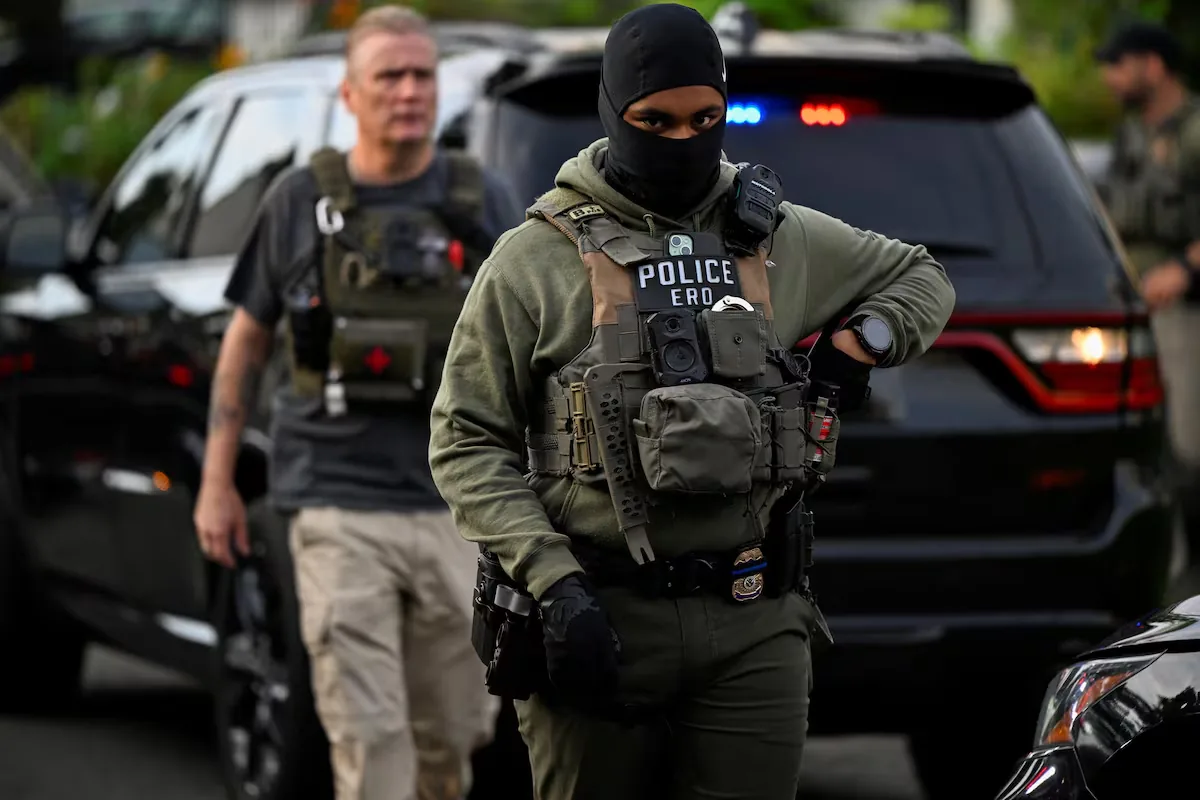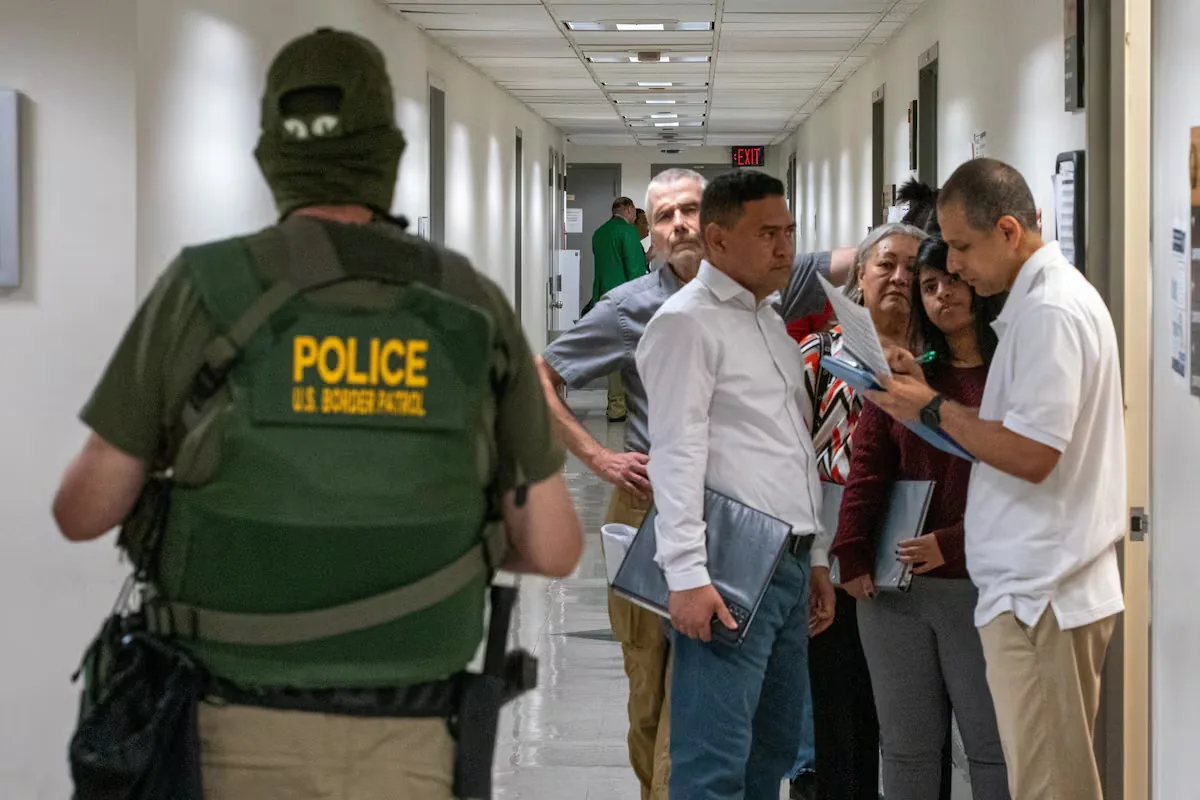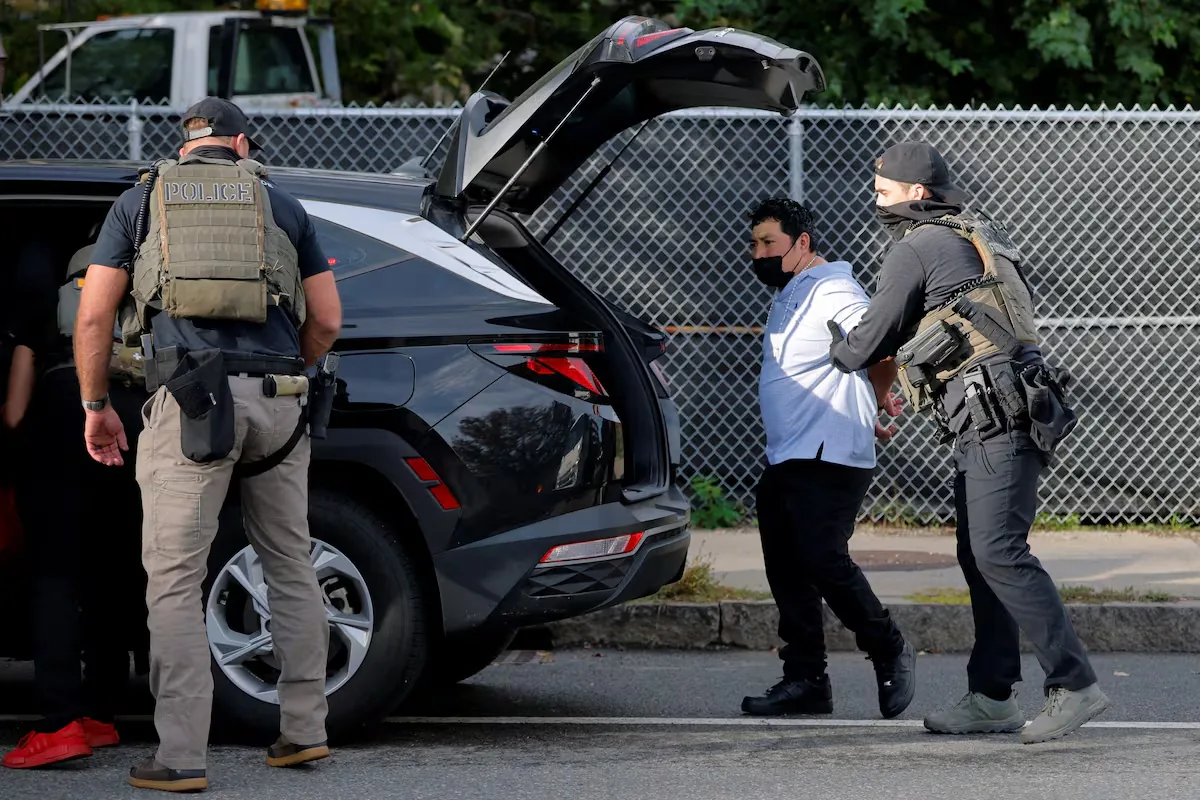
Amid the tightening of immigration policy driven by the administration of President Donald Trump and the increase in operations by the Immigration and Customs Enforcement (ICE) in various States, Massachusetts enacted a law that expands restrictions on certain actions of the federal agency. Governor Maura Healey signed this legislation on Wednesday, which seeks to prevent civil immigration arrests without a judicial order in courts, public schools, daycare centers, and health centers. That State has also limited new forms of state cooperation with ICE.
Read more United States dismantles an arms smuggling network between Arizona and Mexico
We’re keeping our people safe. pic.twitter.com/6Tm9ljFmsF
— Maura Healey (@maura_healey) August 5, 2026
The bill had been approved last week by the State House of Representatives and Senate. The governor stated that the measure “provides the strongest protections in the country against ICE abuses, including keeping them out of courts, schools, and hospitals.”
In addition to expanding protections against civil immigration arrests without a judicial order in those spaces, the legislation prohibits the making of new agreements that allow state and local officials to perform certain federal immigration law enforcement functions. However, it maintains the existing collaboration between the Massachusetts Department of Corrections and ICE.
The bill also incorporated into state legislation the precedent established by the Lunn v. Commonwealth decision, issued by the Massachusetts Supreme Judicial Court in 2017. That ruling determined that State agents cannot detain a person longer than necessary at the request of federal immigration authorities.
The initiative complements other measures previously adopted by the Healey Administration to restrict certain ICE operations within the State. Months ago, the governor signed Executive Order 650, which prohibits ICE civil arrests in non-public areas of state facilities without a valid judicial order. The order also prevents state Executive Branch agencies from entering into agreements known as 287(g), through which local authorities can collaborate with federal immigration enforcement functions, and prohibits state buildings from being used as ICE operations, processing, or deployment centers.
As part of that strategy, the state administration issued guidelines for schools, daycare centers, universities, health centers, and places of worship on how to act in the presence of immigration agents. Likewise, the State Attorney General, Andrea Campbell, published a guide called Know Your Rights, with information about the legal framework of ICE actions and immigrants’ rights during those procedures.
Read more Two foreign patients trapped in Emergency. «This is the national priority applied to a hospital»
During the legislative debate, State Senator Cindy Friedman stated that the proposal arose from the conviction that “all Massachusetts residents deserve equal protection under the United States Constitution and the Massachusetts Constitution, regardless of where they were born or their color, creed, or immigration status.”
Friedman also defended the need for the measure by stating that ICE “has become violent, frequently ignores the law, and often seems to enjoy sowing fear and division.”
The signing of the legislation took place while the confrontation between Massachusetts and the Trump Administration on immigration matters continues. The federal government maintains a lawsuit against the State for refusing to issue undercover plates for ICE agents, another dispute over the scope of cooperation with federal immigration authorities.
Meanwhile, ICE is considering expanding its operational presence in Boston. According to a federal government notice, the agency seeks to lease up to 249 parking spaces downtown, near existing or planned facilities.