








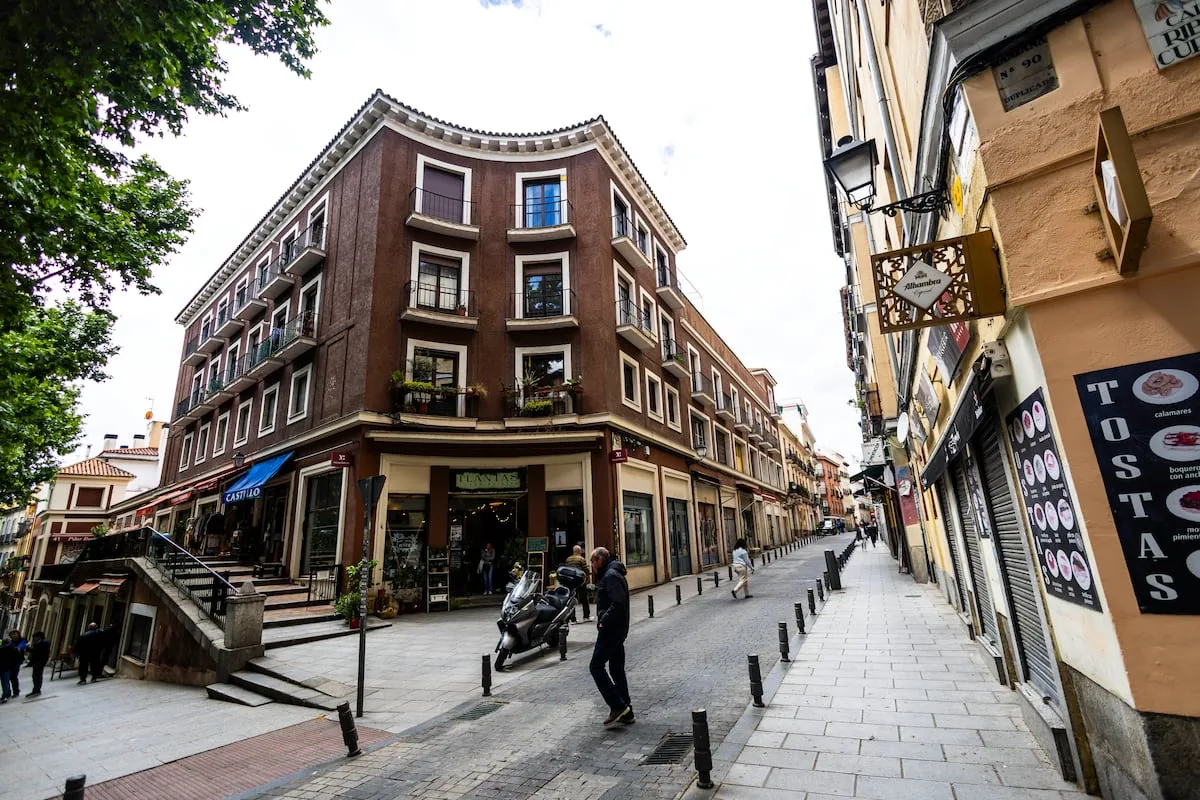
The Commercial Registry does not lie: a religious association like the Third Order of Saint Francis, made up of laypeople and religious who follow the teachings of Saint Francis of Assisi, accumulates 47 real estate properties on central streets of Madrid such as Segovia, Toledo, and San Fernando, all received through donations from the faithful. This association was the protagonist a couple of weeks ago in the eviction of Mariano Ordaz, a 67-year-old resident of the La Latina neighborhood who was claiming to pay rent according to his pensioner income. As a result of this event, the movement “Affected by the Priests” was born last week, accusing this association, led by Minister Antonio Álvarez, of speculating with unjust rent increases. The leaders of this religious order have not wanted to comment to this newspaper about their real estate business.
Read more Putin raises economic incentives for going to war
The 47 simple notes from the commercial registry consulted by EL PAÍS offer a clear picture of a real estate heritage woven over decades in the heart of the city: apartments of more than 30 square meters, commercial premises, parking spaces, plots, and entire buildings in neighborhoods such as La Latina, Sol, Cortes, or Justicia. Added to this are homes on streets like San Isidro or Redondilla, and even properties in more sought-after areas like Herradores or Santa Brígida. All this without forgetting the ownership of the Hospital of the VOT of Saint Francis of Assisi, a private medical center next to the Basilica of San Francisco el Grande. Meanwhile, the Tenants’ Union estimates that there are more than 200 homes.
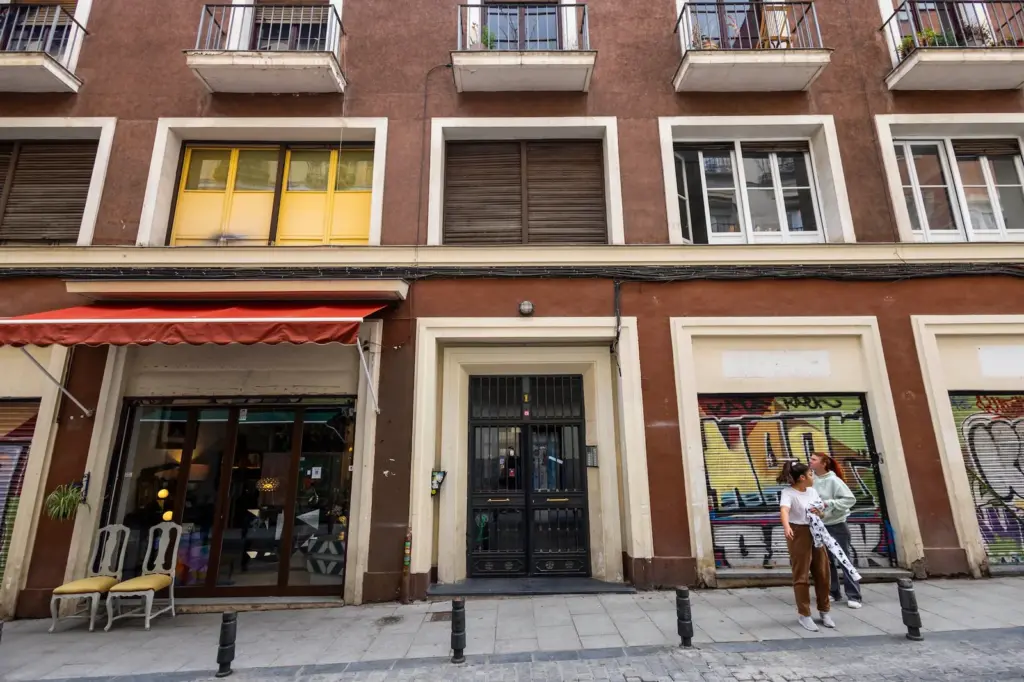
The documents allow a glimpse into the economic value of these properties through mortgage charges, which serve as an indirect market reference. A commercial premise on Atocha street is appraised at around 450,000 euros; two homes in Herradores square exceed 480,000; and a whole building on Santa Brígida street reaches 7.8 million euros. These are specific figures, but they suffice to gauge the importance of a heritage concentrated in several of the areas with the highest real estate pressure in the city. To this set are added unique pieces such as the chapel of San Buenaventura or the San Bernabé complex, both declared Assets of Cultural Interest. According to a doctoral thesis by researcher María Dolores Delgado titled The Venerable Third Order of Saint Francis in 17th Century Madrid (confessional society, charity, and benevolence), the VOT was established in early 17th century Madrid with a dual purpose: to maintain the Catholic faith and to dispense charity among the most needy.
The Secular Franciscan Order (OFS) of Spain, known before the Second Vatican Council as the Secular Franciscan Order or VOT, held its National Elective Chapter in 2021, in which a new board was elected headed by Antonio Álvarez as national minister. According to the Archdiocese of Madrid, “the organization is registered as the Fraternity of San Francisco del Grande. Although it was not canonically erected by the archbishop, so it does not depend on his authorization nor on the specific supervision of his control bodies.”
For some time now, the order behaves like one of many companies that reach agreements with their tenants in which, in exchange for the tenants taking charge of the property’s renovation, they are given somewhat cheaper rent. Then come the increases, eviction, and speculation.
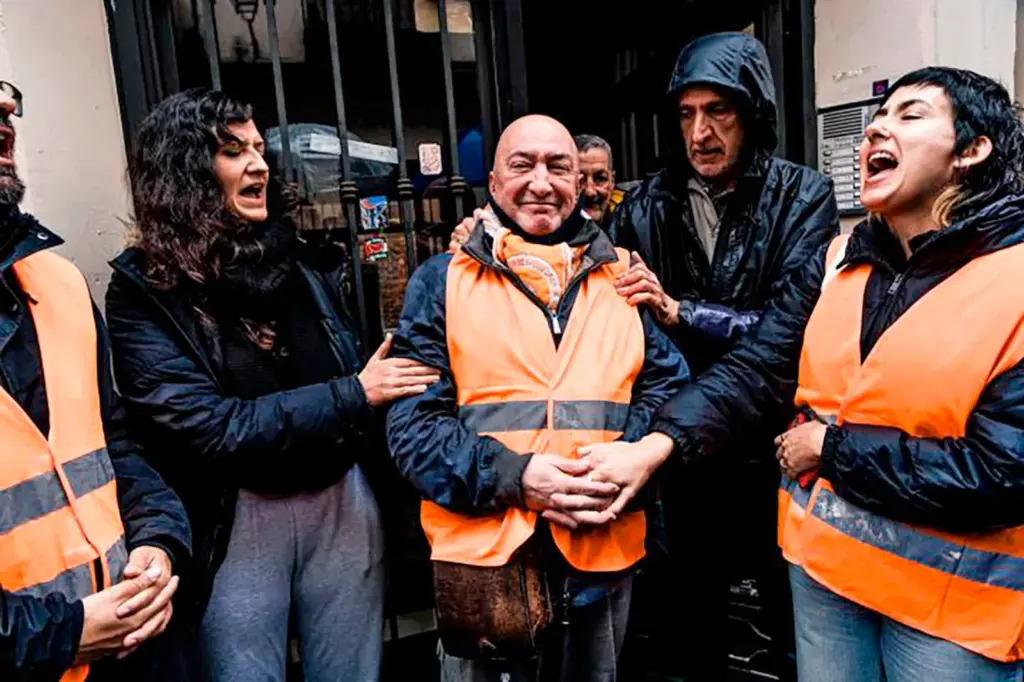
“Praying to God and with the VOT evicting,” chanted the protesters at Mariano’s doorway since five in the morning. The Tenants’ Union has been one of the first to denounce the association’s “religious rent-seeking.” Within the group affected by the priests, there are already 40 neighbors who have identified at least a hundred homes in La Latina and nearby areas where the same modus operandi operates: lower rents in exchange for renovations after which rent increases follow.
It is, on the other hand, a discreet business. “We found out they own more houses by word of mouth. I was surprised: I did not know any order with these characteristics,” says Javier U., 45 years old, who has lived for twelve years in a penthouse on Mira el Sol street, in Lavapiés. His block, with about 20 apartments, is exclusively owned by the association. When he moved in, he paid 700 euros for a one-bedroom apartment, but in exchange, they asked him to renovate the kitchen. Now they charge him 950 euros a month, although they tried to raise it by 150 euros, but the law did not allow it. “I have three years left; we’ll see what happens with my home.”
“In the WhatsApp group of those affected by the priests, there are people from different blocks in Madrid. It was created as a result of the individual struggles we had with the VOT over rent renewals and maintenance, and we started getting in touch. When someone has a problem, experiences are shared to see how to fight the order most effectively.”
“In my home, no outlet works, the pipes are full of rust, and the walls have woodworm. There are leaks, holes in the ceiling, broken cables, accumulated dirt, and doors that do not close,” details Javier, whose religious landlords already threaten to raise his rent if he does not pay for more renovations himself. “We have tried to get them to at least fix the common areas, but they always give you the runaround. They play the wear-down game: there comes a point when you get tired of insisting.”
He is not the only case. Daniel Fernández-Cañadas has also decided to join the movement, explaining that he lived for about eight years in an apartment of the order located at 9 Molino de Viento street, in Malasaña. He says that in 2020, after a fire in the meter room, unhealthy conditions began to appear in the doorway. In response to his complaints, he received a burofax during the state of alarm informing him that he had to leave the home. Fernández was paying 800 euros in rent. “I was not surprised at all by what they did to Mariano,” he assures.
The association, which in the last two years has received more than 150,000 euros in subsidies from the Community of Madrid, defends in a statement accessed by this newspaper after several contact attempts that Ordaz’s eviction comes after a long judicial process and multiple attempts at agreement that, according to their version, did not succeed. The entity emphasizes that the contract was terminated by a final judgment in May 2022 due to non-payment and expiration of the term and that the courts rejected the tenant’s vulnerability situation. In their view, the tenant’s refusal to accept the proposals and the fact of not paying rent for four years justify the execution of the eviction, which the courts consider lawful, and they maintain that from now on it is up to the public administration to offer a housing solution to the affected person.
Read more Why don’t the government partners want the motion of censure?