









[You can find this text and many other topics in the newsletter ‘Documentalmente’, from EL PAÍS. To receive the newsletter, you can sign up here].
Read more On the road where Isak Andic died: “I turned off the TV 10 years ago. I didn’t know anything”
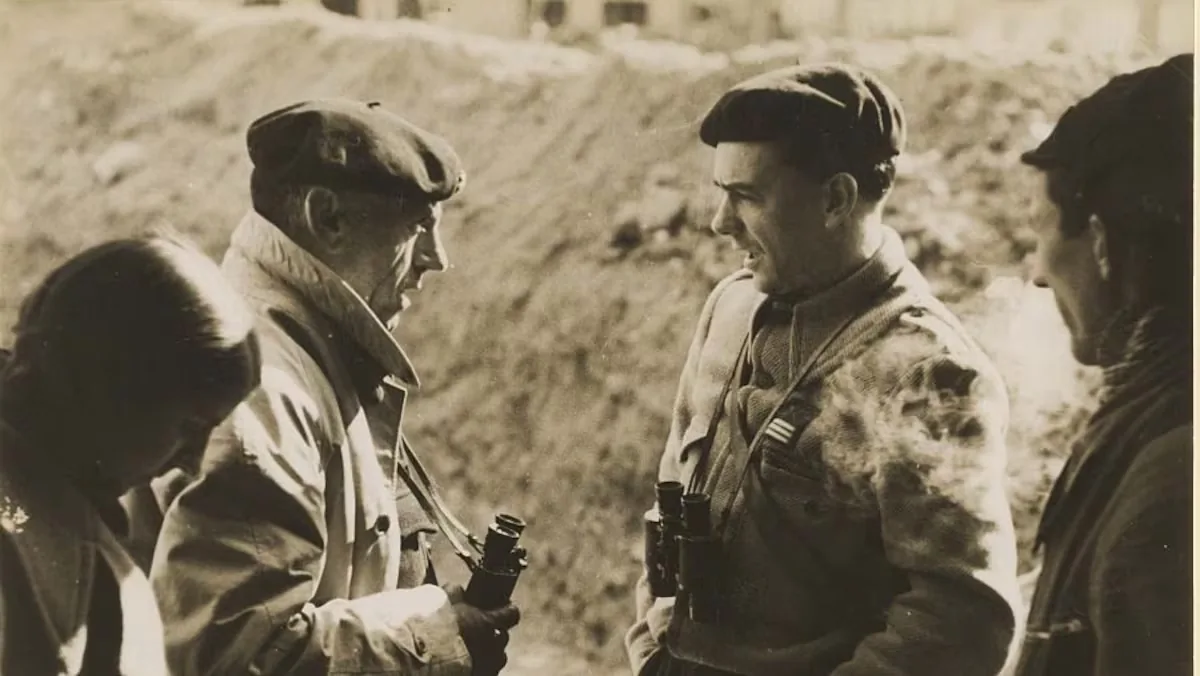
There is an inexplicable gap in the history of Real Madrid presidents. It is the one from 1937 to 1939 and is maintained on their official website. That blank space corresponds to Antonio Ortega, who was much more than the person in charge of a football team. His peculiar mandate took place during the Spanish Civil War, years in which there was no official competition, but the club did have a president and activity, as it continued playing friendly matches.
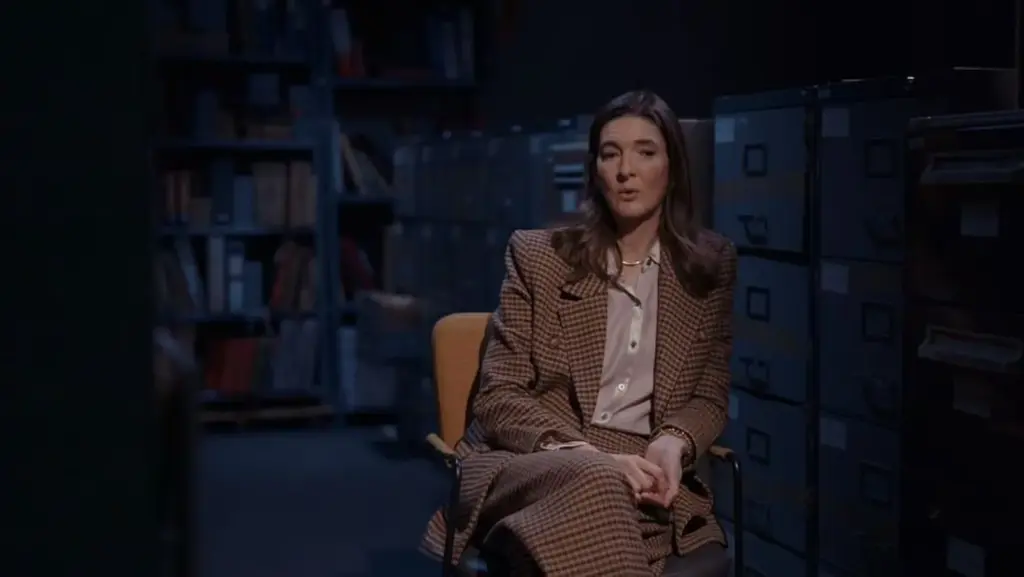
The man from Burgos, a Republican colonel, was executed at dawn on July 15, 1939. And from that moment, they also made him disappear from history. His great-granddaughter, the Mexican human rights lawyer Gabriela Echeverría, tells this in the documentary that RTVE dedicates to Ortega’s figure and that can be watched for free through the corporation’s platform, RTVE Play.
Over the course of an hour, the viewer discovers that even during the conflict, Antonio Ortega prevented deaths. One of his most decisive decisions was to embark the 600 prisoners from the Ondarreta prison after the fall of San Sebastián. Also, that he was an icon of the defense of Madrid and of the “no pasarán,” one of the military men who stopped the advance of the Francoists to the capital.
The documentary also recounts how those whose lives he saved despite belonging to the enemy faction, such as the famous and celebrated Count of Romanones, did not want to know anything about him when he needed that same help to survive, once the conflict ended and the military was on the side of the defeated. Those from his own side also abandoned him and Ortega ended up imprisoned while trying to flee to Algeria from Alicante, the last territory controlled by the Republic.
His unjust life story was so erased that even the vast RTVE archive was not enough to find images of Antonio Ortega. So the public broadcaster teamed up with the Efe agency on this project to build the story of its almost unknown protagonist. At times, the RTVE team filmed reconstructions with actors Joseba Usabiaga, Yune Noguerias, Gorka Aguinagalde, and Iñigo Salinero to convey what Ortega might have felt during his last days.
Ortega was a key man in the Republican reality of those years. Civil governor of Gipuzkoa, war hero in Madrid, and precisely because he was a prominent and respected figure, he was chosen to be president of Real Madrid for two years. FC Barcelona does not omit the war years in its timeline of presidents, despite having experienced similar circumstances. If the Republicans had won the war, Antonio Ortega would appear on that list, says professor Juan Carlos Illán during the documentary.
Antonio Ortega’s family managed to exile to Mexico. His great-granddaughter says that for a long time, his relatives also tried to forget what happened. But Gabriela Echeverría’s curiosity and the unhealed wounds made everything resurface. She, based on a memoir book published by her great-uncle, son of Antonio Ortega, who was with him at the front, has helped complete this RTVE story. The family has been requesting the exhumation of his mortal remains for years, which are in a mass grave in the Alicante Cemetery, without any recognition. The filming of the documentary has caused several institutions to start the procedures to achieve this.
You can watch the full documentary in this video.
If you want to receive real stories of the documentary genre in your inbox, collected in the biweekly newsletter ‘Documentalmente’, you can sign up here.