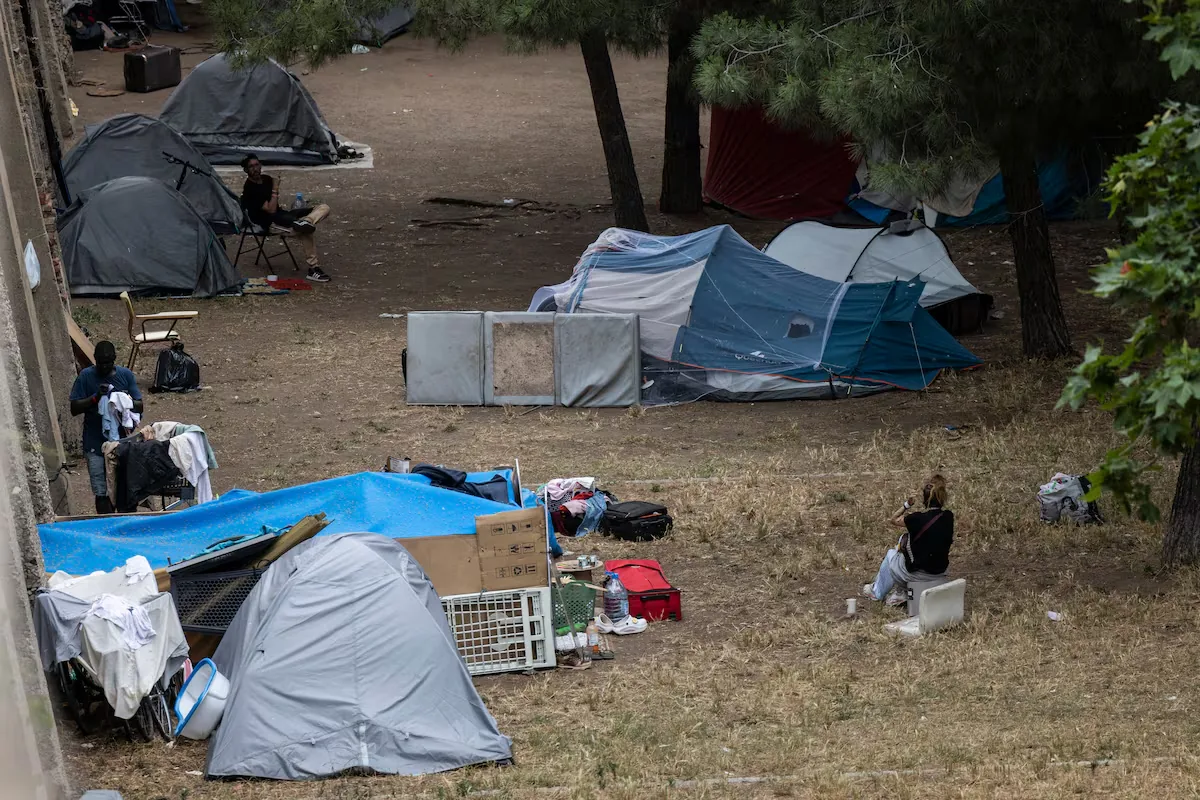






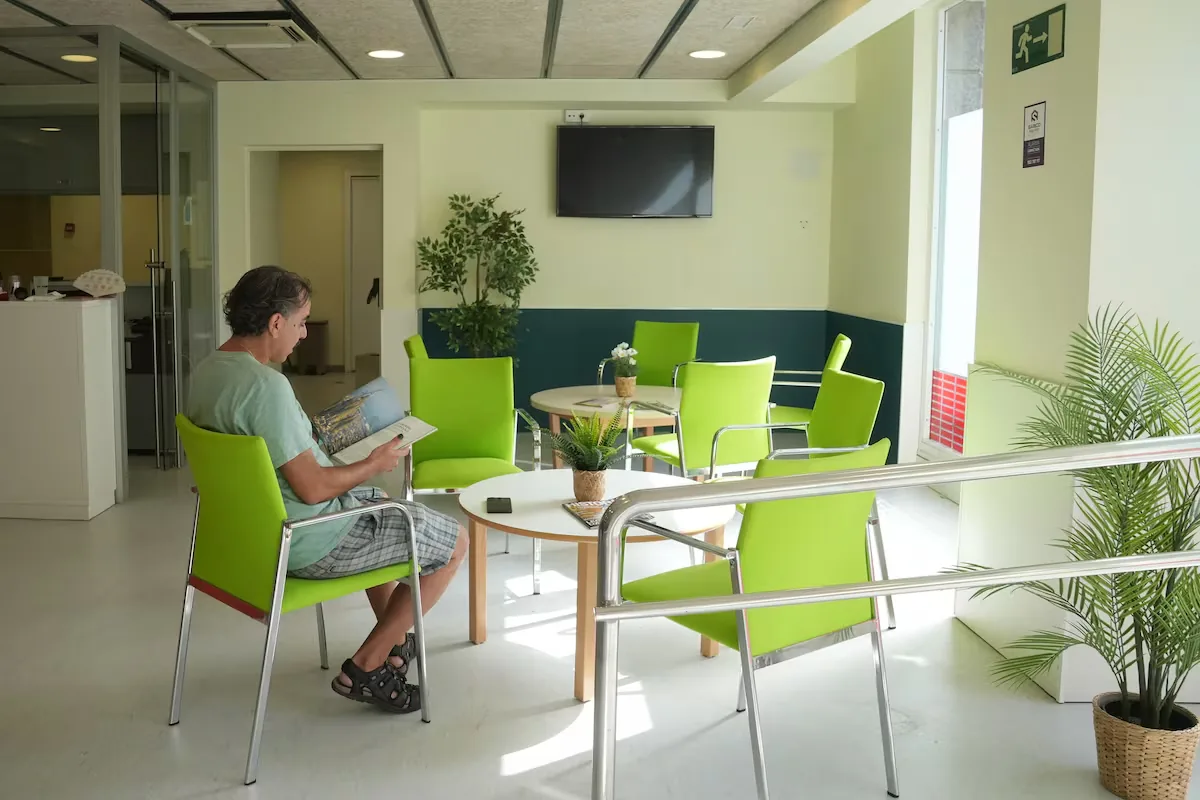
The high temperature season is intensifying in Barcelona and living on the street, a situation already of extreme vulnerability, is becoming increasingly unbearable. With the aim of offering greater thermal comfort to homeless people, the Barcelona City Council will open a daytime rest space this Saturday, August 1. The facility, located at Pasaje del Dos de Maig, 17, in the Sant Martí district, will operate from 10:00 to 19:00 and will offer fruit, water, ice cream, and energy bars. During the presentation of the device, a space that previously hosted Ukrainian refugees, the Commissioner for Social Action, Sonia Fuertes, emphasized that this is the first time the City Council has launched an initiative of this nature. “Everything related to the climate issue is changing a lot. This is also a project with a health perspective for the care of homeless people,” she explained. According to data from the Arrels Foundation, Barcelona has nearly 2,000 people living on the street, 43% more than three years ago.
Access to the center will be free every day of the week and will have 75 places. If capacity is exceeded, a rotation system by time slots will be established prioritizing people in the most vulnerable situations. “We anticipate different needs. Some people will use the space occasionally and others will stay for longer hours, depending on each case,” Fuertes said. The facility is not intended to replace a conventional center for homeless people. Food services will continue to be provided in social dining rooms, while showers and hygiene will remain available in day centers.
Information about the availability of the space will be provided by specialized street teams for homelessness, especially by the Social Care Service for Homelessness in Public Space (SASSEP), as well as by entities in the network of care for Persons Without a Home, responsible for locating and attending to people who sleep in public spaces to promote their connection with municipal resources. “Through care in the city, we will use the 38 collaborating entities as referral channels, in addition to other professionals who usually work on the street,” Fuertes explained.
The opening of the device is part of the municipal plan to strengthen care for people living on the street during the hottest months. The new shelter will complement the existing network of resources, made up of day centers, social dining rooms, shower services, and climate shelters distributed throughout the city.
Read more The former mayor of Linares pardoned: “I am not a corrupt person, the people have saved me”
In addition to offering a place to shelter from the heat, the new facility will provide information about other social, health resources and about the network of climate shelters in Barcelona. “Homeless people are always in a vulnerable situation, and high temperatures worsen it. Health teams will be able to refer the most urgent cases to medical centers. It is a space that will also function as health support,” Fuertes said. The goal is to reinforce self-care guidelines during extreme heat episodes and facilitate access to municipal services.
The device is launched in a context of increasingly frequent and intense heat waves throughout Spain. Between 2002 and 2022, according to a study by the Metròpoli Institute, there have been 10,218 deaths attributable to extreme heat in the Barcelona Metropolitan Area (AMB). Neighborhoods like Sant Martí, where the temporary facility is located, appear in the same study as some of the hottest in the city, constantly maintaining extreme temperatures between July and August. In just over a month since the start of summer, Barcelona has already experienced four episodes of high temperatures and, faced with this situation, many homeless people find spaces like libraries and train stations as the only possible refuge.