









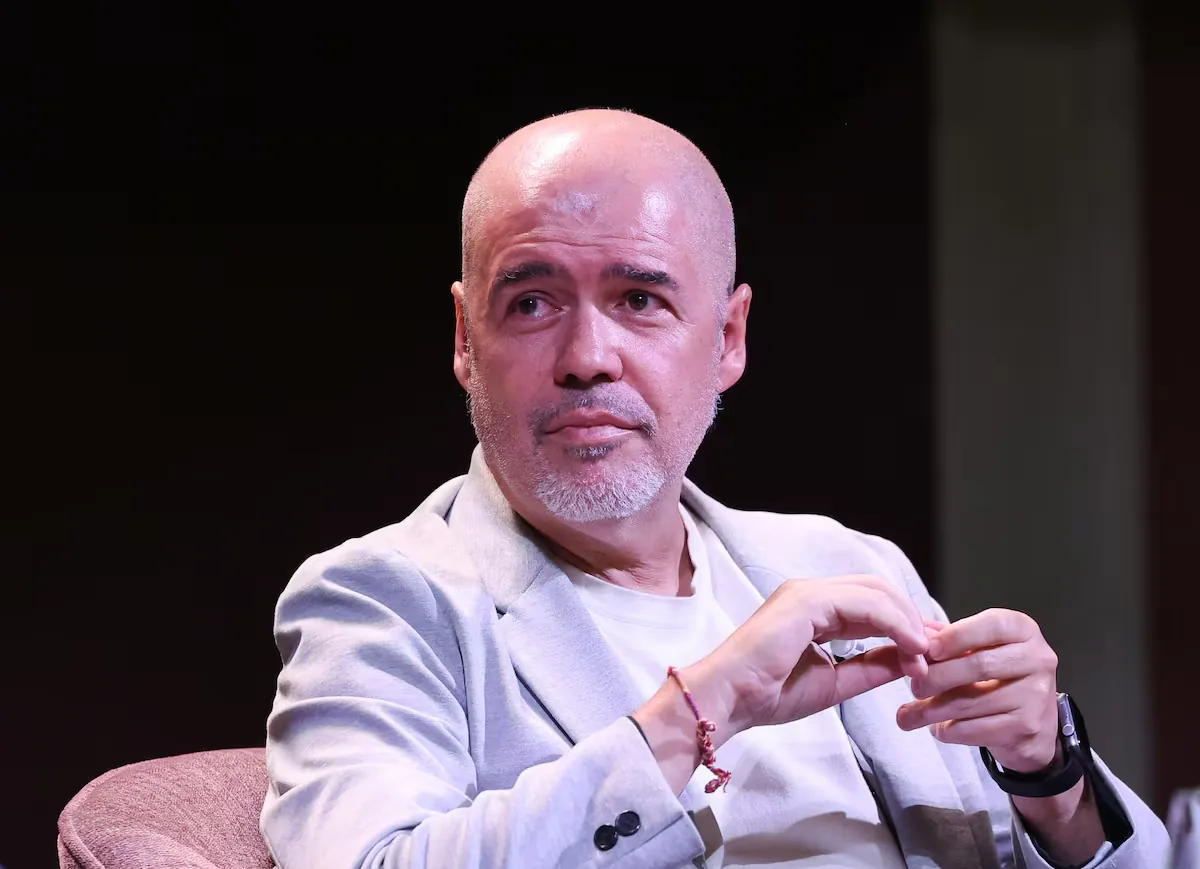
The CC OO union advocates for a rise in the interprofessional minimum wage (SMI) in 2027 of more than 5%, above the latest year-on-year inflation figure (4.3%). The union’s general secretary, Unai Sordo, made this proposal on Monday during a speech at the Ateneo de Madrid, where he also emphasized the importance of the Government fulfilling its promise to change the rules on the absorption of wage supplements, so that employers cannot offset the SMI increase by eliminating bonuses. In that speech, Sordo also responded to speculation about his possible departure to lead the left-wing parties in the general elections, stating that he intends to complete his term as general secretary of CC OO.
Sordo began by clarifying that they have not yet reached a common position with UGT regarding what minimum wage increase would be most appropriate, but he highlighted that this figure “must maintain” the wage floor “at 60% of the average salary.” This is one of the principles that has been conditioning the calculation of the expert commission advising the Ministry of Labor, that the minimum wage should not only rise to compensate for inflation but do so strongly enough to represent 60% of the country’s average salary. “Wages will rise in the coming years by more than 4% or 5%, so the SMI must rise above those levels,” Sordo said.
Collective agreement wages grew by an average of 3% until July, but the union leader calls for a higher increase because wage statistics show a higher average increase in pay. This, as the unionist emphasizes and various specialists have pointed out, is due to a composition effect whereby some sectors with better pay are gaining weight in the Spanish economy, and at the same time, labor shortages in some activity branches encourage some wage increases that are not always reflected in collective agreements. The Quarterly Labor Cost Survey recorded a year-on-year increase in wages of 4.9% in the first quarter.
“I’m not going to give a specific figure that will later be used against me, but let’s be ambitious,” Sordo added. In their proposal to renew the Employment and Collective Bargaining Agreement (AENC, the text that guides collective agreement negotiators), UGT and the union led by Sordo propose that wages rise by at least 4% annually from 2026 to 2028, but more strongly in the lowest-paid sectors, where they propose reaching 7%. The unions had requested that the SMI be raised again this year, given the increase in inflation, but the Government has closed this possibility and urged taking the price increase into account in the 2027 rise.
Read more This men’s jeans are one of the favorites on Amazon: ‘slim fit’ and for less than 20 euros
Likewise, Sordo stressed that, whatever figure the Government proposes, his union will not sign an agreement if it is not preceded by a change in the rules on compensation and absorption of bonuses so that companies cannot eliminate these pay items when the SMI rises. The Government committed to changing this provision by decree, a recurring promise that was sealed once again in the last agreement to raise the SMI in 2026. However, although it has already gone through the prior hearing process, the measure has not yet appeared in the Boletín Oficial del Estado. Asked about this last week, the Secretary of State for Labor, Joaquín Pérez Rey, said they are awaiting reports from other ministries and will then send it to the Council of State, which tightens the deadlines for it to become reality before 2027.
Another measure the Government has promised to fulfill and that has yet to materialize formally is the strengthening of the time registration system, the Labor Ministry’s plan B to compensate for the failure of the reduction of working hours in Parliament. Yolanda Díaz’s department and the Ministry of Economy announced in July that they committed to approving it during this September, later than the unions requested. Both UGT and CC OO said that if it was not done before August, they would not sign any more agreements with the Government, a position Sordo recalled on Monday. “There are no more excuses. This debate amazes me. We know there is water behind the Moon, and when you suggest digitally recording when people enter and leave work, it seems like you’re asking for something impossible,” Sordo said.
The head of CC OO also once again responded to the hypotheses placing him as a possible candidate for the left-wing parties in a general election. “I say what I have always said and I will say little more. A year and two months ago I started my last term [leading CC OO] and my commitment is to complete this third term, which still has a long way to go. My intention is to fulfill it,” Sordo said.
Read more ‘Tubing’ mascara: what it is and why you’ll want the new one from Maybelline in your makeup bag