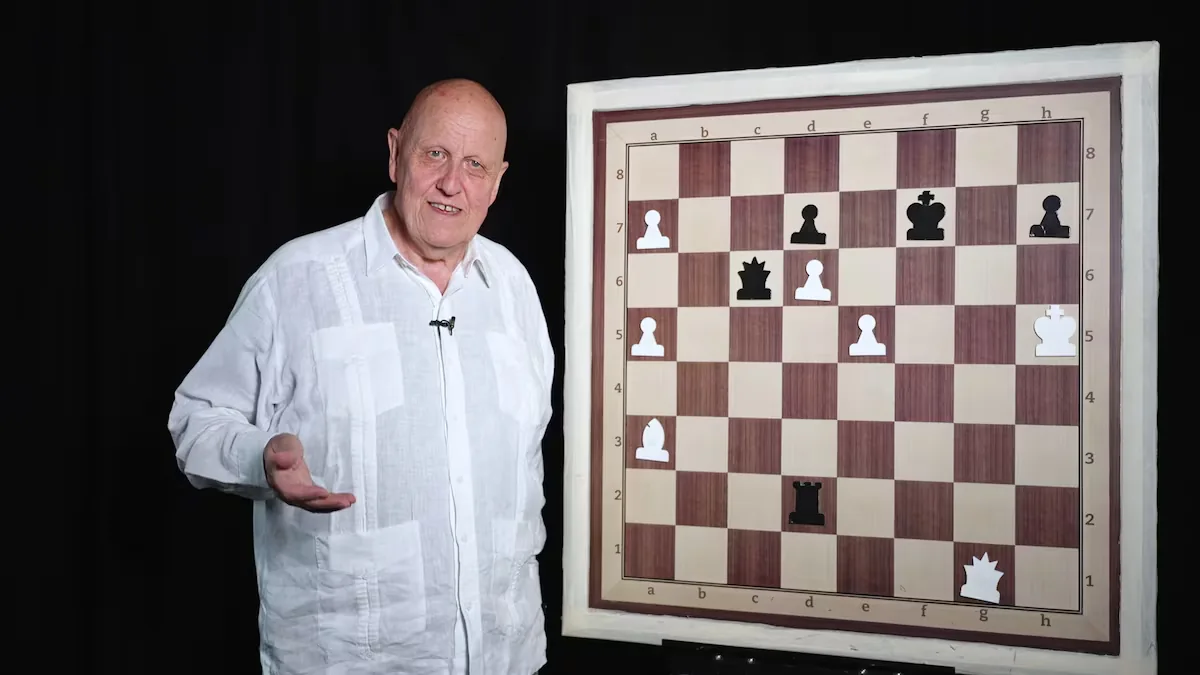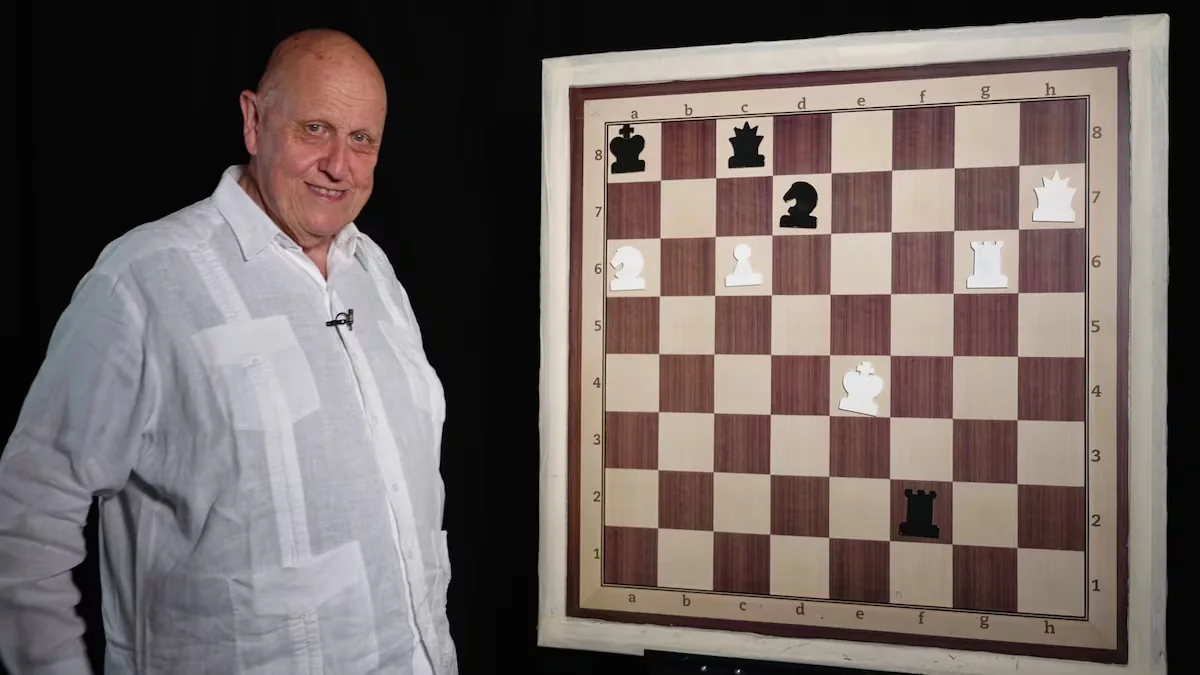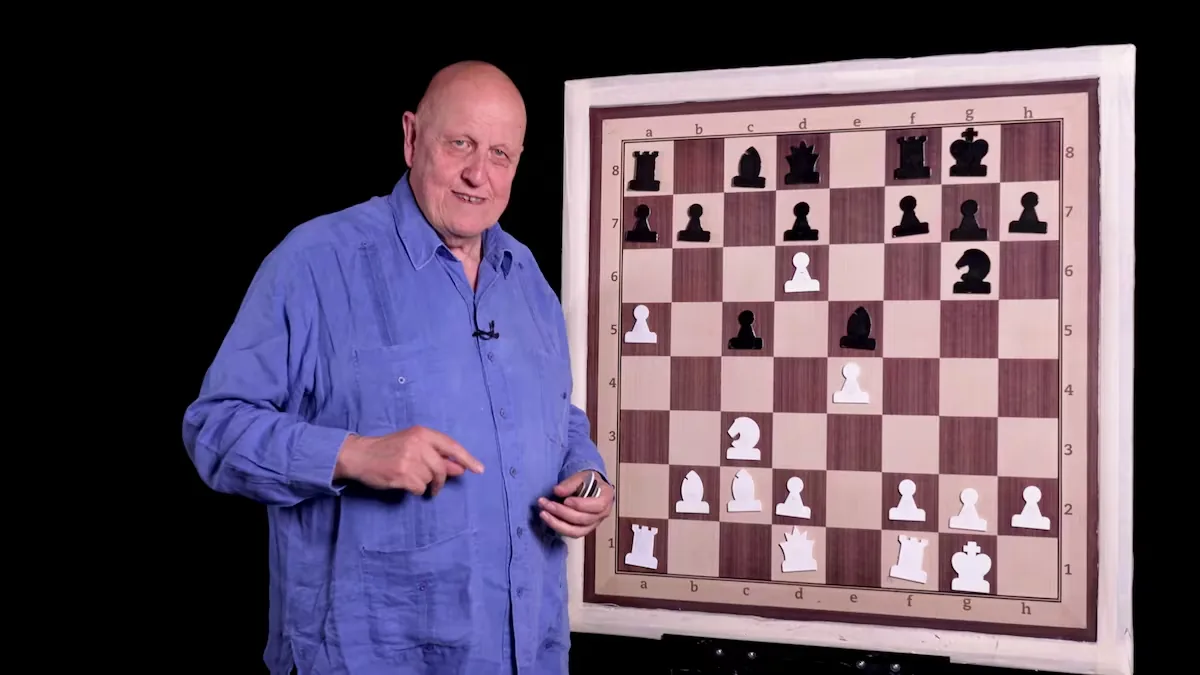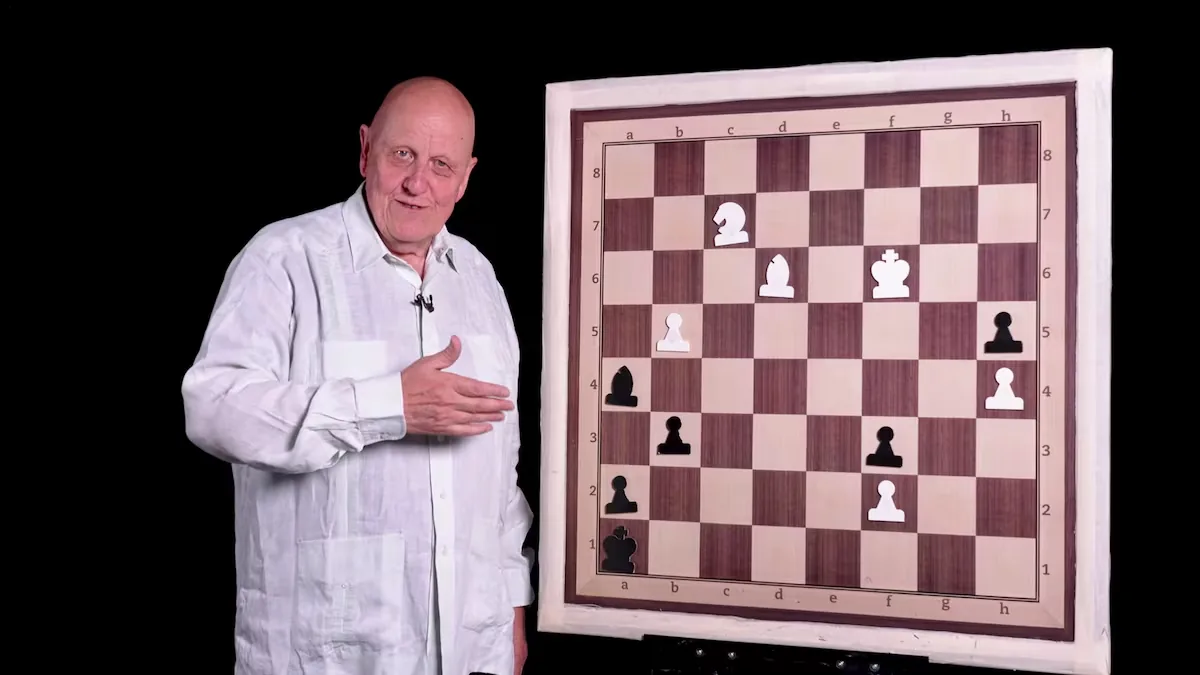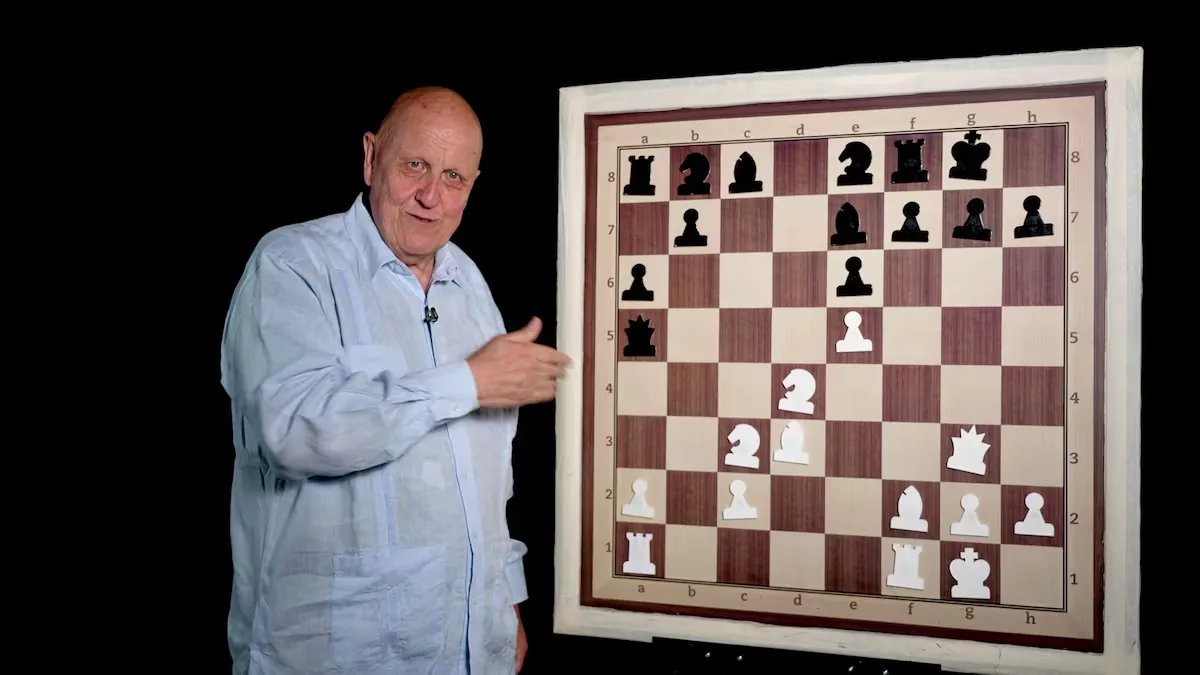
The splendid game analyzed in this video invites various very instructive readings. Perhaps the most interesting is the one discussed from second 11:03 regarding how Viktor Korchnoi could have saved the game on his twenty-first move. Because it clearly illustrates the difference between human chess and computer chess: Korchnoi, one of the greatest uncrowned champions in history, missed a defense almost invisible to a human being. Therefore, the attack by his opponent Leonid Stein must be considered exemplary and very brilliant, even if it was not scientifically winning.
The figure of Stein himself (1934-1973) is very striking. A serious congenital heart condition caused his very premature death (38 years), but it did not prevent him from being among the best chess players in the world and being a three-time Soviet champion (a very difficult achievement), among many other successes. Perhaps for this reason, someone as explosive as Korchnoi—whose ability to lose gracefully was never among his most notable virtues—insisted on proposing to Garry Kasparov that he include this game in his monumental and grand work My Great Predecessors.
Read more The far-right victory in Saxony-Anhalt shakes the German government: “It will have consequences”