The United States’ attempt to economically strangle Iran threatens to open a new source of tension with China, just one month before the scheduled meeting between Presidents Donald Trump and Xi Jinping in Washington. Beijing has been the main buyer of Iranian oil for years, and the first package of sanctions from Operation Economic Pariah, announced on Monday by U.S. Treasury Secretary Scott Bessent, targets, among others, citizens and companies from mainland China and Hong Kong. Washington accuses them of helping Tehran obtain sensitive technology, channel payments, and transport crude oil.
Read more Arrested in Valencia a fugitive wanted for an attempted murder in Germany in 2025
Beijing has responded with the usual language of Chinese diplomacy to the new U.S. offensive proclaimed during the “economic D-day against Iran” (as Trump called it). The Chinese Ministry of Foreign Affairs has once again expressed its rejection of unilateral sanctions “that lack a basis in international law” or “do not have the authorization of the United Nations Security Council” and has called on the parties to act “with rationality and restraint.”
“China will take all necessary measures to firmly safeguard its rights and interests,” emphasized a spokesperson for the Ministry of Foreign Affairs at a routine press conference on Tuesday. “Economic blockade and maximum pressure policy are not the solution. The priority now is to promote de-escalation and return as soon as possible to the path of dialogue and negotiation,” urged spokesperson Lin Jian. According to his words, these measures will only worsen tensions and the risk of spillover, disrupt the global economic and financial order, and harm the legitimate interests of other countries. However, Lin did not specify what the promised measures will consist of or whether they will include reprisals.
Bessent launched on Monday what he himself described as a “warning shot.” Washington, he explained, wants to grant affected countries, companies, and entities a brief period to “remedy their misconduct” before applying secondary sanctions that could expel them from the dollar-based financial system.
So far, the Treasury Department has blacklisted nearly 60 people, companies, and vessels accused of helping Tehran obtain technology for its nuclear and missile programs, participate in cyber operations, and export oil.
Among those sanctioned is Sweet Ocean Industrial, based in Hong Kong, which allegedly acted as an intermediary in acquiring laser optical equipment destined for Malek Ashtar University of Technology, an Iranian institution linked — according to the U.S. Treasury Department — to nuclear research and missile development. People and companies associated with Sweet Ocean in China and Hong Kong also reportedly managed the purchase of accelerometers, actuators, and laboratory equipment. Washington also accuses four other Hong Kong companies of serving as shell companies to channel payments from the Islamic Republic’s clandestine financial networks.
The sanctions, according to the official U.S. statement, also target logistics companies in Shenzhen (near Hong Kong) that allegedly provided services or support to BRE Line, an Iranian logistics company to which Washington attributes shipments for Iran’s Defense Innovation and Research Organization.
Read more The mayors of the province of Tarragona complain that no alerts will be sent about the storm
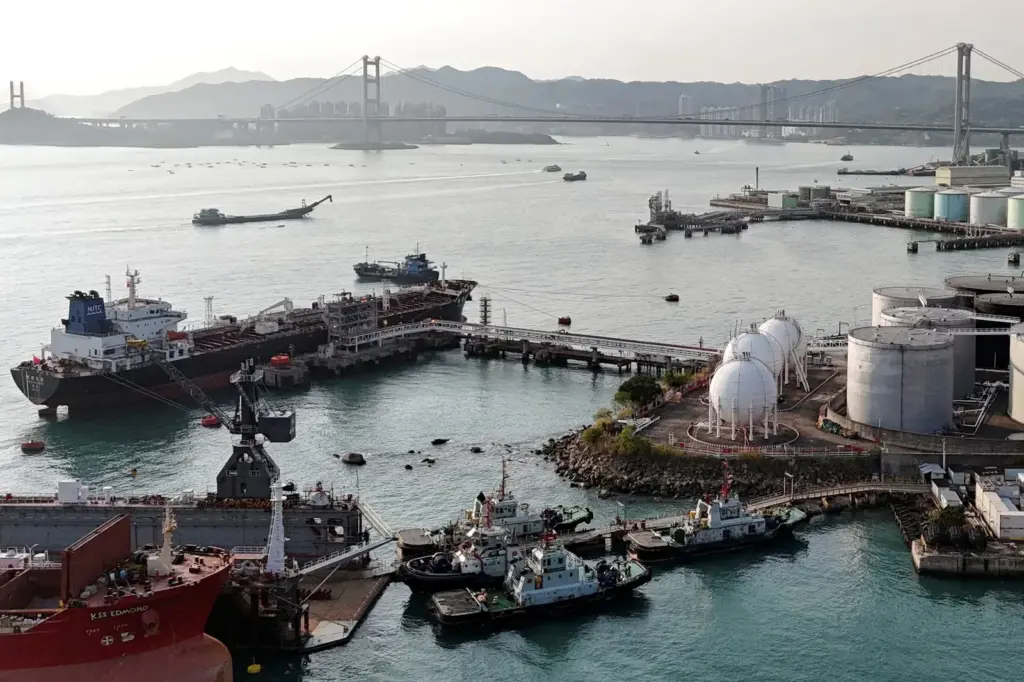
In the oil sector, it has also punished owners and operators of a network of oil tankers transporting Iranian crude through shell companies, flag changes, and other maneuvers aimed at evading sanctions. Among them is the Chinese company Lilimoon Navigation, owner, operator, and manager of the Voyage Elite, a tanker believed to have transported millions of barrels of Iranian crude to the Asian giant since the start of the war.
China has been the main buyer of Iranian crude for years: in 2025 alone, it purchased around 1.4 million barrels per day, according to the specialized firm Kpler. Chinese imports reached 1.57 million barrels per day in February this year but dropped to 534,000 in August, according to provisional Kpler data cited by international agencies.
The business is concentrated in independent refineries, attracted by discounts, and remains outside official statistics through intermediaries, payments in yuan, and shipments declared as originating from Malaysia or Indonesia. Large Chinese state oil companies have avoided these purchases since 2019, when Washington reinstated sanctions against Tehran.
Beijing, however, has already begun to equip itself with tools to resist U.S. pressure. In May, it issued a blocking order for the first time under a mechanism approved in 2021 and prohibited the recognition, enforcement, or compliance in China with sanctions imposed by Washington on five Chinese refineries accused of buying Iranian oil.
On the eve of the summit
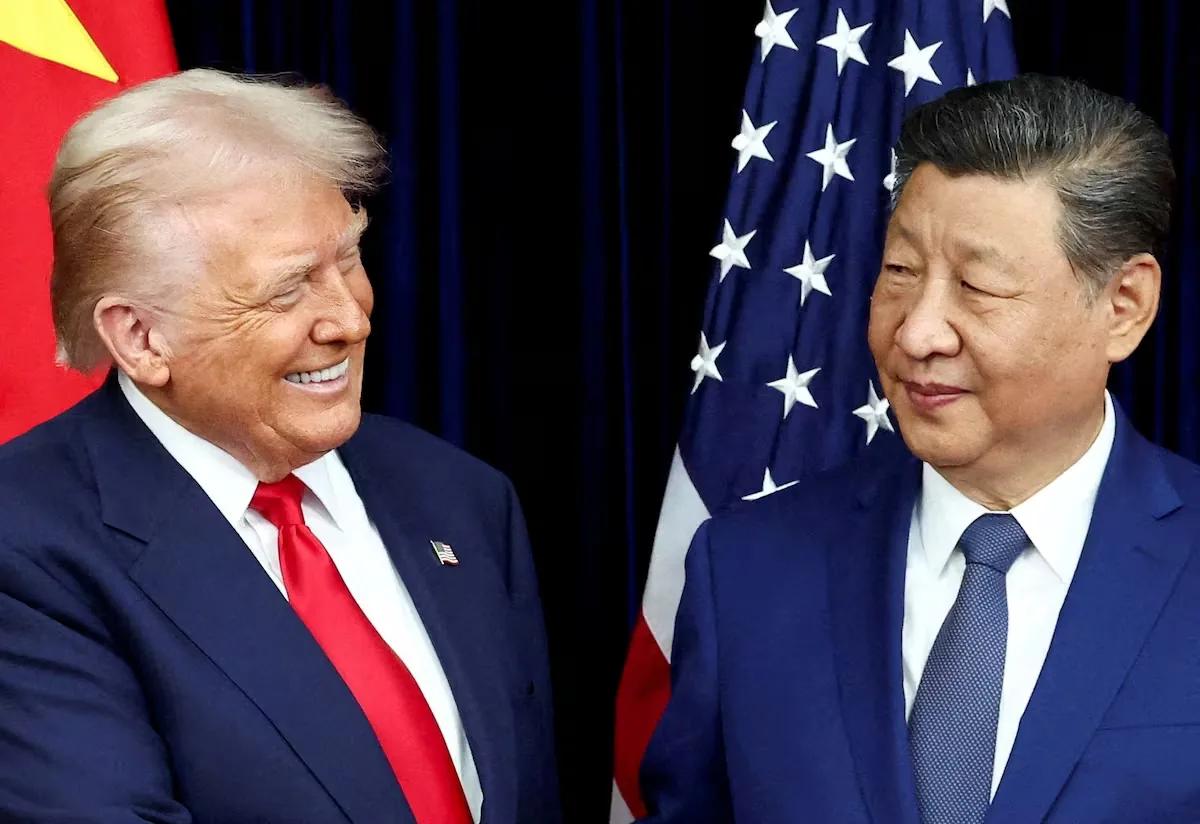
The standoff comes on the eve of a key meeting for relations between the two largest powers on the planet. Chinese President Xi Jinping is scheduled to travel to Washington on September 24, invited by Trump, to hold the second summit between the two in just over four months.
The meeting should serve to consolidate the fragile détente agreed during the Republican’s visit to Beijing in May and address trade and strategic disputes ranging from tariffs to the supply of critical minerals. Washington has so far avoided sanctioning major Chinese banks suspected of facilitating transactions with Iran. An offensive against these entities could cloud the meetings and provoke a response from Beijing on other fronts sensitive to the White House.
Read more An Israeli soldier, on attacks on the press in Gaza: «For the soldiers, all cameras help Hamas»