









Scientist J. Craig Venter, the man who deciphered the human genome, passed away this Wednesday in San Diego at the age of 79, according to confirmation from the J. Craig Venter Institute, a nonprofit organization led by the researcher. The biologist died after a brief hospitalization due to unexpected side effects from the treatment of a recently diagnosed cancer.
Venter was a visionary scientific leader whose work helped define modern genomics and propelled the field of synthetic biology. His competitive nature led him to enter the race to obtain the instruction book of people, the human genome, against powerful consortia led by the United States and the United Kingdom. His agile strategy at the helm of the company Celera led him to success, investing his own fortune in the project. Later, the discoverer of the human genome would acknowledge that many of the DNA sequences used to define the human map were his. His explanation: “How could one not want to know about their own genome?”. In 1995, he revolutionized microbiology by publishing the DNA base sequence of the bacterium Haemophilus influenzae, the first decoded bacterial genome, along with annotations of all the organism’s genes.
Craig Venter was what Americans call a maverick; a person who thinks differently and acts independently. This biochemist and pharmacologist became world-famous by challenging the National Institutes of Health (NIH), the U.S. agency that is the largest funder of biomedical research in the world. In the 90s, the NIH had embarked on the largest project ever undertaken by the organization: sequencing, reading, the complete genome of a human being. That very long sequence of about 3 billion DNA letters contained all the necessary instructions any person needs to live.
The project was progressing very slowly, and Venter proposed embracing shotgun sequencing, which allowed reading random fragments of DNA much faster. Venter was ignored, so he founded his own company, Celera, to be the first to achieve the feat. And he did. In 2000, Venter took the stage alongside Francis Collins, the leader of the NIH project, and then U.S. President Bill Clinton, to announce the first draft of the human genome. Venter had achieved it earlier but agreed to a joint presentation so as not to embarrass the public project. Clinton announced that they had deciphered “the language with which God created life.” The cure for many, or perhaps all, human diseases was near, he added.
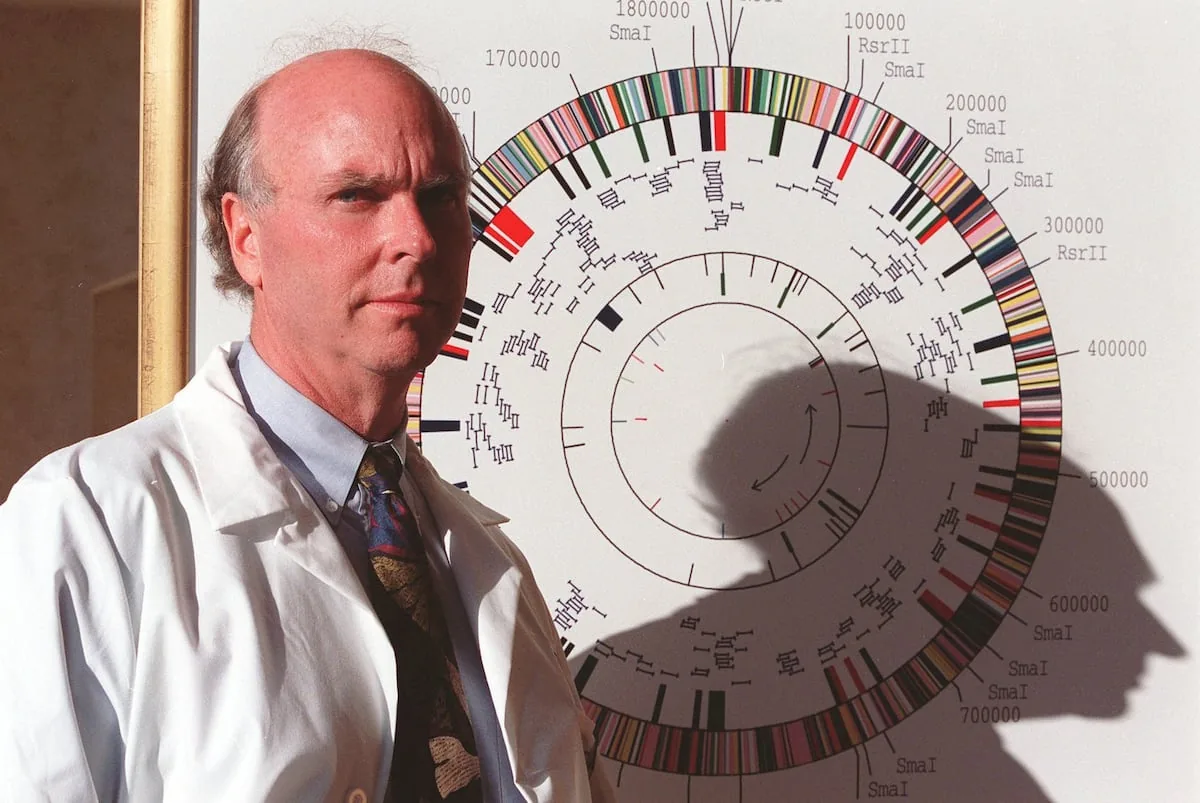
A quarter of a century later, the human genome has not fulfilled those expectations, but it has forever changed the way science and business are done in biotechnology. This was explained to this newspaper by Roderic Guigo and Pep Abril, the only two Spaniards who participated in the project alongside Venter. They were responsible for producing the first visualization of the human genome, a huge poster that was read almost like a world map, with continents, islands, and oceans of then-disregarded junk DNA, now invaluable for understanding how our body works and the origin of many diseases, including cancer.
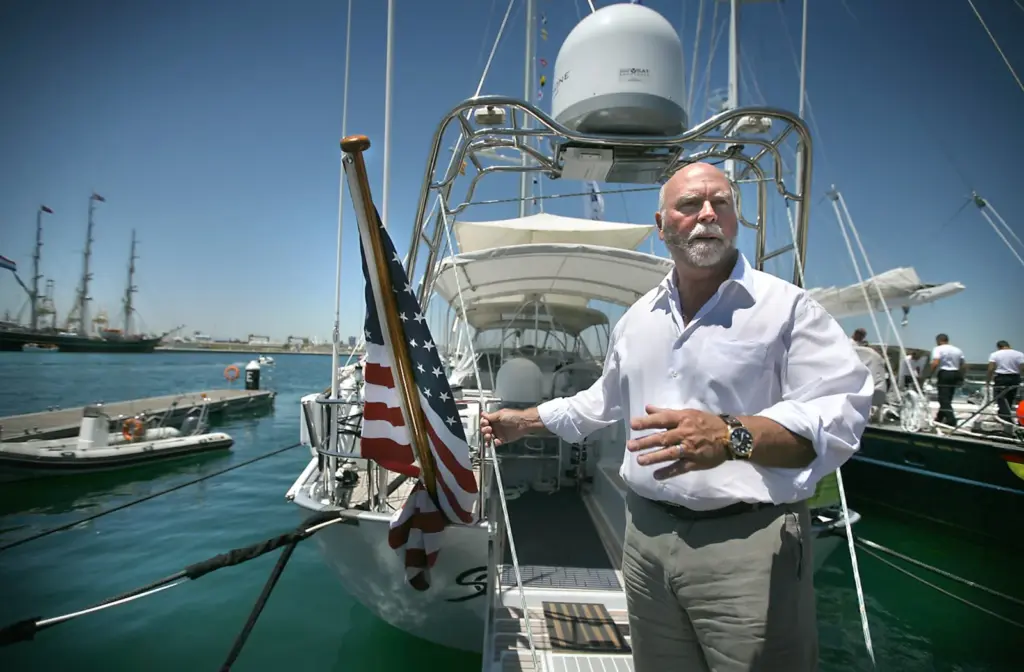
Ambitious and tireless, he later contributed to redefining the very concept of life by creating artificial life in the laboratory, a synthetic bacterium with 473 genes. After the human genome feat, Venter left Celera due to disagreements with other executives. By then he was already a very wealthy man and dedicated himself to sailing the sea on his boat collecting all kinds of microbes to then sequence their genomes.
The scientist founded the Craig Venter Institute, where he focused on so-called synthetic biology, which consists not just of reading but designing the genome of living beings to give them new capabilities, superior to those given by nature. As head of his institute, Venter signed a new series of crucial studies in the past decade in which he touched on the creation of artificial life, including bacteria with a minimal genome, the most concise expression of life. Some of his goals were to design bacteria that produced clean energy or eliminated pollution caused by fossil fuels.
Venter grew up in California and always preferred surfing and fun to studying. He served as a medic in the Vietnam War, where he was so shocked by the war atrocities that he almost swam to exhaustion to commit suicide. Recently, he appeared on the list of scientists implicated in the Epstein list scandal.
His leadership and vision transformed genomics and contributed to the rise of synthetic biology. He promoted scientific and technological change by creating interdisciplinary teams, encouraging bold ideas and faster methods, and insisted that discoveries should have a real impact on the world. He was a strong advocate for the need for solid public funding for science and for promoting partnerships between government, academia, and industry.
Venter was a bright predecessor of the all-powerful and insolent entrepreneurs who are so ubiquitous in today’s world. His somewhat arrogant, determined vision led him to sequence his own genome in just three years and at a cost far lower than the NIH public project, which cost about $3 billion and 11 years of work.
A few months ago, Francis Collins, former NIH director and leader of the public human genome project, was asked if it would be possible to repeat the feat in his country. “Probably not, China would do it,” he replied to the specialized media Gen. It is an important matter, because according to the former head of the largest public biomedical research organization, the human genome multiplied the amount of money invested by 140 times, that is, those $3 billion would have generated wealth for the United States close to a trillion dollars. His then rival Craig Venter spoke with the same media in one of his last interviews. The scientist made a very similar reading: China’s immense economic investment in this field has made the United States a “dwarf” in comparison, he said.
Read more Spain grows 2.7% in the first quarter under the shadow of the energy shock in the Middle East