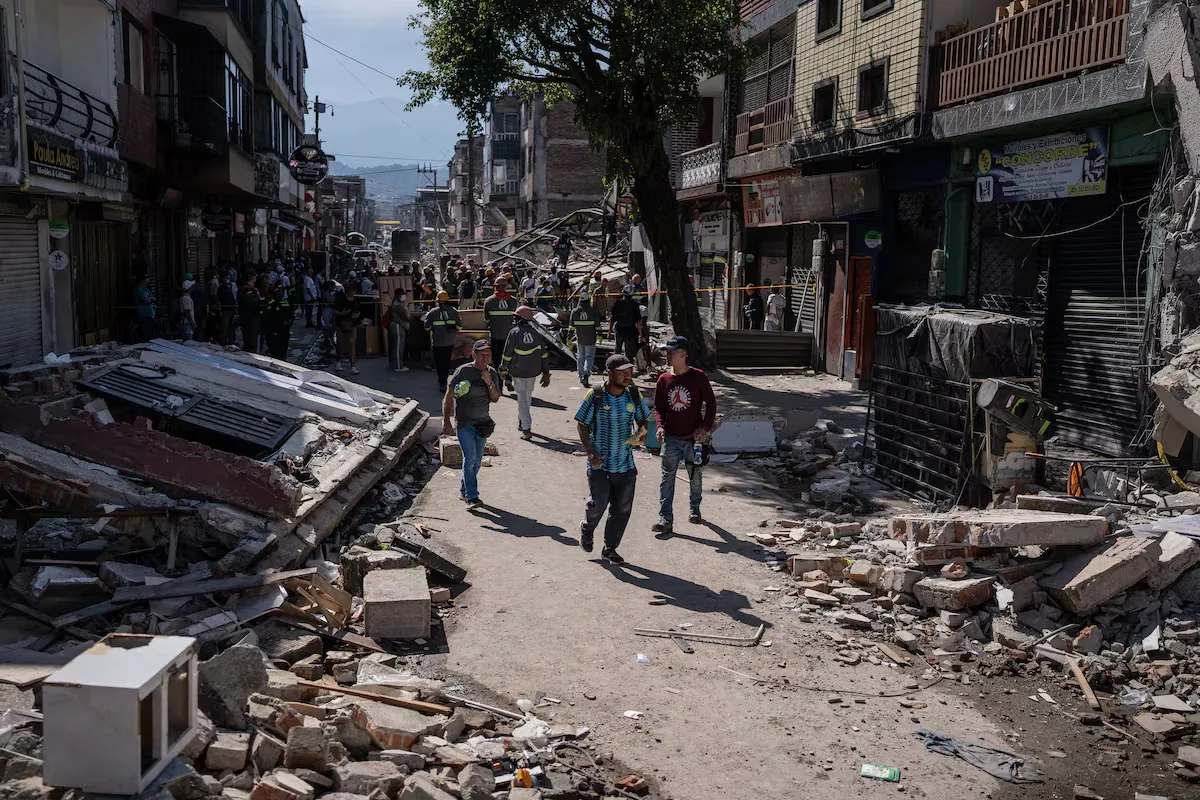
The department of Chocó woke up this Tuesday without rest. With cell phone flashlights and spotlights pointing from the ground, the people of Chocó spent the night shining towards the rubble, searching in the darkness for any sign of those trapped after Monday’s magnitude 7.4 earthquake. The epicenter was in San José del Palmar, in the innermost area of the jungle department on the Pacific coast. The tremor shook much of western Colombia and unleashed an emergency that has not ended: in the first 24 hours, the region has felt nearly a hundred aftershocks.
Read more El Barça pierde a Roony por una lesión de ligamentos
In Quibdó, the capital of the department, the night passed between rescue efforts and debris removal. At least 40 homes were destroyed and 13 people died, while another 131 were injured. The extent of the damage has only just begun to be assessed this Tuesday, as families went out to check their houses and authorities toured neighborhoods to determine which structures could still be inhabited and which would have to remain empty.
In Bahía Solano, on the coast, the news arrived from Quibdó with the weight of tragedy. Mateo Valencia Valencia, six years old, son of the mayor of that municipality, Jairson Leonel Valencia Pinilla, was trapped under the rubble of a building in the capital. Thus, in the coastal municipality, the emergency soon received a name and a face: the child did not survive the collapse.
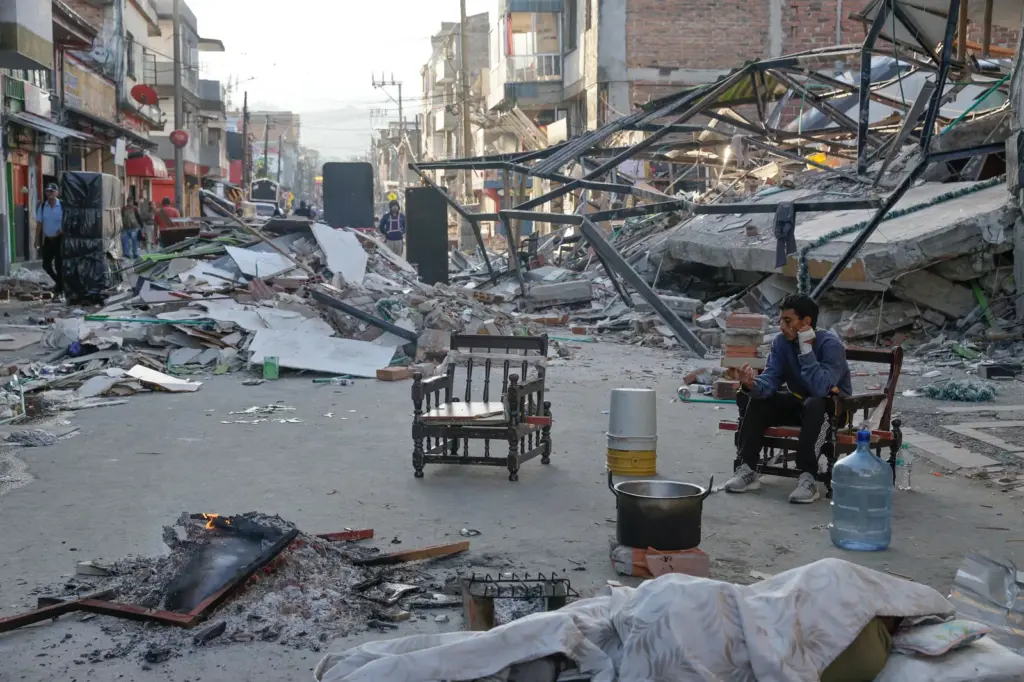
The news crossed Chocó through the routes that connect it and, at the same time, keep it isolated: by river, by air, by phones that, although intermittent, for hours were the only bridge between municipalities. In Bahía Solano, resting on the Pacific and surrounded by jungle, the earthquake was felt as a shake that came from the interior of the department. In the urban center of San José del Palmar, residents recorded videos this Tuesday checking walls, roofs, and roads.
The municipality of the epicenter remains the most critical point. Its mayor, León Fabio Marín Moncada, described a critical situation from the first day: with intermittent phone signal, there were difficulties contacting authorities and it took hours to speak with the National Unit for Disaster Risk Management (UNGRD), responsible for emergency response. “The municipality does not have the means to supply or attend to this calamity,” he stated, referring to the centuries-old poverty that plagues the department. Therefore, he requested machinery to remove landslides, support from energy companies to restore service, and aid in the form of food, blankets, and sheets for affected families.
This small municipality of barely 5,000 inhabitants in total, about 1,500 in its urban area, has suffered serious consequences from the emergency. So far, 500 homes have been affected and about 20 structures have completely collapsed. Not even the parish church was spared: the central lamp fell to the ground and there was damage in the sacristy.
Read more The Council of Statutory Guarantees endorses the Chambers law, including the “silver seats”
Help has been slow to arrive. The municipal ombudswoman, Helen Johana Cuero, has been denouncing for more than two years the deterioration of the only land route that connects the town with the interior of Colombia, through the department of Valle del Cauca. She has pointed out that it is abandoned, plagued by landslides and potholes: “We have no land route to Valle del Cauca nor plan B,” she warned then. The physical and digital isolation became one of the worst threats during the critical hours of the rescue.
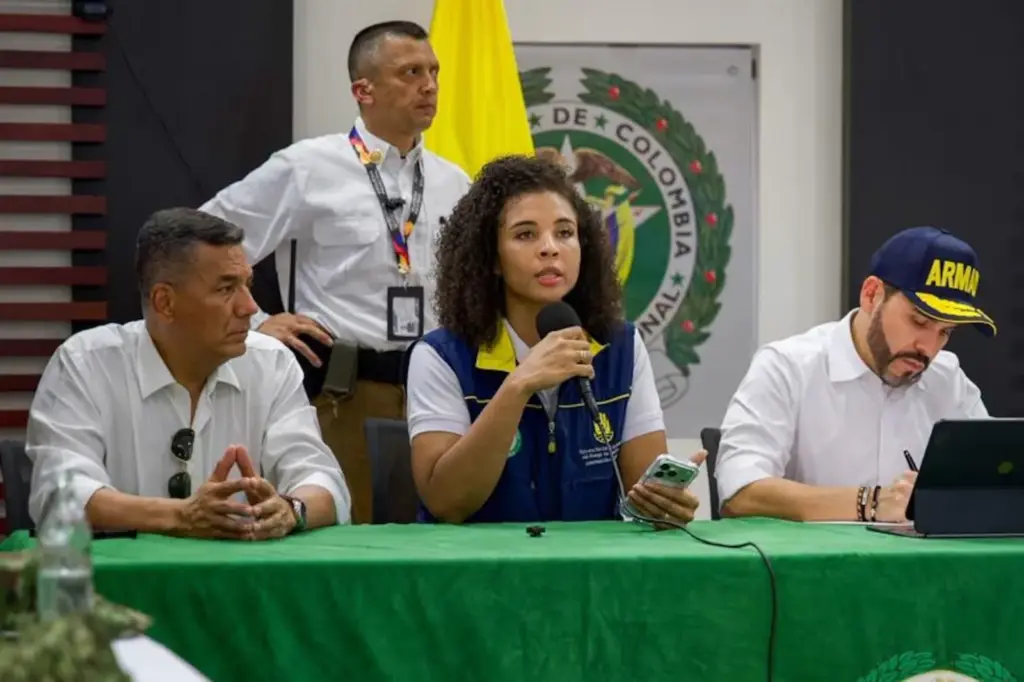
The 31 municipalities of Chocó depend on river and air transport connections. The fragile road network does not connect the entire department and has problematic connections with the rest of the country. The governor, Nubia Carolina Córdoba, recalled on Tuesday morning that this weighs on the situation, as they add, without rest, a full day of search and rescue efforts. “We present the information report, and we thank the rescue organizations, medical personnel, and volunteers who have not ceased in the tasks of care, rescue, and support. We will not stop the search until we find all the still missing people,” she wrote on her social networks.
While Chocó tries to complete its own map of the tragedy, the earthquake leaves a trail of damage in other areas of Colombia. Pereira, Cali, Manizales, and Armenia were among the most affected cities, with a still preliminary national balance approaching 1,600 damaged homes, as well as dozens of collapsed buildings. More than 24 hours after the movement, the Asocapitales report counts 181 deaths only in the largest cities and more than 900 injured, figures that only reflect a temporary image, as they continue to change as emergency teams reach the affected areas.
The Colombian president, the ultra Abelardo de la Espriella, visited the capital of Chocó on Monday itself. In Quibdó, the leader committed to rebuilding the affected buildings and assured that the department “will never again be the land of oblivion.”
The commander of the National Army, General Royer Gómez Herrera, arrived in Chocó this Tuesday. He has met with the governor and the agencies of the National Risk Management System, coordinating emergency response. The Army also reinforced its deployment throughout the region: the Engineer Command sent five platoons to Chocó, Valle del Cauca, Quindío, Risaralda, and Caldas for debris removal work. This is just the beginning. Chocó, a historically marginalized department and one of the most affected by the internal conflict, has yet to fully grasp the tragedy.