








SMART +
Solar irrigation system
Automatic irrigation system
C4099O
Irrigation system
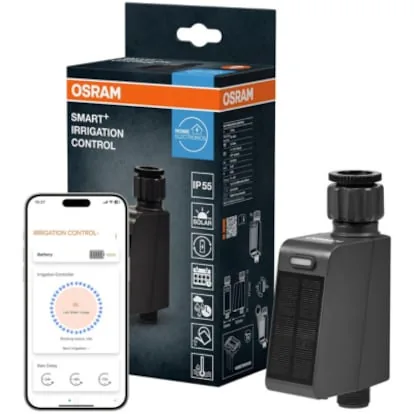
The best automatic irrigation system
Summer is almost here and, with it, the well-deserved holidays and getaways that help us forget the routine. But when this moment arrives, some people face a small problem: “who waters my plants?” If you want to give your neighbor or friend a break who spend summers enslaved watering your geraniums while you are in the village or at the beach, we have a solution: automatic irrigation systems.
These devices allow you to set the duration and frequency of watering, programming them according to the needs of each plant. They can be used both indoors and on the terrace or garden, and thanks to their features, they keep plants at the optimal moisture even when you are away from home for a month.
Some of them work plugged into the electrical outlet, while others use energy sources such as solar panels. To operate them, it is necessary to install them following the manufacturer’s instructions precisely. In this comparison, I tested four of them to find out which is the best automatic irrigation system on Amazon.
How we chose and tested the products
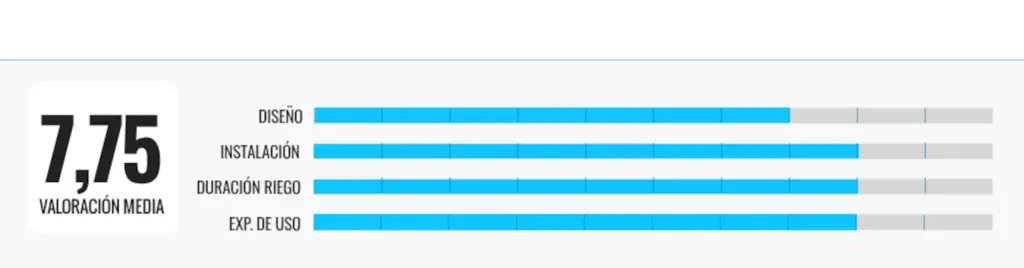
I used the products participating in this comparison both on the plants I have in my apartment and to water those in the village garden. In the first, I programmed them for the days I would not be home; while in the second, I installed them and checked their performance during weekends, which is when I usually go to the village. Although normally my uncles, with whom I share the garden, water every week, we also used the automatic irrigation systems to check if the results were good and, above all, to avoid having to worry about watering constantly. Additionally, when analyzing and evaluating them, I considered the following aspects:
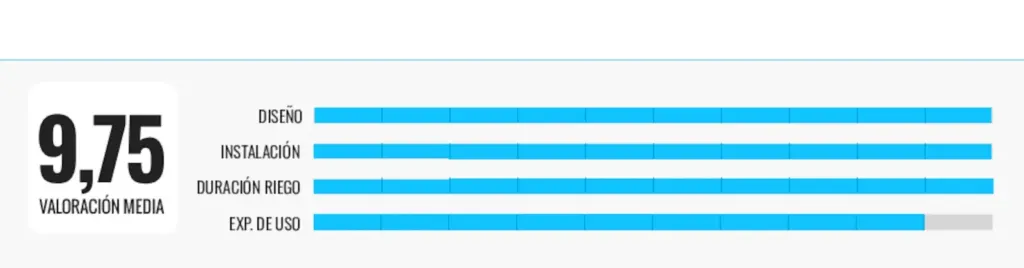
- Design: the quality of their materials, whether they are resistant and durable, and even if they are aesthetic.
- Ease of installation: Are they very complicated to install? Are the instructions clear and do they facilitate this task?
- Duration and amount of watering: how long it can supply water to the plants and how many liters it has capacity.
- User experience: Does it hydrate the plants correctly? Is it able to supply watering during the indicated period?
Why can you trust me?
I am a journalist specialized in technology and, in recent years, I have focused on product analysis and making comparisons, testing devices and articles of all kinds for the home and personal care. In each of them, I analyze the products in real conditions, reviewing their features, advantages, and possible limitations to offer clear and useful recommendations. My goal is simple: to help the reader choose wisely among the different market options, always based on verified information, practical experience, and an independent perspective.
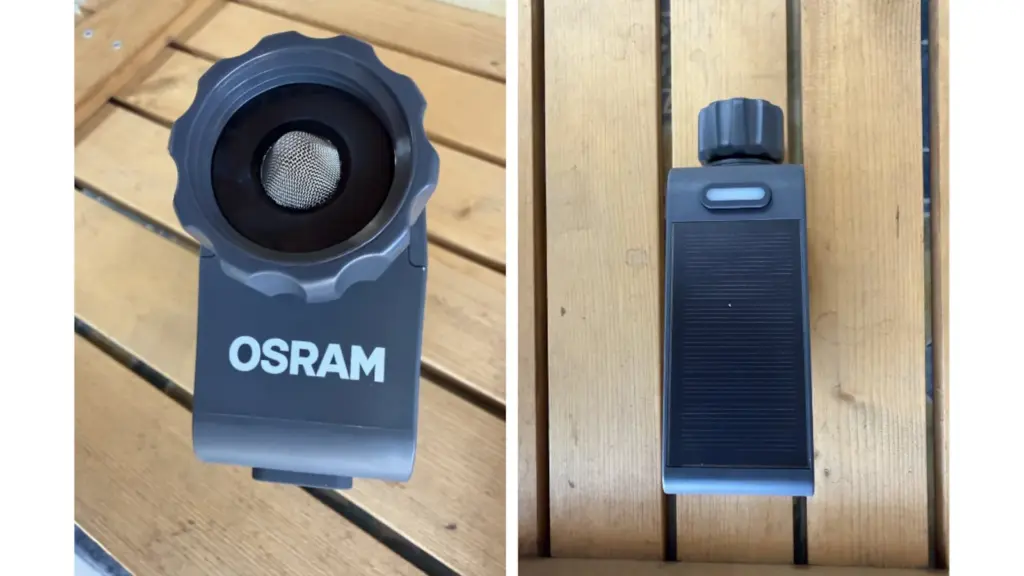
1) The winner: OSRAM SMART + automatic irrigation system compatible with Google and Alexa
Who is it for: those who want a smart irrigation system that can be controlled through an app and is compatible with assistants.
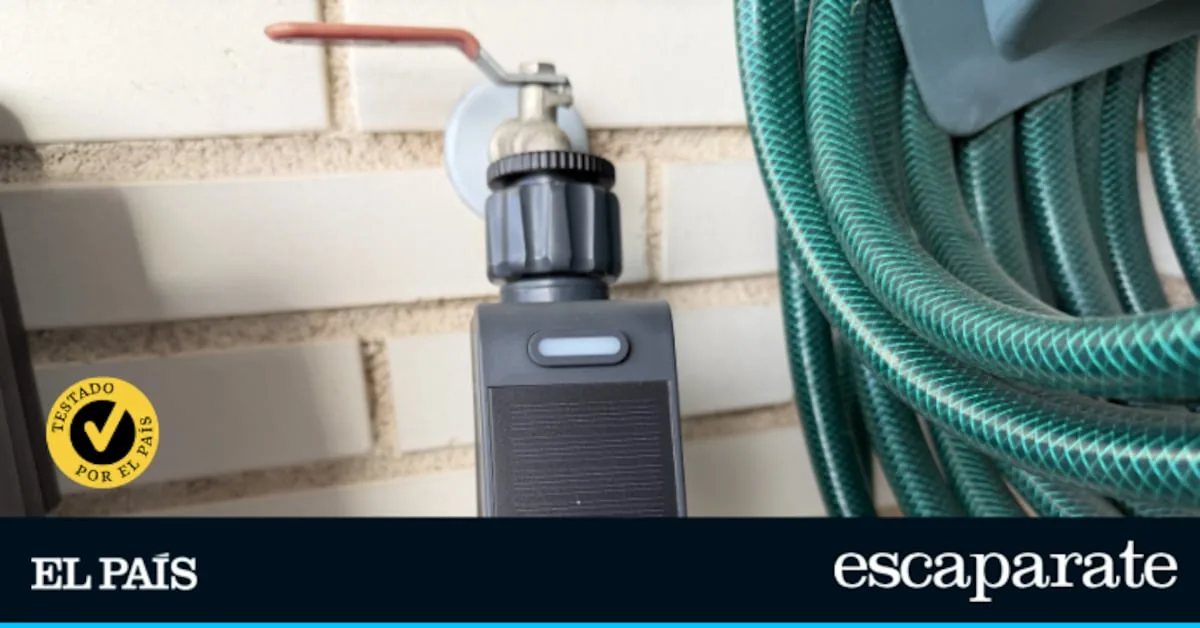
Why we chose it: just attach it directly to the tap and in a few minutes I had it working. It works via WiFi, which simplifies the process a lot compared to other more complex systems. Also, linking it with the SMART+ app is quite intuitive, and from there you can configure the watering programs to your liking.
In daily use, what convinced me most about this model is the programming flexibility: with it, you can define schedules, duration, and even adjust watering by water volume, something not so common in devices of this type. It also includes two watering modes (one deeper and one gentler), allowing it to adapt to both pots and garden areas. I also found the integrated water counter useful because it gives a pretty clear idea of water consumption.
Another interesting detail is the hybrid power supply: it combines a rechargeable battery with a small solar panel. In my case, after several days of use, I did not have to worry about recharging it, which is an important plus if you leave it installed for several weeks. Added to this is compatibility with assistants like Alexa or Google Home, allowing voice activation or integration into smart home routines.
Its weak points: it depends quite a bit on the stability of the outdoor WiFi; if coverage is not good in the garden, remote control becomes a bit irregular.
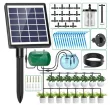
2) With solar panel: AnseTo automatic irrigation system for the garden
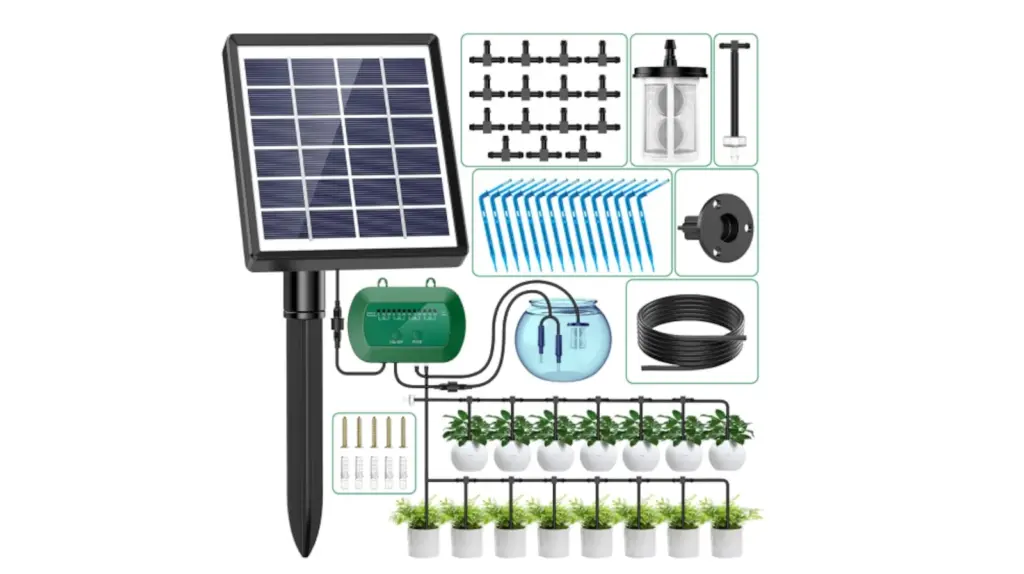
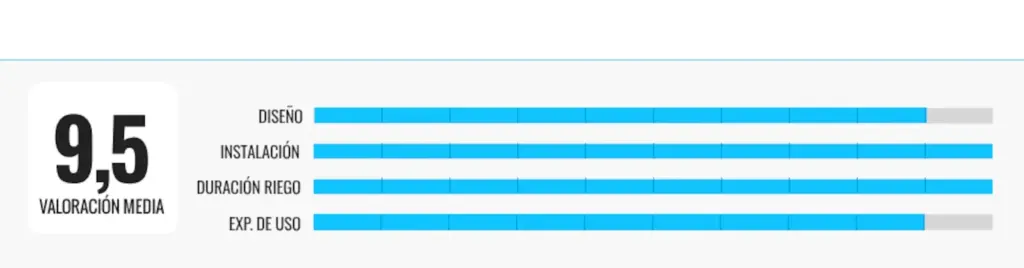
Who is it for: those looking for a drip irrigation system that works with solar power and allows watering several plants at once.
Why we chose it: the first thing that caught my attention was its compact design and the possibility of working with solar battery, which is a relief for those who do not have a socket near the garden or balcony. Installation was quite intuitive: the kit comes with everything needed: tubes, drippers, connectors, and a small motor with timer, and it took me about 30 minutes to assemble everything.
For this, I followed the diagram in the manual and, with a bucket of water as a reservoir, I was able to start the system without complications. I liked that the programmer has a clear screen, where you can easily choose how often the watering activates and how long each cycle lasts.
During the first days, I tested it with a basic configuration: one watering cycle every 12 hours, lasting 5 minutes. It can be adjusted to 12 timing modes, with watering times of 5/15/20/30 minutes and watering frequency of 12/24/48/72 hours. I used it with about ten pots (its maximum is 15), including aromatic plants, cherry tomatoes, and some flowers. The dripper distributes water well, as the pressure is quite constant, but the last pots receive water with much less pressure. The system is also quiet.
In summary, the AnseTo drip irrigation system is a practical, affordable, and functional solution for those looking to automate plant care without complications. Its strong point is ease of use and the autonomy offered by solar charging, although it also has certain limitations regarding system extension. If you have a small garden, urban garden, or balcony with pots, it is a highly recommended option to forget about watering for days.
Its weak points: when many pots are used, the last ones are not watered with the same strength as those in the first places.
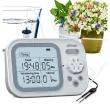
3) With digital screen: beday automatic plant irrigation system
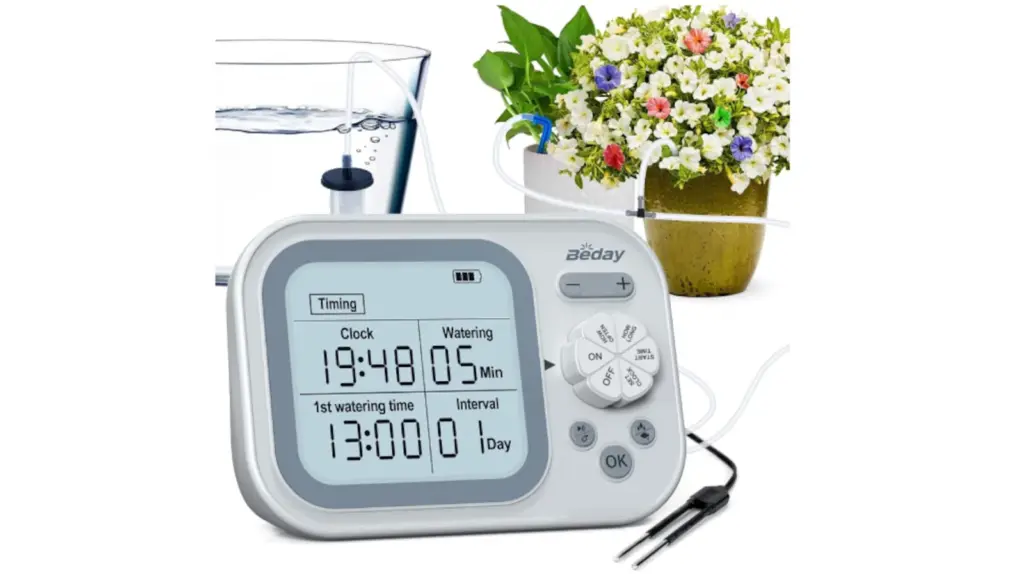
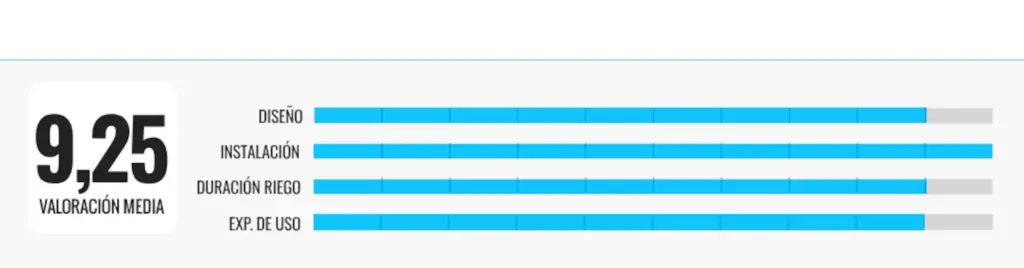
Who is it for: those looking for a system for several pots that is easily controlled from an LCD screen.
Why we chose it: this system is characterized by a minimalist design that guarantees simple installation without tools. The system consists of a small pump with digital screen, tubes, connectors, and drippers, designed for users who do not want complications.
In my case, I installed it connected to a 10-liter jug and took less than 20 minutes to have everything ready. It did not need a nearby power outlet because it works with a USB rechargeable battery, which was a big plus.
One of the most useful features is its programmable timer, which allows choosing both the interval between waterings and the duration of each cycle. I set it to water for 1 minute every 24 hours, ideal especially for some garden plants that do not need large amounts of water. I liked that the device has a clear screen and that the buttons respond well.
The system is also quite quiet when operating, just a slight hum during pumping. Regarding water distribution, each dripper provides a reasonably uniform flow. I tested it with about 12 plants and the result was quite balanced. With 15 pots, pressure drops and some drippers started to fail, but with fewer it works quite well.
One point that did not fully convince me was the low robustness of the accessories: the tubes are somewhat flimsy, and I had to reinforce a couple of connections with ties because they tended to come loose.
Its weak points: some tubes are flimsy and it does not have enough power for 15 pots.
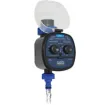
4) Easy to use and efficient programmer: Aqua Control C4099O irrigation system
Now with an 11% discount.
Who is it for: those looking for an efficient irrigation programmer.
Why we chose it: it is an irrigation programmer that installs directly on the tap. The first thing that surprised me was how easy it is to start it: just screw it onto the tap (standard garden thread), insert two batteries, connect the hose or drip system you have installed, and that’s it. In my case, I tested it with a drip irrigation circuit I already had set up, with about 20 drippers distributed throughout the terrace.
At this point, it is worth noting that unlike the other models, it is necessary to buy the drippers separately, which may be less convenient for those who want to buy an irrigation system with all accessories included.
The strong point of this programmer is undoubtedly its programming versatility. You can choose both the watering frequency (from every 6 hours to once a week) and the duration (from 1 to 120 minutes). The rotary wheel and control panel are intuitive, and in minutes I had everything configured. I set it to water once a day for 15 minutes, and the results were very good.
Also, the valve opens and closes precisely, and the water flow did not vary at any time. It is a system that does not depend on extra pressure nor needs a rechargeable battery, which I find quite useful.
As a weak point, note that it does not have a digital screen, which may discourage those who prefer more visual programming. Here everything is handled with wheels and selectors, and another important detail is that, since it depends on an outdoor tap, it is advisable to protect it from direct sun and rain, although the body is quite resistant and well sealed.
Its weak points: you have to buy the irrigation drippers separately.
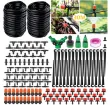
5) The most economical: DONGQI automatic irrigation system
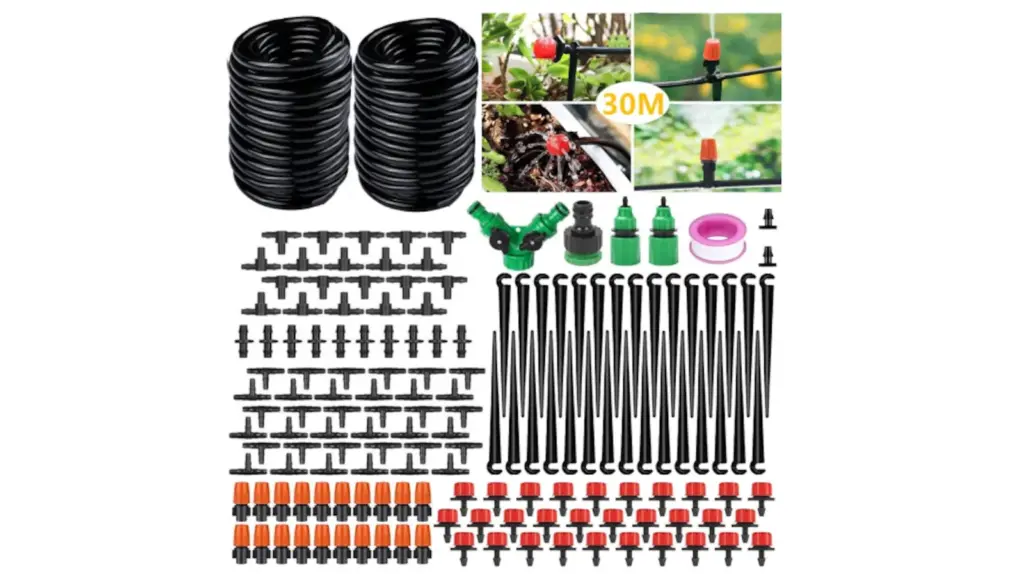
Who is it for: those looking for a very cheap automatic irrigation system.
Why we chose it: it comes with 30 meters of tubing, connectors, adjustable drippers, stakes, a connector for taps, and a small selection of spray nozzles. It is a 100% mechanical system, so it has advantages and disadvantages. In my case, I installed it connected directly to the outdoor tap, using a programmer I already had (because this system alone does not include a timer).
I distributed the main tubing through a planter area with plants and branched it to about 15 pots. Installation took me a bit longer than expected: although the instructions are clear, you need some patience to cut the tubes to size, place the drippers, and ensure everything fits well. Also, some tubes do not fit perfectly and leak, so it is necessary to secure them with a heat gun or ties.
One aspect I liked is that the drippers are adjustable, which allowed me to adapt the water flow to the different needs of my plants. It also includes spray-type nozzles, which I find useful for wider watering. In summary, the DONGQI drip irrigation system is a practical option for those looking for a simple solution without investing too much money.
Its weak points: it leaks, does not have a timer, and installation takes more time.
Another interesting automatic irrigation system model
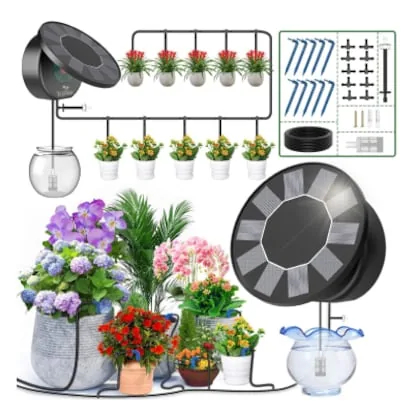
If you are looking for a system with solar charging and several watering programs
Frequently asked questions about automatic irrigation systems
What is an automatic irrigation system?
It is a set of devices that allow watering plants or gardens in a programmed way without manual intervention. It usually includes a programmer, valves, and emitters (drippers or sprinklers).
How does an irrigation programmer work?
The programmer connects to the tap and controls when the water flow opens and closes. You can define schedules, duration, and frequency from the device itself or from an app if it is smart.
What types of automatic irrigation exist?
The most common are drip irrigation, ideal for pots, gardens, or hedges; sprinkler irrigation, more suitable for lawns; and underground irrigation, more efficient but also more complex to install.
Is a smart system worth it?
Yes, especially if you seek convenience and water savings. Smart models allow: remote control from mobile, more flexible programming, integration with voice assistants, and adjustments according to climate (in more advanced models).
How much does an irrigation system consume?
It depends on the type of installation, but generally helps reduce consumption because it waters more precisely. Some models even include water meters.
Is it difficult to install?
No, in most cases not. Basic systems (like those connected to the tap) install in minutes. More complex systems with buried pipes require more work.
[Remember that if you are an Amazon Prime user, all purchases have free shipping. Amazon offers a free and no-obligation trial period of 30 days.]
*All purchase prices included in this article are updated to May 19, 2026.
You can follow EL PAÍS ESCAPARATE on Instagram, or subscribe here to our Newsletter.
Read more The UN warns of the “stagnation” of the green transition in buildings and construction