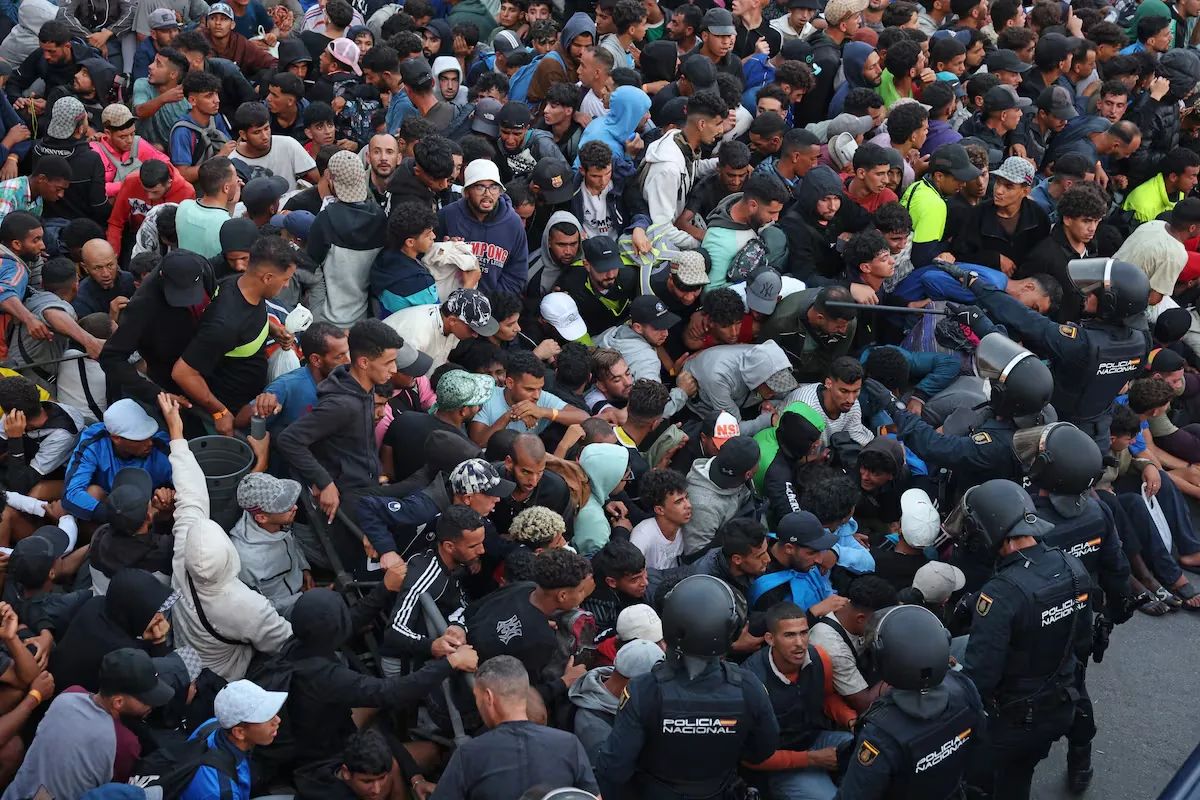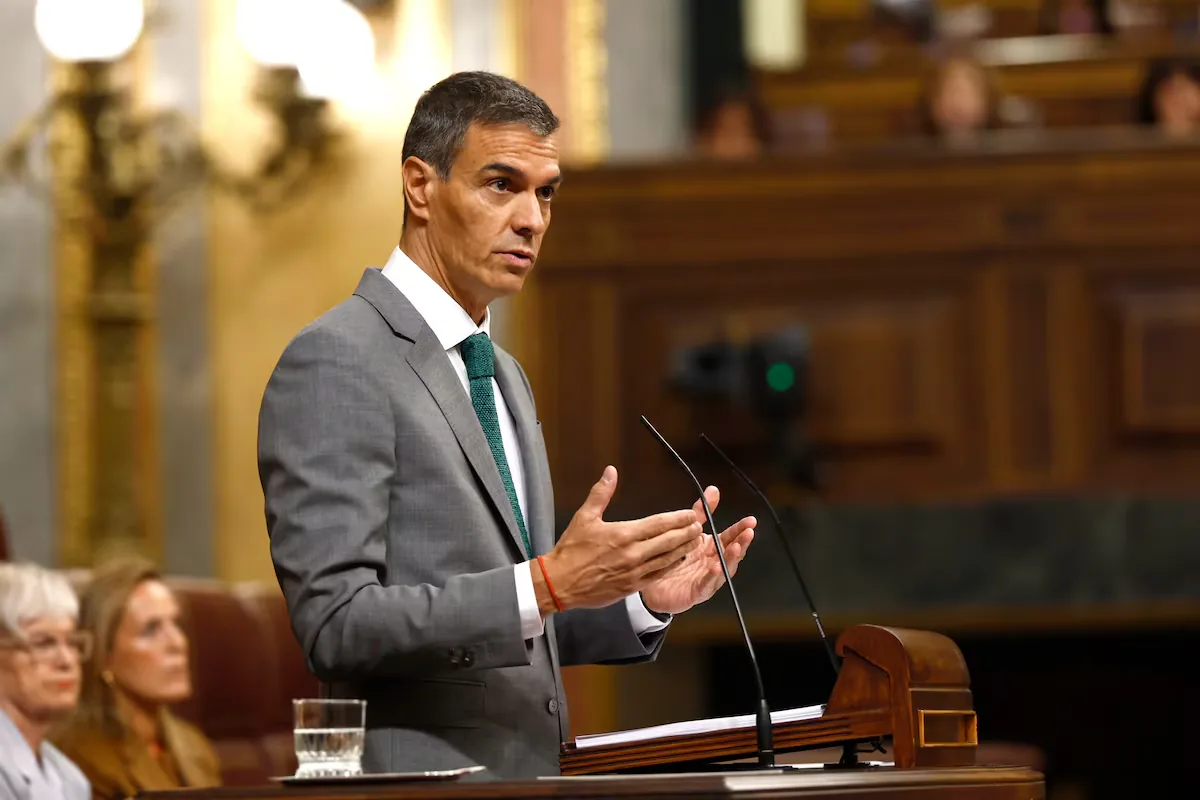
The Prime Minister, Pedro Sánchez, appears this Thursday before the Plenary of the Congress to explain the management of the crisis in Ceuta after the massive entry of more than 80,000 people on July 30 and 31. In his speech, he assured that, without coordination with the Moroccan authorities, the return of the migrants “would have been impossible.” Sánchez explained that, in less than 24 hours, the return of 50,000 people was achieved, and that 72 hours later around 63,000 had returned, more than 90% of those who had crossed the border irregularly into Ceuta during the crisis, a figure that, according to the president, makes this operation “one of the fastest return processes ever carried out in recent European history.” Sánchez appears at his own request and that of the PP, following the controversy over the police report that points to Moroccan agents, and a day after massive protests in support of Ceuta throughout Spain. And he does so after tens of thousands of people gathered yesterday in Ceuta and numerous Spanish cities to demand solutions and criticize the Government. The National Police dispersed ultra groups near the Congress with tear gas and rubber bullets.
Read more The best oil sprayers: we tested four models to find out which one is worth it
EL PAÍS offers the latest on the migration crisis free of charge. If you want to support our journalism, subscribe.

Sánchez: “A democracy is not stronger by breaking the law to solve a problem”
The Prime Minister, Pedro Sánchez, has explained that the return of migrants who stayed in Ceuta after the massive entry “takes time, more than we would like,” because “before expelling a human being you have to verify who they are, that they do not come from a country at war where their life may be in danger; and if they are a minor, you have to make sure they have a safe home to return to.” For all this, he assures, “proceeding according to these guarantees does not make our democracy a weaker system, as reactionaries insinuate from those armchairs, it is quite the opposite: a democracy is not stronger by breaking the law to solve a problem, it is when it solves a problem without breaking the law and faithfully complying with it.”

Sánchez asserts that Ceuta and Melilla are Spanish cities: “And they will remain so until the end of time”
The Prime Minister, Pedro Sánchez, began his appearance in Congress asserting that Ceuta and Melilla are Spanish “and will remain so until the end of time.” To this end, he reminded the deputies that the two lions flanking the doors of the building housing the lower chamber “were cast in 1865 from cannons captured from Moroccan troops in the so-called African war and were made to commemorate the signing of the Wad-Ras treaty, which served to end this conflict and to consolidate Spain’s sovereignty over Ceuta and Melilla in perpetuity.” Since that treaty, both cities have been Spanish by diplomatic agreement.
Sánchez assures that without Morocco’s collaboration the return of migrants “would have been impossible”
The Prime Minister, Pedro Sánchez, explained in Congress that, after reinforcing the border with Morocco, the government’s second priority was “to attend to and quickly return those who had no right to remain” in Spain. To this end, he detailed, immigration teams were reinforced, temporary reception places were expanded, and “close coordination with Moroccan authorities was established, without which it would have been impossible, illegal, and also logistically impossible” to achieve the results obtained.
Sánchez highlighted that, in less than 24 hours, the return of 50,000 people had been achieved, and that 72 hours later around 63,000 had returned, that is, “more than 90%” of those who had crossed the border irregularly into Ceuta during the crisis. A figure that, according to the president, makes this operation “one of the fastest return processes ever carried out in recent European history,” something he emphasized, “I’m not the one saying it, the European Commission has recognized it.”
Sánchez states that the Ceuta crisis is an “episode in which numerous actors and interests and several social issues converge”
The Prime Minister, Pedro Sánchez, referred to the massive entry of more than 70,000 immigrants into Ceuta as “something very complex and multifaceted.” “We are facing an episode in which numerous actors and interests and several social, technological, and geopolitical issues converge,” he detailed. “I understand that this complexity may confuse many and annoy others who prefer to live in a world of slogans and simple messages and headlines. But denying or ignoring it would do a disservice to the truth and, therefore, to Ceuta,” he concluded.
Sánchez: “Spanish agents decided to let migrants pass momentarily. I think they did the right thing”
The Prime Minister, Pedro Sánchez, began his intervention with an account of what happened in Ceuta at the end of July. He explained how the entries by swimming increased from 37 daily until July 25 to 194 on the night of the 29th. This increase was detected and the Spanish and Ceuta authorities “coordinated to face it knowing, by the way, that it was evidently a significant increase, but by no means unprecedented and exceptional.” But on the 30th, the situation changed “radically and also suddenly,” due to social networks with “videos encouraging crossing the border” and many groups of migrants heading to the border were seen, and many began to swim across the breakwater, whereupon, “the Spanish agents deployed at the border had to make a decision, to let people pass momentarily or try to contain them by force, which would very likely have caused an even greater tragedy than the one that occurred.” “I think they did the right thing,” he concluded.
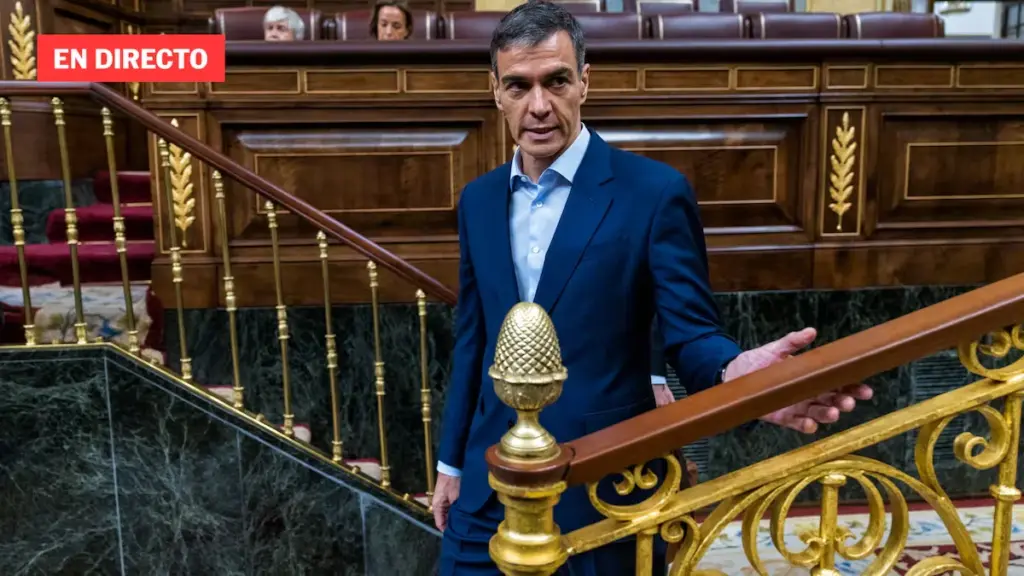
Pedro Sánchez’s appearance in Congress over the Ceuta crisis begins
The Prime Minister, Pedro Sánchez, appears in Congress to present the measures promoted so that Ceuta “recovers normality as soon as possible” after the crisis caused by the massive entry of 72,000 people on July 30 and 31. According to the PSOE, Sánchez will report on the situation in Ceuta “with rigor, responsibility, and transparency, as he has always done.”
The event coincides with rallies in support of Ceuta and the controversy over the report from the National Intelligence and Border Center (CENIF) of the National Police sent to the National Court, which points to the participation of Moroccan agents.
Sira Rego questions the Government’s version about Morocco and calls for minors to be removed from Ceuta
By Juan Molina
The Minister of Youth and Childhood, Sira Rego, upon arriving at the Congress of Deputies, questioned the Government’s version that Morocco had nothing to do with the massive crossing of people in Ceuta.
Additionally, she sent a message of solidarity with Ceuta, asserted that all administrative resources must be made available to protect the most vulnerable, and defended that minors must be removed from Ceuta.
She criticized the border protection system, which leaves its management in the hands of third countries like Morocco, “which do not recognize the determination of the Sahrawi people.”
MIGRATION CRISIS
Those who did not go out to protest in Ceuta: “I’m afraid something might happen”
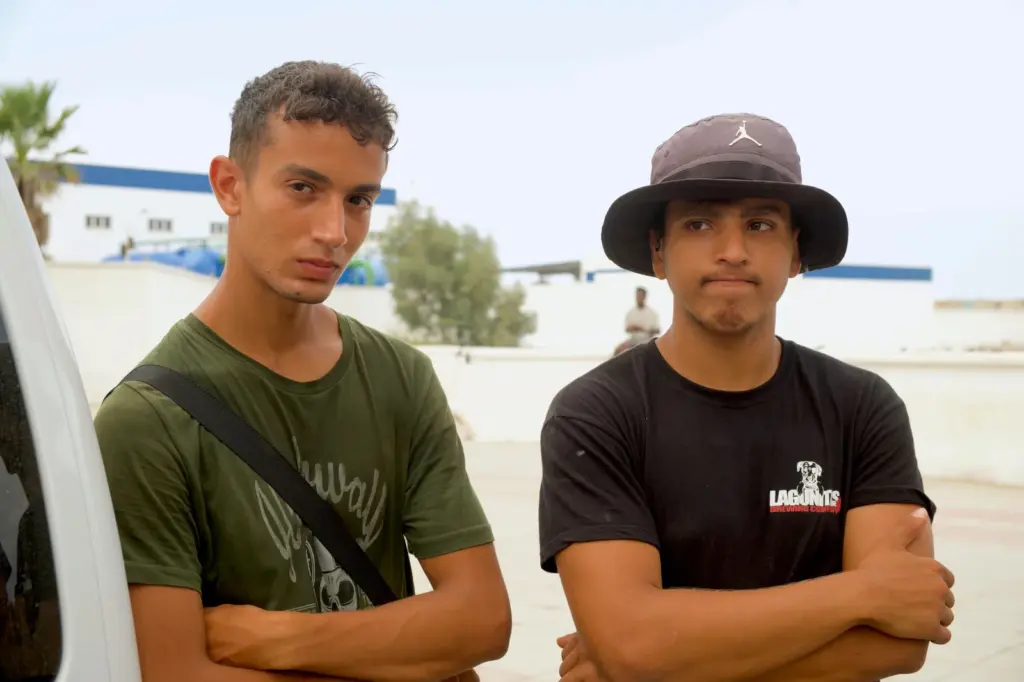
At the time when the massive demonstration was taking place in Ceuta and hundreds of thousands of people were gathering in town halls across Spain, a group of teenagers waited on a beach in the autonomous city for the storm to pass. Without making much noise, without causing the usual commotion, this Wednesday fewer voices than usual were heard on the El Trampolín beach, where thousands of migrants have been sleeping for a month. Word spread by word of mouth that this time, yes, Ceuta had mobilized massively during the largest and most numerous demonstration held so far. So Zacarías, Ahmed, or Kaja waited for everything to pass and showed understanding for the anger of the Ceutans. Separated by a few streets, at sunset, they only waited for everything to end to move freely around the city again. Meanwhile, they did not leave the promenade surrounding the beaches of El Trampolín and Benítez.
You can read the full information here.

Valido (Canary Coalition) demands “political responsibilities” and believes the Government has a problem with “reading comprehension” regarding the police report
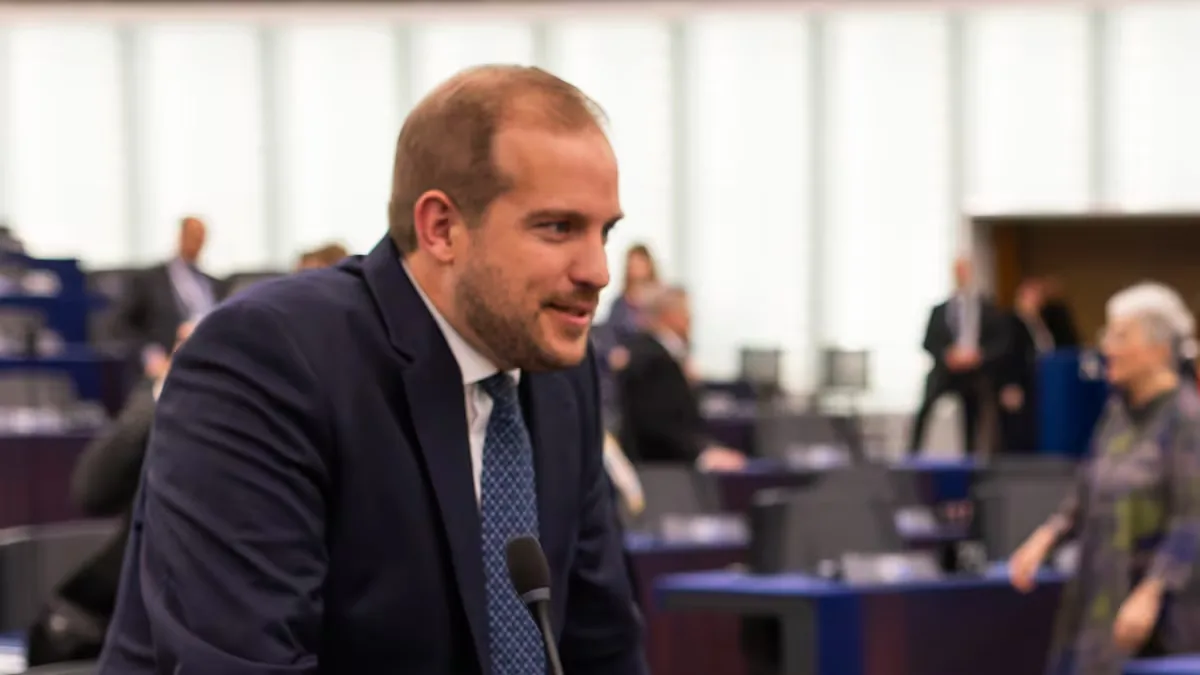
The Canary Coalition deputy, Cristina Valido, demanded this Thursday at the entrance of the plenary “political responsibilities,” pointing to the resignation of the Interior Minister, Fernando Grande-Marlaska, over the Ceuta crisis and after the report pointing to Moroccan gendarmes became known. “Nothing moves in terms of security in Morocco that the Government does not know. What we saw yesterday with the report was a problem in terms of reading comprehension,” the parliamentarian said.
Regarding Sánchez’s appearance, Valido believes it is late. “I do not expect different answers from what has been heard these days. I do not think we will have clear answers,” she said.
migration crisis
Dozens of young Moroccans begin the journey back home: “I have no other choice”
In this episode, our colleague Jacobo García tells us from Ceuta how some of the young people who entered the autonomous city weeks ago are returning to Morocco. They have spent this time sleeping in parks, wastelands, or sewers, without money, and return exhausted, with a sense of failure and, in many cases, with no one waiting for them on the other side of the border.
We also speak with Khadija Ryadi, former president of the Moroccan Association for Human Rights, who describes the context to which they return: in the Alawite kingdom, three million young people between 15 and 30 neither study nor work, about 300,000 children drop out of school each year, and, according to Ryadi, public services are in decline.
You can listen to the full audio here.
MIGRATION CRISIS
Inside the protest in Ceuta: the emotion of Vivas, the critical PSOE deputy, and the outrage in the street
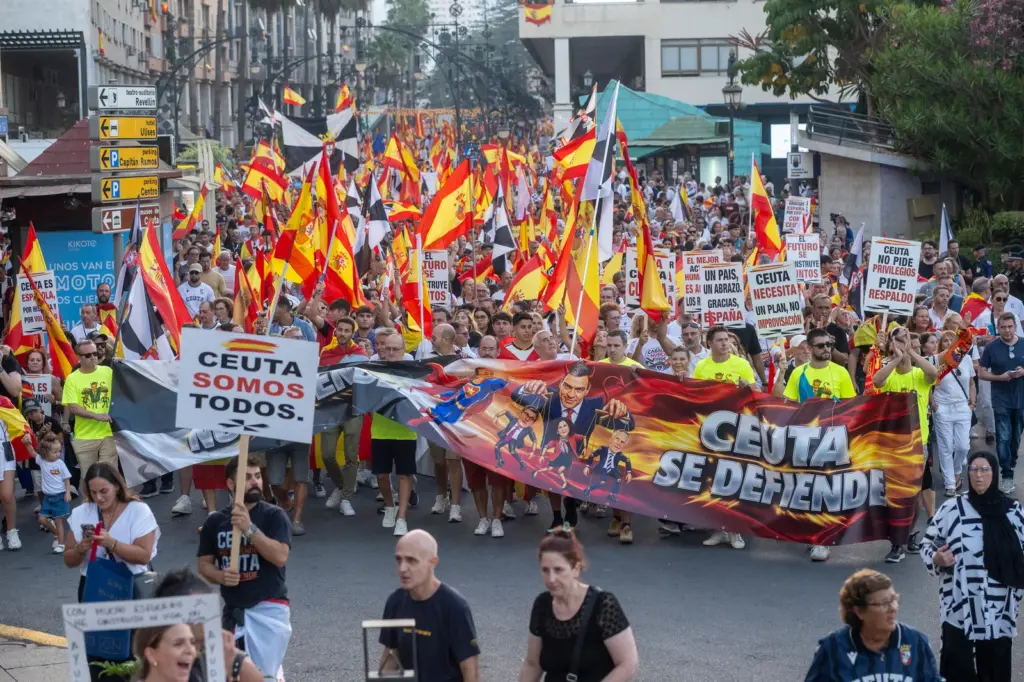
Thousands of people took to the streets of the autonomous city to demand a solution from the Government to the migration crisis.
You can see the full information here.
Migration crisis in Ceuta
Feijóo and Abascal join forces in the protest for Ceuta and accuse Sánchez of “lying” to Spaniards: “He is a traitor”
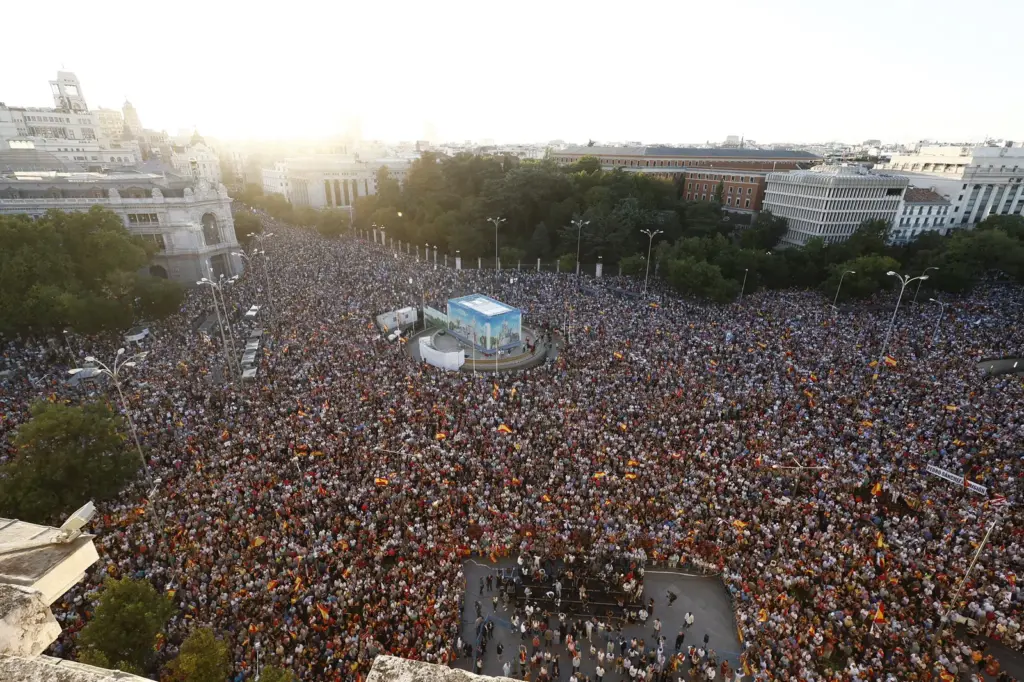
Amid shouts of “Pedro Sánchez, to prison!” and “Invaders, expulsion!”, several thousand people ―50,000, according to the Government Delegation― gathered this Wednesday late afternoon in front of Madrid City Hall, formally convened to show their support for Ceuta after the crisis caused by the massive entry of immigrants at the end of July. It soon became clear at the capital’s protest that it was not only about supporting the Ceutans but also about demonstrating against the Prime Minister, to whom the crowd directed their anger for what happened, chanting “Pedro Sánchez, son of a bitch!” and demanding his imprisonment. The Federation of Municipalities and Provinces (FEMP), controlled by the PP, had called rallies across the country, where the right also showed mobilization capacity by gathering tens of thousands of people ―about 25,000 in Valencia, 10,000 in Badalona, or 20,000 in Ceuta itself, according to the respective Government delegations―. Alberto Núñez Feijóo and Santiago Abascal, leaders of the PP and Vox, who attended the Madrid protest together but not simultaneously, hardened their offensive against the Prime Minister, accusing him of “lying” to Spaniards and being a “lackey” of Morocco and “a traitor” to Spain.
You can read the full information here.
Maíllo: “The gendarmes are the State of Morocco”
The leader of United Left, Antonio Maíllo, who had already hardened his tone yesterday and demanded responsibilities from the Ministry of the Interior over the report pointing to Moroccan agents in the Ceuta crisis, insisted early this Thursday on Rabat’s involvement in the massive entry of immigrants into the autonomous city on July 30 and 31, which the government still does not acknowledge.
“The Government does not want problems with Morocco and fears that if it names it, it could generate even more noise than there already is, but what it cannot do is hide something that for IU is obvious, which is Morocco’s involvement to whatever degree. The gendarmes are the State of Morocco,” argued the left-wing leader on Cadena SER.
“I am very concerned about the operation of terminals of our State in a parallel or disloyal manner towards the legitimate government. The president must inform about this. I refer to the police report, the attitude of the CNI, many previous cases in the Civil Guard that have raised doubts,” he added.
Regarding the Prime Minister Pedro Sánchez’s appearance this morning in Congress, Maíllo said he expects “transparency and monitoring of the facts since they occurred. It is very important because he has to tell a truth: what happened and the commitment not to limit the information. There is an elephant in the room that he has not wanted to address, which is the active or passive, greater or lesser involvement of Morocco.”
MIGRATION CRISIS
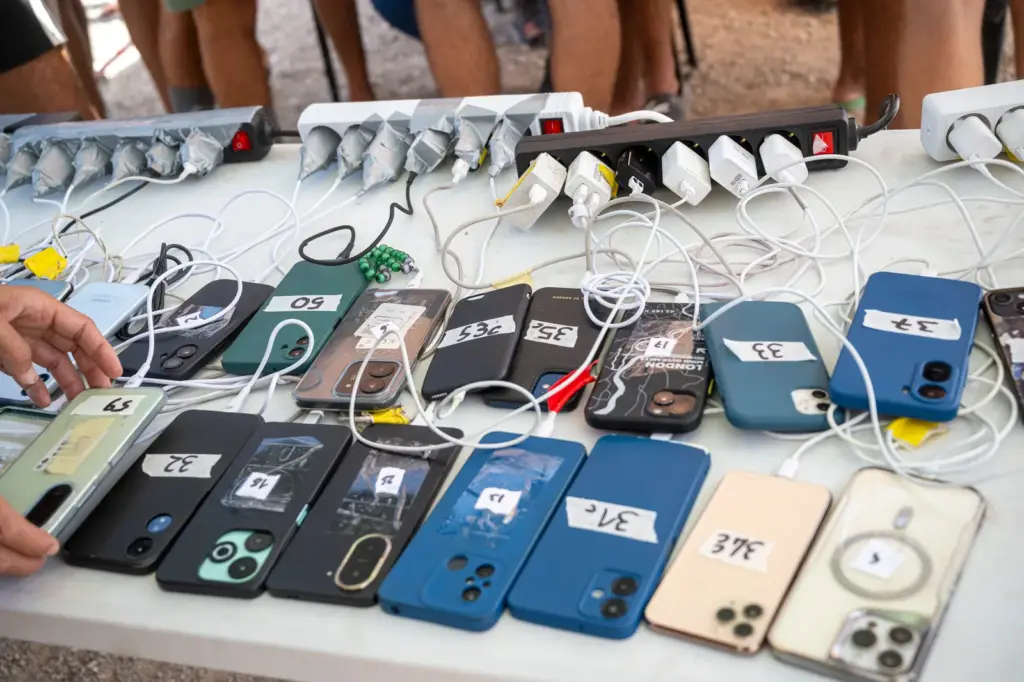
“Night of assault, the last one to turn off the light”: the Police detail the genesis of the avalanche on social media
The cocktail formed by social media and disinformation played a crucial role in the massive influx of immigrants into Ceuta on July 30 and 31. The report on this event that the National Immigration and Borders Center (CENIF) of the National Police has delivered to the National Court assigns social media a “central” and “indispensable” role and an “extraordinary relevance” in the “massive propagation of the call” to the avalanche, which was benefited by a “maximization of the viral effect” thanks to a professionally planned action, the document states.
Messages began to increase around July 24 on Facebook, Instagram, and TikTok, according to the report, which has shaken Spanish politics by pointing out that Moroccan agents “guided” the entry of immigrants into Ceuta and that there was “permissiveness” from Rabat. Some examples of these preliminary messages provided by the National Police: “Guys, is there any planned exit?”, “Brothers, does anyone know another group apart from this one for those who want to go up to Ceuta?”, “Share this post: on July 30, 2026, we will launch an attack against Ceuta,” “It will be the best assault,” “If they intercept you in the middle of the sea, do they return you to Morocco?”.
You can read the full information here.
MIGRATION CRISIS
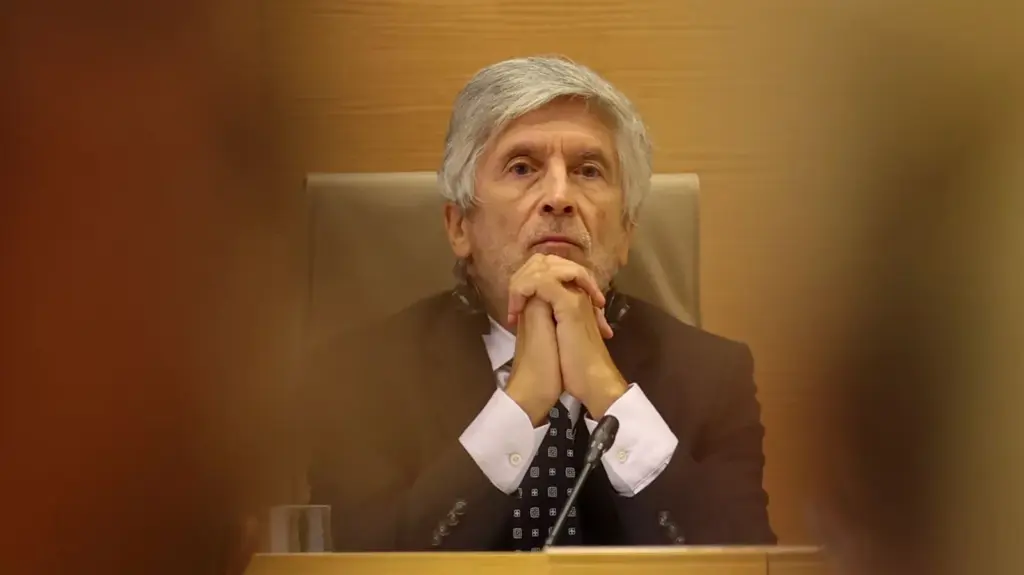
The key points of the report Marlaska did not know and that could trigger an investigation into what happened in Ceuta
The report that the National Police delivered last Monday to the National Court to magistrate María Tardón has sparked a dust-up shaking the body after the anger of the Interior Minister, Fernando Grande-Marlaska, who assured there were no prior warnings of the migratory avalanche on July 30, contrary to what the agents of the General Immigration Police Station have certified. This report analyzes images of the entry of about 70,000 people into Ceuta and points to the possibility that Moroccan gendarmes could have been coordinating this action, although they do not directly indicate any intellectual authorship. The document is now part of the start of the judicial case that may arise if the judge, who is awaiting a report from the Prosecutor’s Office, decides to open an investigation.
You can read the full information here.

Migration crisis in Ceuta
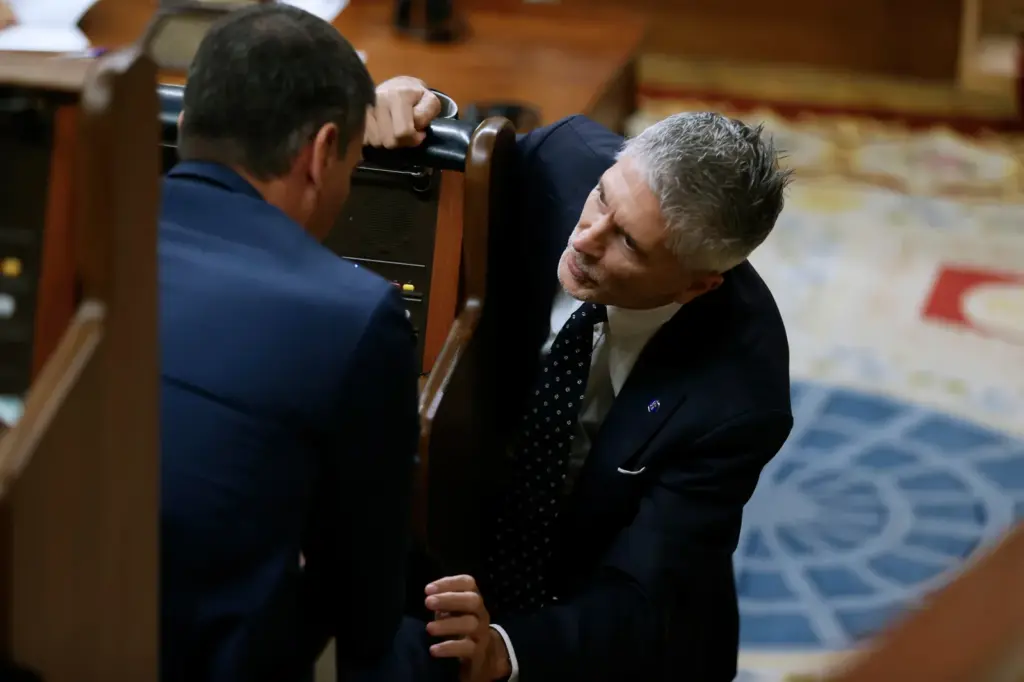
The Government maintains it has no evidence that Morocco organized the jump after the crisis due to the concealment of the police report
Pedro Sánchez faces a very complex political challenge this Thursday. The president arrives at the key appearance on the Ceuta crisis determined to explain in detail, according to government sources, that the Executive has no definitive element that makes it think Morocco is behind the organization of the great jump to Ceuta of 72,000 people. That has been the position so far and he will maintain it, with many more data, explaining that all agencies with information on the ground, especially the CNI, point in this direction, although the investigation remains open and the Executive is not closed to the possibility that the opposite is proven: that is, that Morocco did promote or even organize the crisis.
However, the appearance has become very complicated because just one day before a report from CENIF, the National Immigration and Borders Center, was made public, pointing in the opposite direction: that there were Moroccan agents who “guided” immigrants to the border, even members of the secret services who organized them.
You can read the full information here.
Good morning. Here begins the live narration of the latest news this Thursday, September 3, about the migration crisis in Ceuta. The day is marked by Pedro Sánchez’s appearance before the Plenary of the Congress to explain the management of the crisis in the autonomous city, more than a month after the massive entry of more than 80,000 people on July 30 and 31. Sánchez appears at his own request and that of the PP, following the controversy over the police report pointing to Moroccan agents and after yesterday’s rallies in solidarity with Ceuta, which ended with four arrests, four police officers injured, and harsh criticism of the Executive from the PP and Vox.
Read more The far right tries to inflame Manresa with false data about the perpetrators of a crime